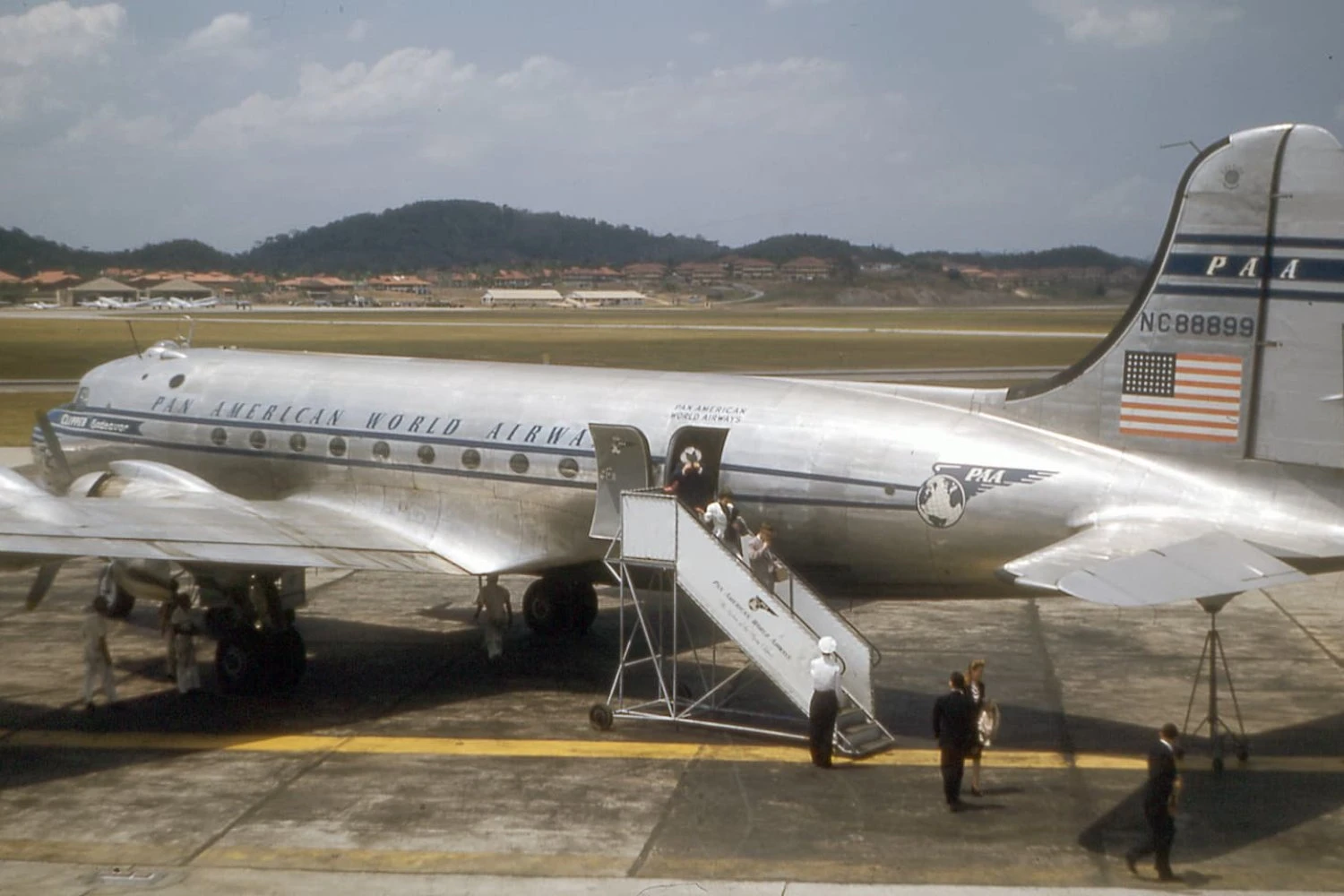
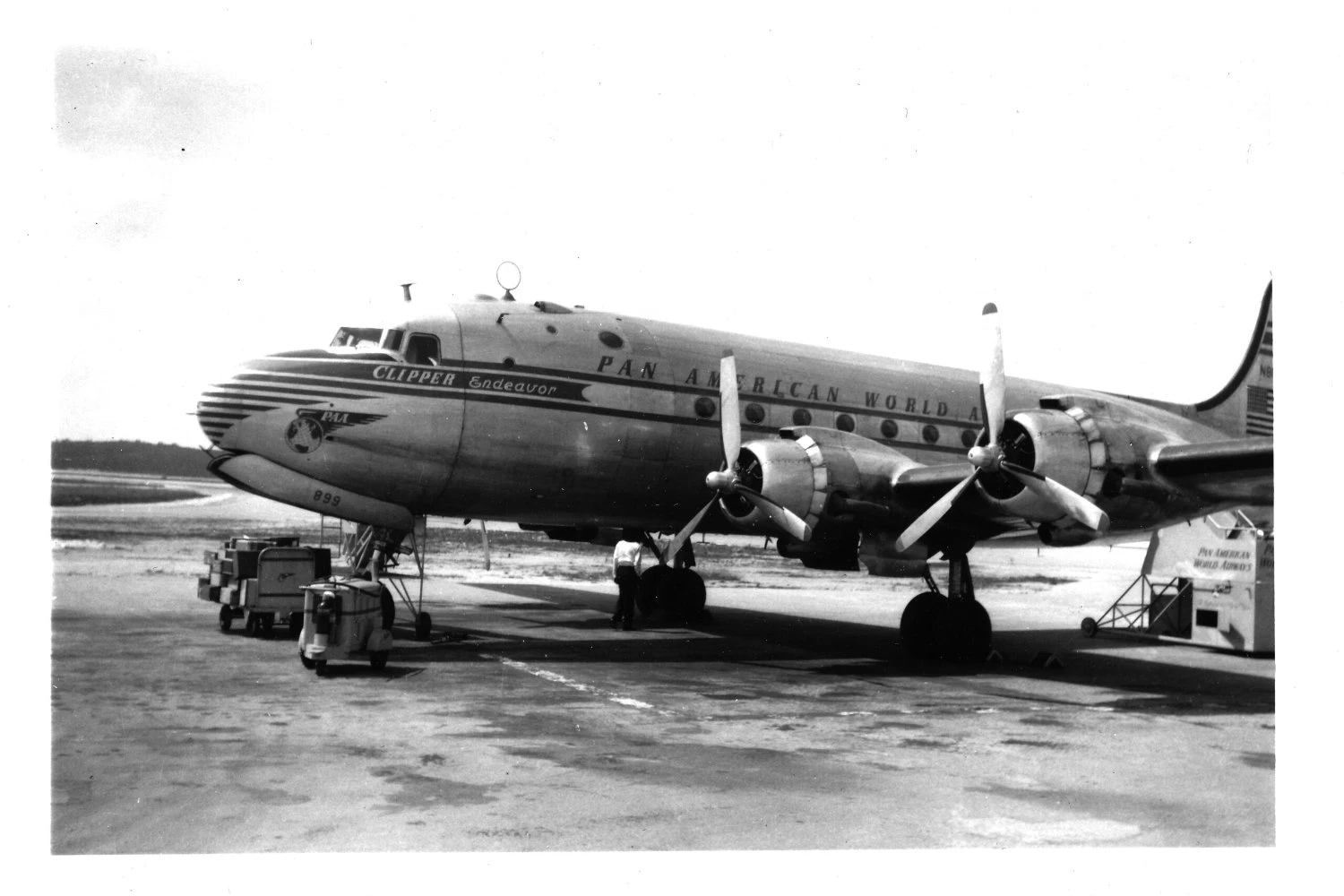
The wreckage of a Pan American World Airways Douglas DC-4 that crashed into the Atlantic Ocean in 1952 and helped reshape commercial aviation safety has been located off Puerto Rico after 74 years.
The aircraft, known as Clipper Endeavor, was found about 610 meters (2,000 feet) below the surface during an expedition led by the Air/Sea Heritage Foundation in partnership with Discovery Channel’s Expedition Unknown.
Related news
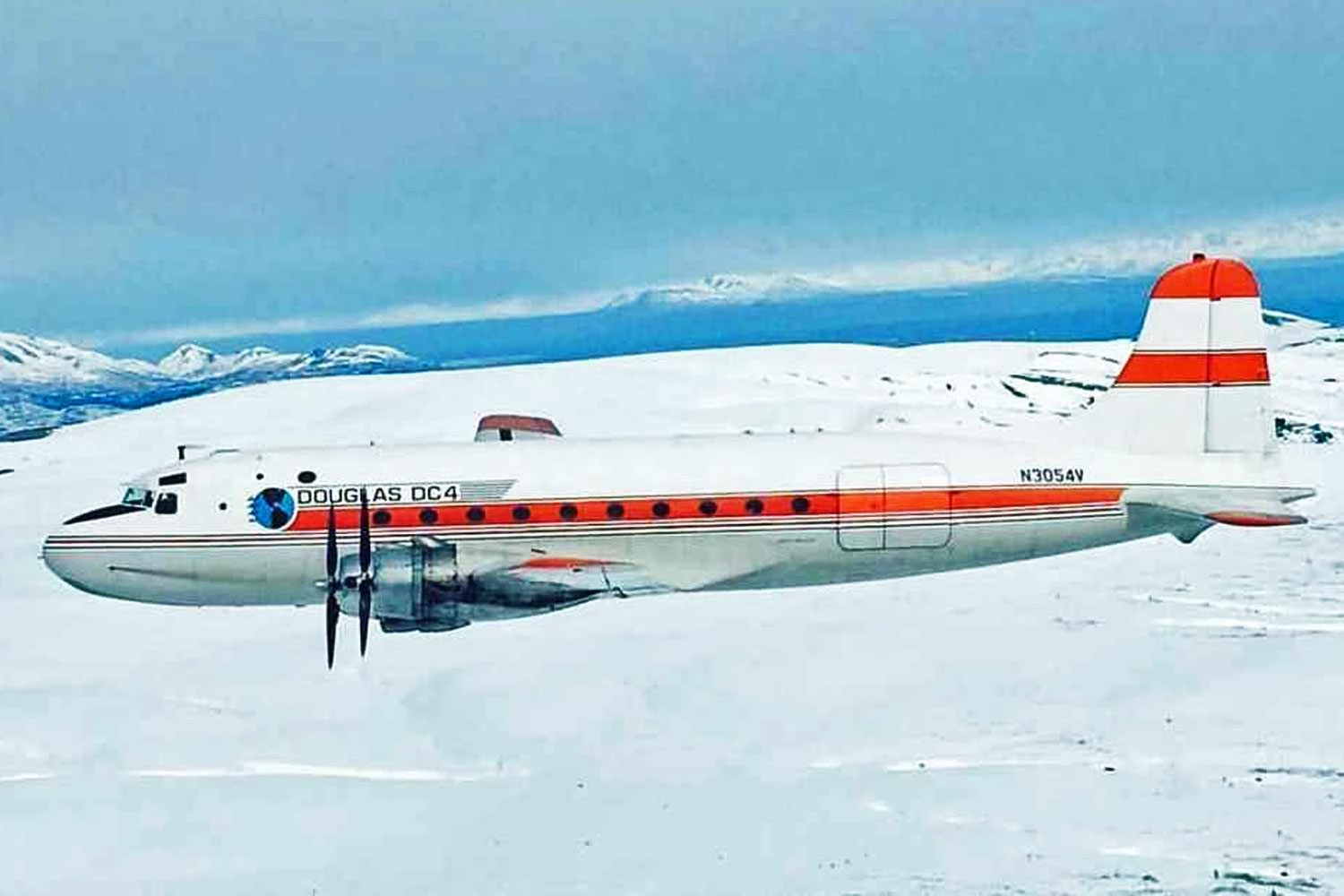
The airplane disappeared on April 11, 1952, while operating Pan Am Flight 526A from San Juan, Puerto Rico, to New York’s Idlewild Airport, now John F. Kennedy International Airport.
The DC-4 departed with 64 passengers and five crew members. Shortly after takeoff, its No. 3 engine failed. As the crew turned back toward San Juan, the No. 4 engine also failed, leaving both engines on the right wing inoperative.
Unable to maintain altitude, Captain John C. Burn ditched the aircraft in rough seas about 18 km (11 miles) northwest of the airport, nine minutes after takeoff. The airplane broke apart and sank in less than three minutes.
Although most occupants survived the impact, many remained inside the aircraft instead of evacuating to life rafts. Fifty-two people died, while the U.S. Coast Guard rescued 17 survivors.
The Civil Aeronautics Board later determined that inadequate maintenance led to the initial engine failure.
The accident became a turning point for commercial aviation. Investigators found that many passengers were unable to locate or properly use life-saving equipment during the evacuation, contributing to changes that made pre-flight passenger safety demonstrations mandatory. The crash also accelerated improvements in emergency flotation equipment carried aboard airliners.
The search for the aircraft began several years ago after maritime historian Russ Matthews became interested in the accident while researching artifacts linked to the flight. An initial expedition in 2024 was unsuccessful because of poor weather.
Researchers later combined Civil Aeronautics Board records, testimony from public hearings, historical weather information and a map prepared by U.S. Air Force pilots who witnessed the ditching to narrow the search area.
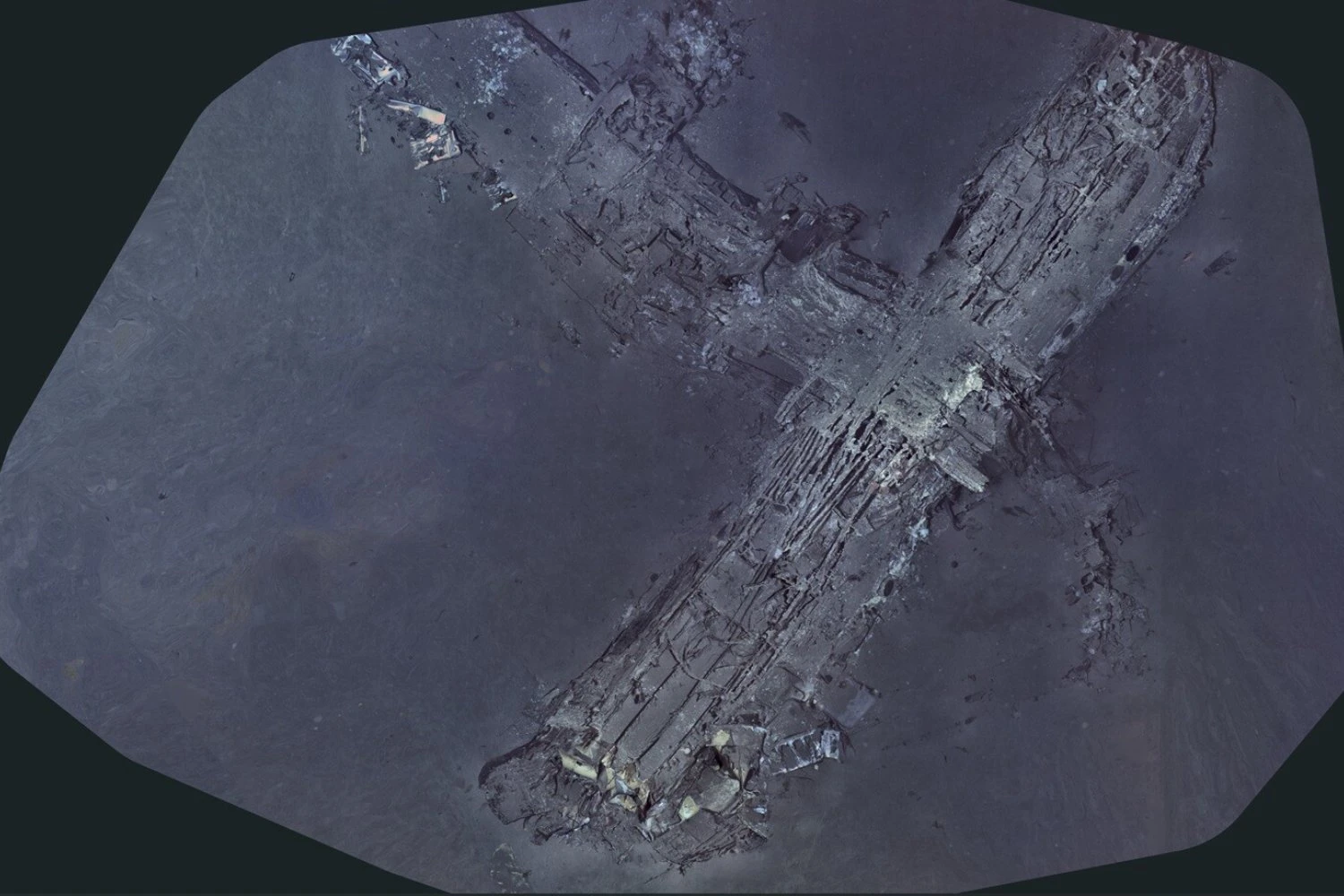
An autonomous underwater vehicle equipped with side-scan sonar located the wreckage during its first survey pass on June 2. A photographic inspection confirmed the identity of the aircraft after revealing the Pan Am logo and the name Clipper Endeavor still visible on the fuselage.
The aircraft lies in two main sections on the seabed. The exploration team said it has no plans to recover the 39 victims whose remains were never found, describing the site as their final resting place.