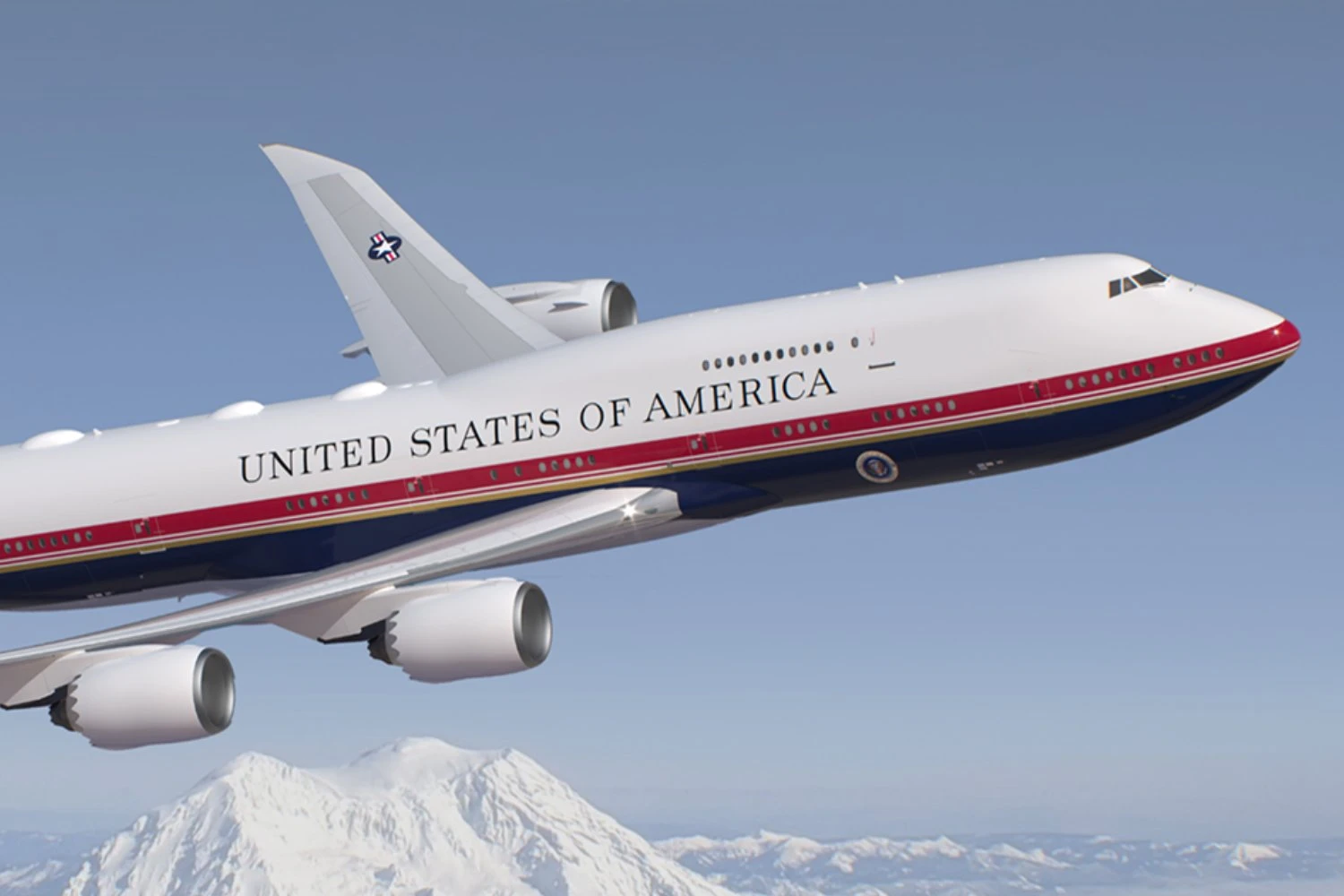
Boeing expects to deliver the next-generation Air Force One aircraft in 2028, but the milestone will come at an even higher cost than previously anticipated. The company acknowledged Sunday that additional spending will be required to complete one of its most delayed and expensive defense programs.
The manufacturer received a fixed-price $3.9 billion contract in 2018 to convert two Boeing 747-8 passenger aircraft into the new presidential transports. Since then, repeated engineering challenges, supplier disruptions and design changes have pushed Boeing’s losses on the program beyond $2 billion, with total program costs now exceeding $5 billion.
Related news
September 21, 2026
September 21, 2026
Speaking ahead of the Farnborough International Airshow, Boeing Defense, Space & Security CEO Steve Parker said the company still expects to deliver both aircraft in 2028. However, he acknowledged that completing the complex structural modifications, wiring installation and certification work will require further investment before the aircraft are ready for service.
Unlike previous presidential aircraft developed alongside their military modifications, the new VC-25Bs are based on two commercial 747-8 Intercontinental airliners originally built for a now-defunct Russian customer.
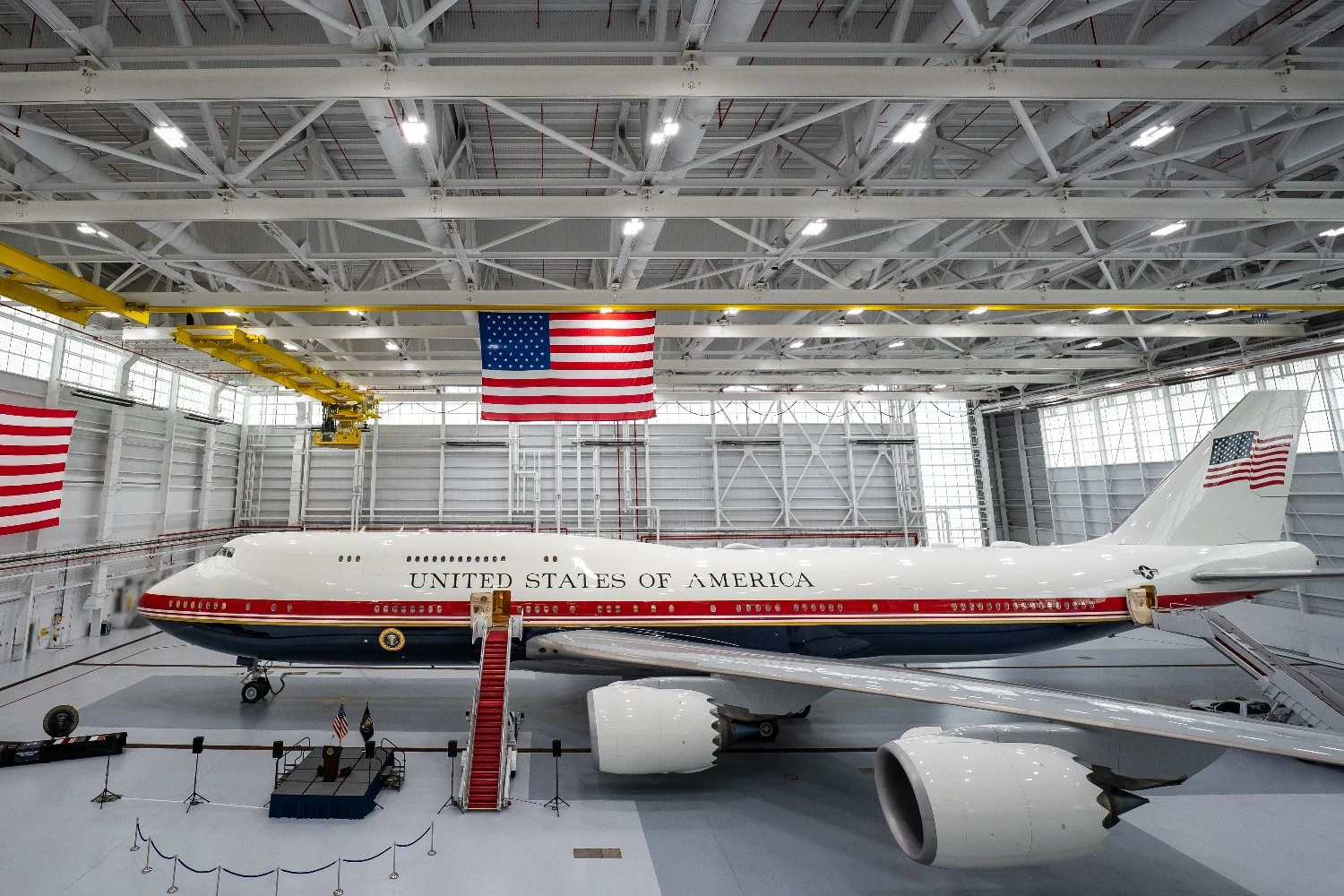
Converting an airliner into a presidential command post has proved far more complicated than a conventional VIP cabin installation, requiring extensive structural changes, hardened communications, defensive systems and protection against electromagnetic pulse attacks.
The delays have forced the White House to seek an interim solution. Earlier this year, the United States accepted a Boeing 747-8 donated by Qatar to serve as a temporary presidential aircraft while the VC-25Bs remain under construction. Although the aircraft has entered service after receiving initial modifications, it lacks the full communications, defensive and mission systems planned for the future Air Force One fleet.
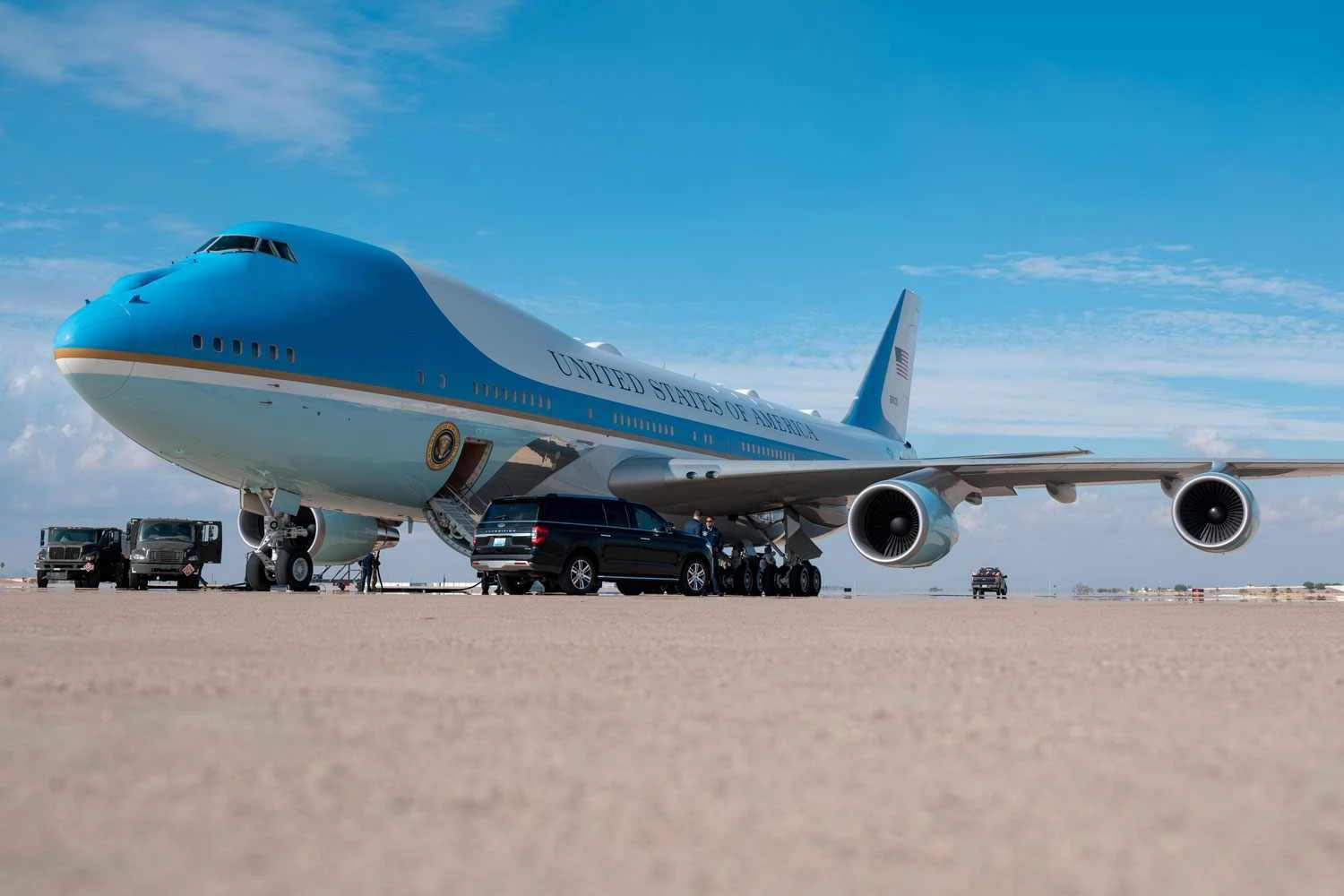
That became evident during President Donald Trump’s recent trip to Turkey. Rather than returning to Washington aboard the former Qatari aircraft, Trump flew home on one of the existing VC-25As, underscoring that the interim aircraft is still not considered suitable for every presidential mission, particularly those involving heightened security requirements.
Even if Boeing meets its revised 2028 target, the new Air Force One fleet will enter service about four years later than originally planned and at a substantially higher cost than envisioned when the contract was awarded.