 Technology
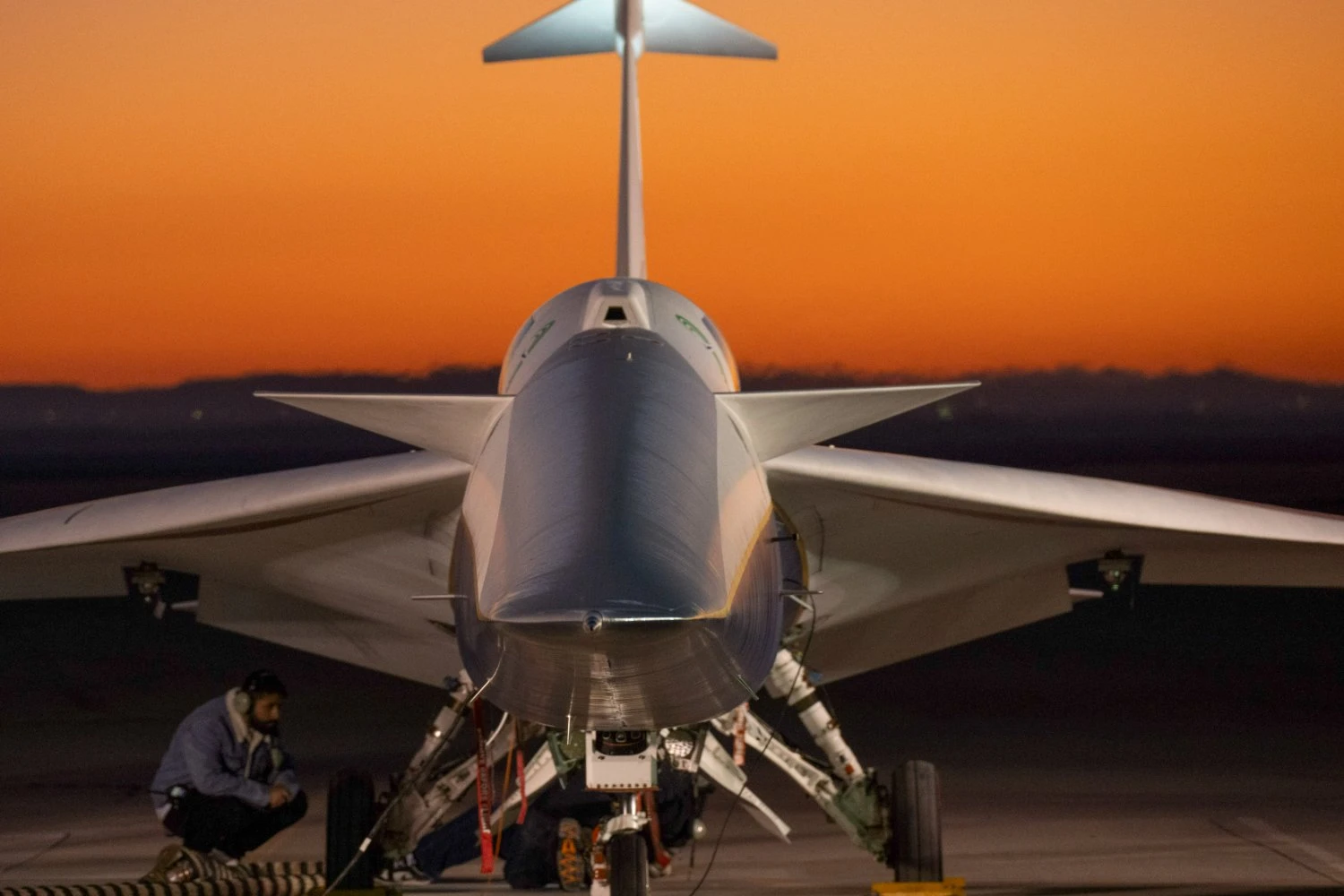
NASA is preparing its X-59 experimental aircraft for a second flight, aimed at demonstrating a quieter sonic boom profile that could allow supersonic flight over land
The flight comes nearly five months after the aircraft’s maiden sortie on Oct. 28, 2025, and follows an extensive period of inspections and maintenance carried out jointly by NASA and Lockheed Martin. Engineers removed and reinstalled major components, including the engine, tail section and dozens of access panels, to assess the aircraft after its first flight.
Ahead of the mission, the X-59 recently completed engine run tests at NASA’s Armstrong Flight Research Center in Edwards, California, one of the final checks before returning to the air.
NASA test pilot Jim “Clue” Less will take the controls for the second flight, with another pilot flying a NASA F/A-18 nearby to monitor the aircraft’s performance. The mission profile is expected to closely mirror the first flight, initially repeating previously tested conditions before gradually expanding the aircraft’s flight envelope.
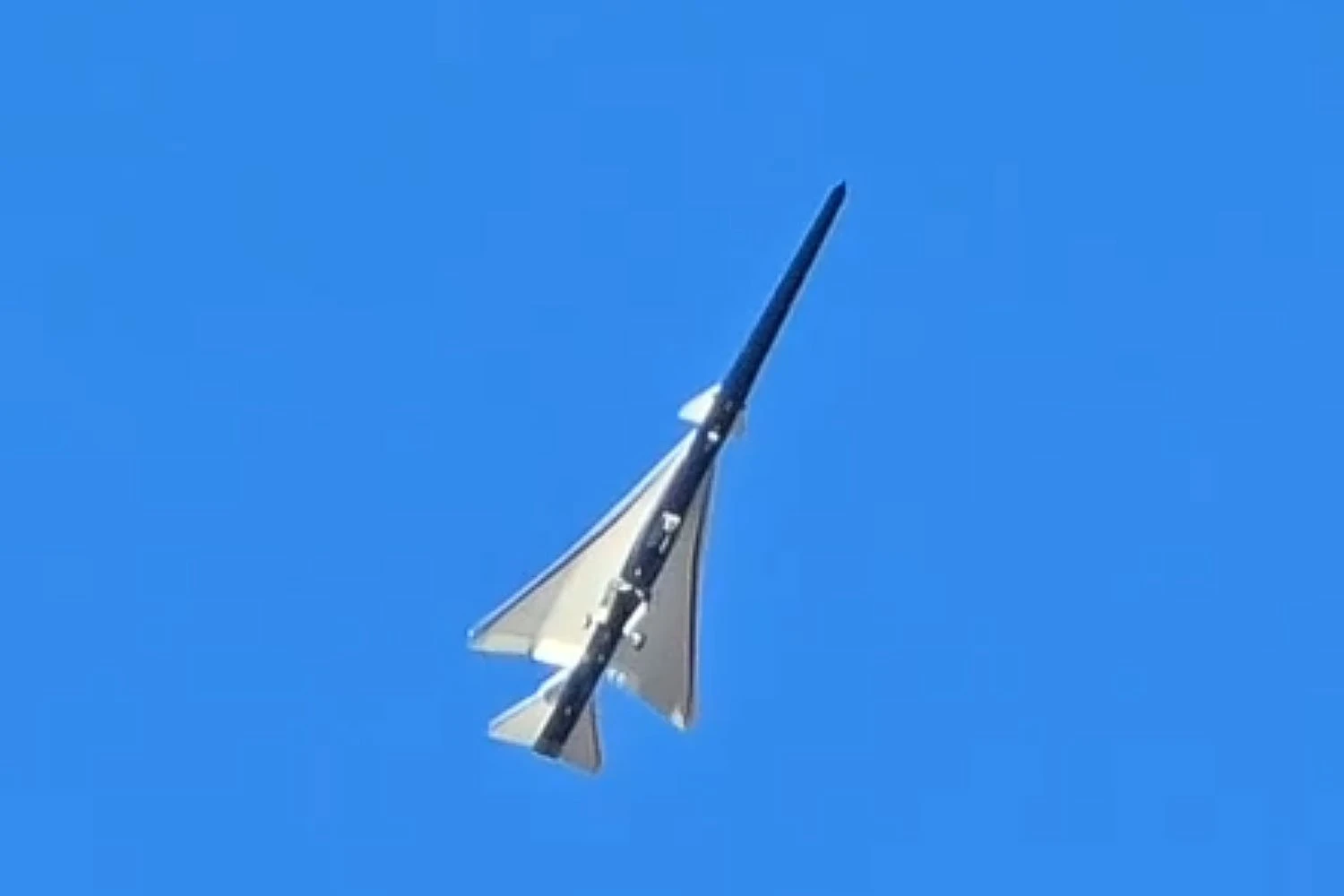
This next phase will see the X-59 fly progressively faster and higher, starting at subsonic speeds around 230 mph and 12,000 feet before advancing toward higher altitudes and speeds. Over time, the aircraft is expected to reach its target performance of about Mach 1.4 at 55,000 feet.
The program’s focus is to validate the aircraft’s safety and handling characteristics while building toward supersonic operations. Unlike traditional supersonic aircraft, the X-59 is designed to minimize the disruptive sonic boom, instead producing a softer “thump” on the ground.
The aircraft is central to NASA’s Quesst mission, which aims to collect data that could support future regulatory changes allowing commercial supersonic flights over populated areas. After initial flight testing, the program will move on to acoustic validation and eventually community overflights to measure public response to the reduced noise signature.