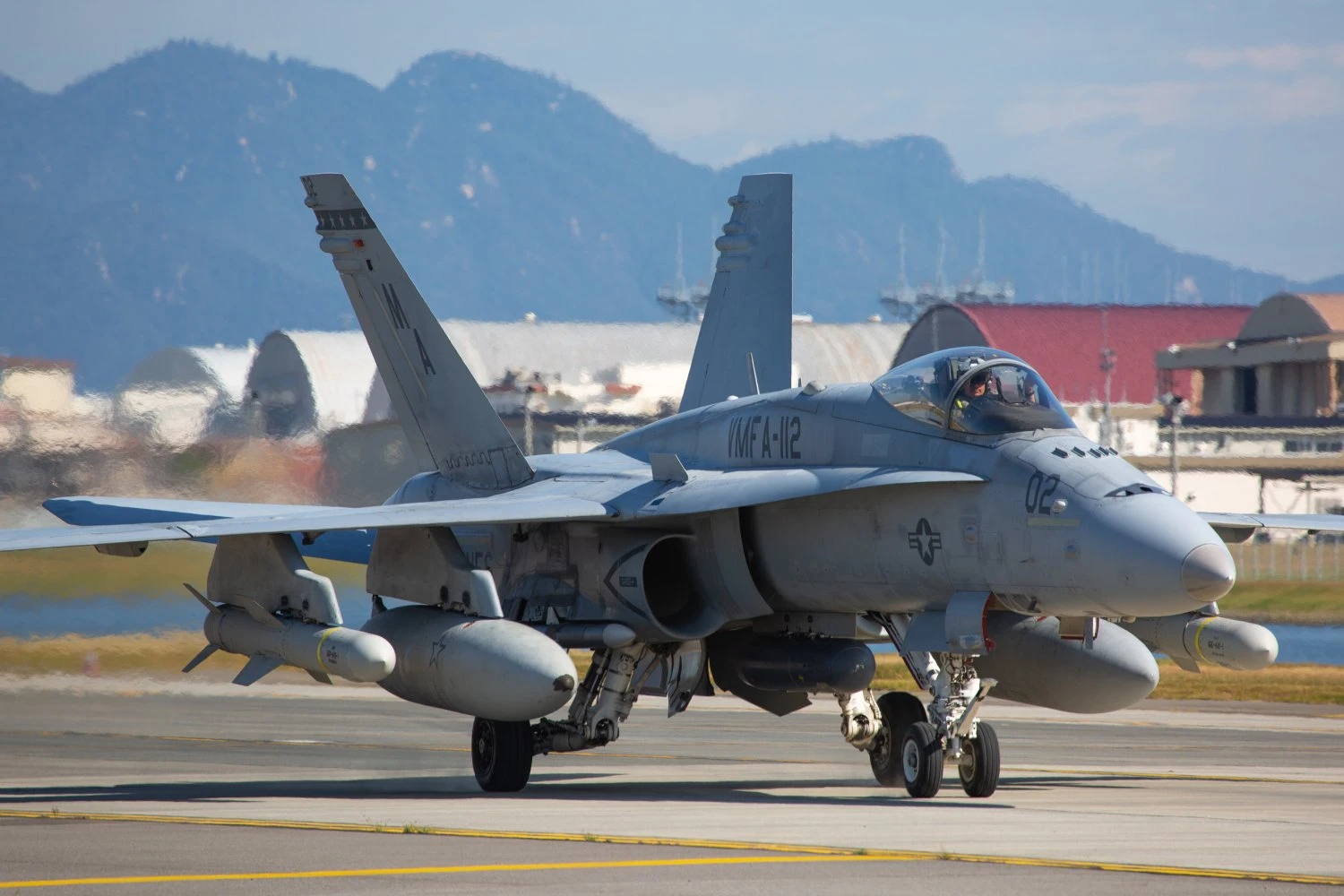
The U.S. Marine Corps (USMC) intends to retire its fleet of first-generation F/A-18 Hornets by 2030, according to internal messages circulating within the service. The phase-out targets the “legacy” Hornets — the A, B, C and D models that entered service in the 1980s — as the Marines shift to an all-F-35 Lightning II force.
The timeline has been discussed in planning documents and informal communications among aviation leaders, though no official service-wide directive has been publicly released.
The retirement plan comes as the Marine Corps grapples with rising maintenance costs and dwindling parts availability for the aging Hornets. The aircraft, once the backbone of Marine tactical aviation, are increasingly expensive to keep operational. Internal messages reviewed by military news outlets indicate the service aims to deactivate the last legacy Hornet squadrons by the end of the decade, freeing up resources for the F-35.
The F/A-18C performed its final flight with the U.S. Navy in 2019, but the Marine Corps continued to operate the type. The legacy Hornet replaced the F-4 Phantom and A-7 Corsair in the 1980s and has served in every major U.S. conflict since. Its retirement will end a 40-year run for the “Classic” Hornet in Marine service.
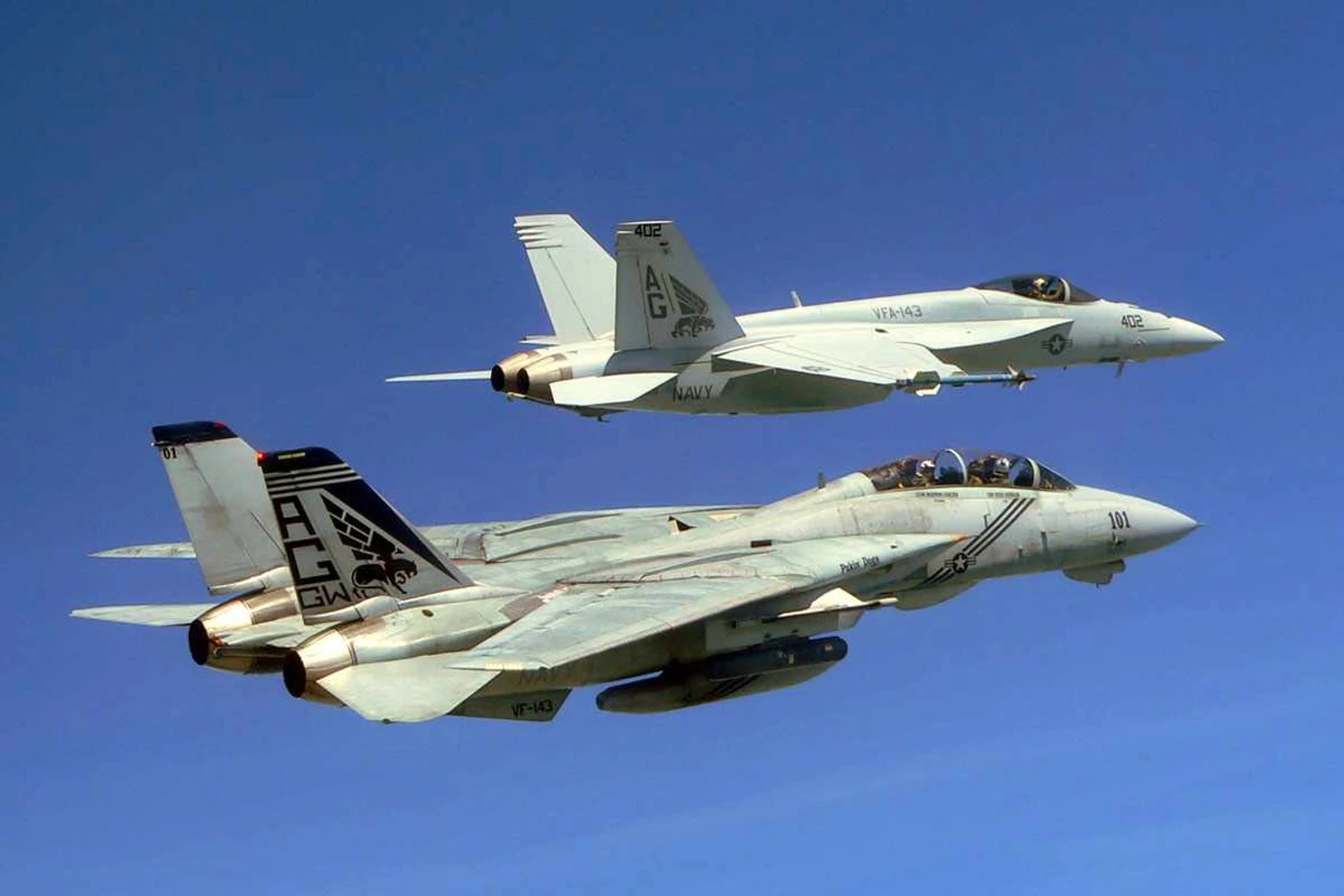
AV-8B Harrier II
Alongside the Hornet phase-out, the Marine Corps is also retiring the AV-8B Harrier II. The final operational flight of the vertical/short takeoff and landing aircraft is scheduled for June 3, after which the last Harrier squadron will transition to the F-35B. The Harrier, which entered service in the 1980s, has been a staple of Marine expeditionary operations from amphibious ships and austere land bases.
With both the Hornet and Harrier leaving the inventory, the Marine Corps will rely entirely on three F-35 variants: the F-35B for short takeoff and vertical landing, the F-35C for carrier operations, and the F-35A for conventional land-based missions. The single-type fleet is expected to simplify logistics, training, and maintenance across the service.
Related news
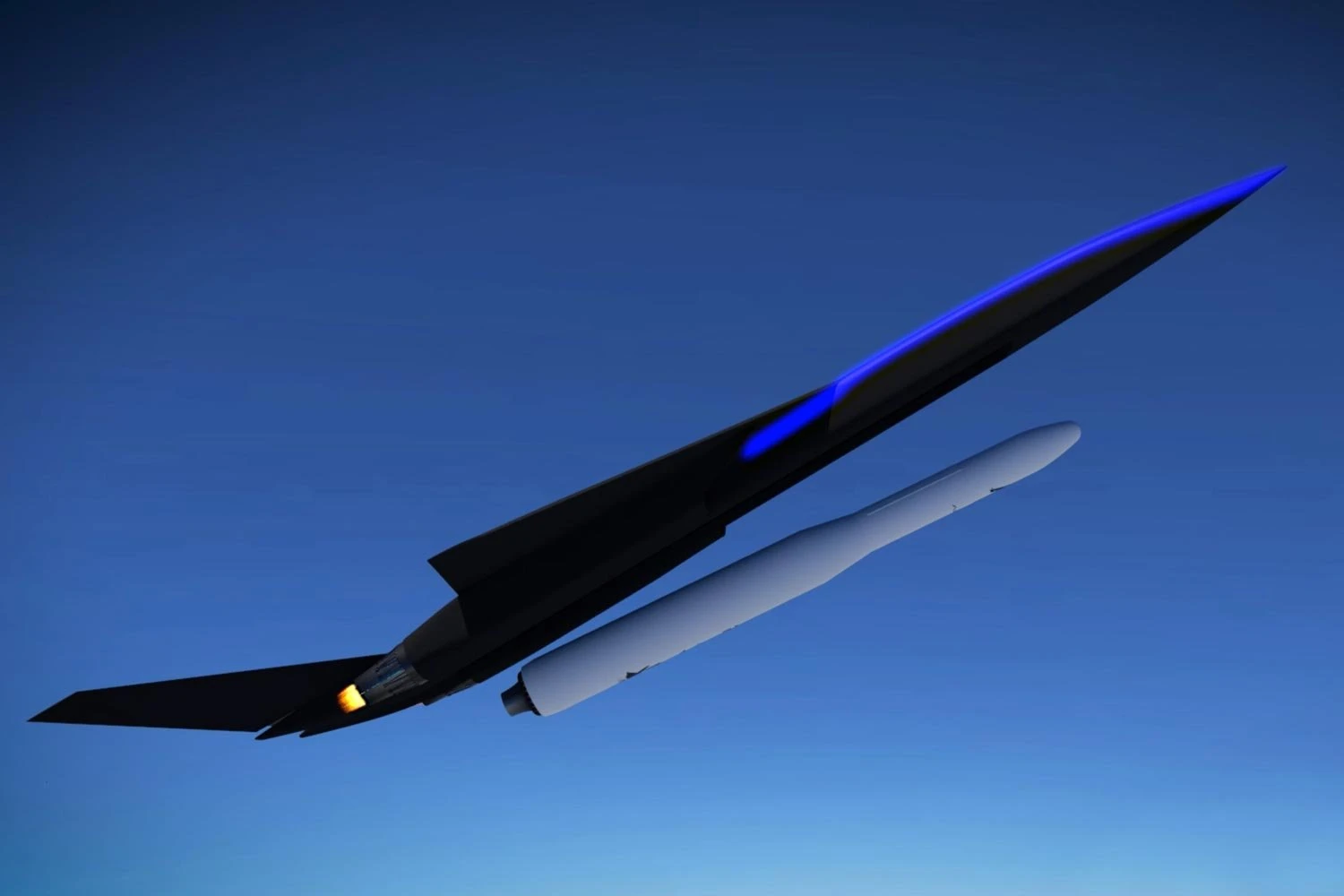
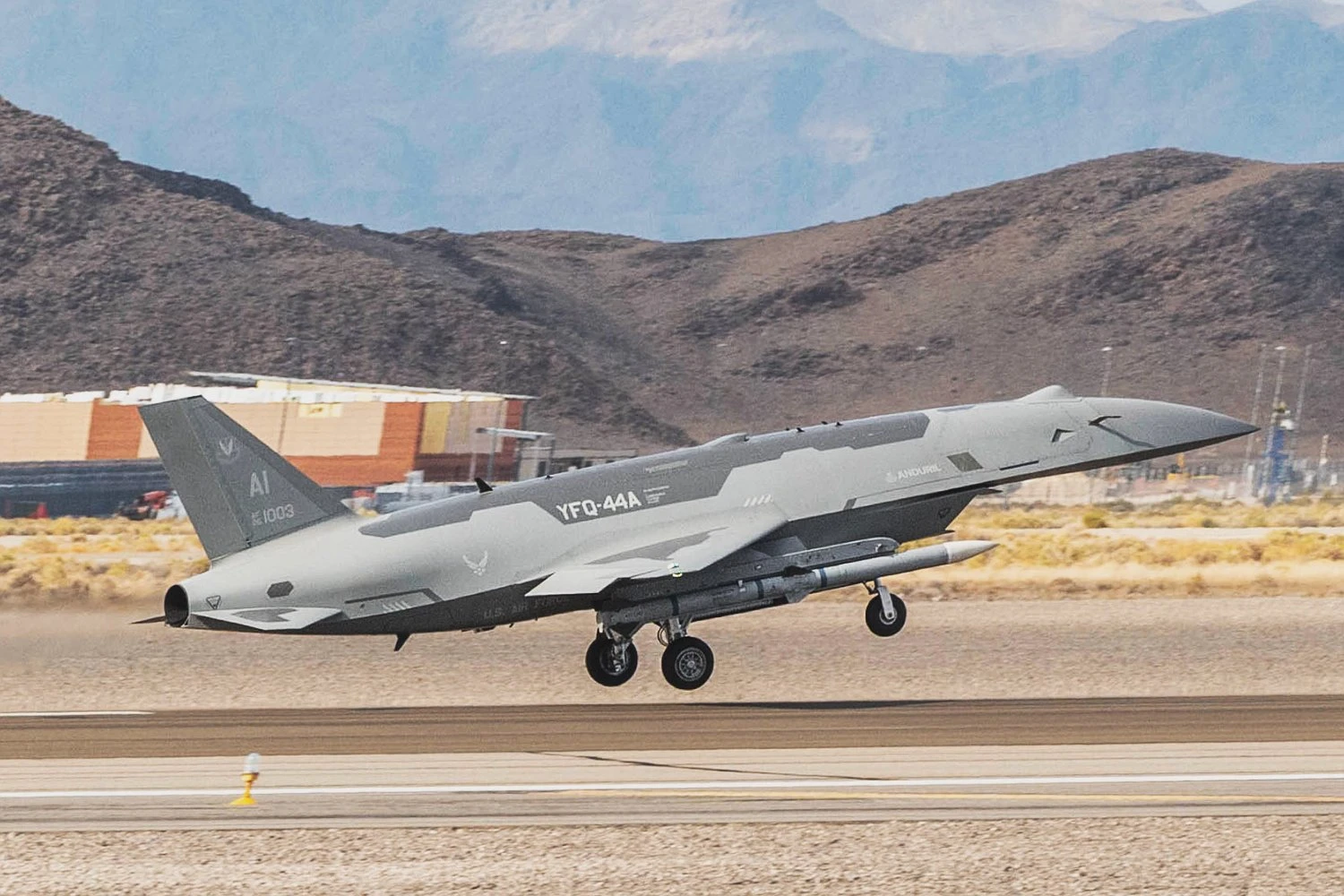
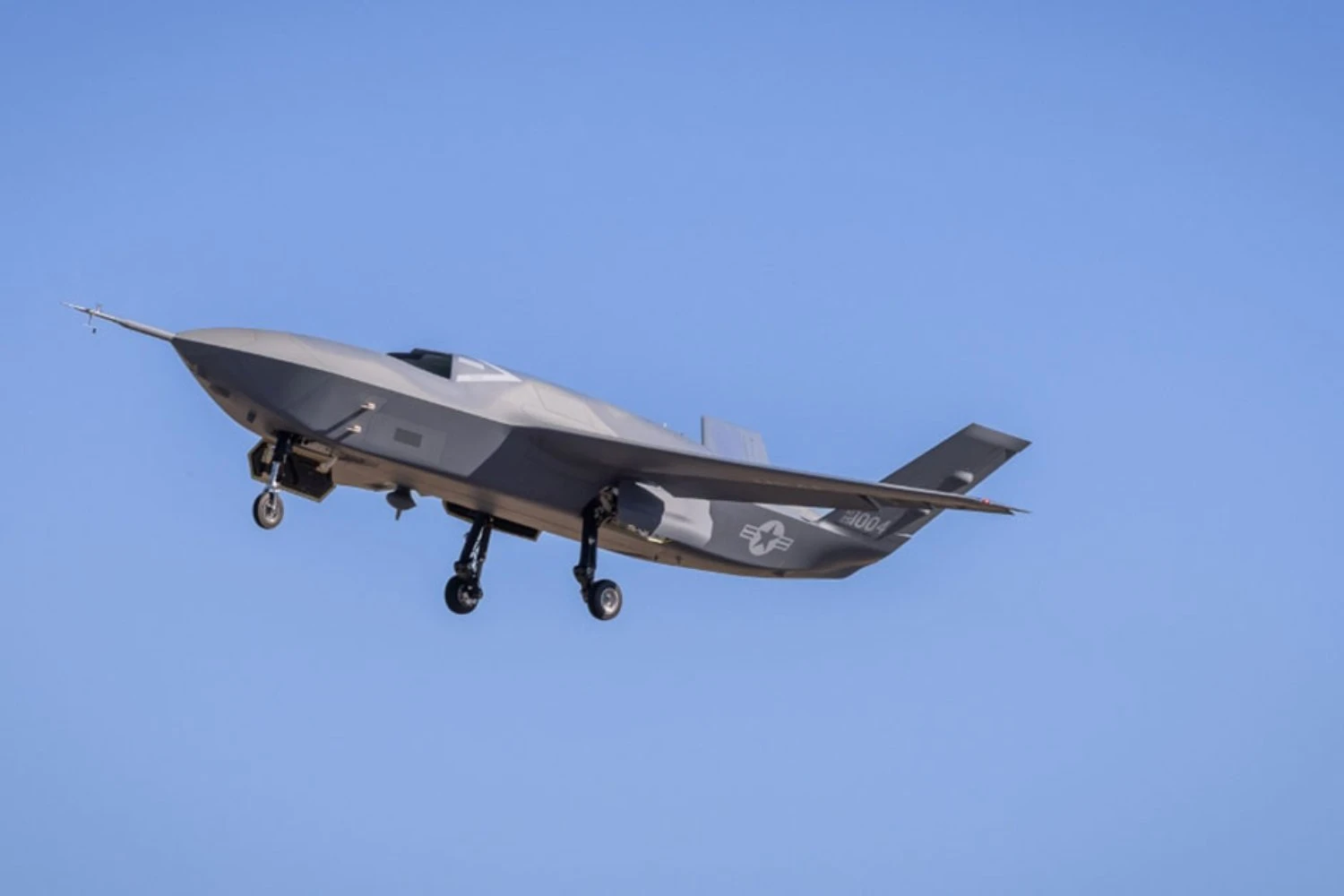
The transition does not end with manned fighters. The Marine Corps is also moving into unmanned combat aircraft. The service will test the General Atomics YFQ-42A, a drone originally developed for the U.S. Air Force, with a Marine Corps mission system. The program aims to explore how unmanned platforms can support Marine air-ground task force operations.
The YFQ-42A is a delta-wing jet designed for air-to-air and air-to-ground missions. Marine Corps officials have not disclosed a timeline for the tests or whether the drone will eventually replace a manned aircraft. The effort is part of a broader Pentagon push to integrate uncrewed systems into combat aviation.