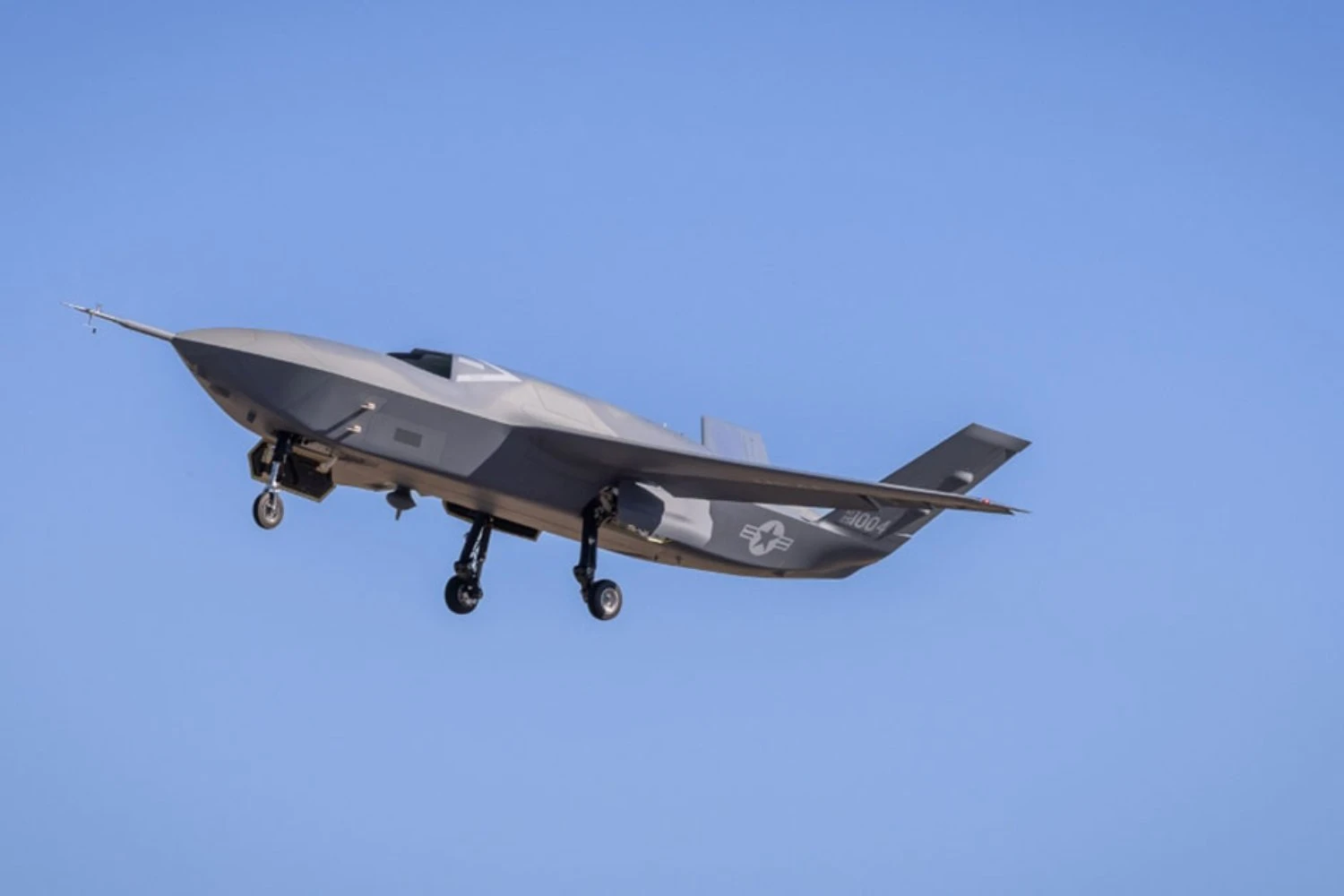
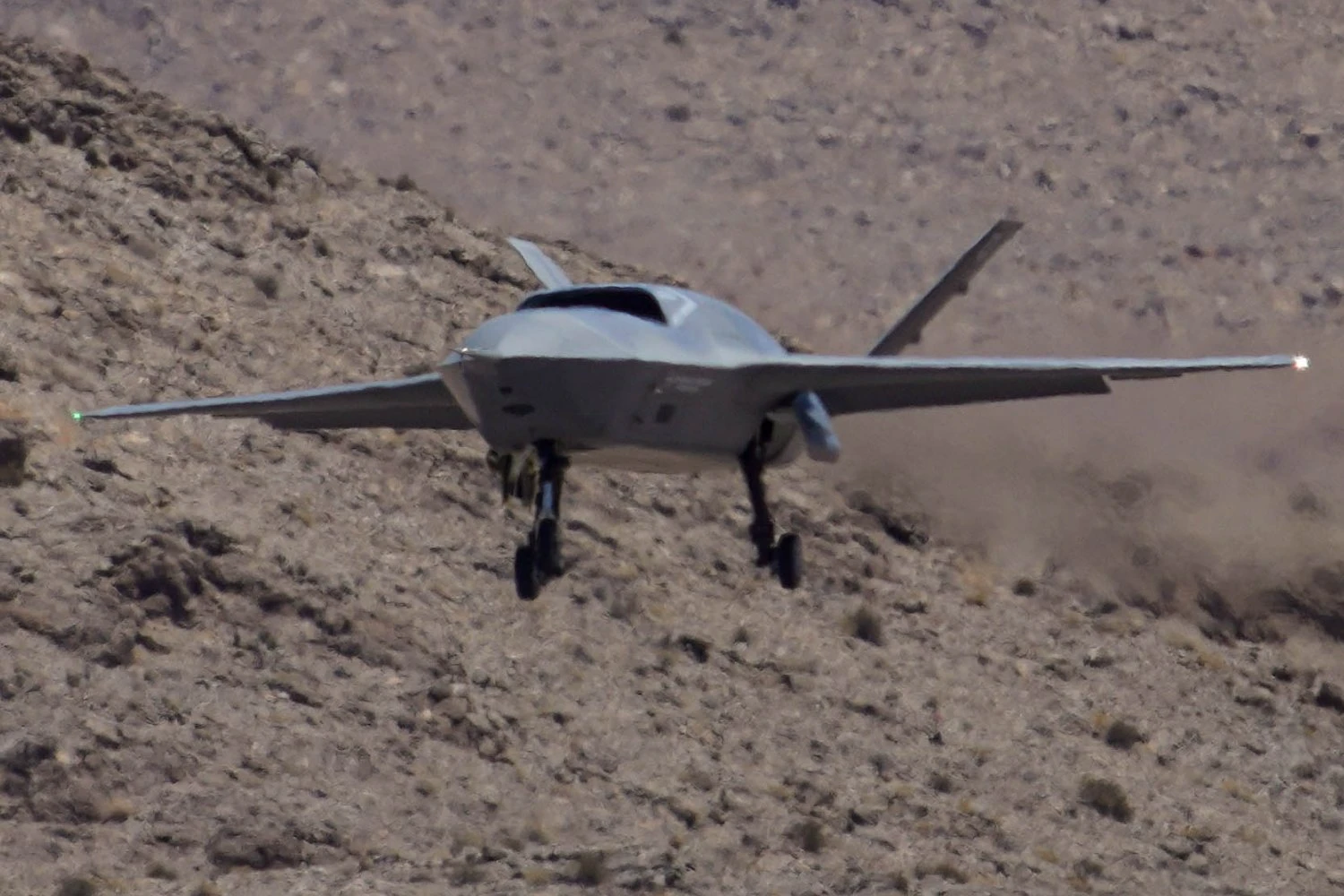
General Atomics Aeronautical Systems (GA-ASI) has resumed flight testing of its YFQ-42A Collaborative Combat Aircraft (CCA) following a crash that destroyed one of the prototypes in April.
The company said the aircraft returned to flight operations after a joint review conducted with the US Air Force and the implementation of software modifications linked to the accident.
The YFQ-42A crashed on April 6 shortly after takeoff from a company-owned airfield in the California desert. No injuries were reported, but the aircraft was declared a total loss.
According to GA-ASI, the investigation identified the cause as an autopilot miscalculation involving the aircraft’s weight and center-of-gravity data. The company said the issue was corrected through software remediation before flights resumed.
The accident led to a temporary suspension of flight operations, although ground testing and other activities under the Collaborative Combat Aircraft (CCA) program continued during the investigation.
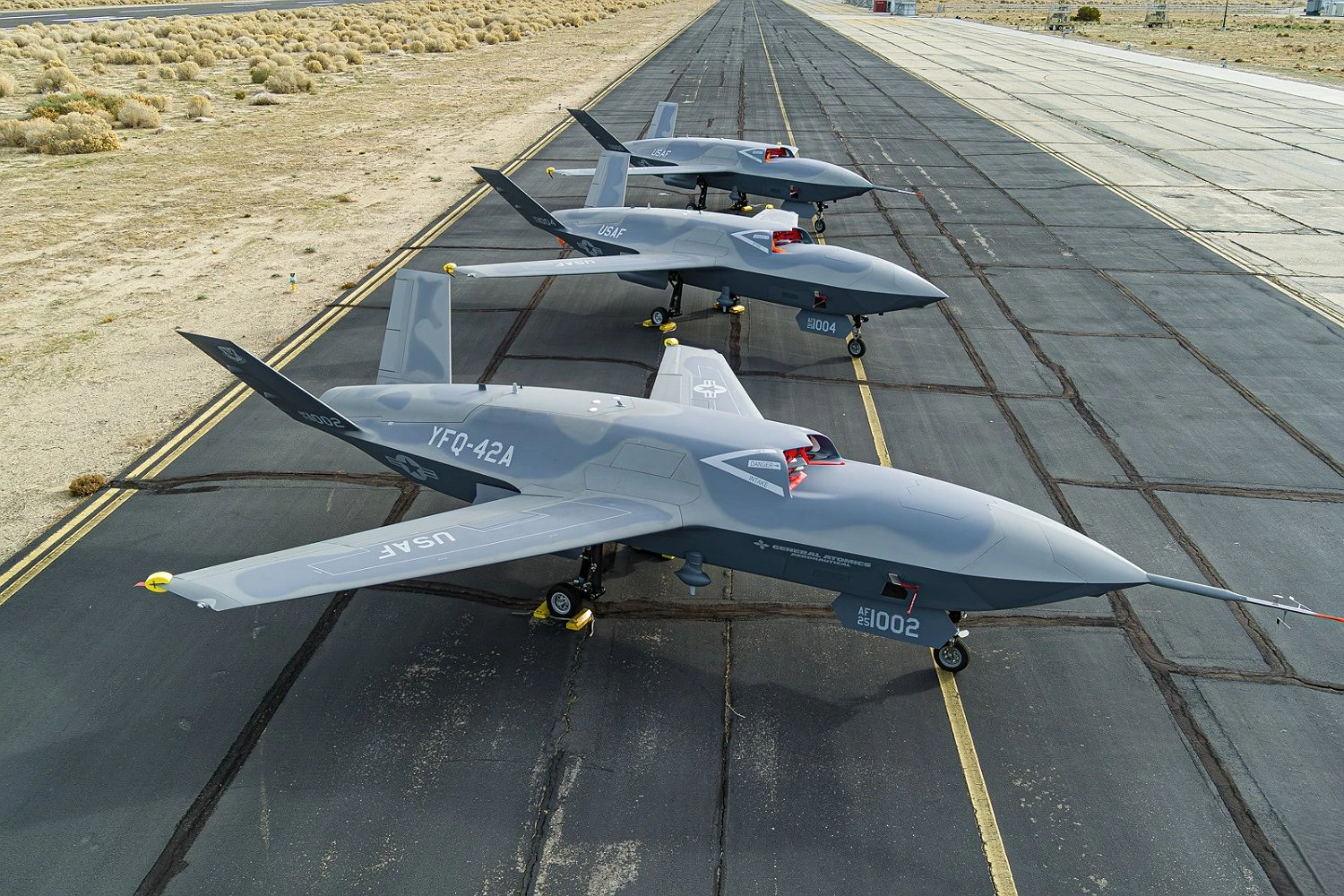
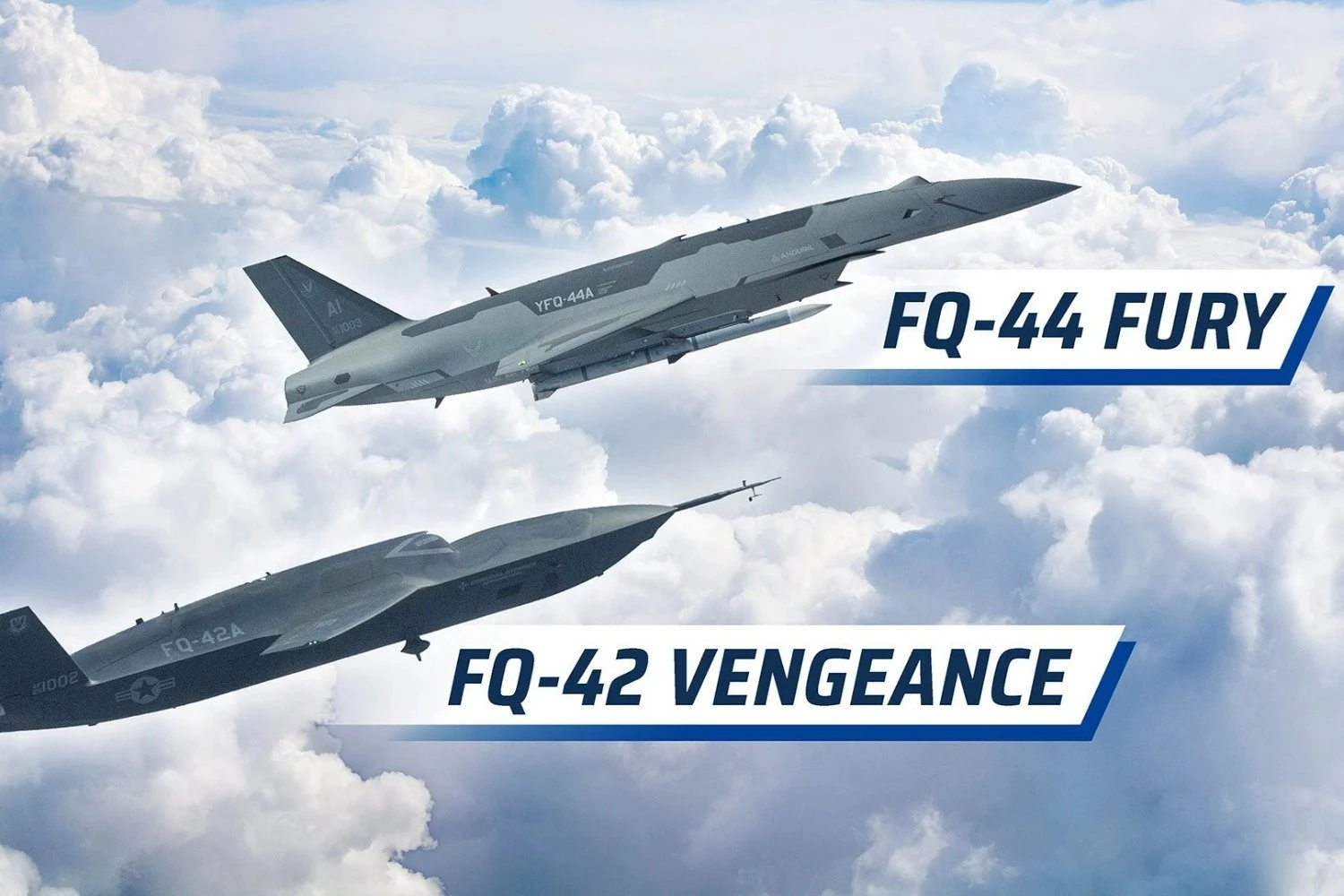
The YFQ-42A is one of two aircraft selected for the US Air Force’s CCA Increment 1 effort, which aims to develop autonomous or semi-autonomous combat drones capable of operating alongside crewed fighters such as the F-35 and F-22.
Its competitor is Anduril’s YFQ-44A Fury, another uncrewed combat aircraft being developed under the same phase of the program.
The Air Force selected GA-ASI and Anduril in April 2024 to build production-representative prototypes for operational evaluation ahead of a production decision expected during fiscal year 2026.
Recent news
September 21, 2026
September 21, 2026
September 21, 2026
GA-ASI first flew the YFQ-42A in August 2025. The aircraft is designed around a modular architecture intended to support rapid integration of mission systems and autonomy software.
The US Air Force plans to acquire between 100 and 150 aircraft during the first phase of the CCA program, with longer-term plans calling for a significantly larger fleet of autonomous combat aircraft.
Follow Air Data News: WhatsApp | Google News | Instagram | LinkedIn | Twitter | Facebook