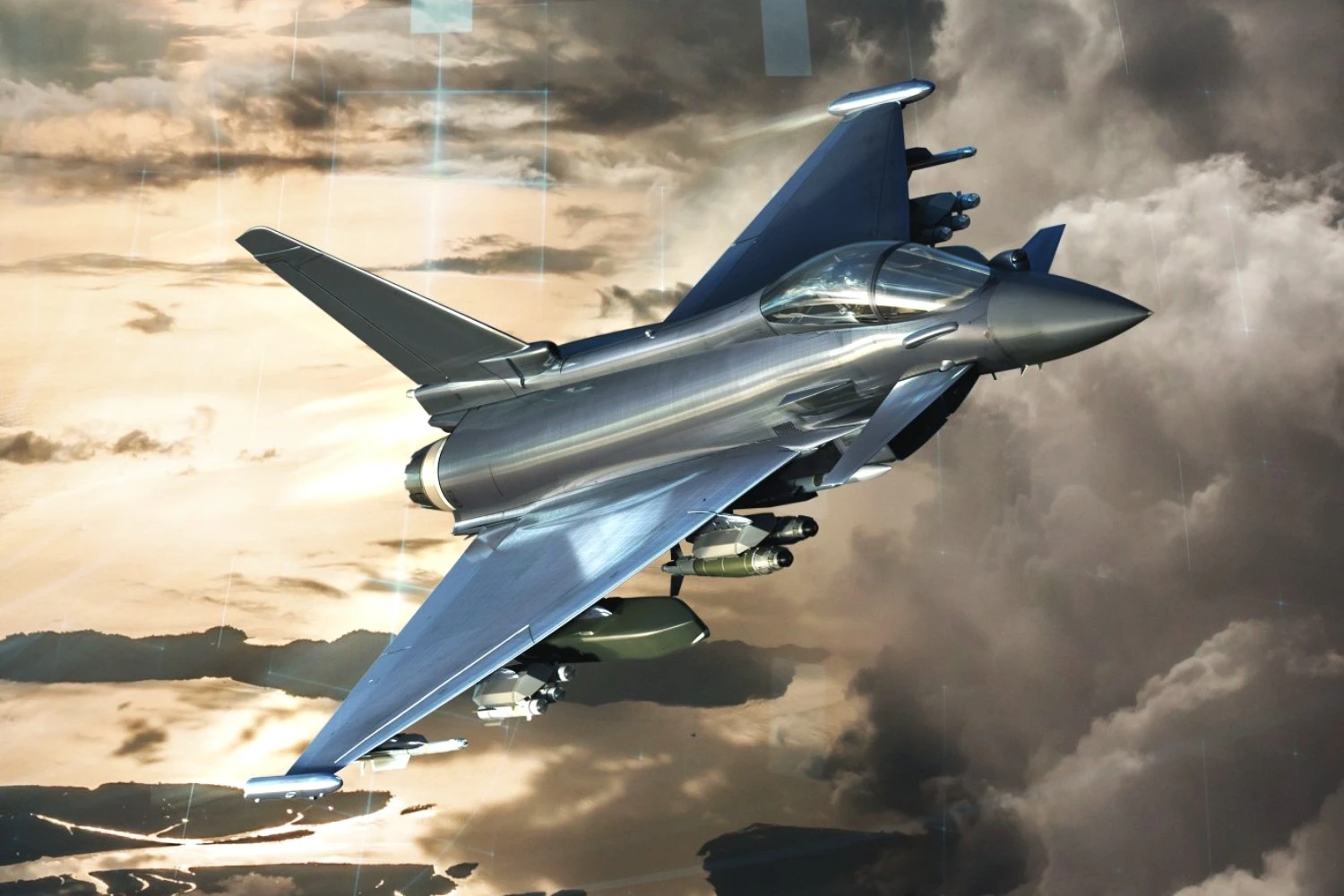
Airbus chief executive Guillaume Faury has defended the use of European-made military equipment as Portugal prepares to launch a competition for a new fighter aircraft, with the Eurofighter Typhoon expected to compete against the Lockheed Martin F-35.
Speaking to Portuguese journalists during the Airbus Defense Summit 2026 in Manching, Germany, Faury said European countries should strengthen their own defense industrial base by purchasing equipment developed within Europe.
“Airbus is a company built on European cooperation,” Faury said. “We guarantee sovereignty in the solutions we develop.”
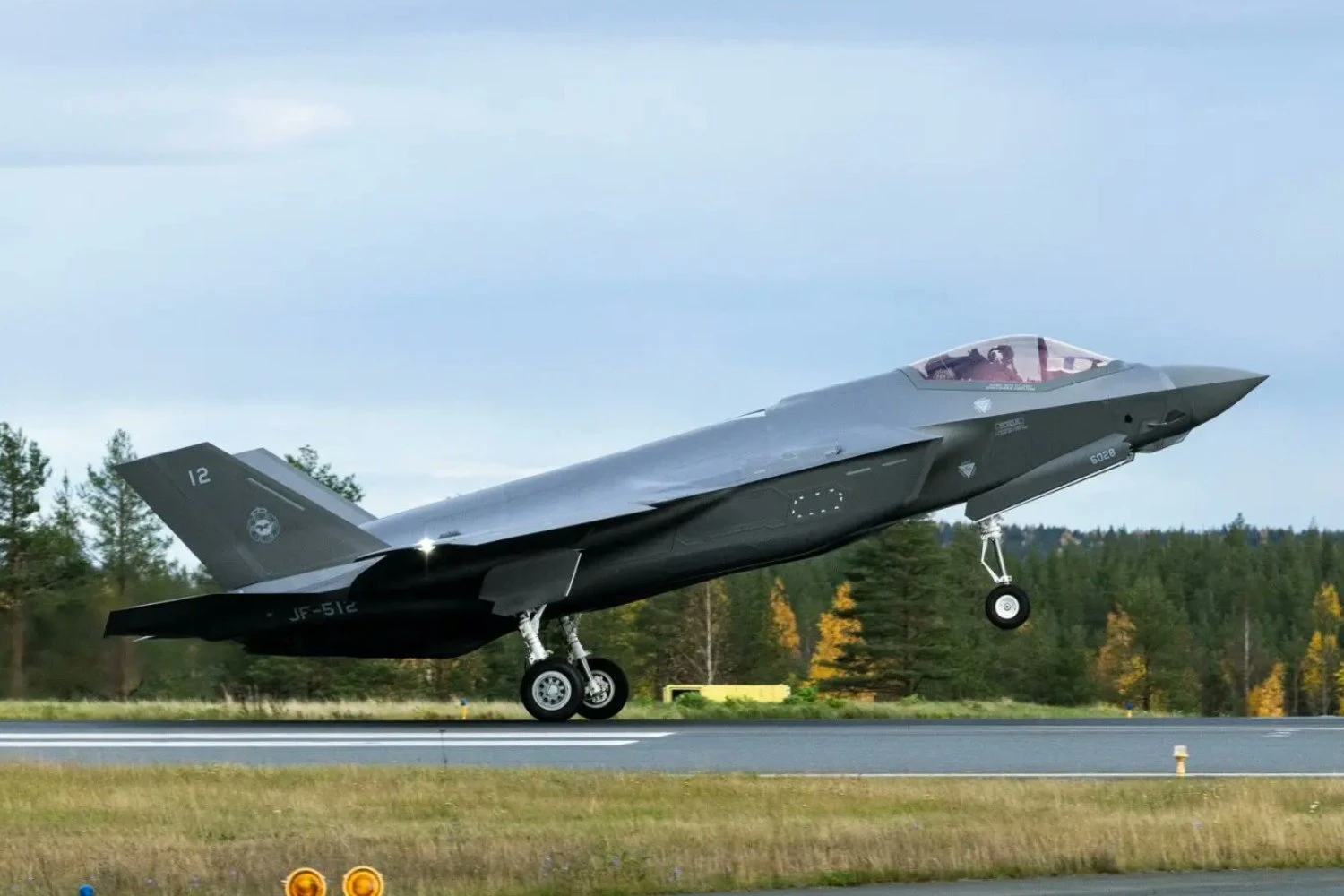
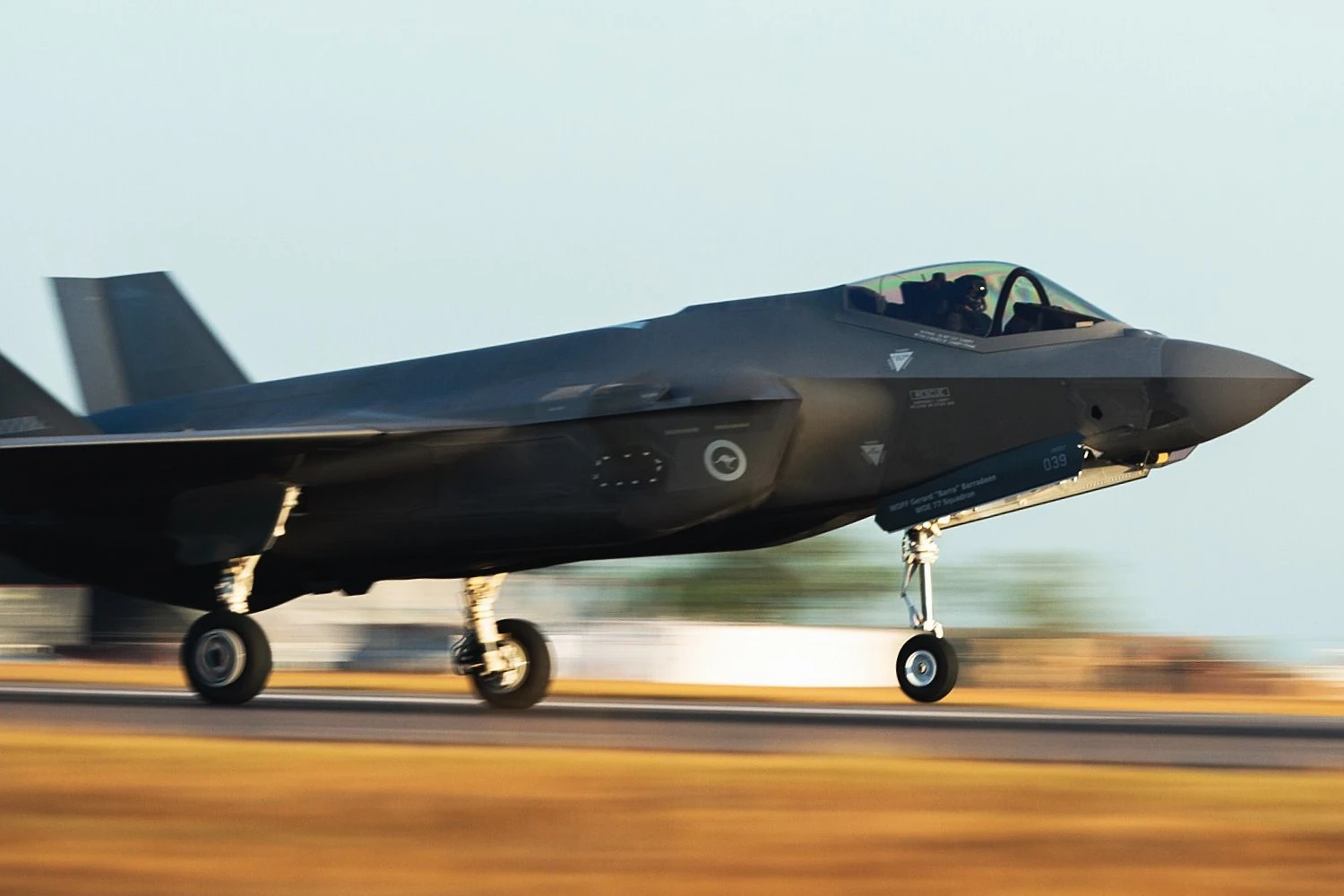
Portugal is expected to start a procurement process in the coming years to replace its aging fleet of Lockheed Martin F-16 fighters. While Lisbon has not formally defined the candidates, the US-built F-35 has long been viewed as a leading option among NATO operators modernizing their combat fleets.
Related news
September 20, 2026
Airbus is one of the companies behind the Eurofighter Typhoon consortium, alongside BAE Systems and Leonardo. Although the executive did not directly mention the F-35, his remarks contrasted European systems with reliance on foreign suppliers.
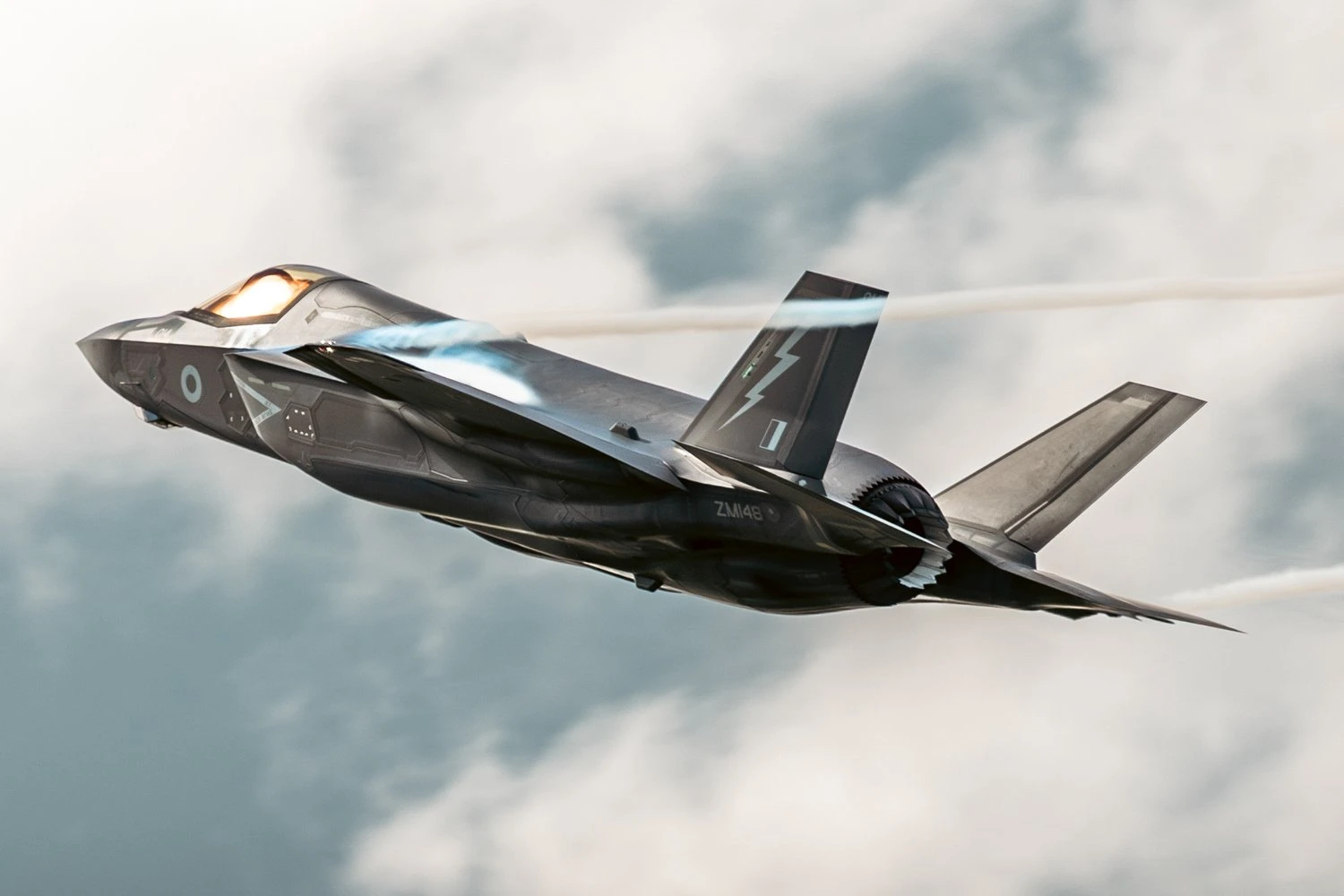
Faury argued that European governments still spend proportionally far less on domestic defense manufacturers than the United States does with American companies, and said that imbalance should gradually change.
“This applies to Portugal, but also to many other competitions in Europe,” he said. “We want to ensure Europe moves in the right direction.”
Asked whether Airbus could expand industrial activity in Portugal as part of a potential fighter deal, Faury pointed to the company’s existing footprint in the country, including engineering services and aerostructure manufacturing.
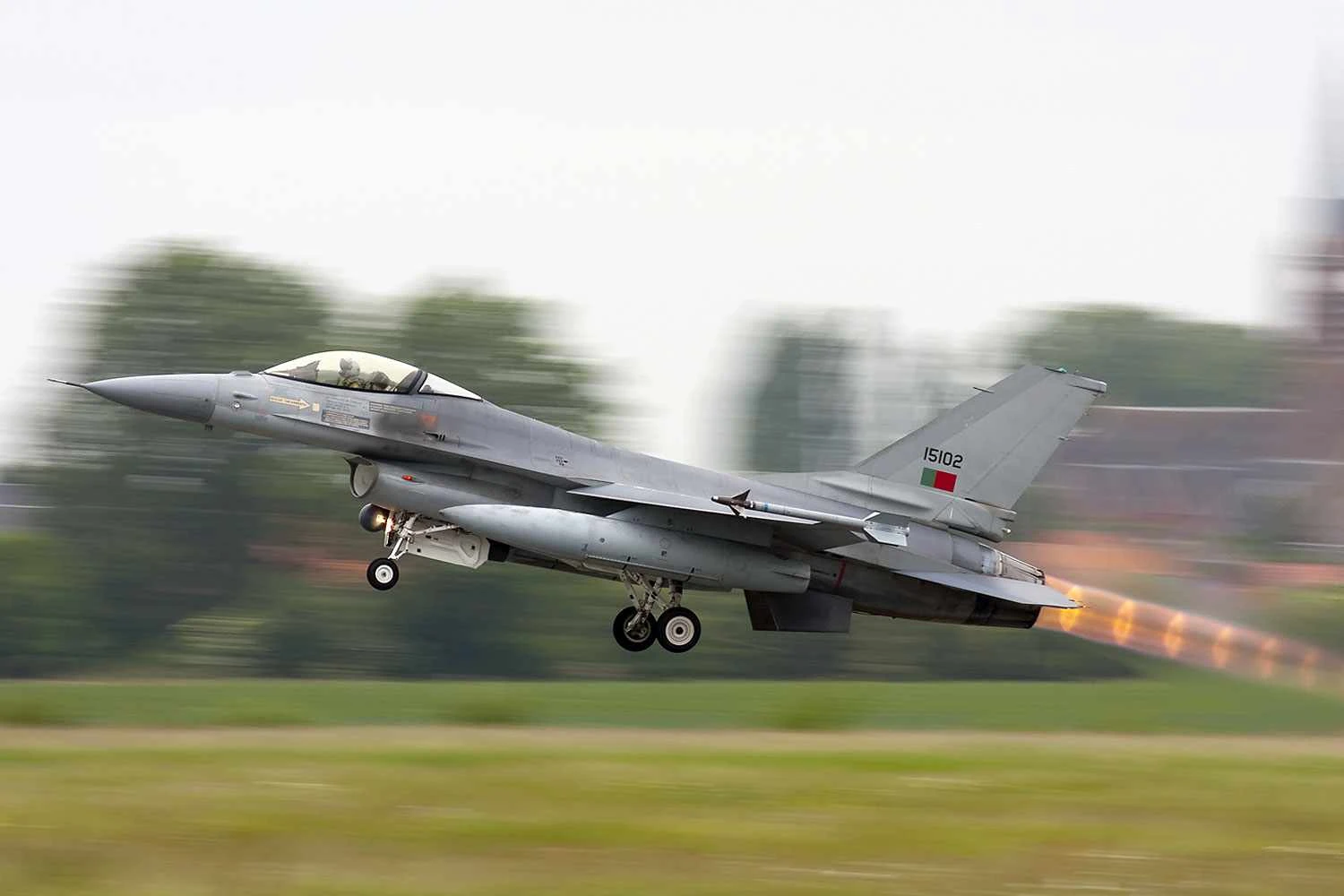
Airbus currently works with more than 30 Portuguese companies and operates facilities in Lisbon, Coimbra and Santo Tirso. The Airbus Atlantic plant in Santo Tirso manufactures fuselage sections for the A320 and A350 programs, although the site still has space for future expansion.
Faury also addressed questions about the Future Combat Air System (FCAS), the European sixth-generation fighter initiative led by France, Germany and Spain, which has faced repeated industrial and political disagreements.
According to the Airbus CEO, difficulties involving specific parts of the FCAS program should not be interpreted as a failure of European cooperation. He said Airbus continues to see multinational defense programs as viable despite delays and disputes surrounding the future combat aircraft project.