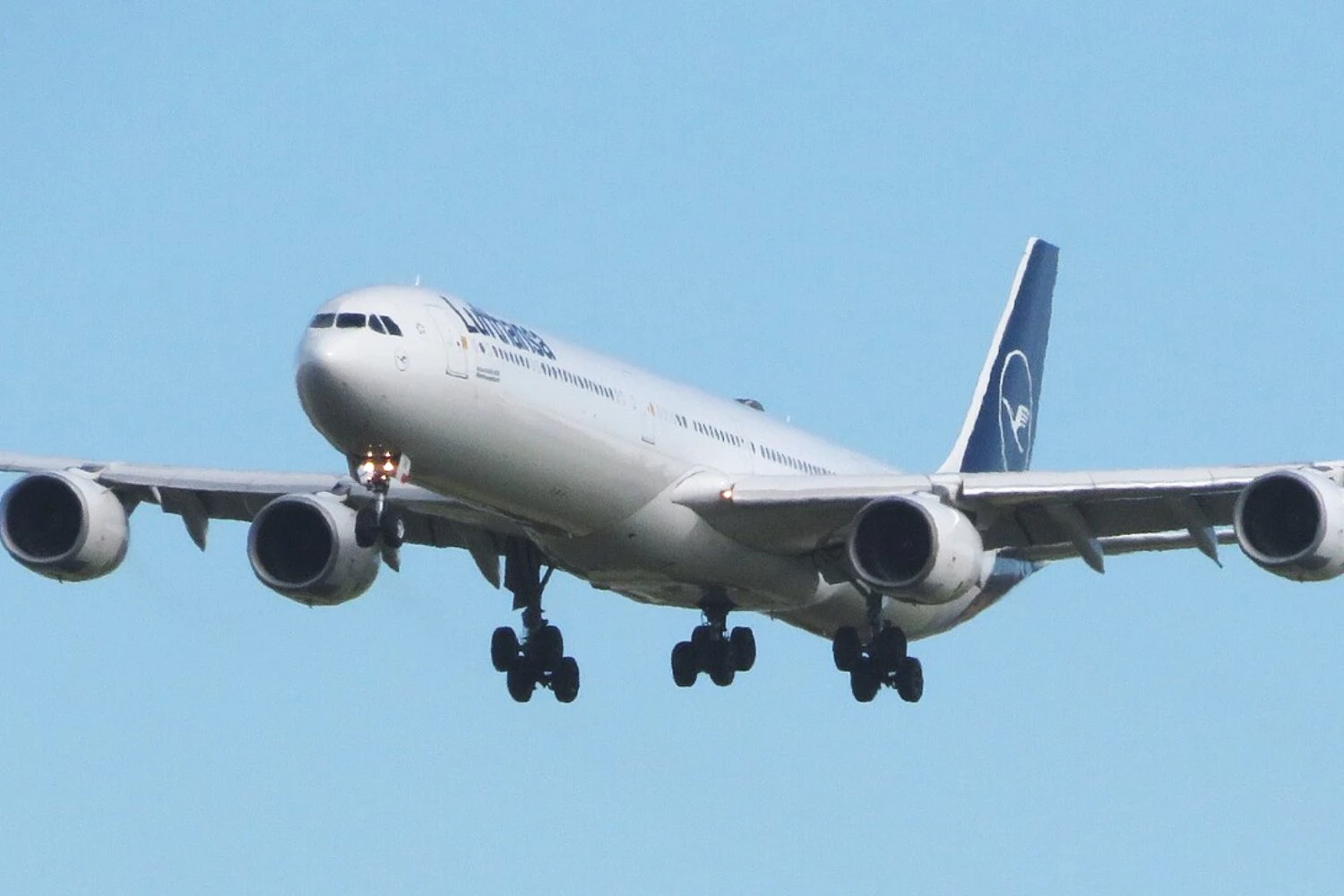
Lufthansa has scheduled its final commercial Airbus A340-600 flight for October 18, closing a 23-year chapter with one of the largest operators of the long-range four-engine jet.
Flight LH419 will depart Washington Dulles for Frankfurt, where it is scheduled to arrive on the morning of October 19. Lufthansa had previously planned A340-600 flights through October 24 but has shortened the aircraft's remaining schedule.
The German carrier currently has four A340-600s in service, primarily on routes from Frankfurt to Washington Dulles and New York (JFK). Their withdrawal had already been announced in April as part of Lufthansa Group's capacity and cost measures for 2026.
It will not be the first time the airline has attempted to say goodbye to the type. Lufthansa grounded its A340-600 fleet during the Covid-19 pandemic and sent several aircraft for storage and dismantling before reversing course and returning ten jets to service.
Follow Air Data News: WhatsApp | Instagram | LinkedIn | Twitter | Facebook
Delays affecting new-generation widebody deliveries subsequently extended their careers. Lufthansa initially expected Boeing 787-9s, 777-9s and Airbus A350s to progressively take over missions performed by older four-engine aircraft. The A340-600 ultimately remained in the schedule through the 2026 summer season.
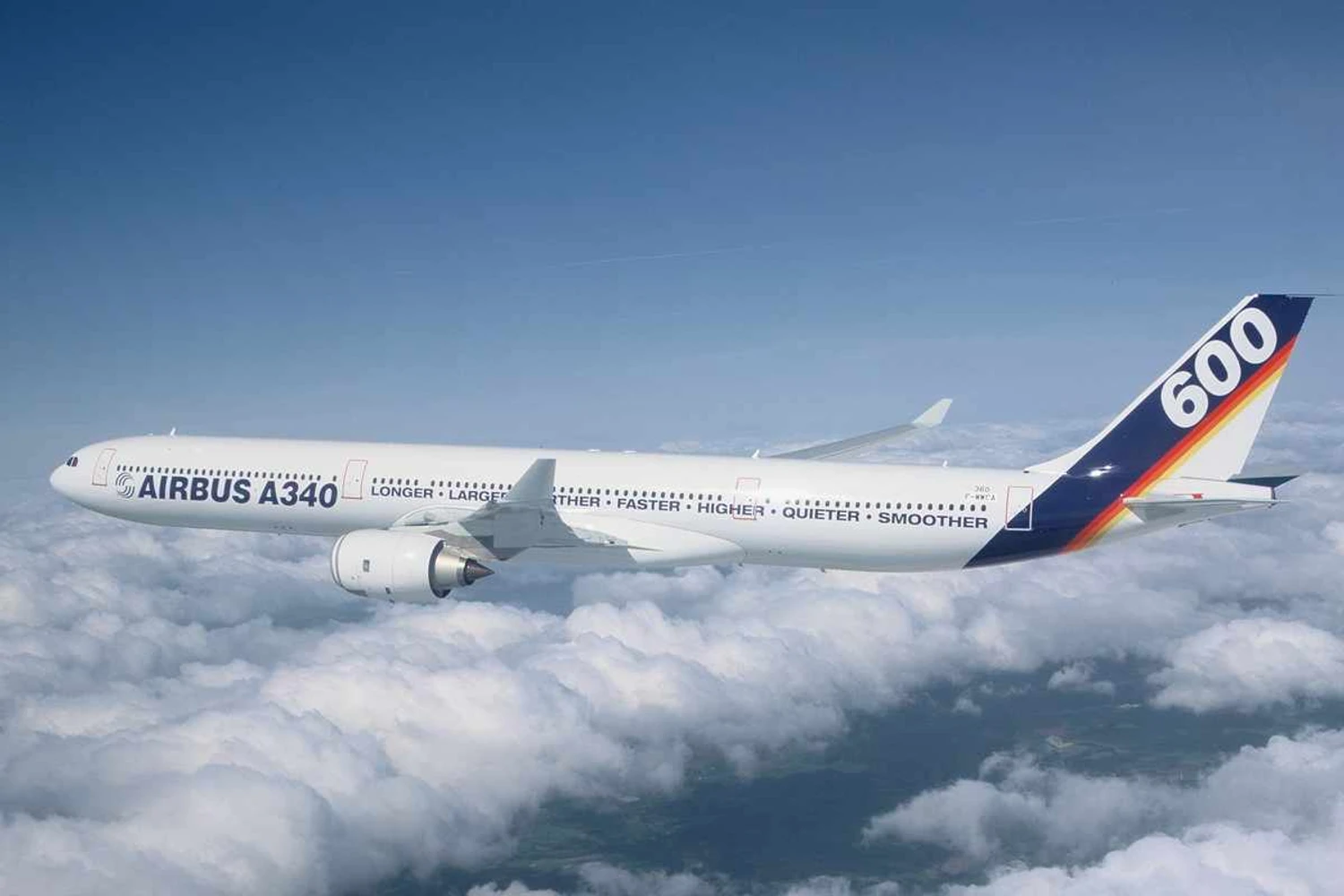
Lufthansa was one of the largest customers for the variant, receiving 24 A340-600s from 2003. That represented almost a quarter of the 97 aircraft Airbus delivered during the model's relatively short production run.
A bigger A340 arrives at the wrong time
The A340-500 and A340-600 were developed as substantially redesigned derivatives of the original A340-200 and -300. They received larger wings, more fuel capacity and Rolls-Royce Trent 500 engines, replacing the CFM56s used by the earlier versions.
The A340-500 targeted ultra-long-range services and entered commercial service in 2003. Its range allowed Singapore Airlines to operate nonstop flights from Singapore to Los Angeles and Newark, among the longest passenger services in the world at the time.
The A340-600 pursued a different market. Its stretched fuselage offered considerably more capacity and positioned the aircraft against large long-haul jets such as the Boeing 747-400 and, increasingly, the 777-300ER. At 75.3 meters (247 ft), it was the world's longest passenger aircraft until the arrival of the Boeing 747-8.
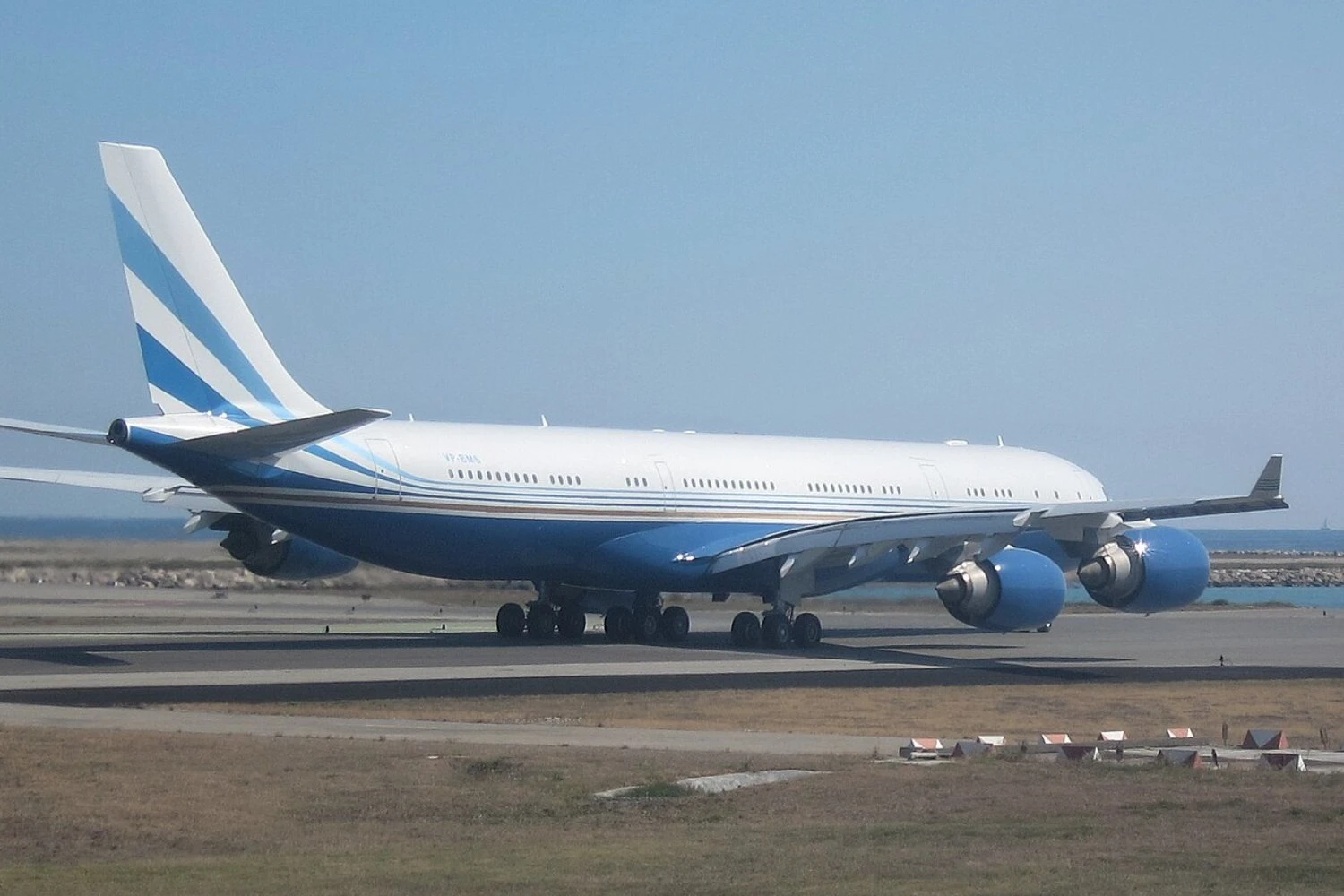
But the two variants entered service just as the economics of long-haul flying were shifting decisively toward twin-engine aircraft. Increasing ETOPS capabilities allowed two-engine jets to operate a growing number of routes once dominated by four-engine aircraft.
The Boeing 777 became a particularly formidable competitor. The 777-300ER combined high capacity and long range with two engines, and went on to achieve sales far beyond those of the A340-600.
Airbus also faced competition from within its own product line. The A330 shared its origins and much of its architecture with the A340 but used two engines. It became one of Airbus' most successful widebody families and continued evolving long after A340 production ended.
Only 34 A340-500s and 97 A340-600s were delivered. Combined production of the two later variants therefore reached just 131 aircraft, while the entire A340 family totaled 377 deliveries.
Few A340-600s remain in commercial service
Lufthansa's departure will further reduce an already small group of commercial A340-600 operators.
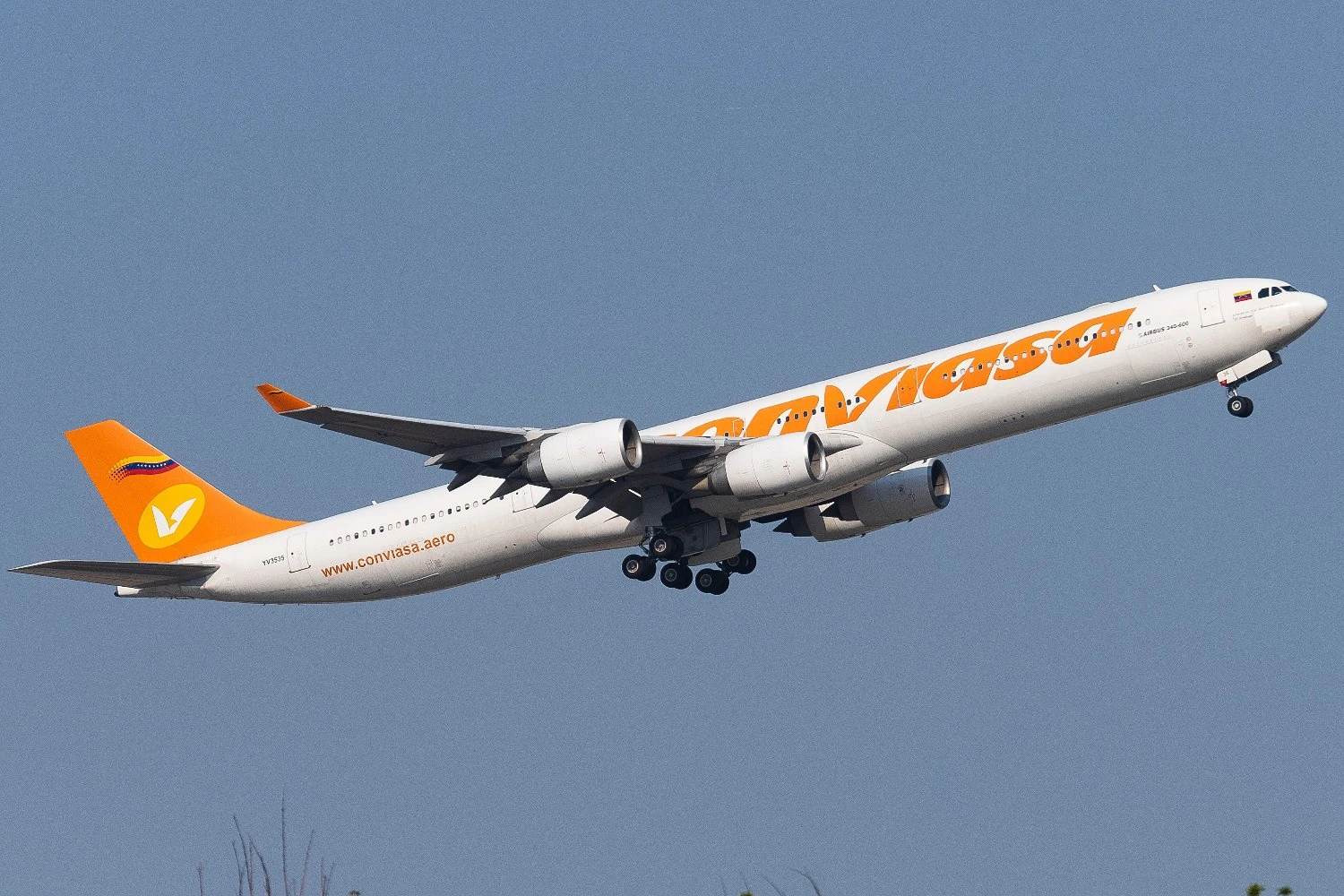
Iran's Mahan Air remains one of the most visible users, with the type operating long-haul services from Tehran, including routes to Asian destinations. Venezuela's Conviasa also continues to use A340-600s on long-distance services, while Germany's Universal Sky Carrier operates the type in the charter and ACMI market.
Additional A340-600s survive in private, VIP and government operations, but regular airline use has become increasingly uncommon.
The A340-500 has already gone further down that path. The ultra-long-range variant no longer has a significant scheduled passenger operation, with surviving aircraft largely confined to government, VIP and other specialized roles.
Lufthansa's final A340-600 flight will therefore remove one of the type's original major customers from a commercial fleet that has shrunk to a small fraction of the 97 aircraft Airbus built.