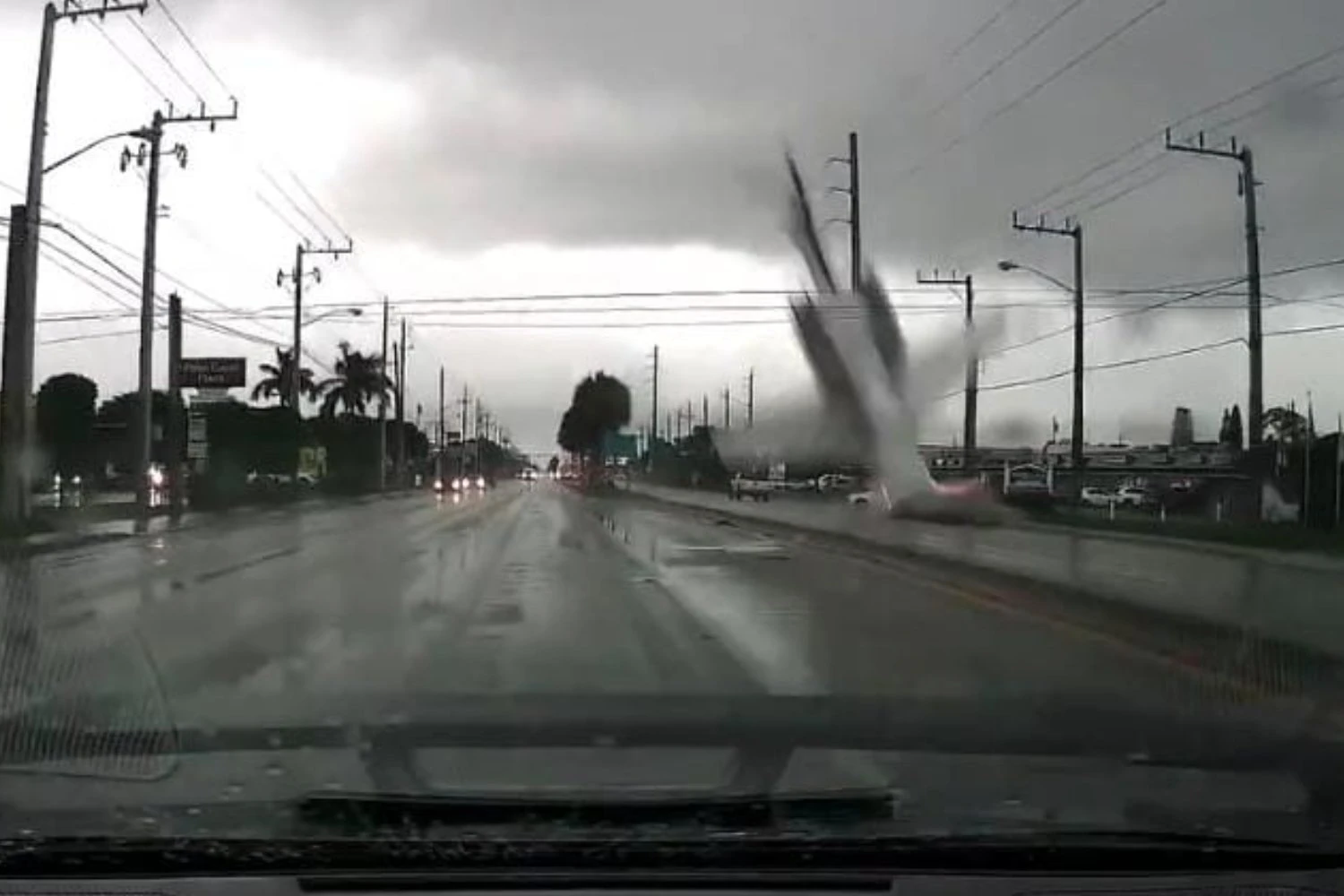
Investigators have recovered most of the left elevator from the Learjet 60 that crashed in Florida on November 1, confirming that at least part of the business jet’s tail separated before it struck the ground.
The National Transportation Safety Board (NTSB) said the elevator was found in three pieces between 1.3 and 3.8 mi (2.1 and 6.1 km) from the impact site in Greenacres, near West Palm Beach.
Follow Air Data News: WhatsApp | Instagram | LinkedIn | Twitter | Facebook
The discovery adds an important piece of evidence to an accident in which the Learjet entered an extremely rapid descent from around 35,000 ft before hitting the ground. All nine people on board were killed.
However, investigators are not saying that the loss of the elevator caused the initial loss of control.
“We don’t know yet” whether the component separated because of the forces acting on the aircraft or contributed to the loss of control, NTSB member Tom Chapman said during a briefing on Tuesday.
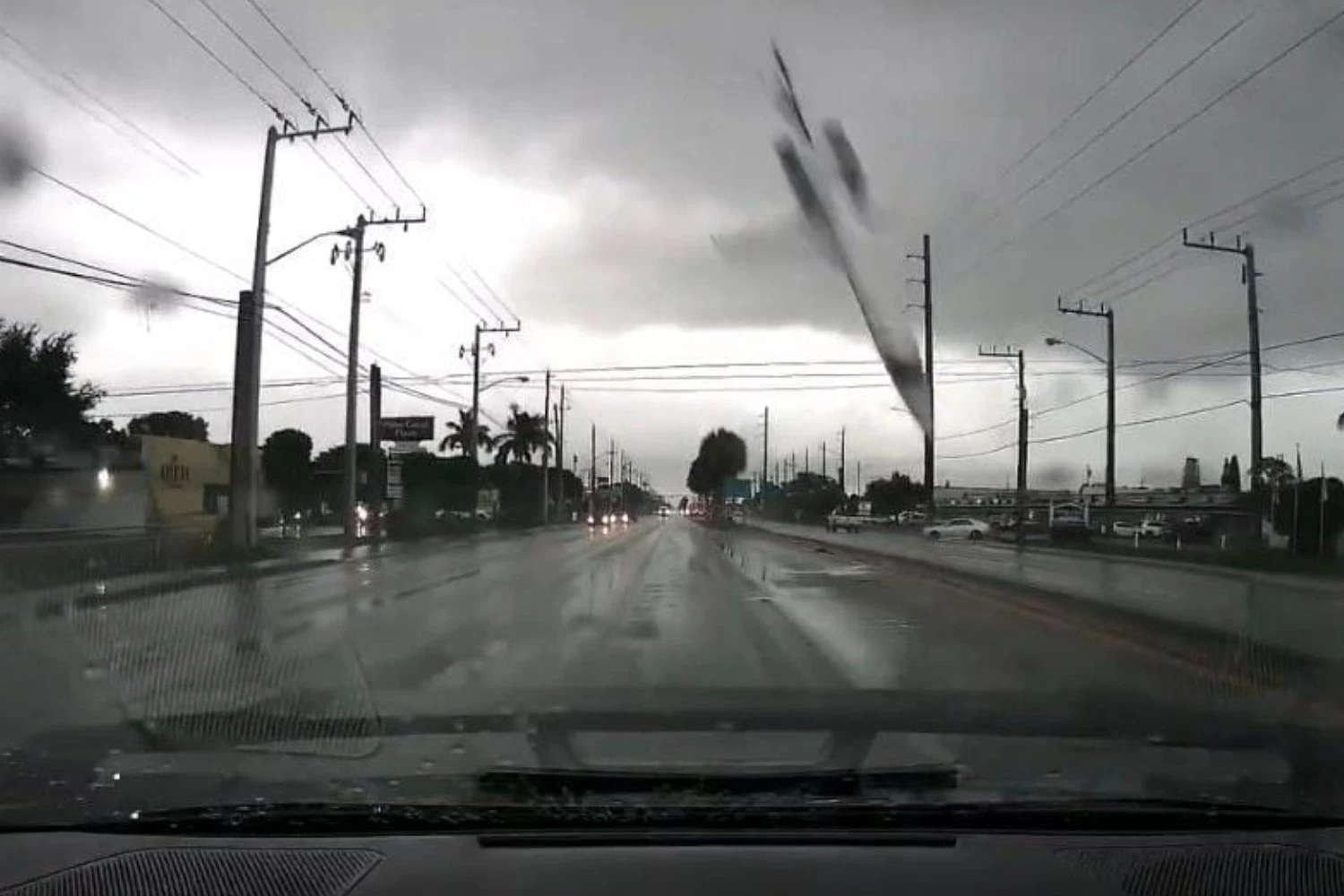
Tail appears incomplete before impact
The elevator is the movable control surface attached to the horizontal stabilizer and is used to control the aircraft in pitch. Losing a significant portion of it would severely affect the ability to control the nose of the aircraft.
Chapman said that without the elevator intact, the pilots would not have been able to recover the Learjet from its dive. He also cautioned that, given the speed of the aircraft, it is not clear whether the elevator would have remained effective even if it had still been attached.
Related news
November 01, 2026
September 14, 2026
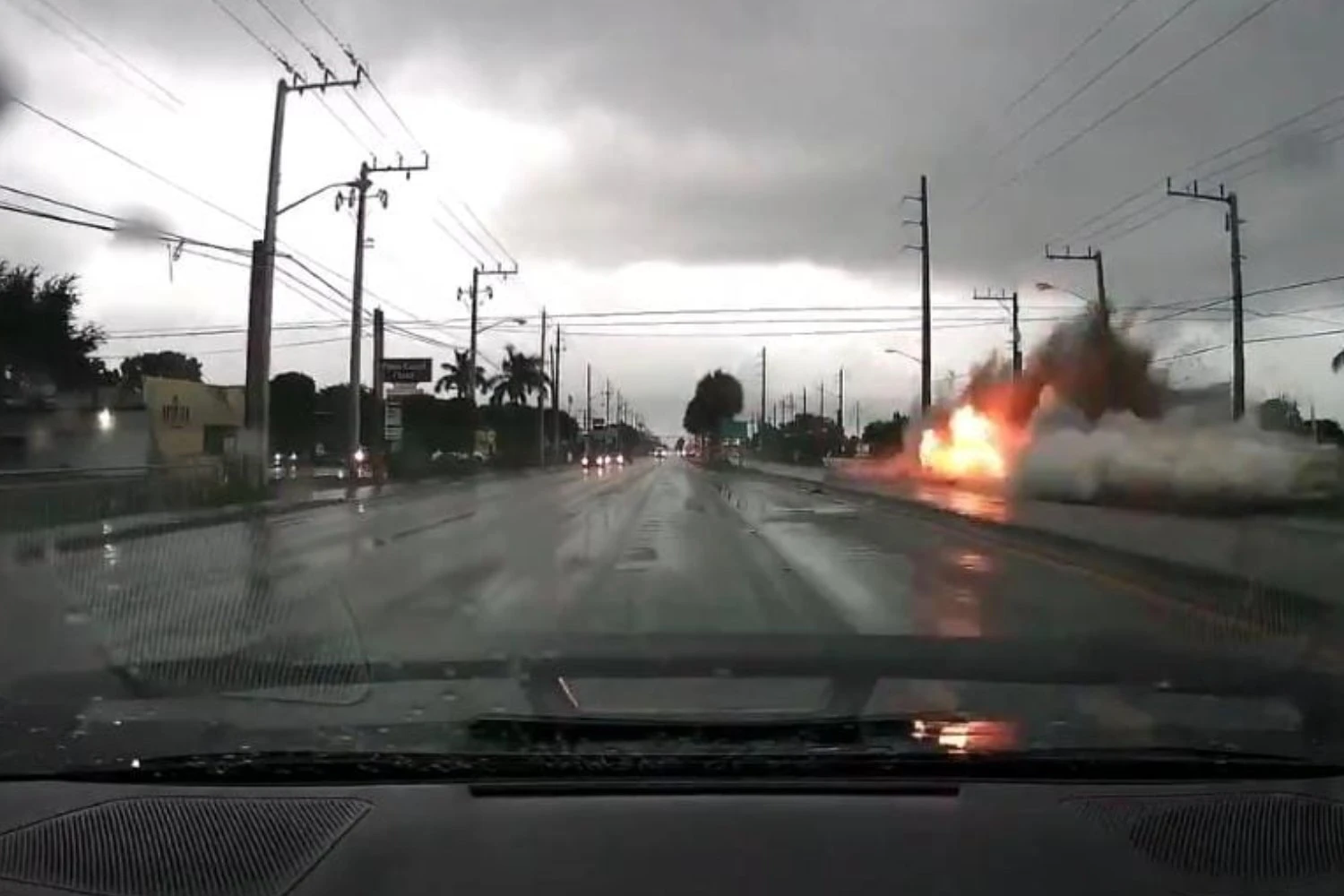
Videos of the final seconds provide another potentially significant clue. Freeze frames recorded by a vehicle dashcam appear to show the Learjet descending with its wings, fuselage and vertical tail still recognizable, but with the horizontal stabilizer apparently missing from the top of its T-tail.
The NTSB has not said that the horizontal stabilizer itself has been recovered away from the main wreckage. The components identified so far are pieces comprising most of the left elevator.
https://x.com/airwayaviation/status/2116997232704802962
That distinction is important because investigators still have to determine when the components separated and whether the event was part of the accident sequence rather than its origin.
Separation may have occurred late in descent
The relatively short distance between the recovered elevator pieces and the crash site could indicate that they separated relatively late in the descent.
Former FAA accident investigator Jeff Guzzetti told the Associated Press that he believes the separation was probably a consequence of the high-speed dive rather than its cause. According to Guzzetti, components lost at cruise altitude would likely have landed much farther from the impact site.
Another possibility involves the aircraft’s trajectory during the descent. Former NTSB member John Goglia noted that flight tracking data appear to show the Learjet briefly leveling at around 8,000 ft (2,440 m) for approximately eight seconds.
Goglia believes a strong pull-up during that moment could have imposed enough load on the tail to cause structural failure. That remains an expert hypothesis rather than a finding by investigators.
Weather remains central to investigation
The sequence that sent the Learjet into the dive remains unexplained.
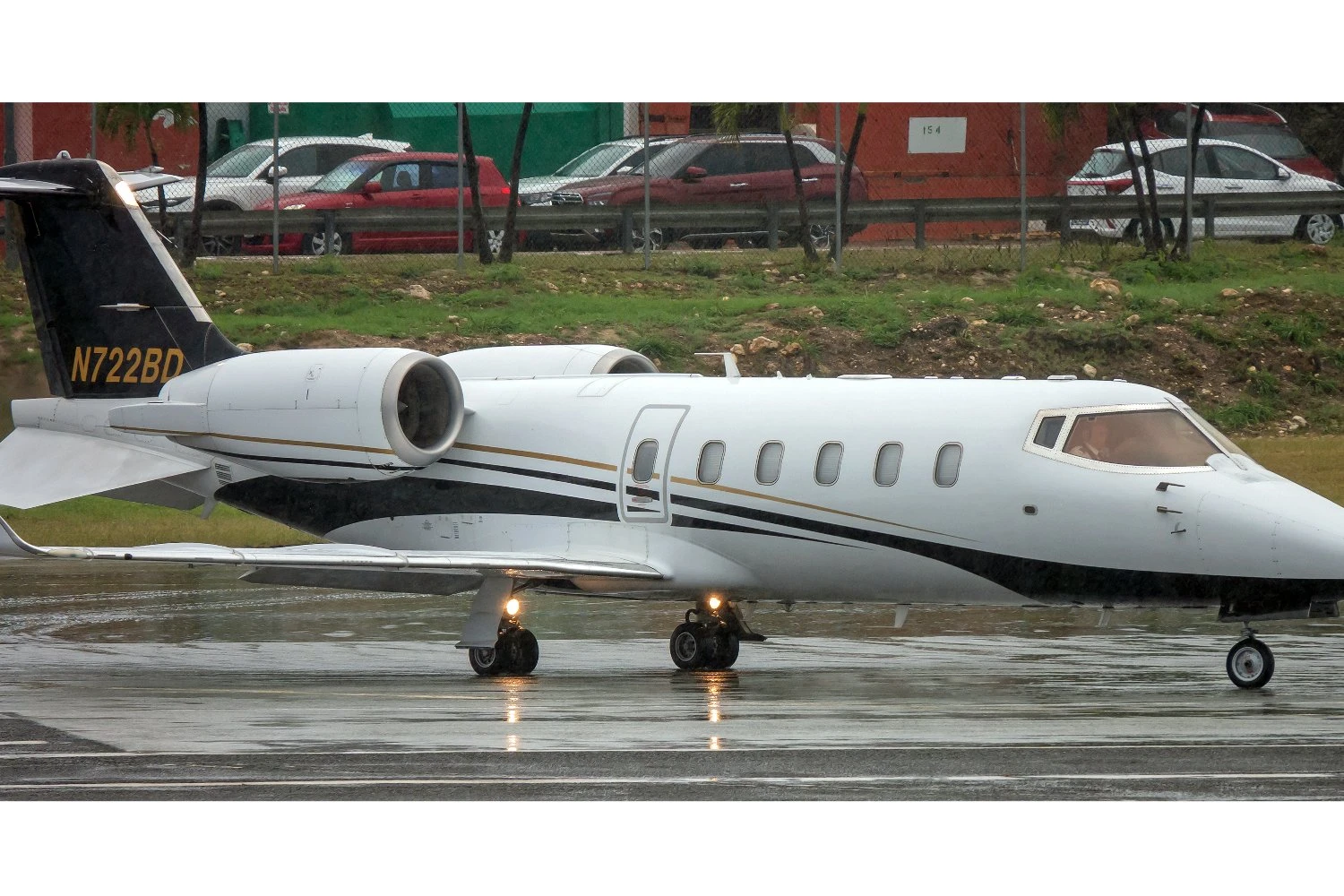
The aircraft, registered N722BD, was flying from Austin, Texas, to North Eleuthera in the Bahamas when its crew encountered deteriorating weather over Florida.
Shortly before losing control, the pilots reported ice accumulation and significant turbulence. The crew requested a climb to 37,000 ft, but less than 30 seconds later reported that the aircraft was descending and subsequently declared an emergency.
During the descent, the crew reported an overspeed condition. Tracking data showed the Learjet losing tens of thousands of feet within about a minute, with its descent rate reaching at least 20,000 ft/min.
The NTSB has identified weather as one of the major areas of the investigation. Investigators will examine the thunderstorms in the area, icing conditions, the aircraft’s systems and the structural evidence recovered along the flight path.
The Learjet hit the ground at high speed and opened a large crater, complicating recovery of the remaining wreckage. Investigators are also seeking the cockpit voice recorder and other components that could help reconstruct why the aircraft initially entered the dive.