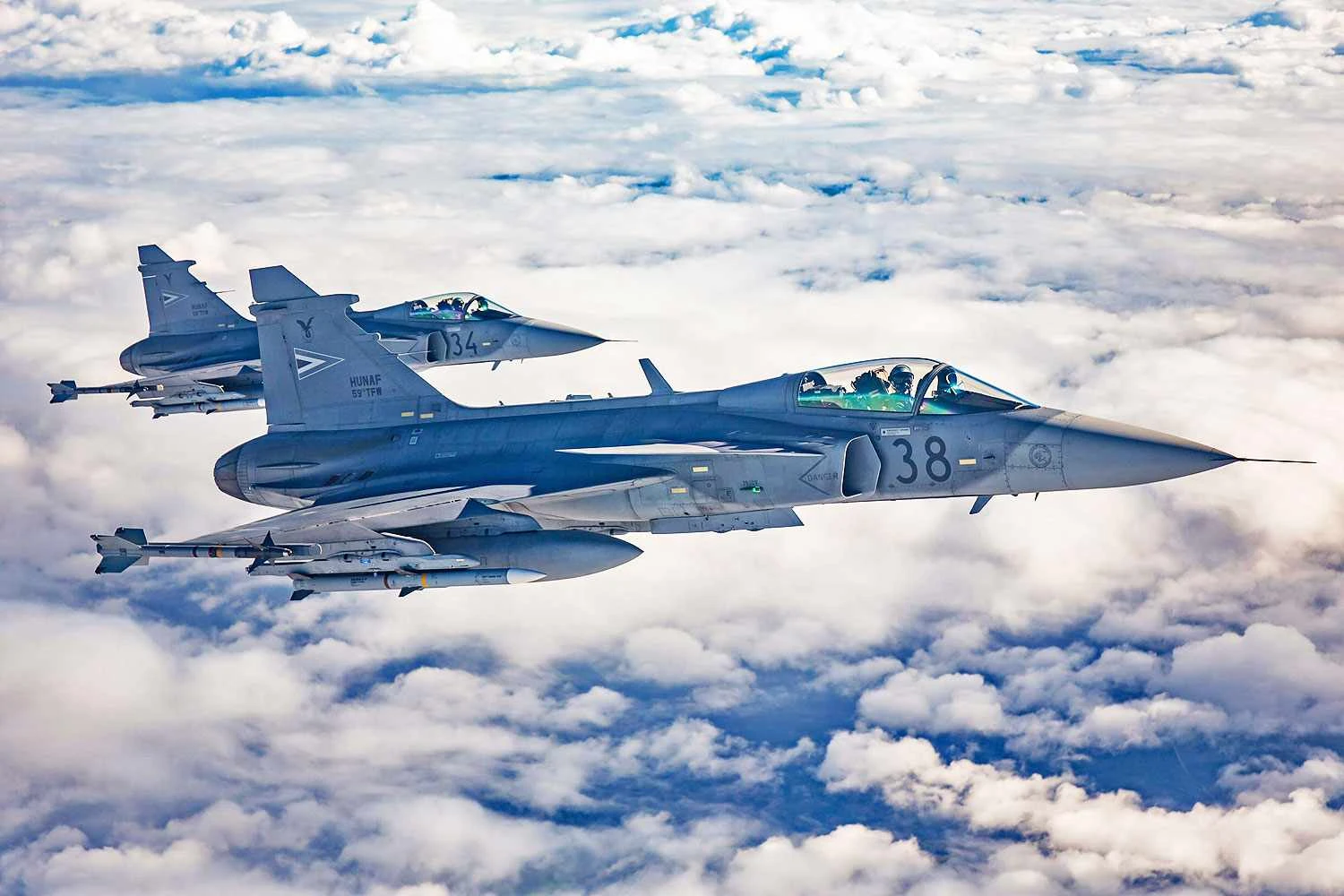
Hungary scrambled two Saab JAS 39 Gripen fighters on August 29 after a stolen Cessna 172 took off without authorization and flew toward the country's Paks nuclear power plant, triggering a military response before the light aircraft made a forced landing.
The incident began at Kalocsa airfield in southern Hungary, where a 24-year-old man allegedly took the Cessna without permission and managed to get it airborne. Hungarian authorities later said the man was intoxicated.
Follow Air Data News: WhatsApp | Instagram | LinkedIn | Twitter | Facebook
Hungarian military radar detected the aircraft after takeoff and the country's quick reaction alert pair was ordered into the air, according to Defense Minister Romulusz Ruszin-Szendi.
The Cessna was flying in the direction of Paks, about 60 miles (100 km) south of Budapest, where Hungary's only operating nuclear power plant is located.
The facility is surrounded by permanently prohibited airspace. Civil aircraft are generally barred from a 1.9-mile (3-km) radius around the plant, making an unidentified aircraft approaching the area a potential security threat.
Authorities have not said, however, that the Cessna actually entered the prohibited zone around the nuclear facility.
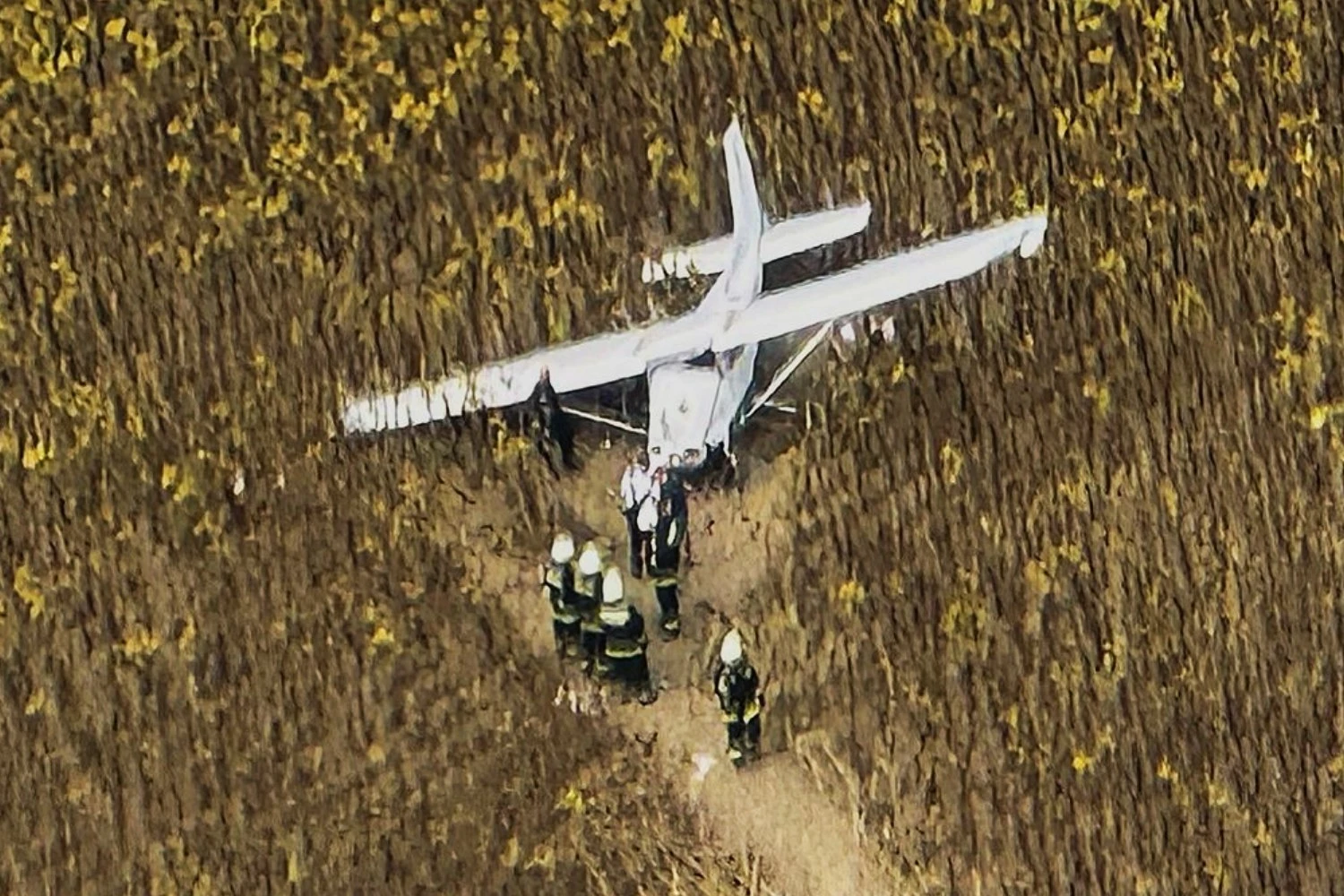
Before the Gripens could reach the aircraft, the Cessna made a forced landing near Gerjen, a village close to Paks. Images released by Hungarian authorities show the aircraft damaged in an agricultural field after its landing gear collapsed.
The Gripens arrived after the Cessna was already on the ground and circled the area until a rescue helicopter and ground units reached the site. There is therefore no indication that the fighters intercepted the aircraft or forced it to land.
Pilot detained after landing
The circumstances surrounding the unauthorized flight remain under investigation. Hungarian police said the 24-year-old man had removed restraints securing the aircraft at Kalocsa and took off without authorization. After the forced landing, he left the Cessna and was subsequently found walking along a nearby road.
According to police accounts reported by Hungarian media, a motorist stopped to assist him, but the man then attempted to take the vehicle before being prevented from leaving.
Police detained him shortly afterward. Authorities said he was intoxicated and opened proceedings over the unauthorized taking of a vehicle and other suspected offenses.
The incident has also prompted scrutiny of security at smaller Hungarian airfields. Police and aviation authorities are examining the circumstances that allowed the Cessna to be taken and have indicated that inspections could be conducted at other airfields.
Sensitive airspace
The rapid military response also has a wider security context. Hungary shares a roughly 85-mile (137-km) border with Ukraine and, as a NATO member on the alliance's eastern flank, has maintained heightened air surveillance since Russia's full-scale invasion began in 2022.
Hungary itself has not experienced the repeated Russian drone incursions recorded in neighboring Romania or the large-scale penetration of Polish airspace by Russian drones in September 2025. Romania has recorded numerous incursions and discoveries of drone debris since 2022, particularly during Russian attacks against Ukrainian ports on the Danube, while Poland has also scrambled fighters repeatedly in response to Russian missile and drone attacks near its territory.
Recent news

September 21, 2026
September 21, 2026
September 21, 2026
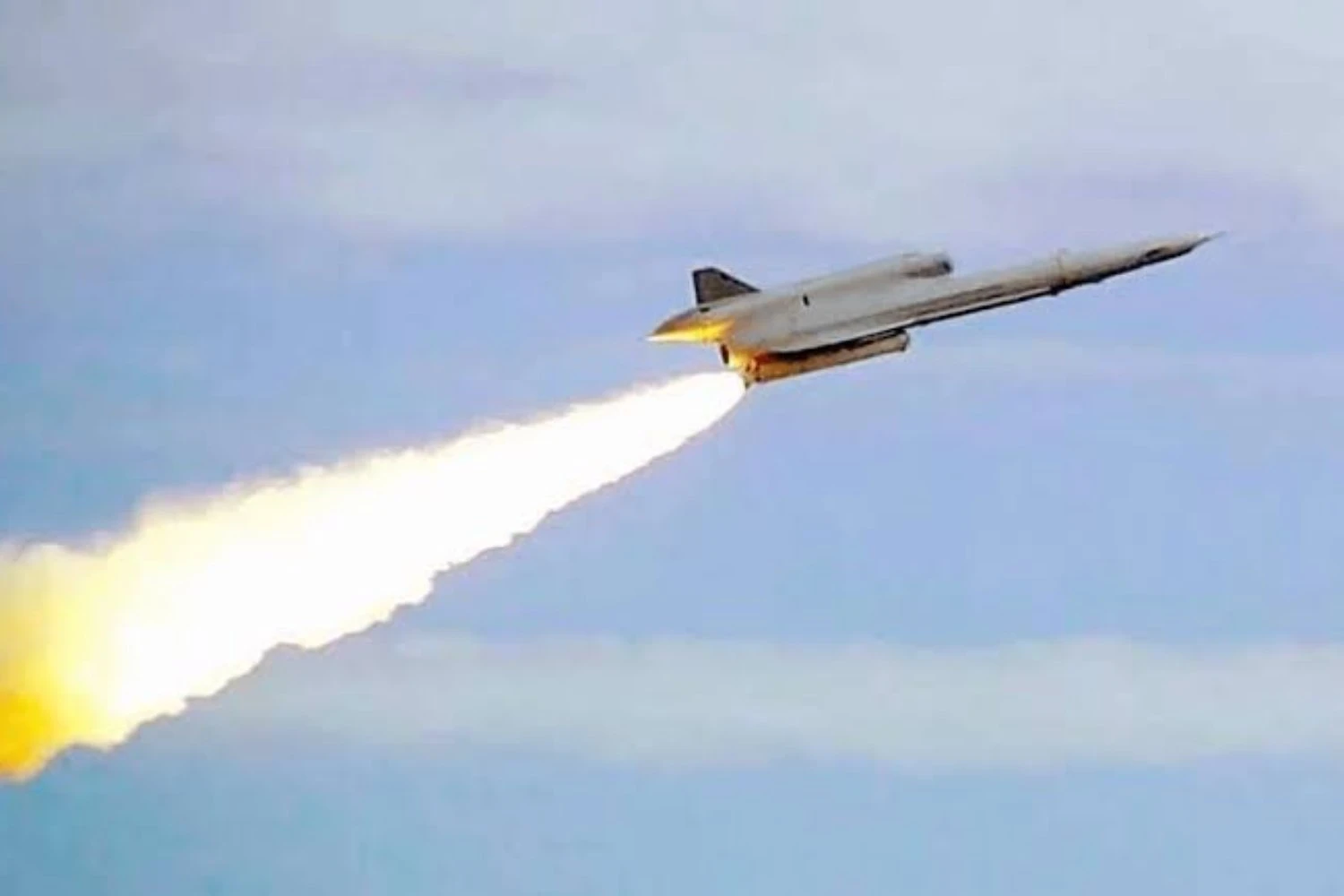
Hungary nevertheless experienced an unusual spillover incident only weeks after the beginning of the war. On March 10, 2022, a Soviet-designed Tupolev Tu-141 reconnaissance drone entered Hungary after crossing Romania, remained in Hungarian airspace for about 40 minutes and continued into Croatia, where it crashed in Zagreb.
The episode raised questions at the time about the ability of regional air defenses to respond to an unidentified aircraft arriving from the direction of Ukraine.
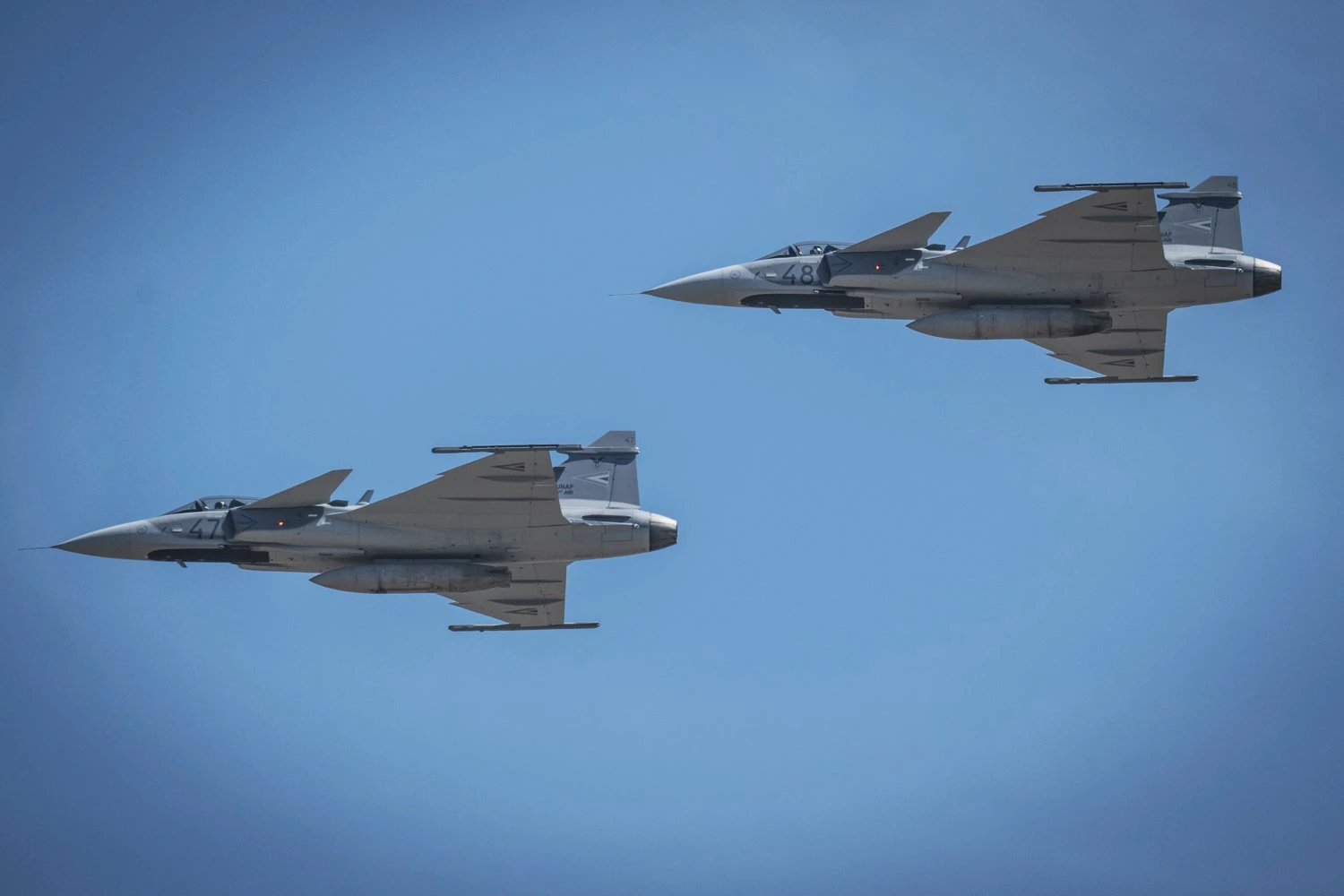
Hungarian Gripens have also routinely been scrambled for unidentified or non-compliant aircraft as part of national and NATO air-policing duties. Hungarian fighters deployed to Lithuania intercepted Russian military aircraft during the country's Baltic Air Policing rotation in 2025.
Second alert in two days
The Paks incident was the second alert involving Hungarian Gripens in two days. The Defense Ministry said fighters had also been launched on August 28 after a French-registered Piper PA-28 entered Hungarian airspace near Fertőszentmiklós without authorization. Hungarian authorities reported the airspace violation to the relevant agencies.
Neither event was connected to the war in Ukraine, but the consecutive alerts illustrate the range of situations handled by Hungary's quick reaction alert force, from conventional airspace violations to an unidentified aircraft approaching one of the country's most sensitive sites.
The August 29 scramble also came only five days after Hungary lost one of its Gripen C fighters in an accident at Szolnok.
Hungary expanded its Gripen fleet with four additional aircraft ordered from Sweden in 2024, taking the planned inventory from 14 to 18 Gripen C/Ds. The additional fighters were delivered in 2026.
The Cessna incident did not result in damage to the Paks facility, and no evidence released by Hungarian authorities indicates that the aircraft crossed directly over the nuclear plant.