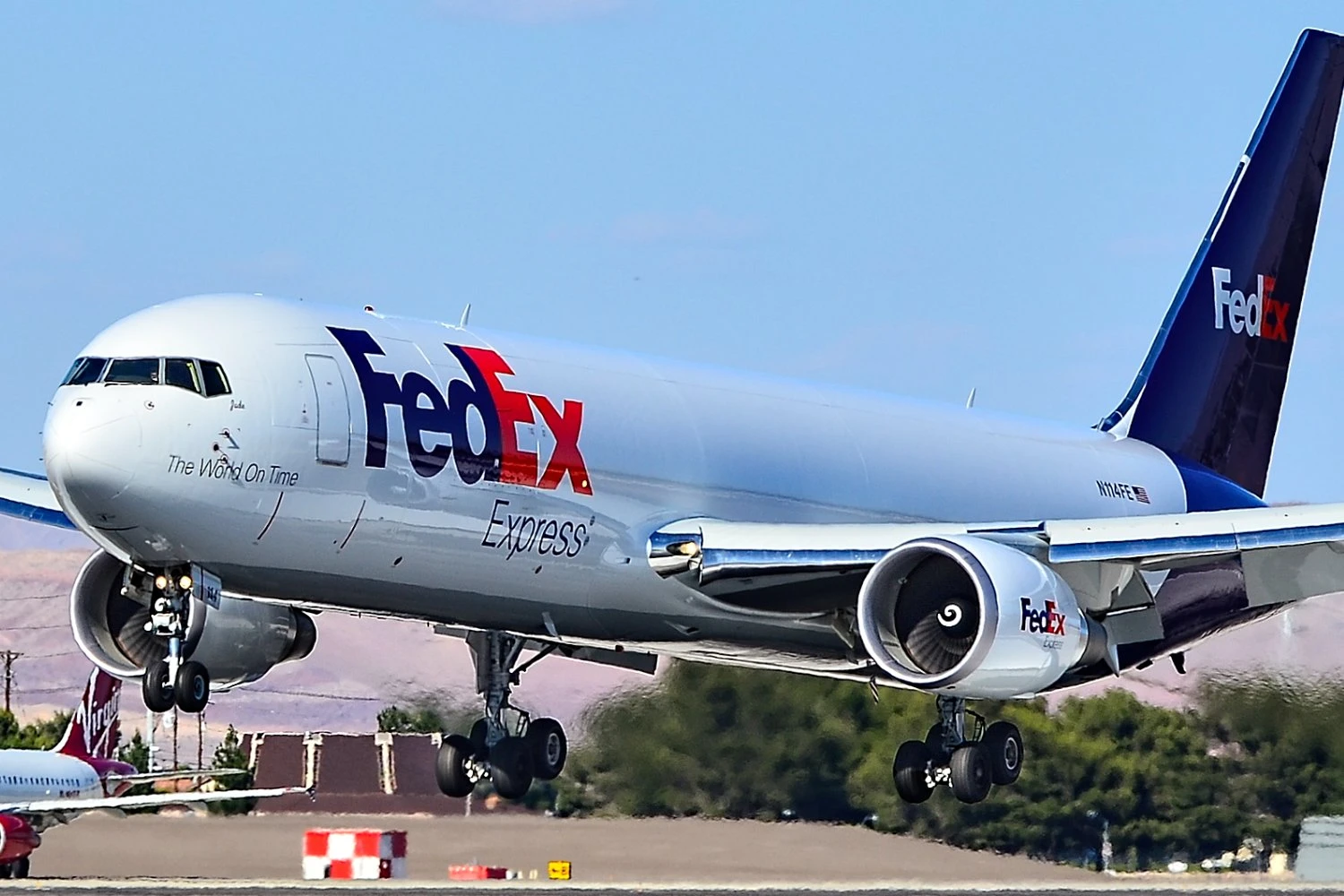
FedEx Express has taken delivery of its final Boeing 767-300F, bringing to a close a cargo fleet renewal program that helped make the US package carrier the largest operator of the freighter variant.
The aircraft, registered N244FE (MSN 67549), was delivered on May 28 following a ferry flight from Boeing's Everett production facility in Washington state to FedEx's Indianapolis hub.
Operating as flight FX9050, the twinjet departed Paine Field at 13:48 local time and landed in Indianapolis at 20:34 after a flight lasting approximately three hours and 46 minutes.
N244FE performed its first flight on May 8 and carried a special decal marking the milestone delivery. The aircraft becomes the 152nd and final 767-300F delivered to FedEx.
Related news

September 16, 2026
September 14, 2026
The delivery also marks the near end of Boeing's commercial 767 program. According to the manufacturer's April 2026 backlog data, N244FE was the last outstanding 767-300F destined for FedEx.
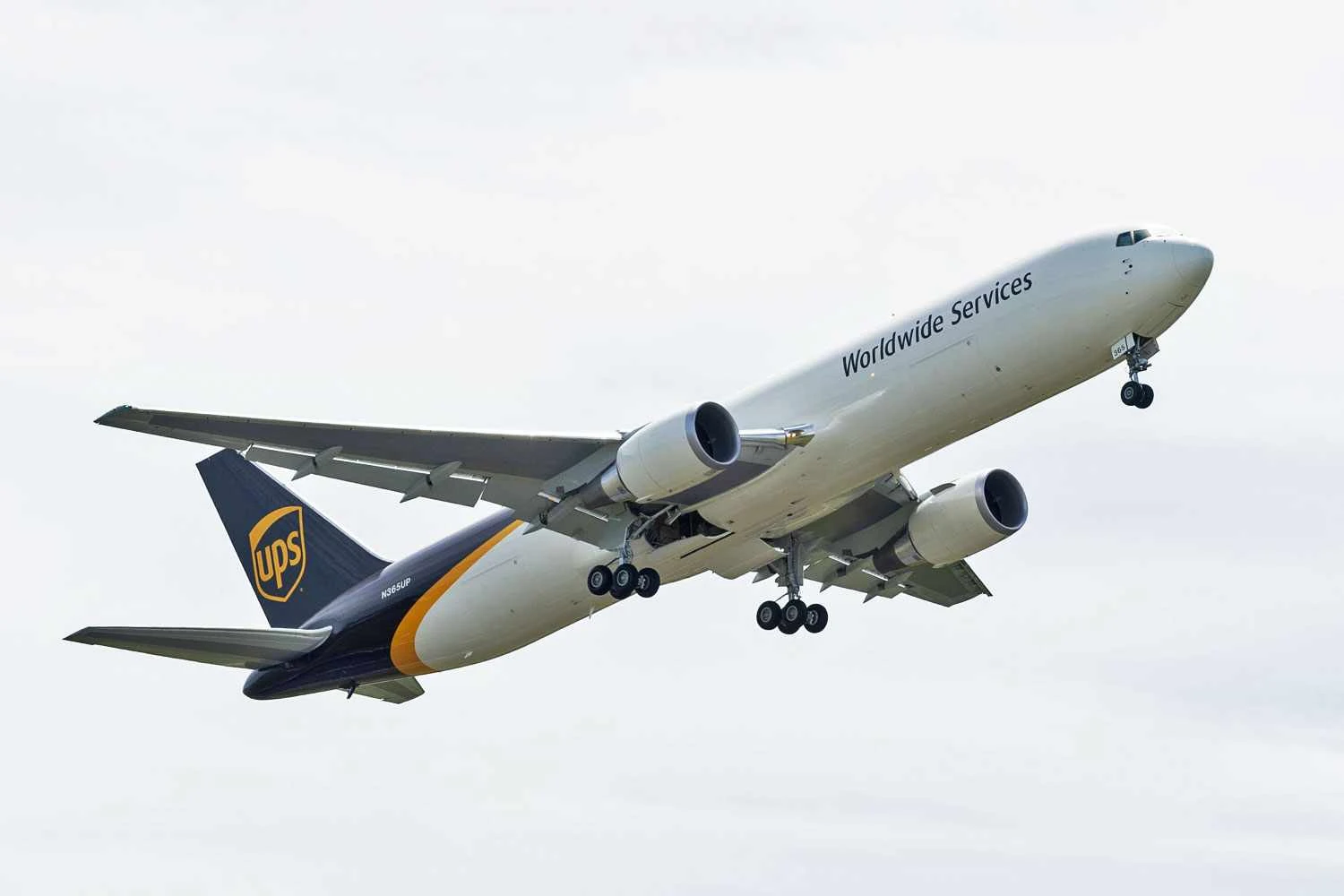
The remaining commercial orders consist primarily of freighters for UPS along with 767-2C aircraft that will be converted into KC-46A Pegasus aerial refueling tankers for the US Air Force and export customers.
FedEx began introducing the 767-300F in 2013 as a replacement for older Airbus A300 and McDonnell Douglas DC-10 freighters. The type has become a key component of the carrier's domestic and international cargo network thanks to its lower operating costs compared with larger widebody freighters.
Boeing plans to end commercial production of the 767 in 2027 after completing the remaining freighter backlog. Manufacturing will continue for the military KC-46A program, which is based on the 767-2C platform.
According to Boeing’s April 2026 backlog data, the delivery of N244FE leaves 89 aircraft remaining in the 767 order book. The total includes 15 commercial 767-300F freighters: seven for UPS and eight for an unidentified customer. The remaining 74 aircraft are 767-2C airframes, including 66 for the USAF Tanker Program, six for unidentified customers and two for Israel’s International Tanker Program.