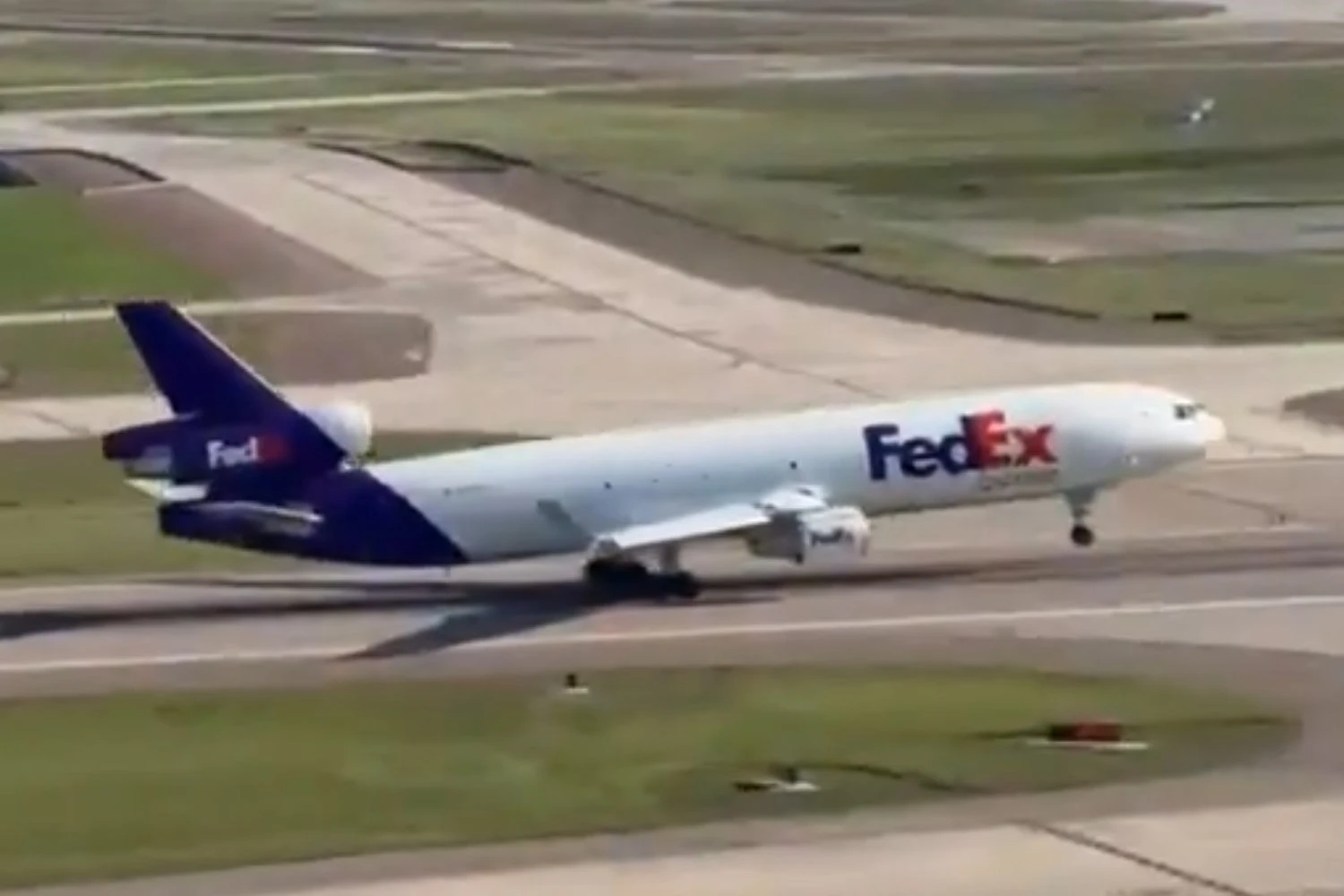
FedEx carried out the first flight involving an MD-11 freighter since the type was grounded in November 2025 following the fatal crash of a UPS cargo aircraft.
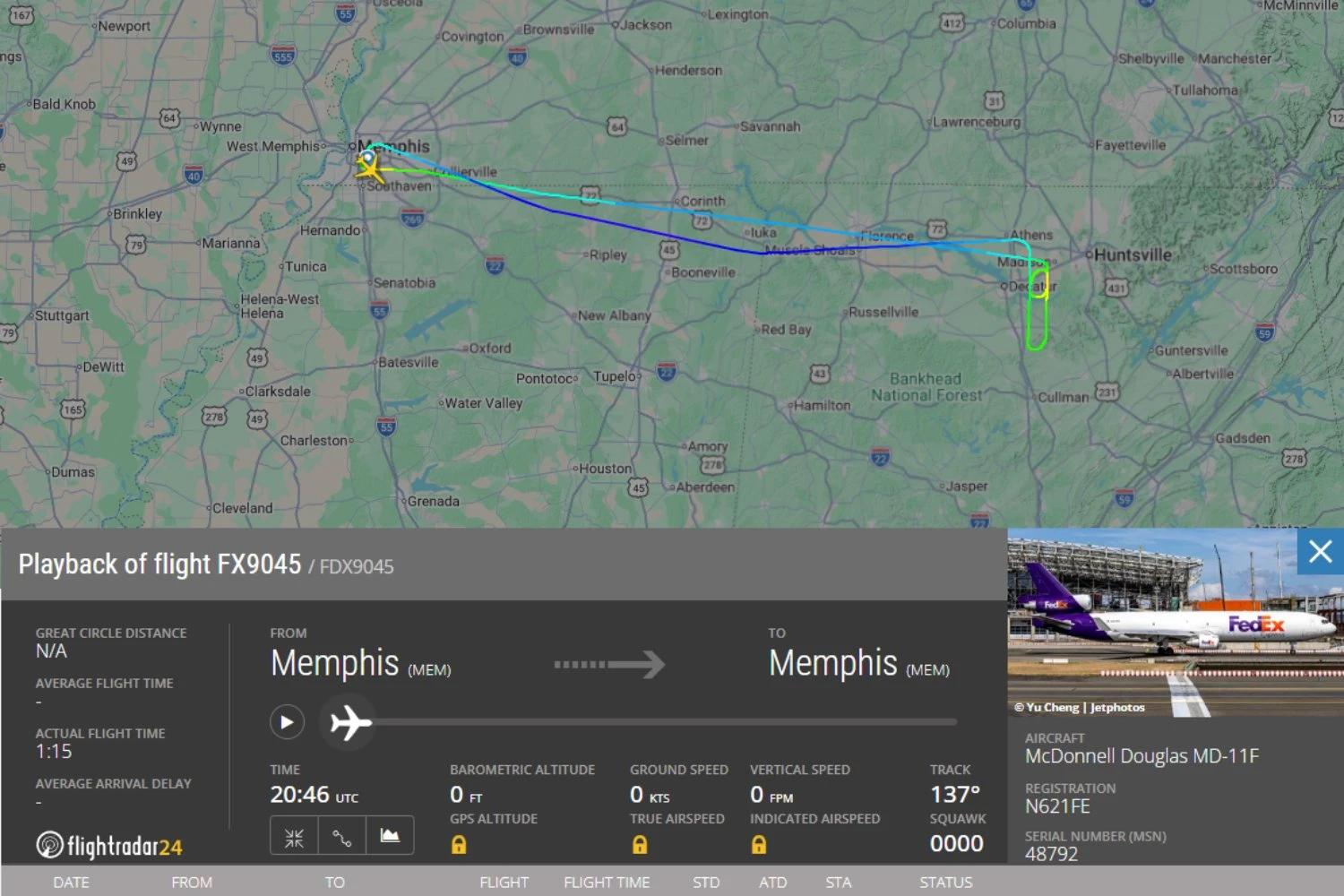
The test flight was performed on May 9 using aircraft N621FE, operating as flight FX9045 from Memphis. Flight tracking data shows the aircraft remained airborne for about 1h15 before returning to its departure airport.
A video circulating on social media captured the departure of the tri-jet from Memphis International Airport.
Related news
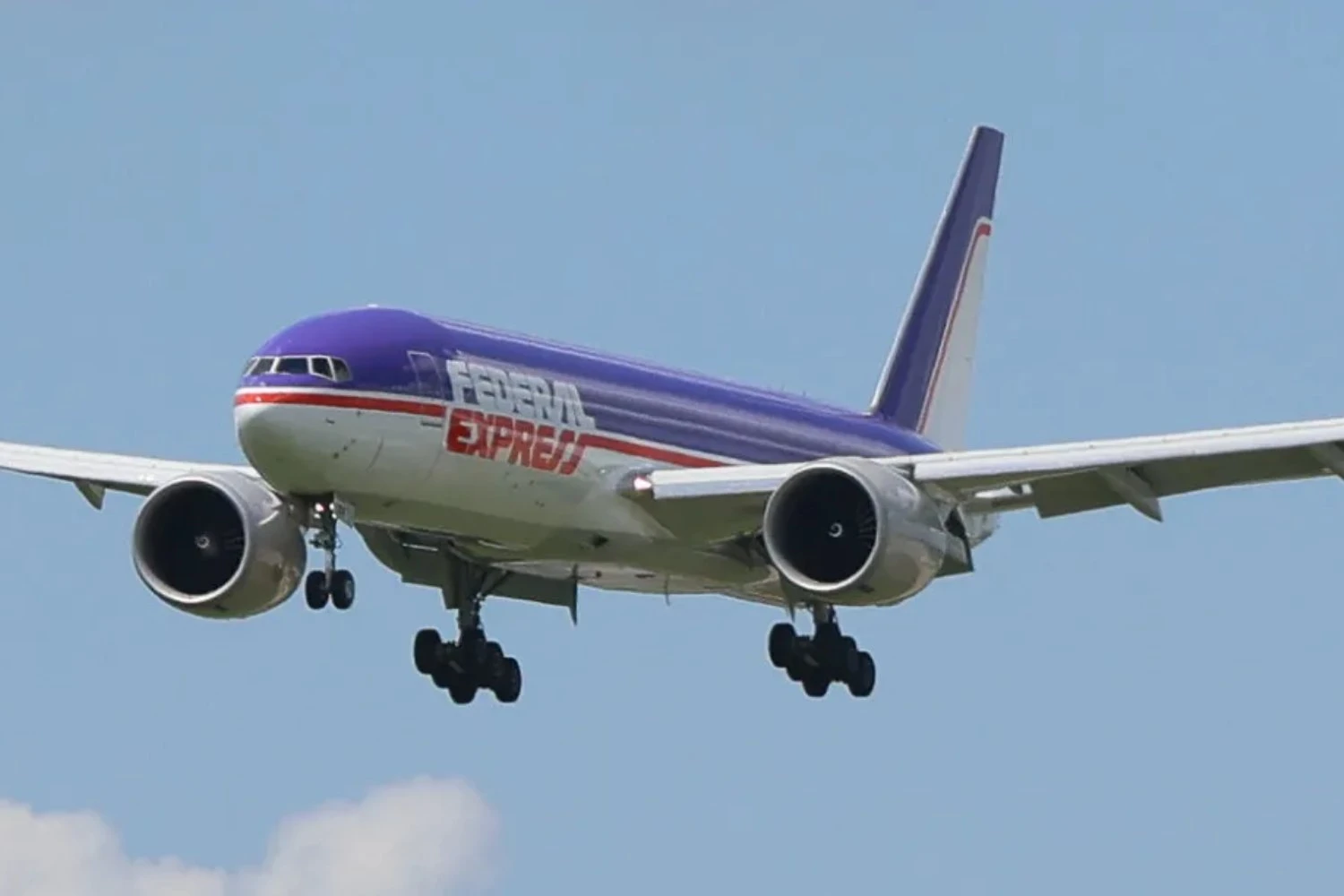

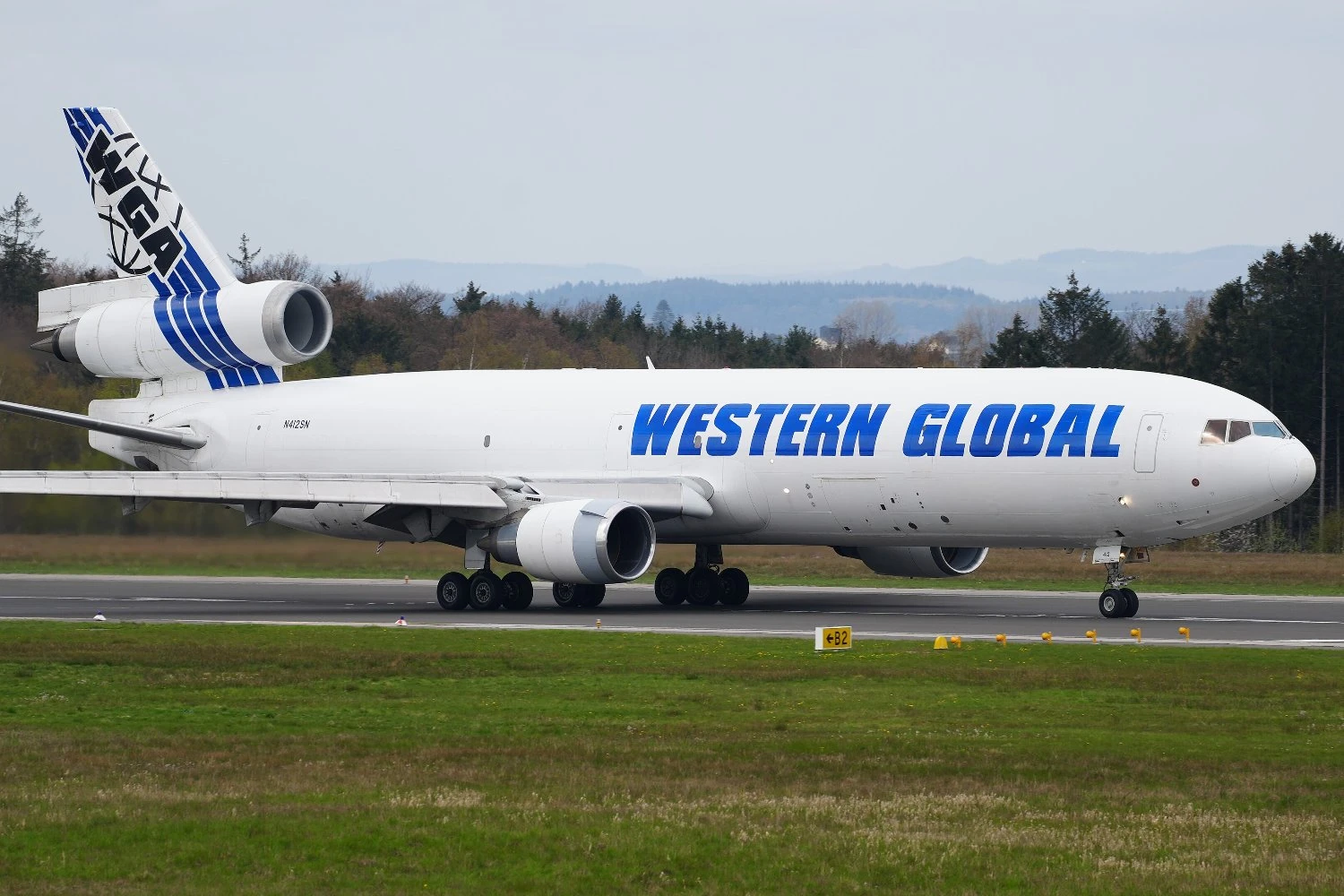
The flight is part of preparations for the return of the MD-11 to commercial operations after months of inspections, repairs and certification work involving FedEx, Boeing and the Federal Aviation Administration (FAA).
FedEx had suspended operations involving its 29 MD-11 freighters after a UPS MD-11 crashed shortly after takeoff from Louisville in November last year when an engine and pylon separated from the wing.
https://x.com/Turbinetraveler/status/2053347679774650688
Investigators focused on fatigue cracks affecting structural components linked to the engine attachment system.
Since then, Boeing developed a redesign for critical pylon components, including modifications intended to reduce stress concentrations in the bearing assembly.
FedEx also introduced new inspection procedures involving ultrasonic and eddy current testing, while maintenance intervals for the affected parts were significantly shortened.
Additional test flights are expected before the FAA authorizes the aircraft’s return to regular cargo operations. FedEx previously indicated that the first revenue flights after recertification are expected to operate between Memphis and Miami.
The carrier plans to restore about 24 MD-11 freighters to active service while retaining the remaining aircraft as reserve capacity for peak shipping periods.
FedEx previously extended the MD-11 retirement timeline from 2028 to 2032 because of demand for high-capacity long-haul cargo aircraft.