 Air Transport
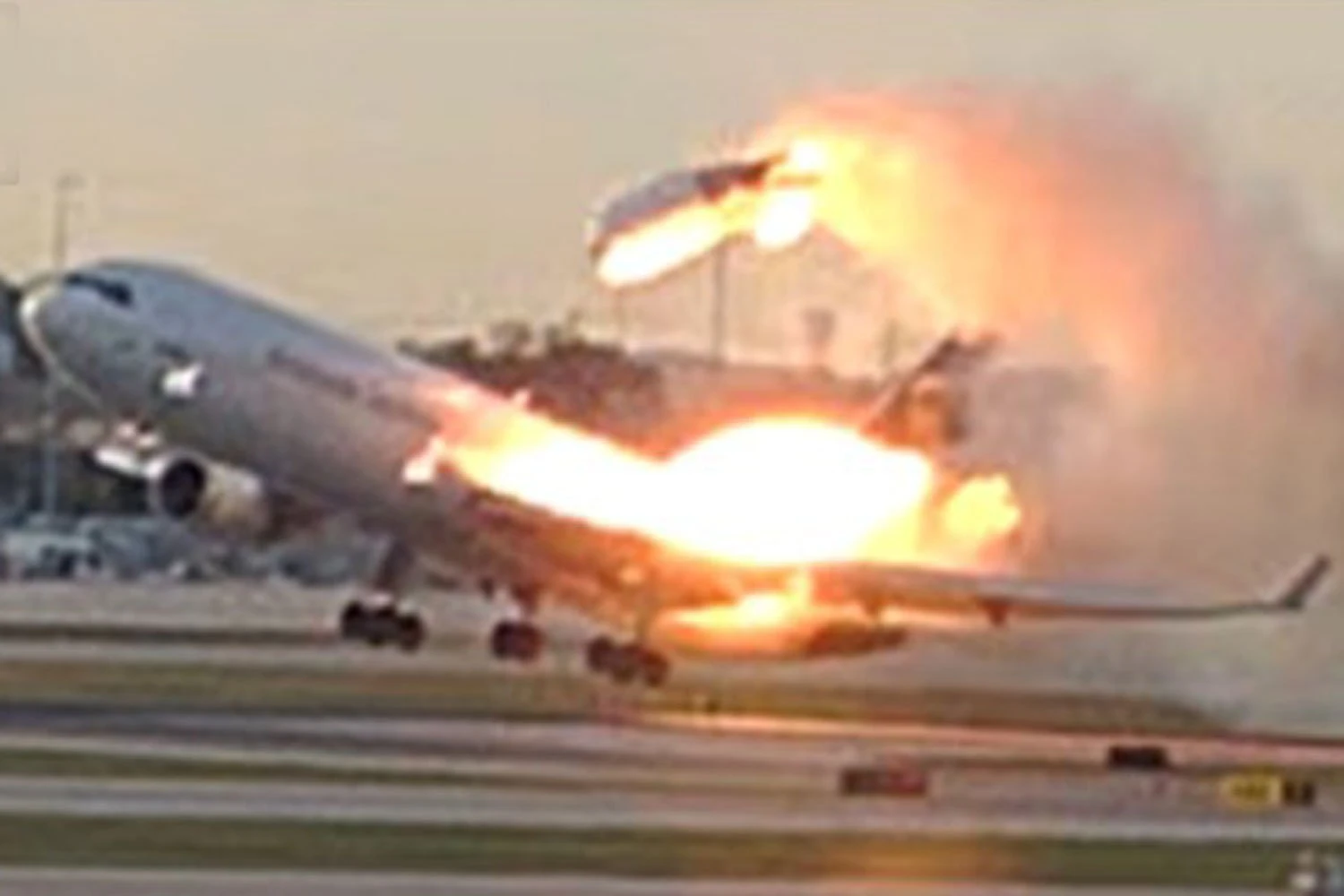
The crash of a UPS-operated McDonnell Douglas MD-11 freighter in November 2025 may have effectively brought an end to the aircraft’s operational life, accelerating the phase-out of one of the last remaining three-engine widebodies still in service.
The accident, which occurred during takeoff in Louisville, Kentucky, killed three crew members and 12 people on the ground after an engine separation led to a catastrophic impact. In the days that followed, Boeing — which supports the MD-11 — recommended grounding the fleet, and the aircraft has largely remained out of service since.
A report by The Seattle Times points to the incident as a potential turning point for the type, which was already nearing retirement. The U.S. National Transportation Safety Board continues to investigate the crash, and regulators have yet to define what would be required for the aircraft to return to service.
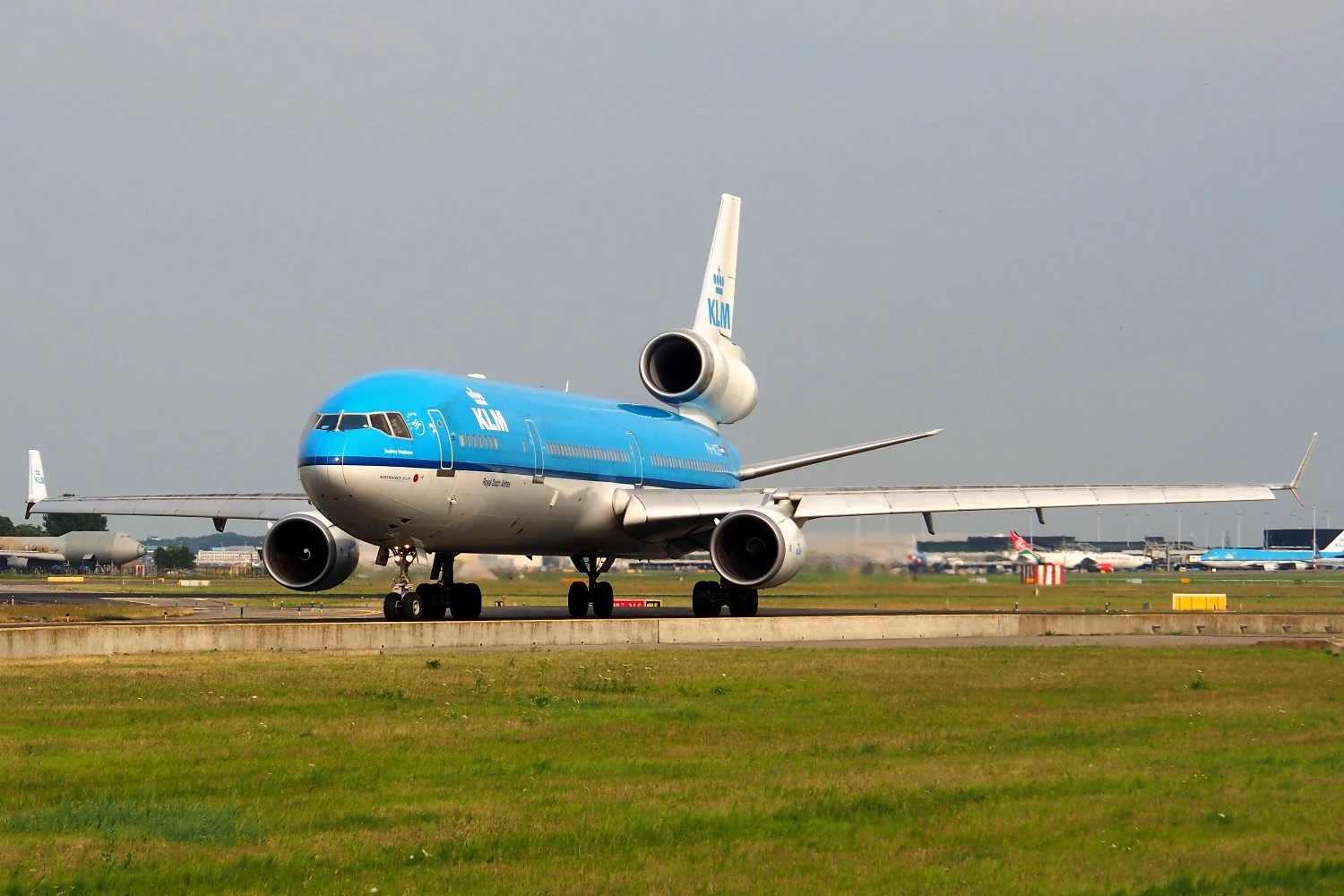
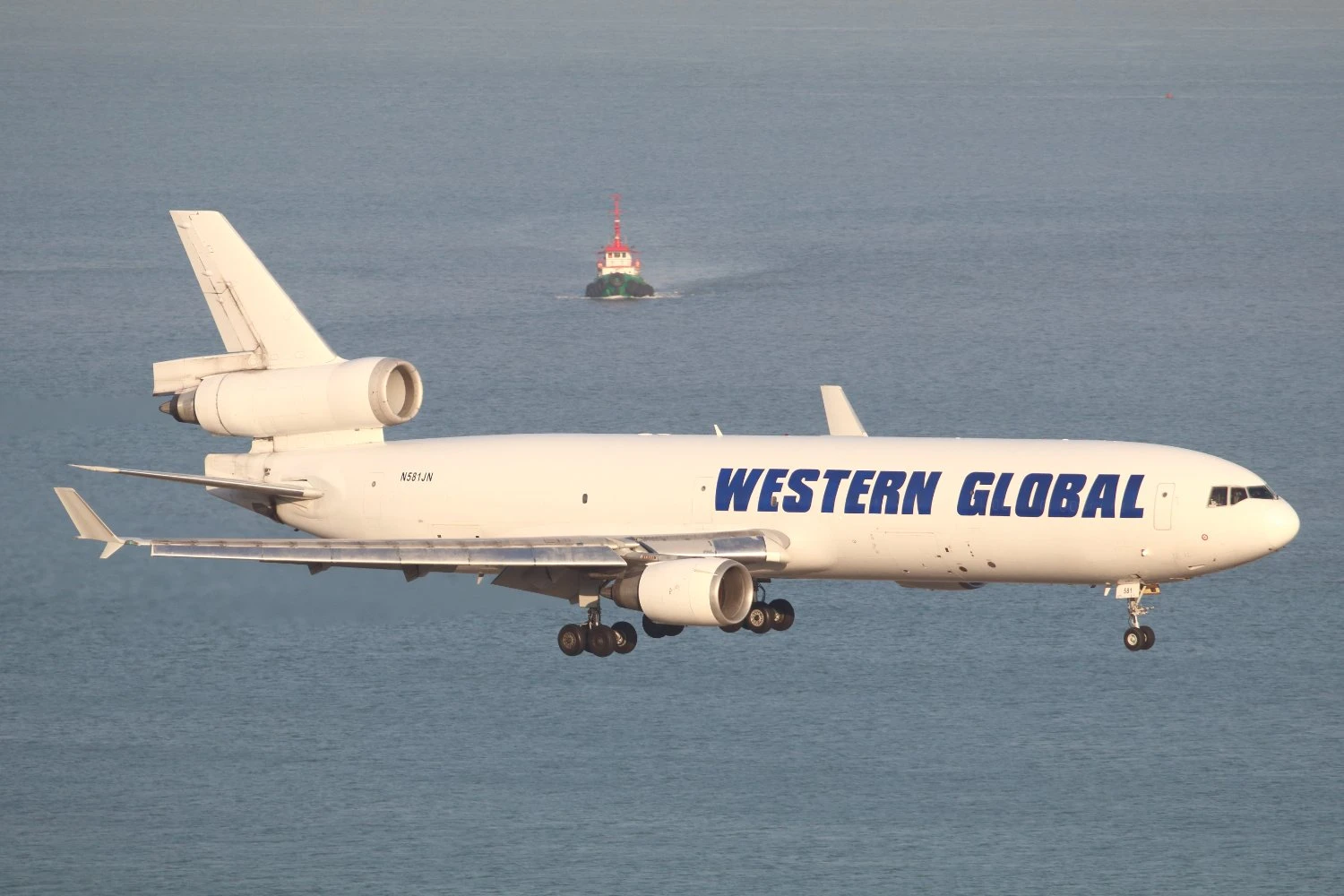
The MD-11’s future was already uncertain before the accident. UPS retired its fleet of 27 aircraft at the end of 2025, while FedEx — the largest remaining operator — has indicated it hopes to resume flights. Western Global Airlines, the only other major user, has not disclosed its plans.
Industry specialists cited by The Seattle Times note that the aircraft’s age, fuel burn and potential repair costs may make a return economically unviable. Newer twin-engine freighters offer lower operating costs and have gradually replaced older three-engine designs in long-haul cargo operations.
Angled assembly line
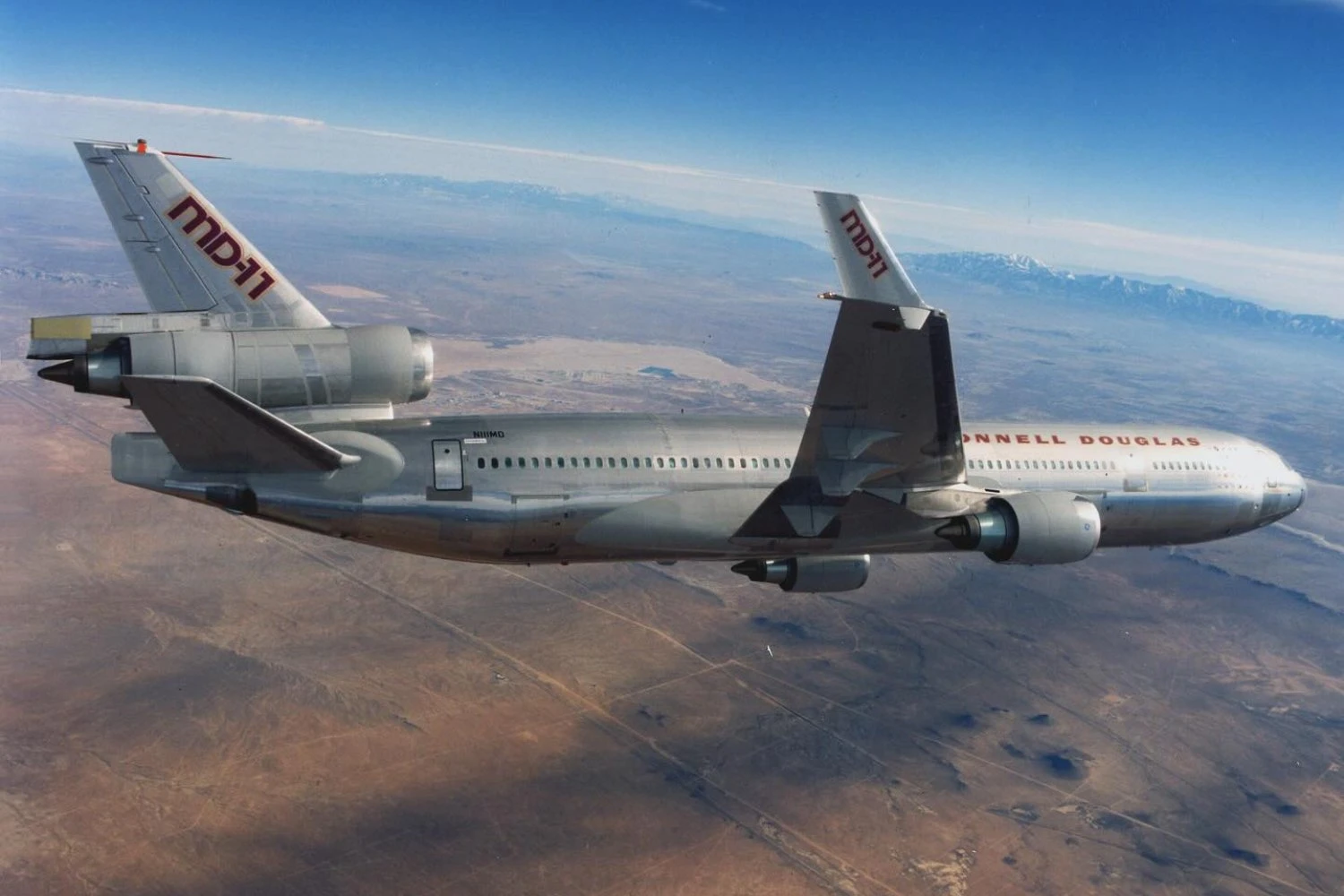
The MD-11 was launched in 1986 as an updated version of the DC-10 and represented McDonnell Douglas’ final effort to compete in the widebody market. It introduced aerodynamic refinements, a longer fuselage and a modern cockpit, but struggled to meet its advertised performance, particularly in range and payload.
A lesser-known constraint also affected the program during production. The aircraft’s increased wingspan meant it did not fit within the existing assembly layout at McDonnell Douglas’ Long Beach facility.
Without the resources to redesign the production line, the manufacturer assembled the MD-11 at an angle inside the factory, rather than using a conventional straight-line flow — an unusual alternative solution that revealed more serious limitations faced by the company at that time.
Despite later improvements under a performance upgrade program, the MD-11 entered service just as twin-engine aircraft such as the Boeing 777 and Airbus A330 gained regulatory approval for extended overwater operations, offering airlines a more efficient alternative.
After Boeing acquired McDonnell Douglas in 1997, production of the MD-11 was halted the following year due to weak demand, with the final aircraft delivered in 2001. The model later transitioned almost entirely to cargo service, where it remained in use for decades.
If the type does not return to service following the UPS accident, it would mark an abrupt end for an aircraft that struggled to compete from its inception and ultimately became a niche freighter. Its retirement would also leave a gap in the cargo segment, as other aging platforms approach the end of their production cycles and newer freighters gradually take their place.