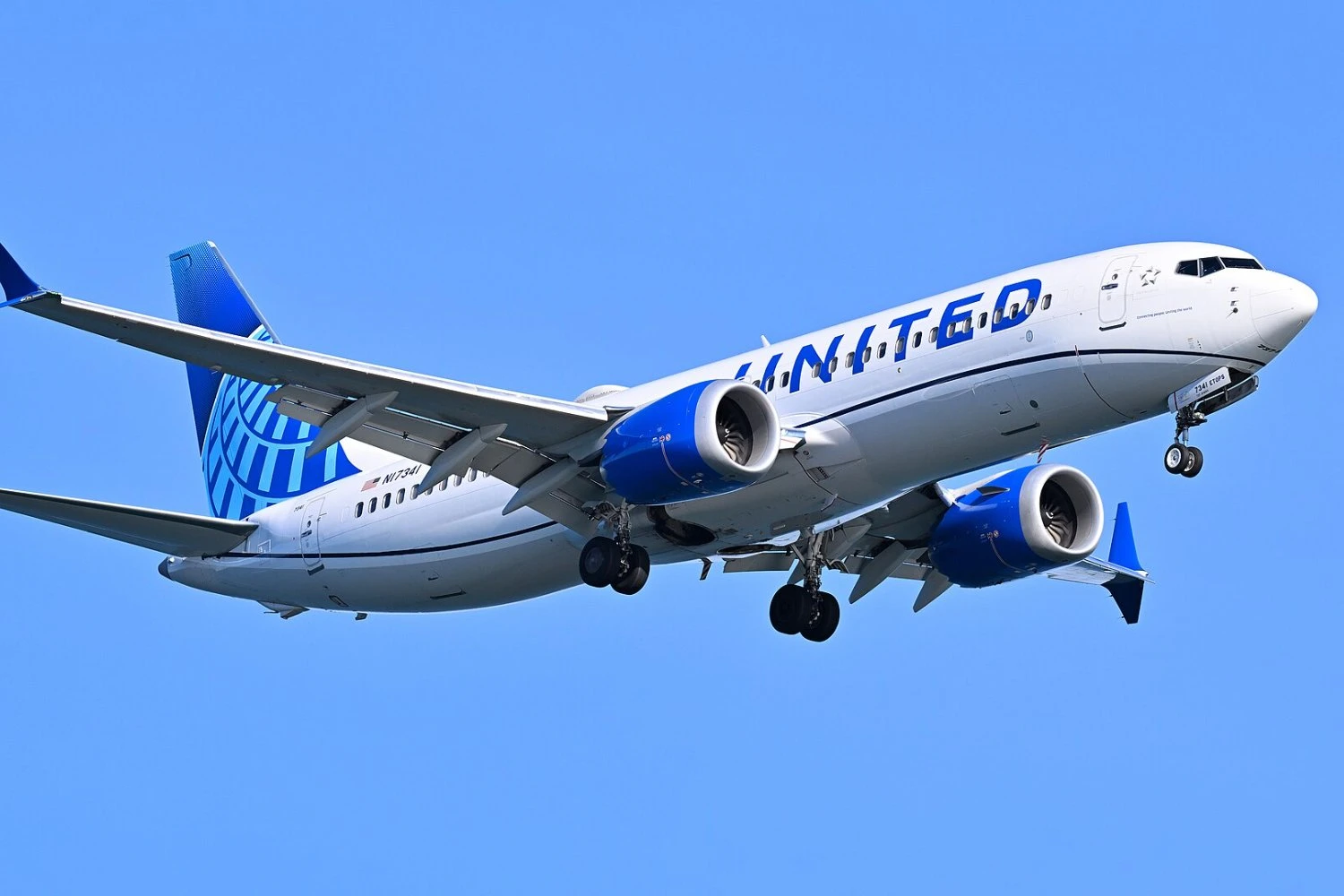
The Federal Aviation Administration (FAA) is reviewing a software problem affecting some Boeing 737 MAX aircraft after major US airlines told the manufacturer they would not accept new jets equipped with the affected version.
The issue involves versions 14 and 14.1 of the software used by the MAX flight management computer (FMC). Under a specific sequence of events following a missed approach, the aircraft's vertical navigation function, or VNAV, can disengage.
The problem can occur when pilots perform a go-around from a precision approach with the autopilot engaged and subsequently modify the route programmed into the flight management system. VNAV can then disconnect, leaving the aircraft with a less sophisticated form of automated pitch control.
Boeing told operators in a bulletin issued in late August that the condition did not pose an immediate safety concern. The manufacturer is working on a permanent software correction and updated guidance for flight crews.
Follow Air Data News: WhatsApp | Instagram | LinkedIn | Twitter | Facebook
The FAA said it is working with Boeing and airlines and will convene a Corrective Action Review Board to assess the issue. The regulator said it would take immediate action if the review identifies a safety concern.
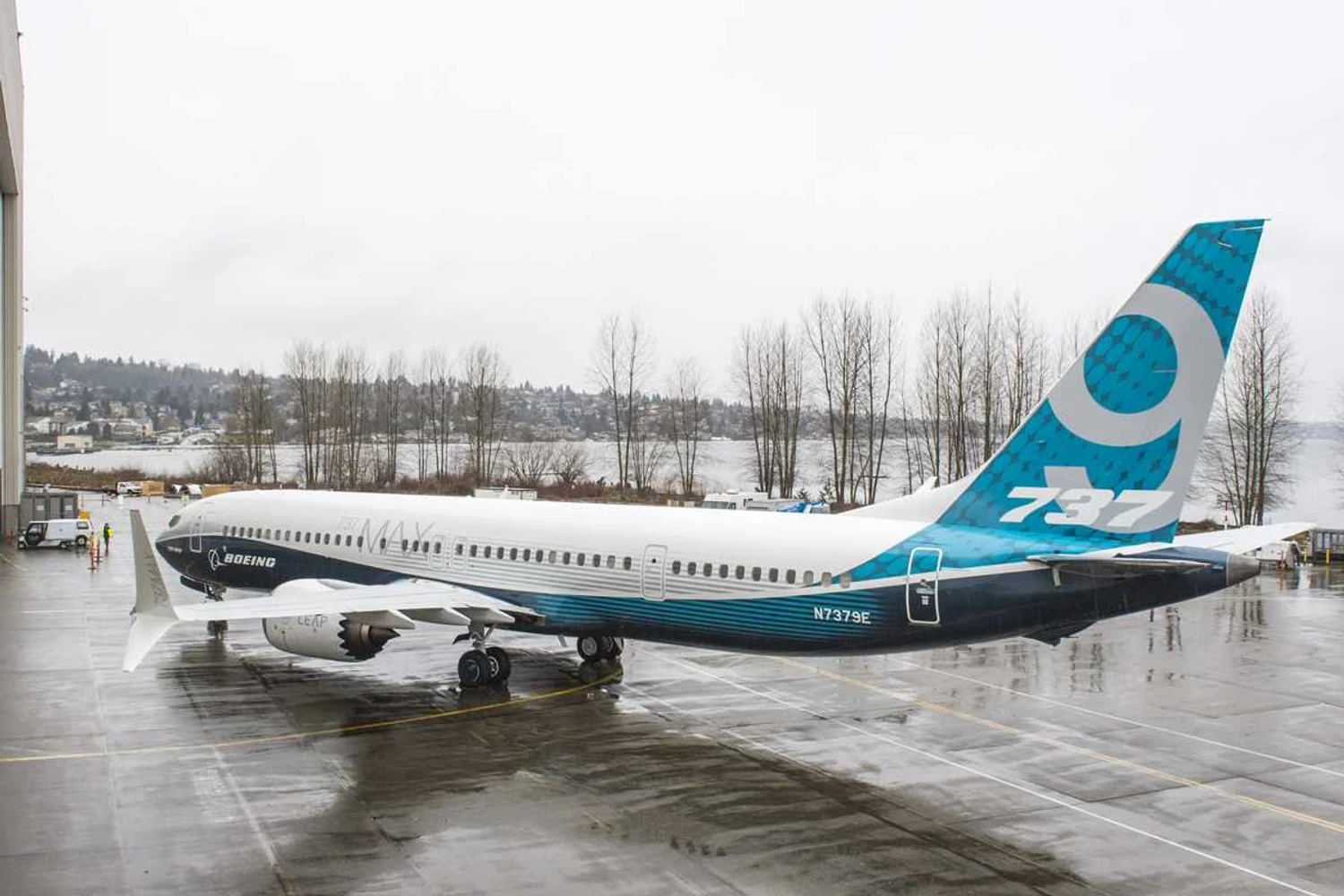
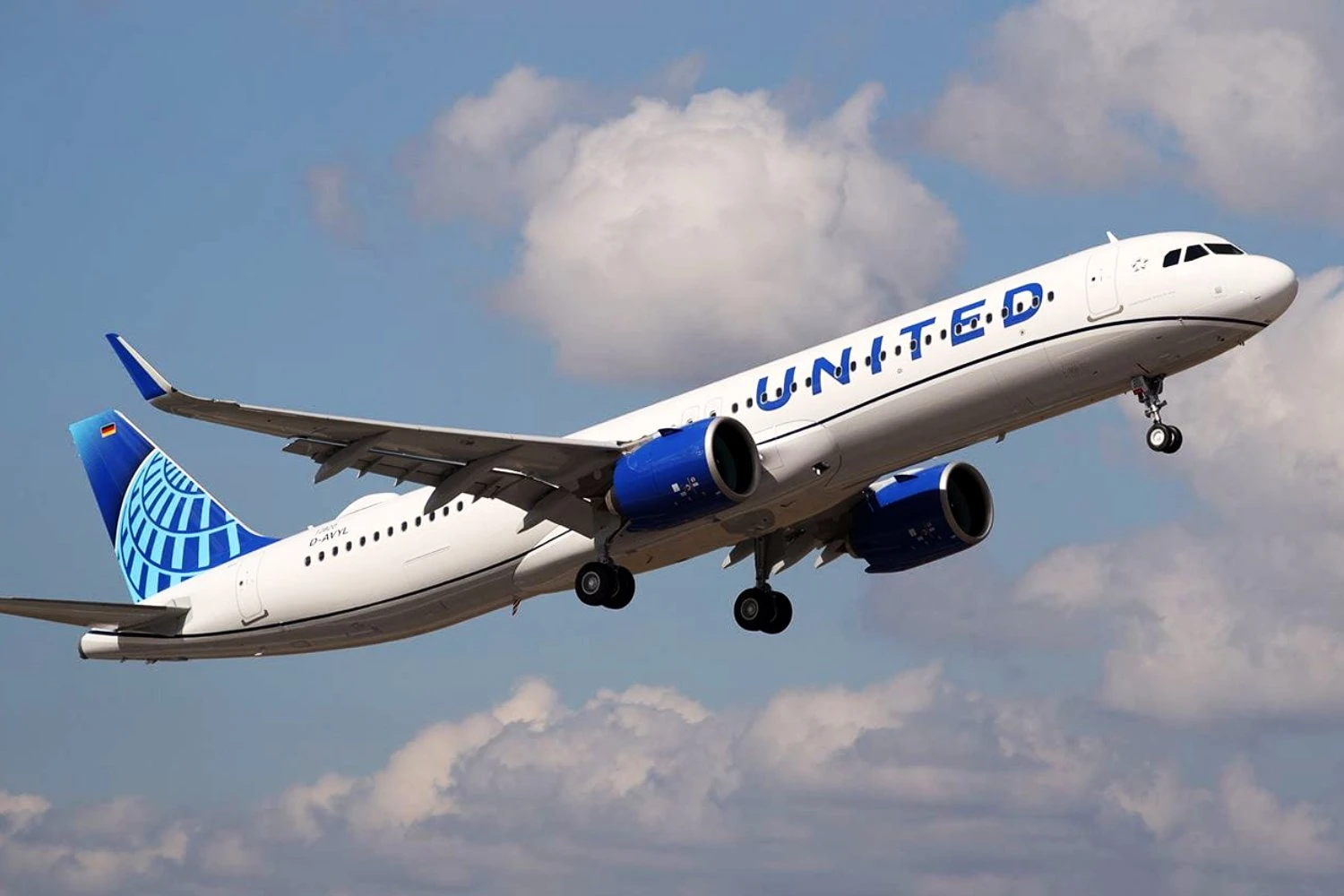
Southwest Airlines and United Airlines have told Boeing they will not accept new aircraft with the affected software and have opted for an earlier version instead. Alaska Airlines, American Airlines, Southwest and United said their MAX aircraft currently in service do not use versions 14 or 14.1.
Problem first reported in 2024
Boeing was first informed of the problem by an airline in November 2024, according to CBS News. The manufacturer reviewed the condition and concluded in February 2025 that it did not constitute a safety issue.
Additional information subsequently provided by operators prompted Boeing to conduct a formal safety review. Its findings were submitted to the FAA in September and will now be examined by the agency's review board.
Boeing initially told airlines that a permanent software fix was expected in 2028, while updated pilot procedures were planned for November. The manufacturer is now working to bring both measures forward.
The number of MAX aircraft worldwide currently using the affected software has not been disclosed. Operators can update the flight management computer without reporting each installation to Boeing.
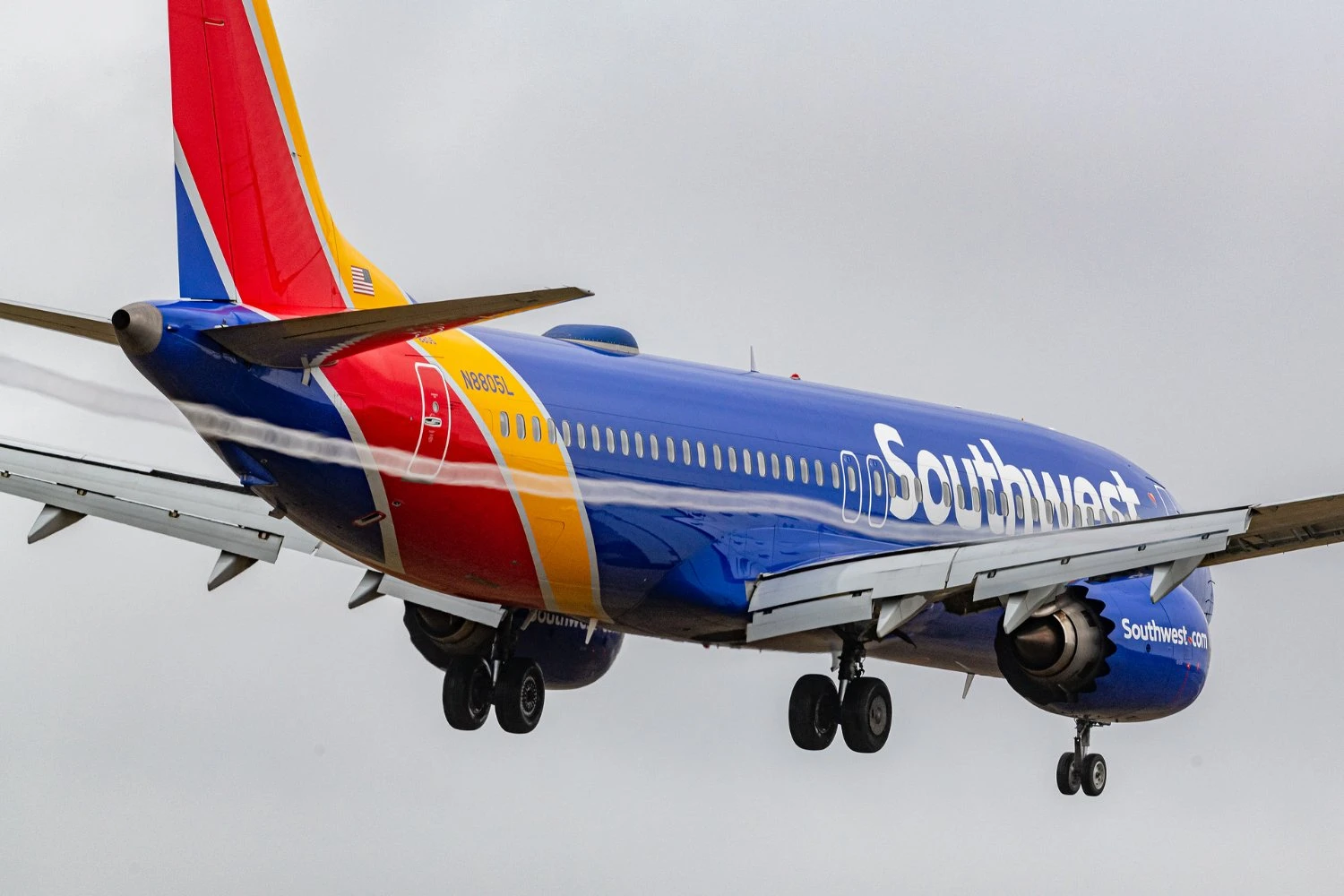
MAX 7 and MAX 10 use affected versions
The timing of the FAA review is particularly relevant to Boeing's two newest MAX variants.
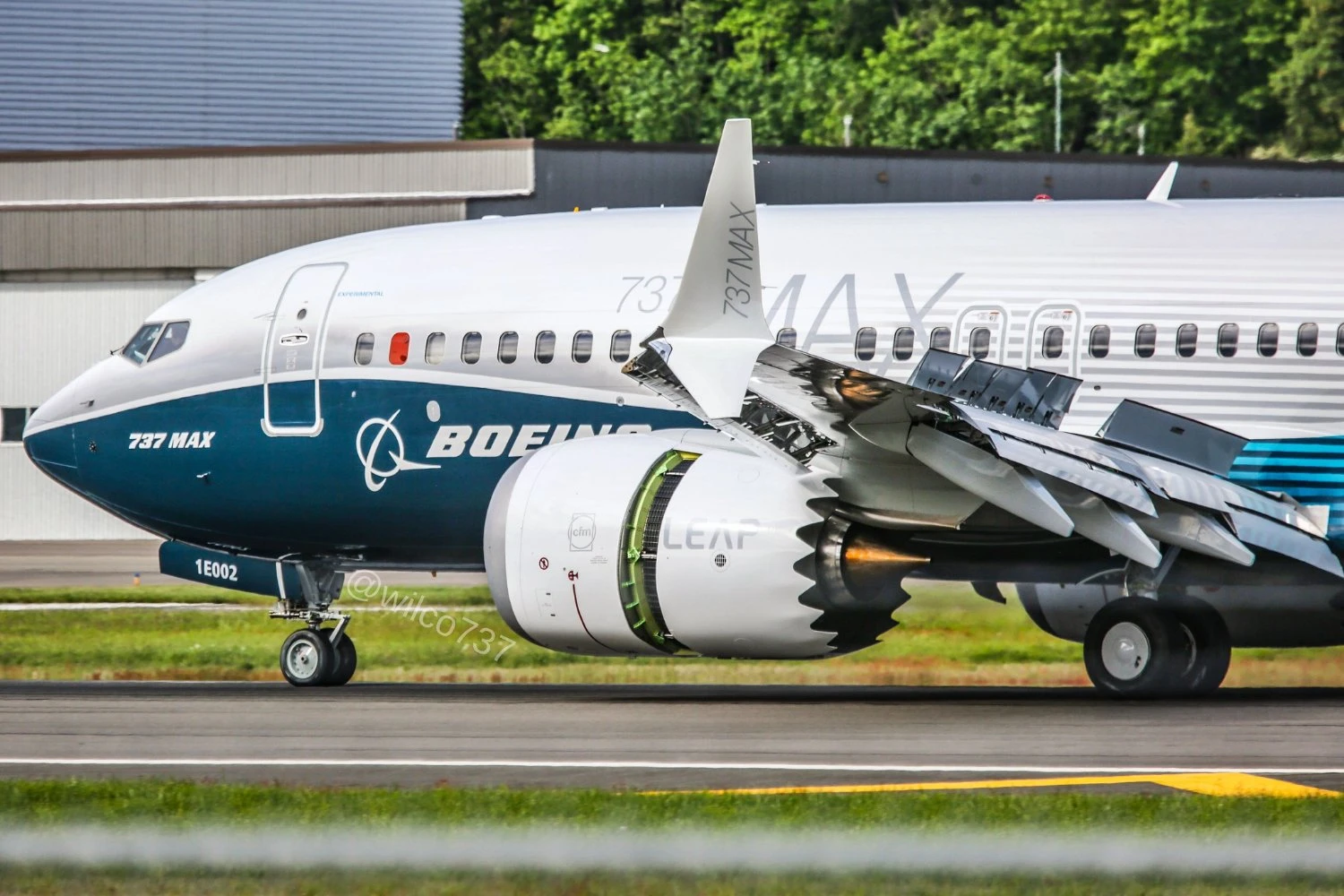
The FAA certified the 737 MAX 7 on August 3 after a development and certification program that lasted almost a decade. The aircraft was certified with version 14 of the flight management computer software, one of the versions now under review.
Southwest is the dominant customer for the MAX 7 and is expected to receive the first aircraft. Its decision not to accept jets with the affected software means Boeing will need an acceptable configuration for those deliveries.
Related news
September 25, 2026
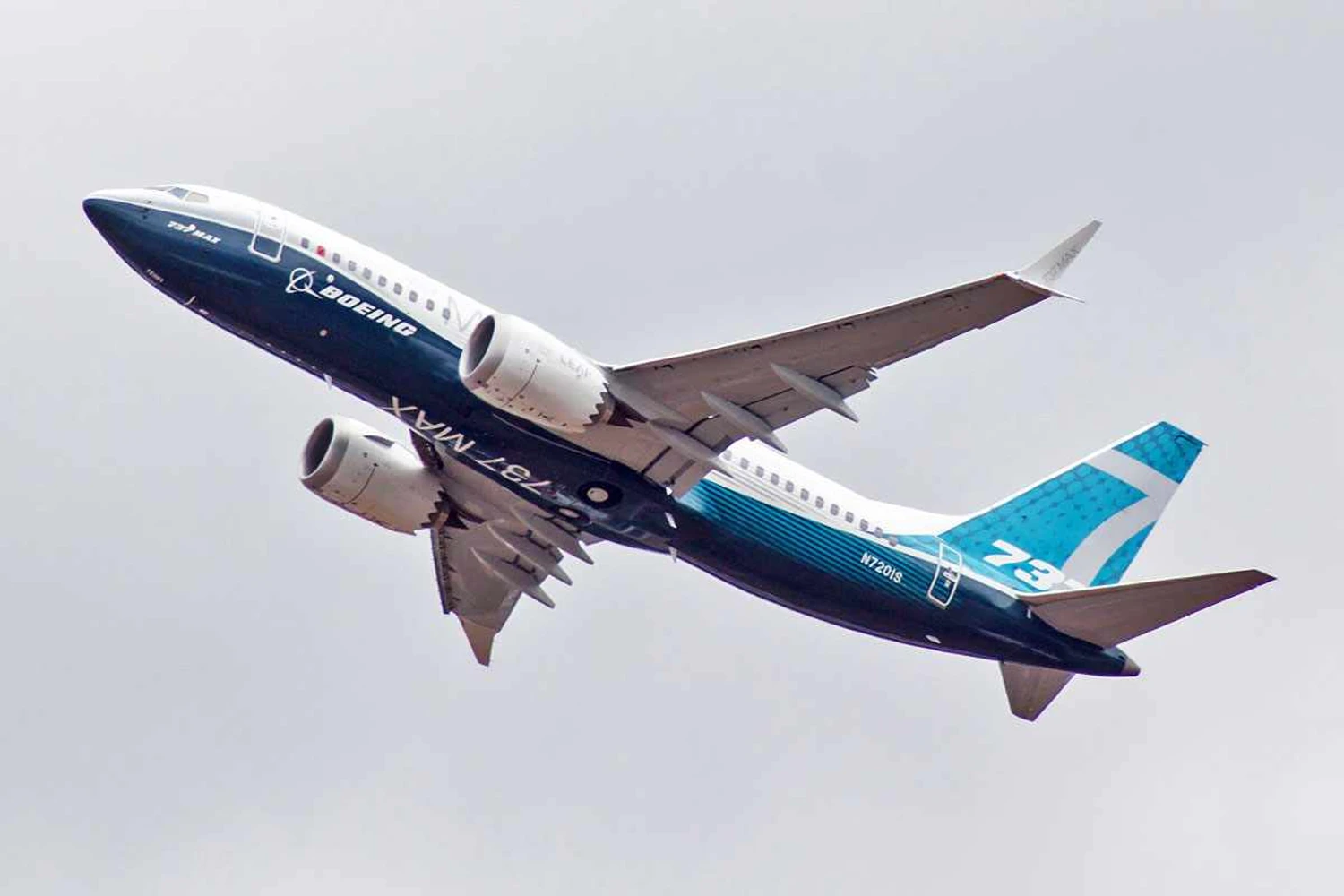
The larger 737 MAX 10 used version 14.1 during certification flight testing. Boeing Chief Executive Kelly Ortberg said on September 16 that all MAX 10 flight tests had been completed and that the program was in the final documentation phase with the FAA.
Ortberg said at the time that certification was expected "very soon." The FAA has not said whether its software review will affect the MAX 10 certification schedule.
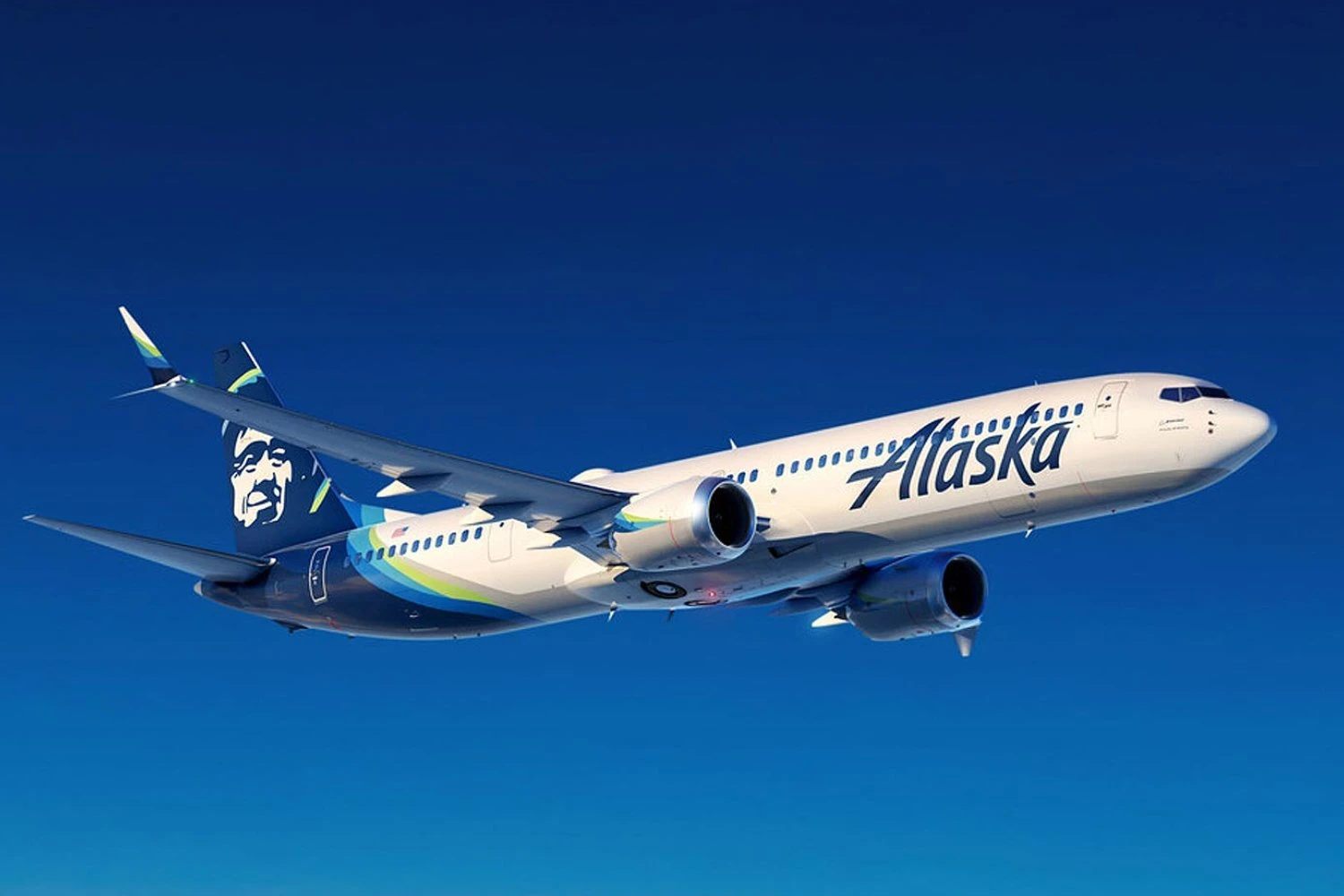
The MAX 10 is due to enter service with Alaska Airlines, while United Airlines and other major carriers also hold substantial orders for the largest member of the 737 MAX family.