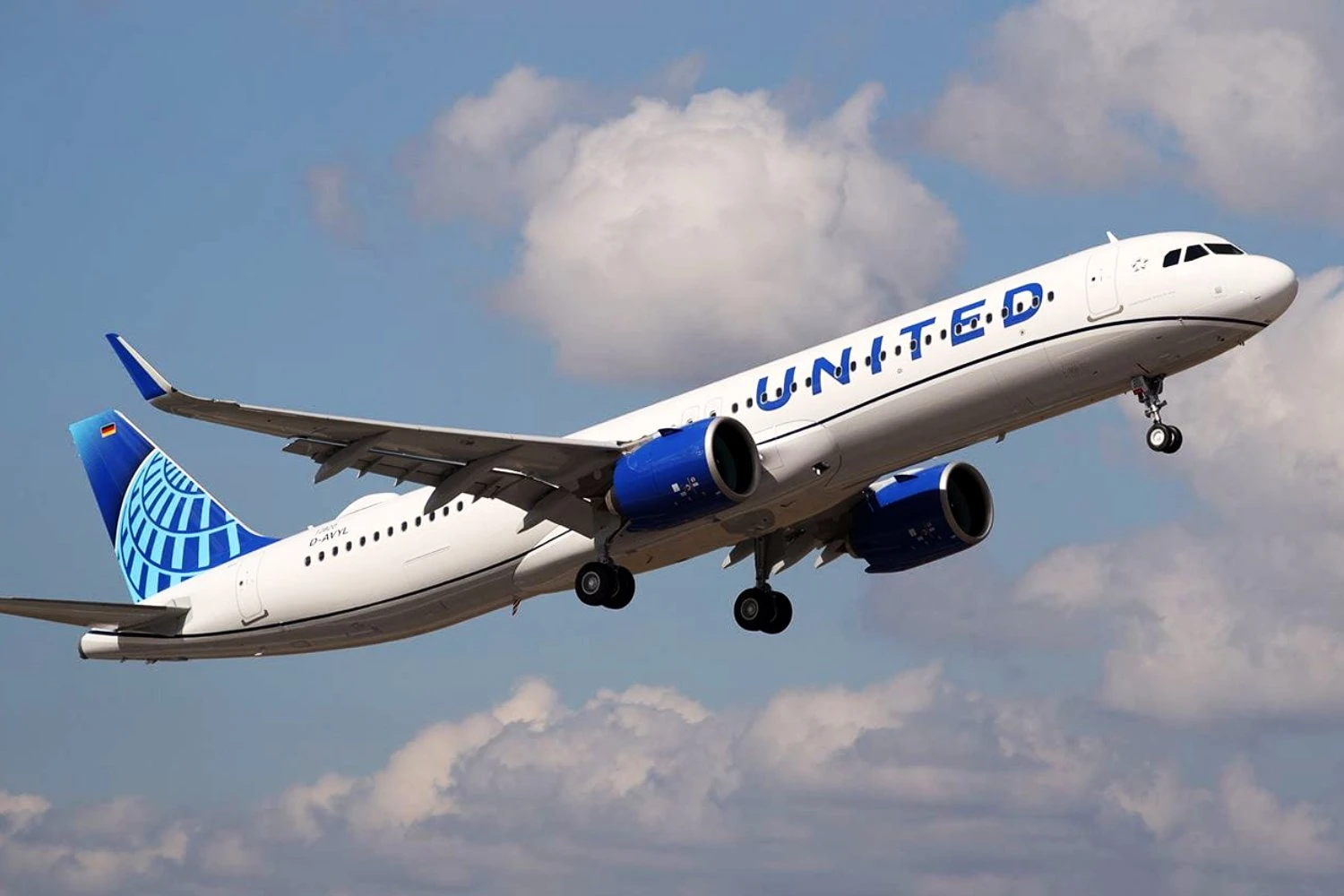
GTF Advantage, an upgraded version of Pratt & Whitney’s PW1000G engine, was delivered to an airline for the first time on September 24 aboard a United Airlines Airbus A321XLR.
Designed for greater durability and lower operating costs, the Advantage arrives after years of operational problems with the original geared turbofan, which entered service a decade ago with the promise of substantially lower fuel consumption than previous-generation engines.
Pratt & Whitney says the new configuration can provide up to twice the time on wing of the current GTF, addressing one of the most significant concerns for airlines operating the engine. It also offers approximately 1% better fuel efficiency and additional takeoff thrust.
The manufacturer plans to transition all new PW1100G production to the Advantage configuration by early 2028.
Durability becomes central to GTF Advantage
Pratt & Whitney originally unveiled the GTF Advantage in 2021 with greater thrust and improved fuel consumption among its principal selling points. Its role has become more significant as durability problems increased costs and aircraft downtime for GTF operators.
Follow Air Data News: WhatsApp | Instagram | LinkedIn | Twitter | Facebook
The Advantage retains the geared architecture of the PW1100G but incorporates substantial changes to the engine core and hot section. Improvements include redesigned components, new coatings and cooling features intended to lower operating temperatures and extend component life.
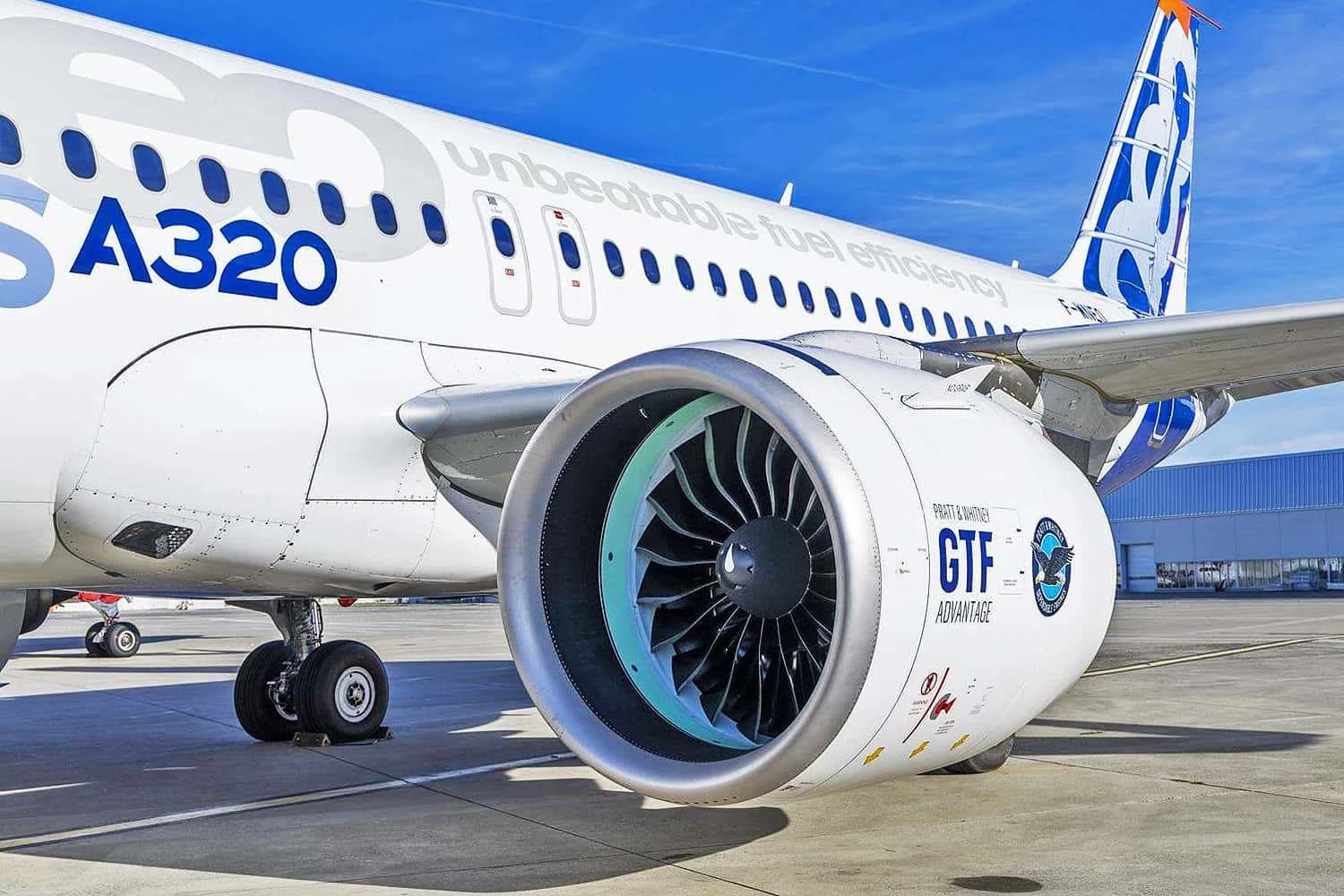
The engine provides 4% more takeoff thrust at sea level and as much as 8% more under hot-and-high conditions. The additional performance can provide more payload and range flexibility, particularly for heavier variants such as the long-range A321XLR.
But the promise of longer time on wing may prove more valuable to operators. Early PW1100Gs frequently required shop visits sooner than airlines had expected, with harsh operating environments further reducing intervals between removals.
Pratt & Whitney says development of the Advantage incorporated experience from tens of millions of flight hours accumulated by the GTF fleet.
Powder metal problem added to GTF difficulties
Those earlier durability concerns were followed by a separate manufacturing problem that resulted in one of the largest engine inspection campaigns affecting the A320neo fleet.
RTX disclosed in 2023 that contaminated powder metal used to manufacture certain engine components could lead to premature cracking. The issue required accelerated inspections and removals of PW1100Gs manufactured during the affected period.
At the time, RTX expected the problem to generate approximately 600 to 700 additional engine shop visits between 2023 and 2026. The resulting removals left hundreds of A320neo-family aircraft temporarily grounded at different points as airlines waited for inspections, replacement parts and shop capacity.
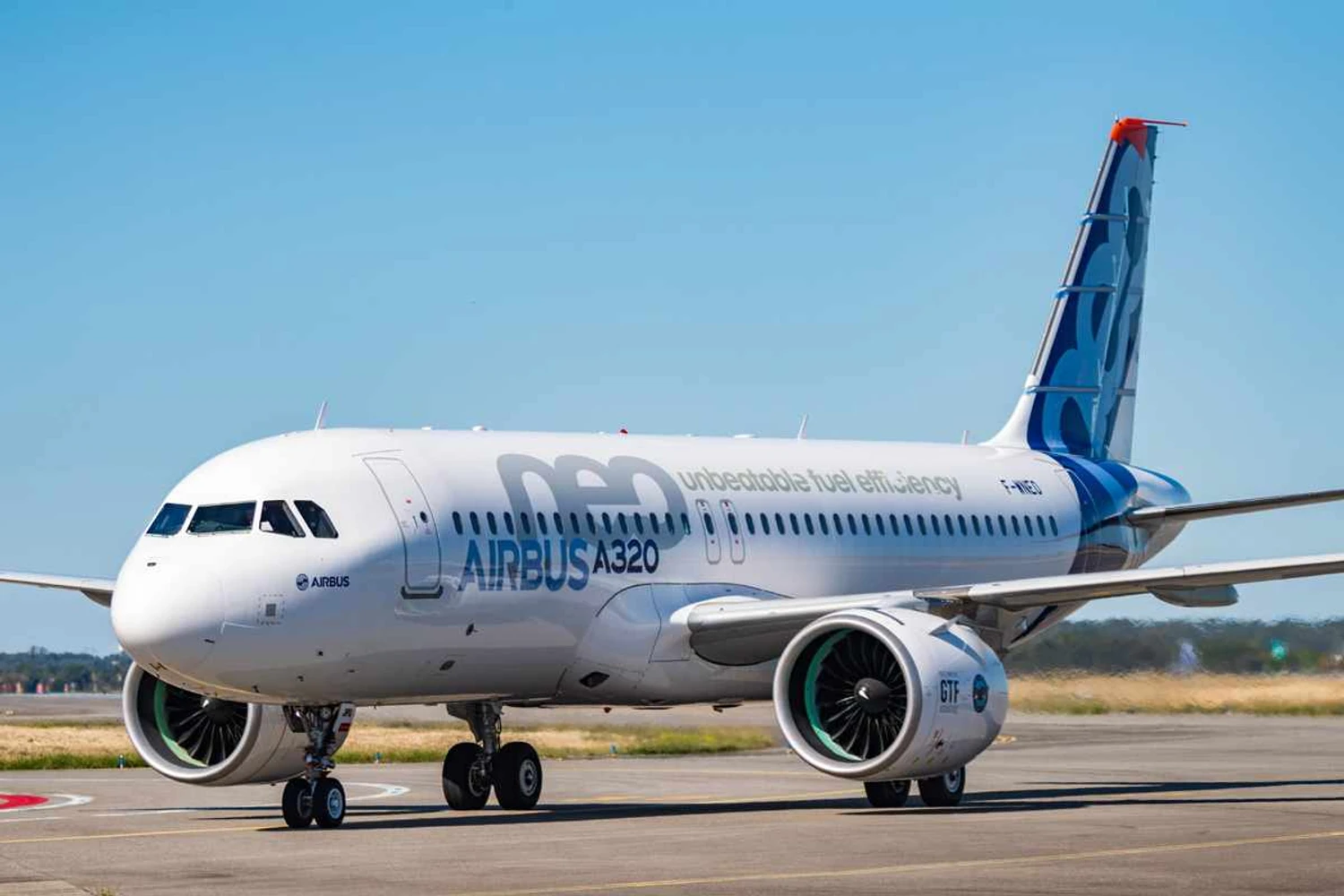
The GTF Advantage does not serve as a remedy for engines affected by the powder-metal issue, which requires the affected components to be inspected or replaced. Instead, its introduction gives Pratt & Whitney an opportunity to improve the longer-term economics of the GTF after operators absorbed years of unexpected maintenance and aircraft downtime.
Pratt & Whitney is also transferring much of the new technology to engines already in service. Its GTF Hot Section Plus package incorporates around 35 components derived from the Advantage and is expected to provide 90% to 95% of its durability benefit when installed during shop visits beginning in 2027.
The GTF Advantage received FAA certification in February 2025, followed by European validation and subsequent approvals required for installation on the A320neo family.
Its commercial debut aboard an A321XLR also puts the engine into service on the longest-range member of the Airbus single-aisle family, where additional thrust and longer maintenance intervals can be particularly useful on missions lasting several hours.