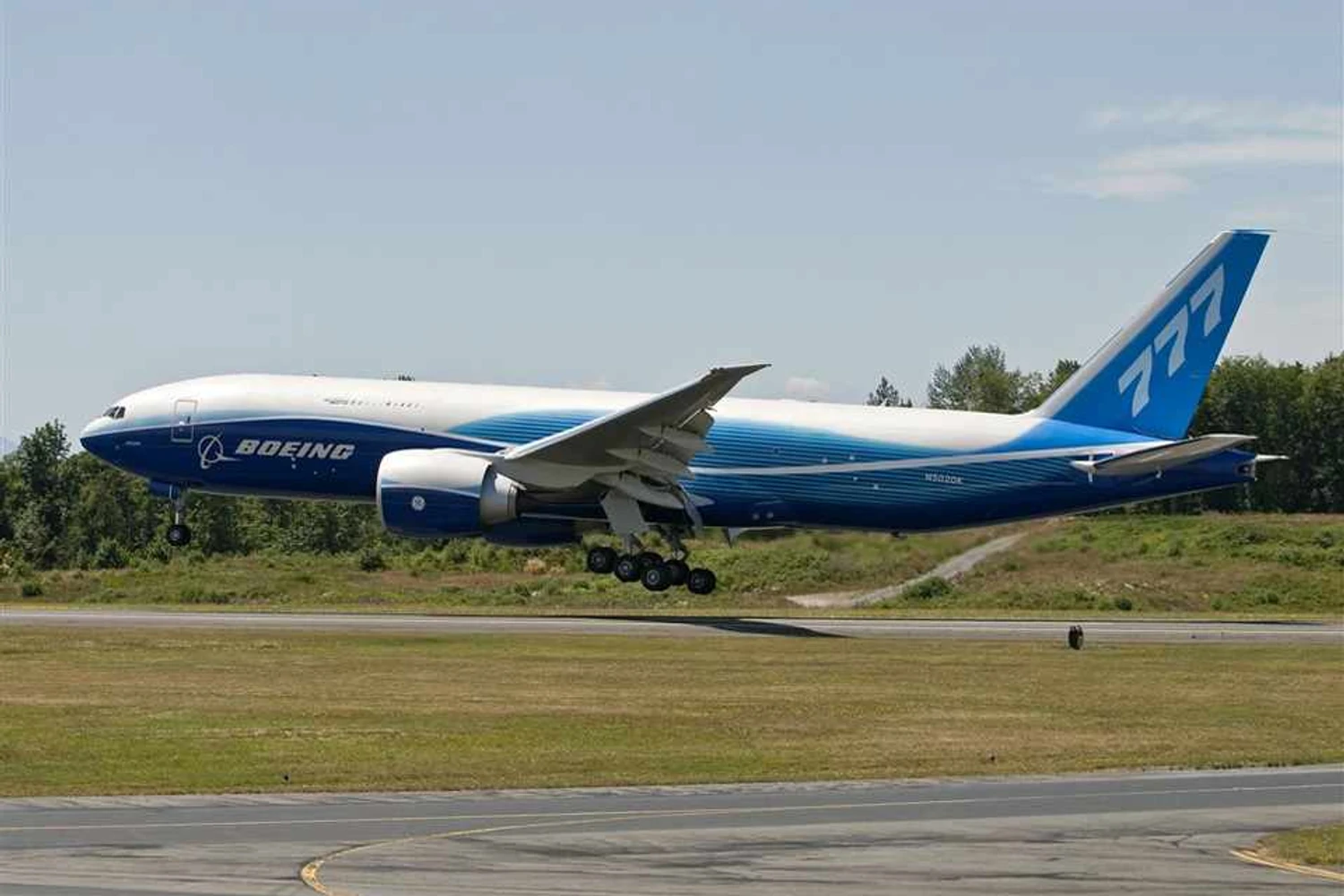
The Federal Aviation Administration (FAA) has granted Boeing a three-year lifeline for the 777F. The exemption allows the manufacturer to continue offering its current widebody freighter beyond an emissions deadline that would otherwise have ended production after 2027.
The waiver covers up to 35 newly built 777Fs receiving their first airworthiness certificates from January 1, 2028 through the end of 2030.
Boeing requested the exemption in December 2025 after delays to the 777-8F created a potential gap between the end of 777F production and availability of its next-generation replacement.
New emissions standards adopted by the United States from the International Civil Aviation Organization prohibit newly manufactured aircraft that do not meet specified fuel-efficiency and CO2 limits from receiving their first airworthiness certificates after January 1, 2028.
The current 777F does not comply with those requirements.
Potential room for new 777F orders
While the exemption applies to as many as 35 aircraft, Boeing had only 38 unfilled 777F orders at the end of August 2026.
The manufacturer has also continued delivering the freighter at a substantial pace. Boeing delivered 18 777Fs during the first eight months of 2026 after handing over 35 during all of 2025.
That means at least part of the current backlog can be delivered before the new emissions standard takes effect. Six of the 38 unfilled orders are also attributed to Russia's Volga-Dnepr, whose aircraft have remained on Boeing's order book despite sanctions preventing normal commercial relations.
Related news
September 17, 2026
September 17, 2026
The numbers therefore suggest that the exemption could provide substantial capacity for additional 777F sales rather than simply protecting aircraft already in the backlog, although Boeing has not disclosed how many of the 35 slots it expects to use for new orders.
The FAA's original notice on Boeing's request said the exemption was intended to meet existing customer demand and maintain production continuity. Boeing has also cited strong customer demand for the freighter, while the FAA's final decision gives the manufacturer flexibility until the 777-8F becomes available.
Bridge to the 777-8F
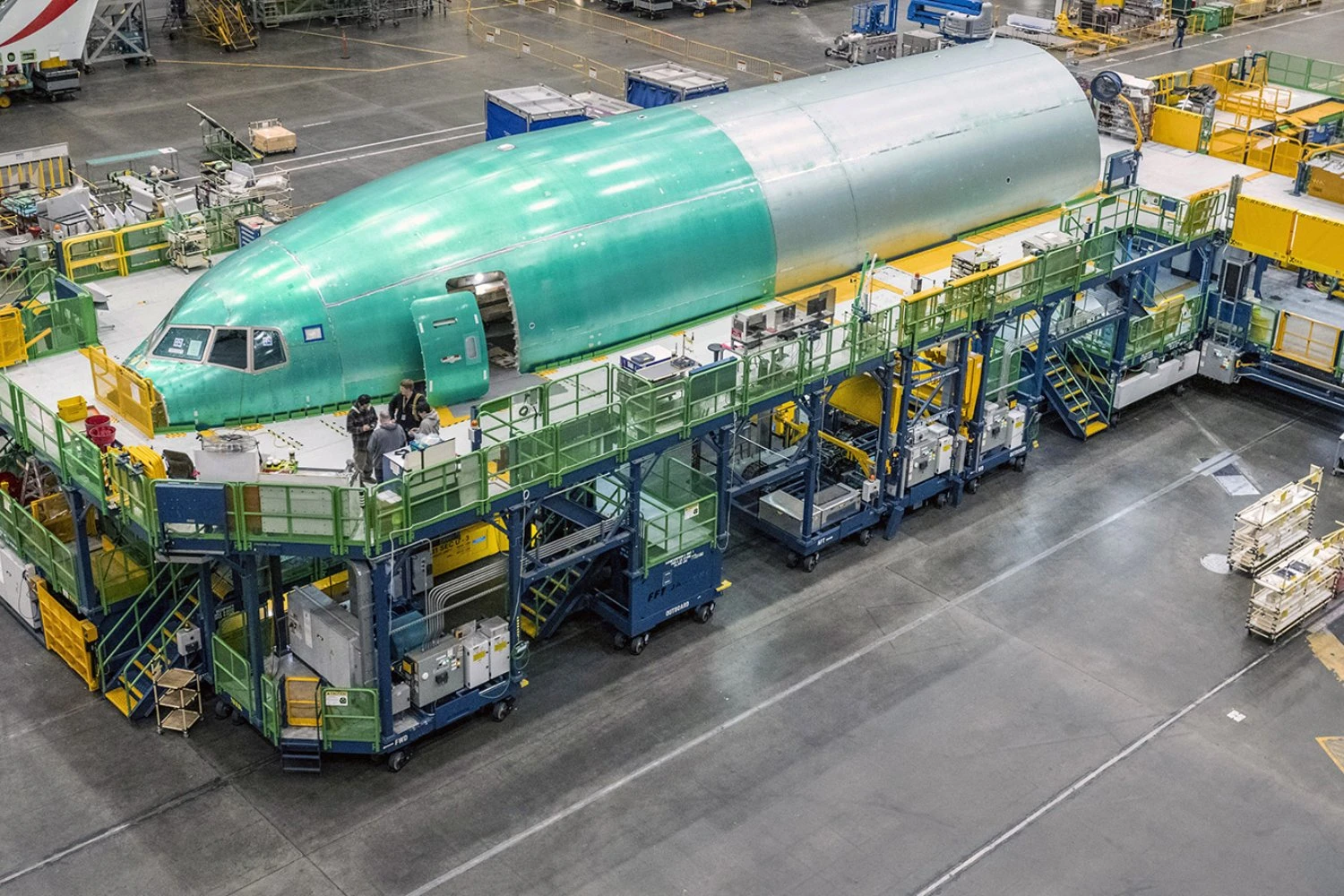
The regulatory extension addresses a growing problem for Boeing's freighter business. The 777-8F was originally expected to replace the current 777F without a significant production gap. Delays to the 777X program have pushed the freighter's expected entry into service to around 2029.
Without the exemption, Boeing would have been unable to offer newly built 777Fs for delivery after 2027 while customers would still have had to wait for the 777-8F.
That gap also risked leaving more room for the Airbus A350F, which is competing with the 777-8F for future large-freighter orders. Airlines requiring new freighters before the 777-8F becomes available would have faced fewer options from Boeing once the 777F production cutoff was reached.
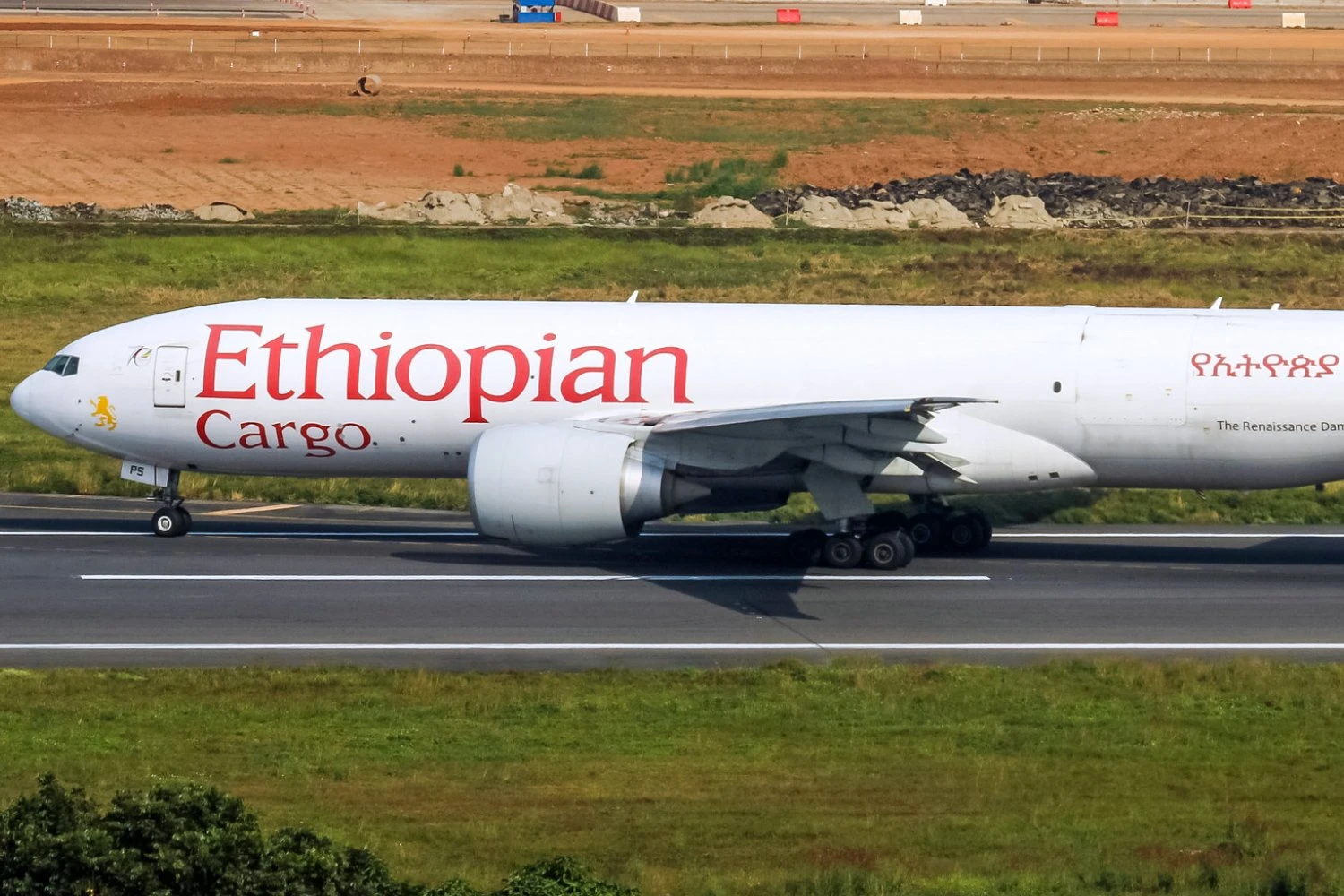
The issue is already visible in current sales campaigns. Ethiopian Airlines has recently been considering an order combining current-generation 777Fs with 777-8Fs while also evaluating the competing A350F.
FAA cites uncertainty over 777-8F schedule
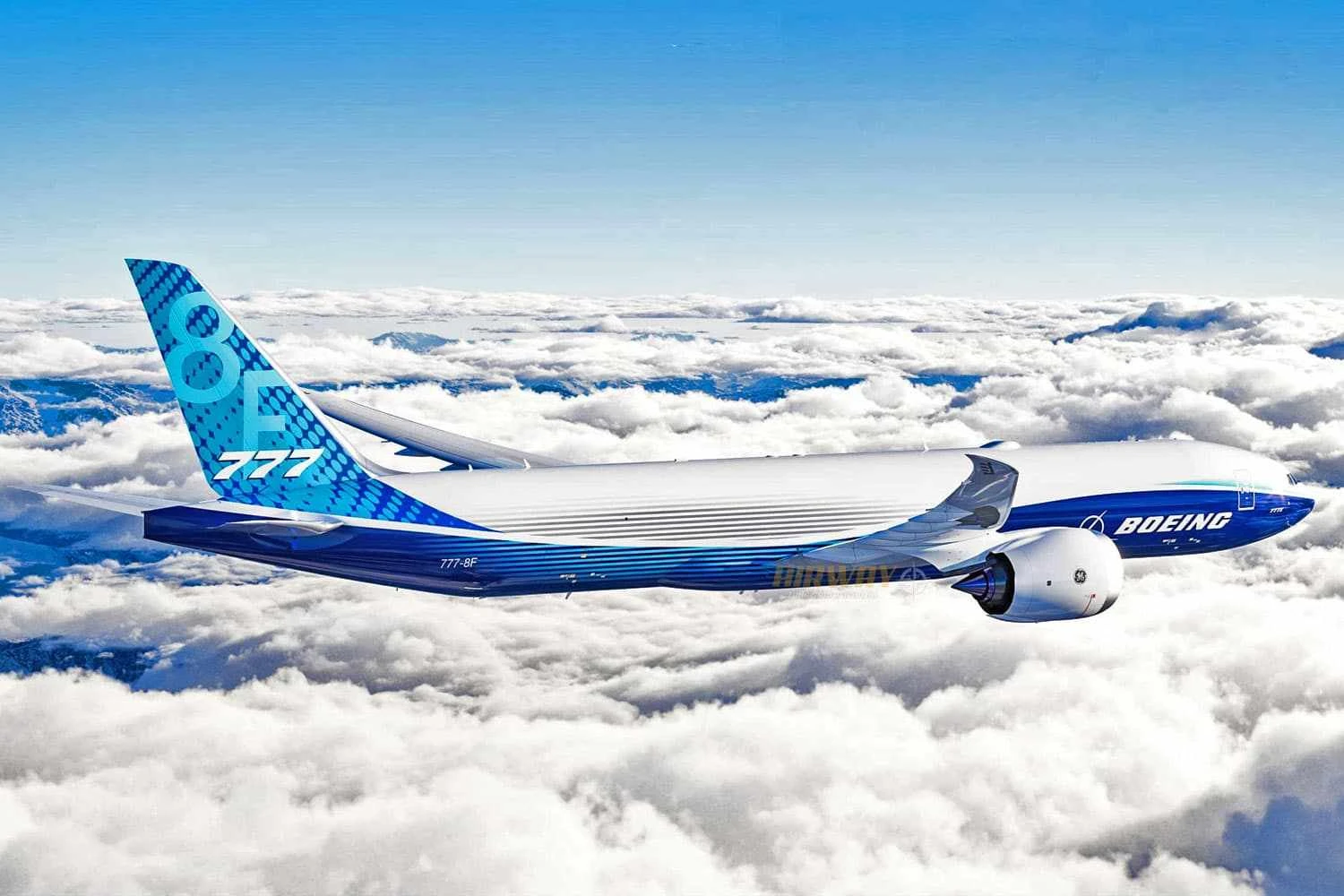
The FAA said its decision provides Boeing with flexibility while accommodating uncertainty in the certification timeline of the 777-8F.
Boeing currently expects the new freighter to enter service approximately two years after the first 777-9 delivery. The passenger variant is targeted for its first delivery in 2027, placing the 777-8F around 2029 if the current schedule holds.
The exemption does not change the emissions performance of the current aircraft. The FAA estimates that the additional 35 777Fs would increase the worldwide freighter fleet by about 2% compared with 2024 levels but could increase fuel consumption from global freighter operations by approximately 8%.
The 777F entered service in 2009 and is powered by GE Aerospace GE90 engines. Boeing had delivered 312 aircraft of the type through August 2026.