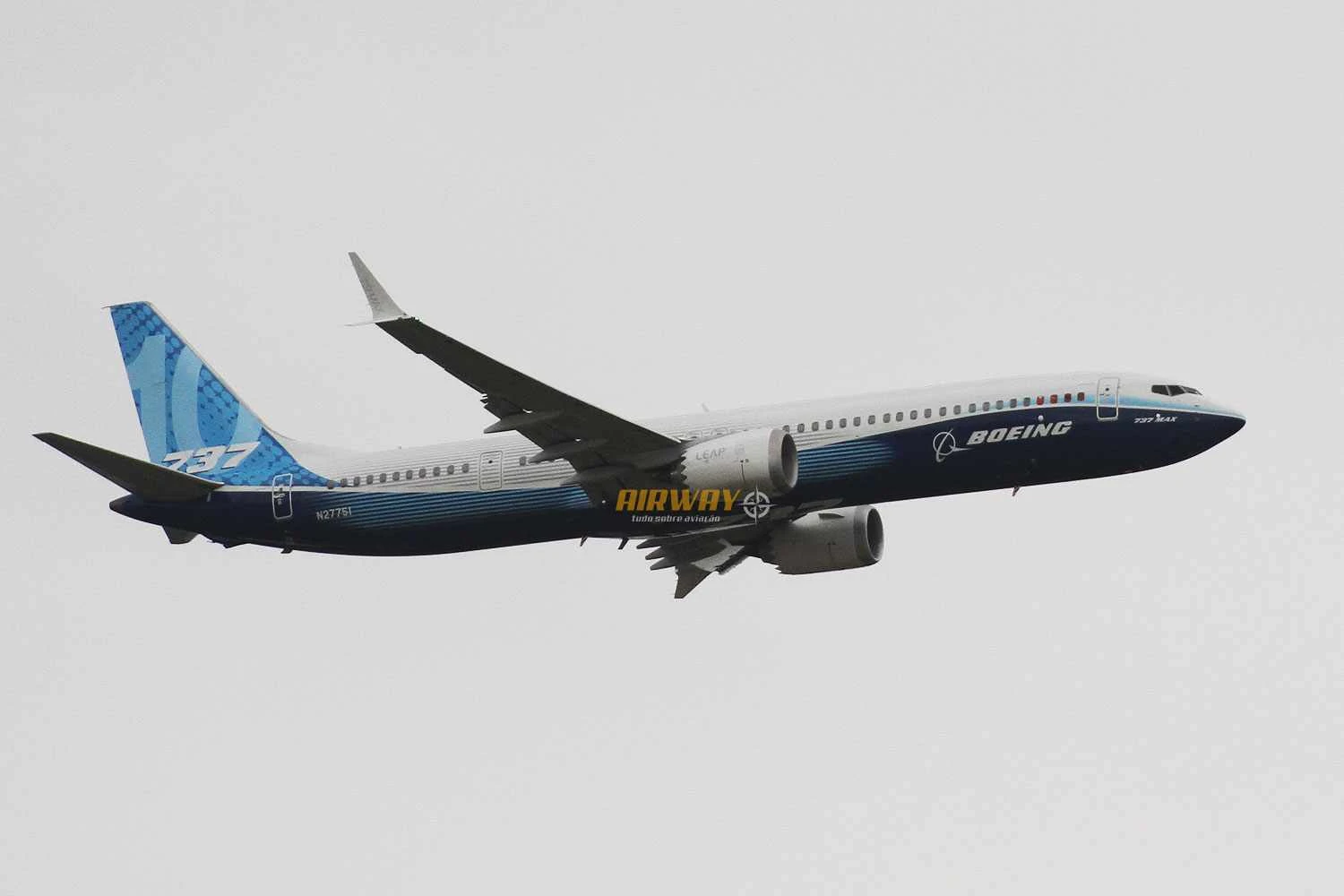
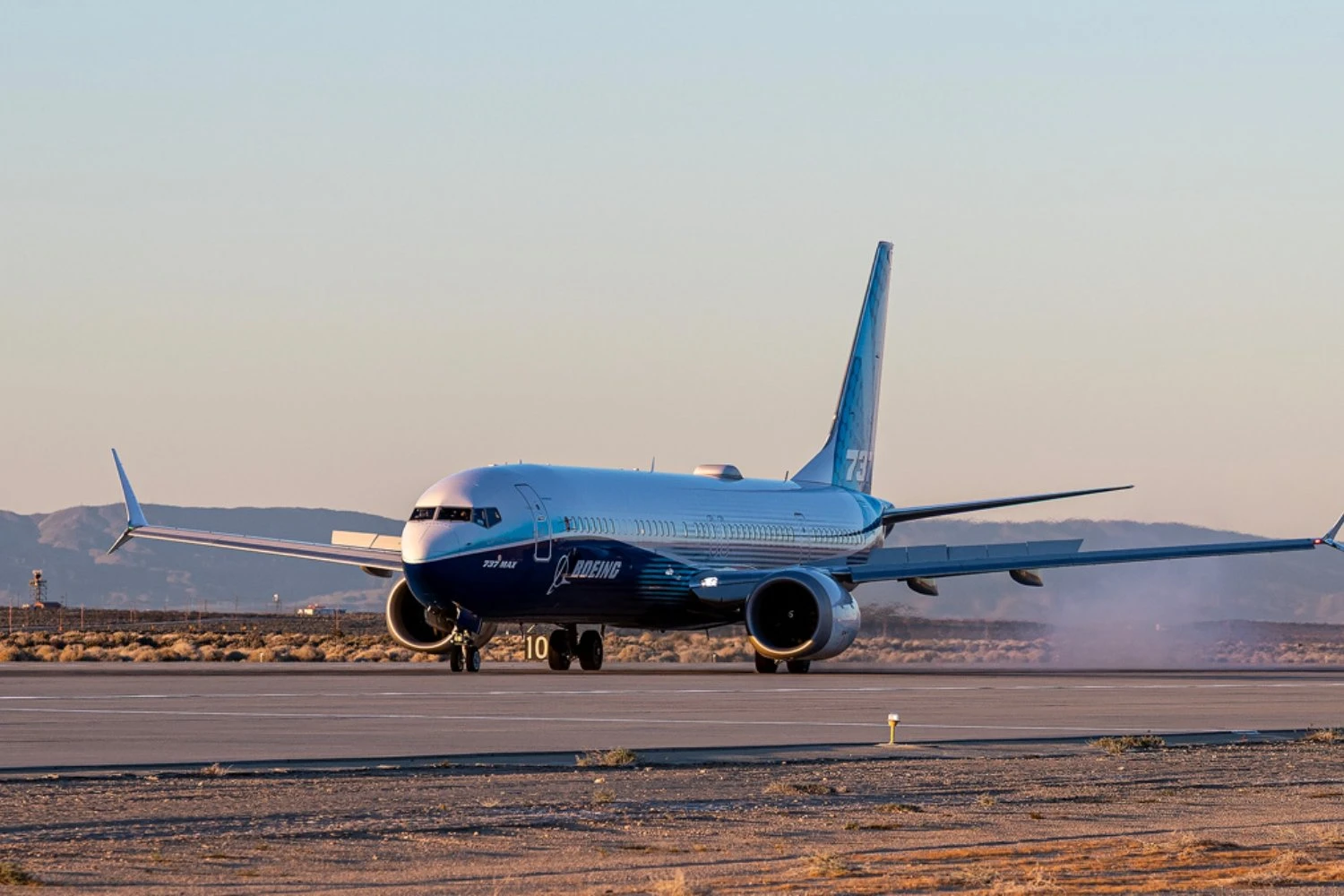
The Federal Aviation Administration (FAA) has delayed certification of the Boeing 737 MAX 10 after a newly disclosed flight management computer software issue emerged just as the largest variant of the family appeared to be days away from approval.
FAA Administrator Bryan Bedford confirmed on Monday that certification will not proceed until the regulator is satisfied that the problem has been resolved.
“We will be delaying the 10 until we're satisfied that we don't have an issue here,” Bedford told reporters at Reagan Washington National Airport.
The decision abruptly changes the outlook for a certification program that had reached its final stage. Alaska Airlines Chief Operating Officer Jason Berry said last week that the carrier expected FAA approval by the end of September, while Boeing CEO Kelly Ortberg had described certification as “very soon” on September 16.
Boeing had already completed MAX 10 flight testing, leaving documentation and regulatory review among the remaining steps. Alaska plans to receive 22 MAX 10s in 2027, with its first aircraft expected next spring and passenger service planned between April and mid-May.
The new delay follows the discovery of a problem involving versions 14 and 14.1 of the flight management computer software. As Air Data News reported on Sunday, the issue can cause the vertical navigation mode, or VNAV, to disengage under a specific sequence of events following a missed approach.
Follow Air Data News: WhatsApp | Instagram | LinkedIn | Twitter | Facebook
The MAX 10 used version 14.1 during its certification flight-test program. The smaller 737 MAX 7, which received FAA certification on August 3, was certified with version 14.
GE Aerospace is the supplier of the software
Bedford identified GE Aerospace as the supplier of the software and said the company could accelerate development of a correction because of the attention now focused on the issue.
He declined to estimate how long the MAX 10 delay could last, saying he did not know whether a correction would take days, weeks or months.
The FAA is also convening a Corrective Action Review Board to examine the software issue. Boeing said it will continue to follow the regulator's lead as the MAX 10 moves through the certification process.
Several US airlines have already taken action over the affected software. United Airlines and Southwest Airlines have told Boeing they will not accept aircraft equipped with the versions under review, while Alaska and American Airlines have said their current MAX fleets do not use them.
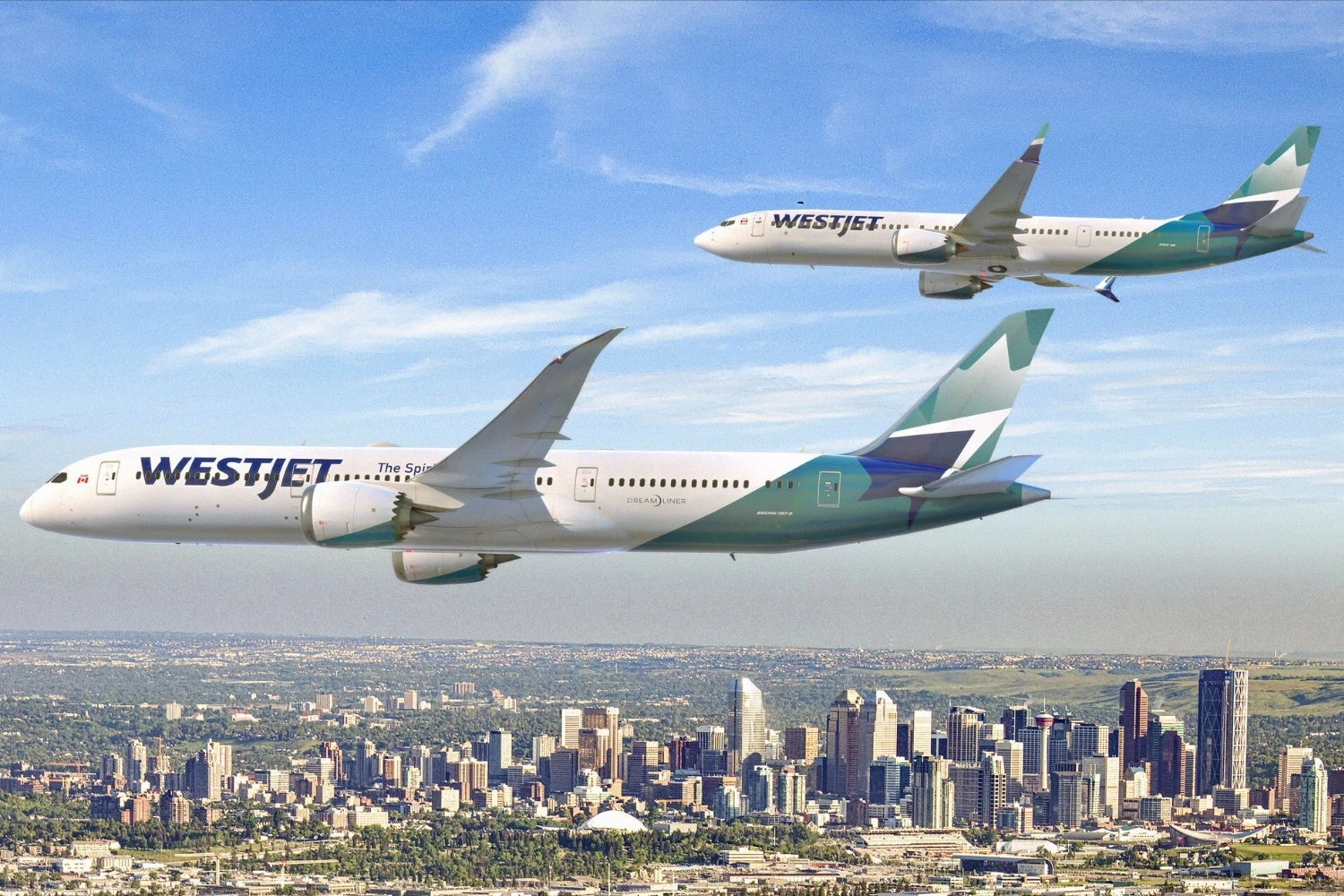
WestJet confirmed on Monday that some of its MAX aircraft do use the software being reviewed by the FAA. The Canadian airline said it has experienced no related in-service events and has procedures and training in place to handle the condition.
Boeing originally told operators that a permanent software correction was expected in 2028, although the manufacturer is now working to bring the fix forward. The company has not disclosed how many MAX aircraft currently in service are equipped with the affected software.