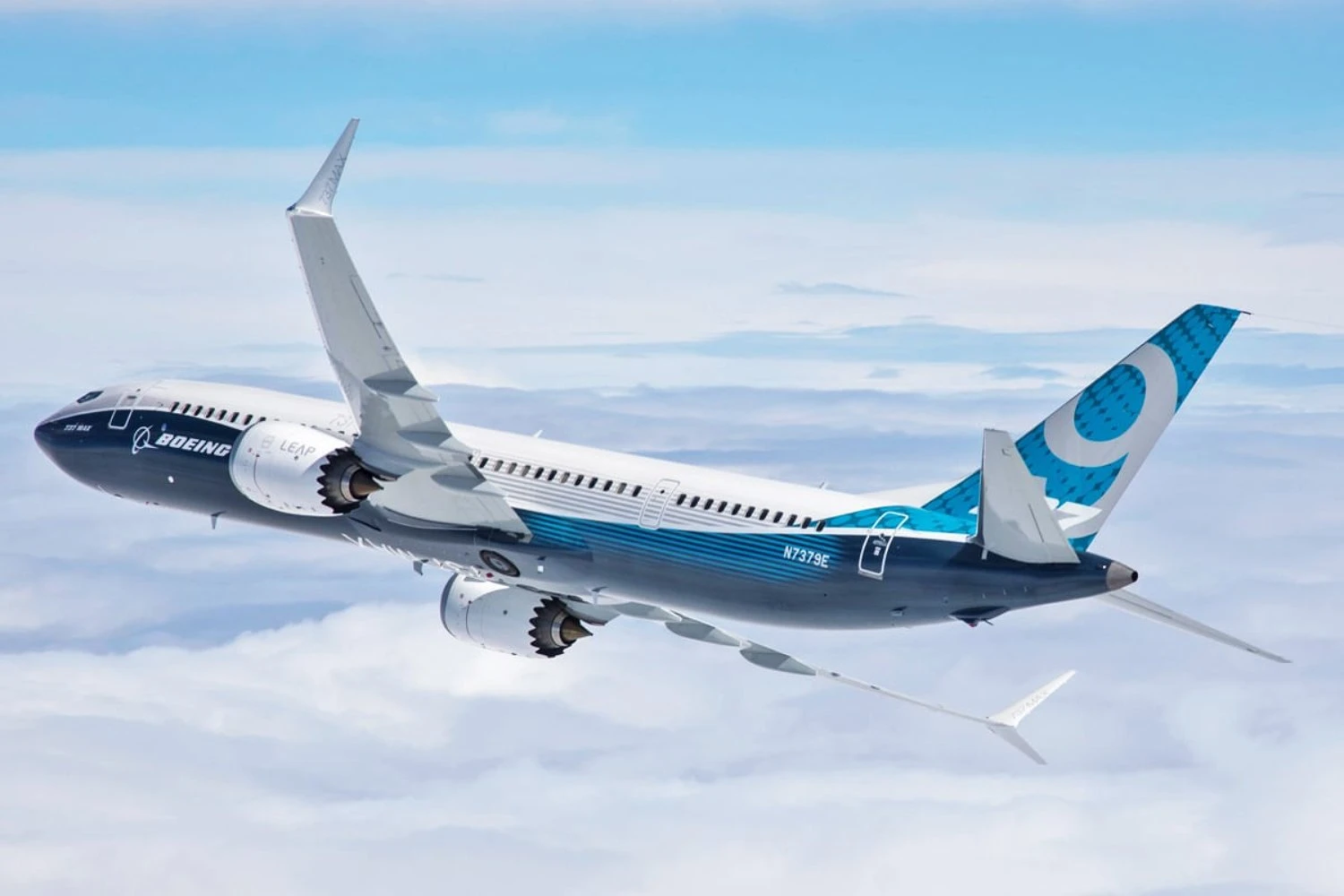
The Federal Aviation Administration (FAA) has determined that a software glitch affecting some Boeing 737 MAX aircraft does not pose a safety risk, removing an issue that had recently emerged during the certification process of the 737 MAX 10.
The FAA reached the conclusion following a review by its Corrective Action Review Board (CARB). According to the agency, the condition does not constitute a safety-of-flight issue because pilots retain full control of the aircraft and indications presented to the flight crew are clear and unambiguous.
The decision comes days after FAA Administrator Bryan Bedford said the agency would not move forward with certification of the 737 MAX 10 until it had determined whether the software issue could create an unsafe condition.
With the CARB review completed, the software anomaly is no longer considered an obstacle to the certification program. Boeing has been approaching the final stages of the MAX 10 approval process, although the aircraft has accumulated several years of delays.
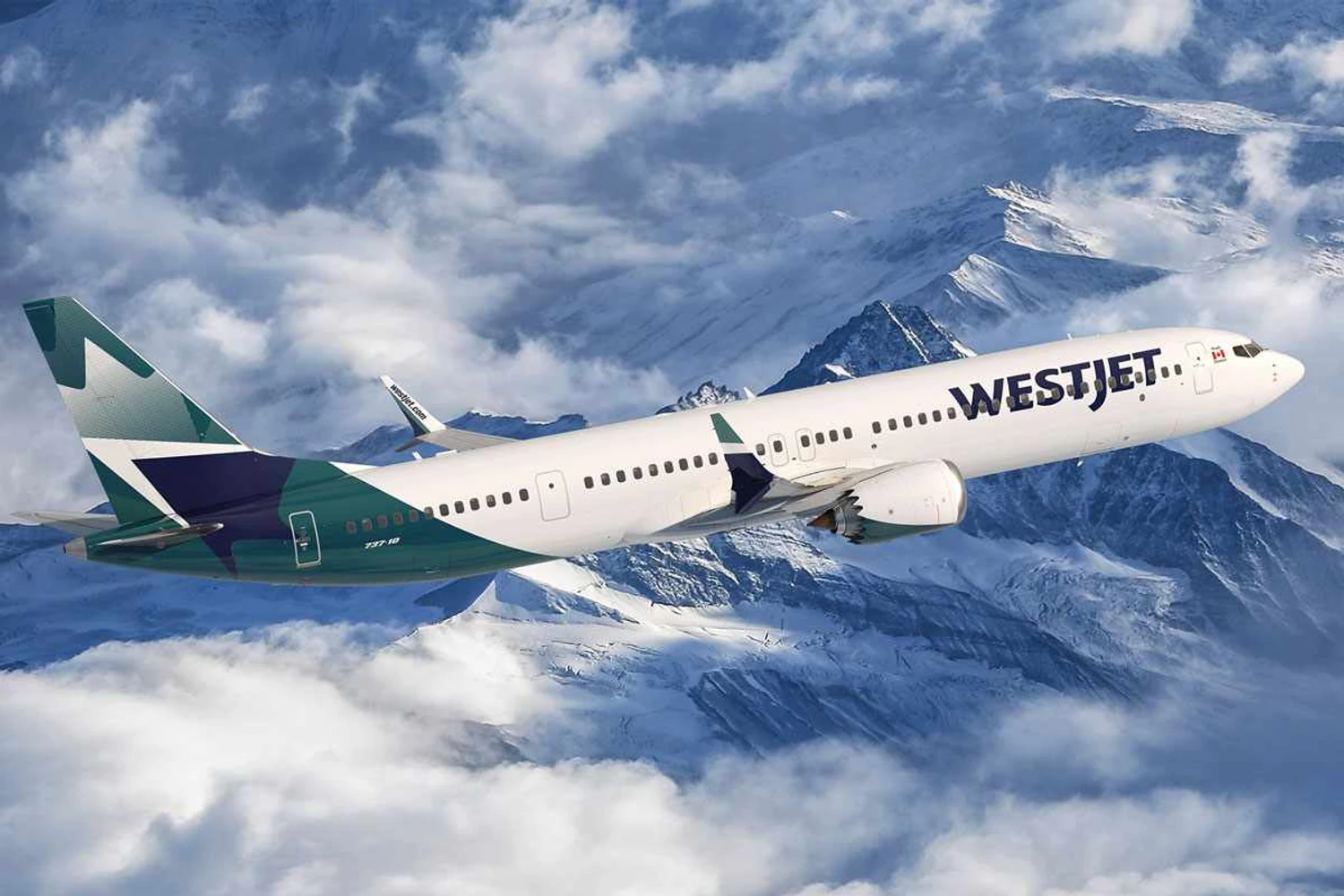
WestJet pilots first detected glitch
New information released with the FAA decision also provides more detail about how the problem was discovered.
WestJet pilots first identified the anomaly in 2024 during a validation flight conducted before a 737 MAX entered commercial service. The Canadian carrier provided flight data to Boeing and became the first airline known to have reported the condition.
WestJet previously said it had experienced no related events during regular passenger operations.
Related news

October 02, 2026
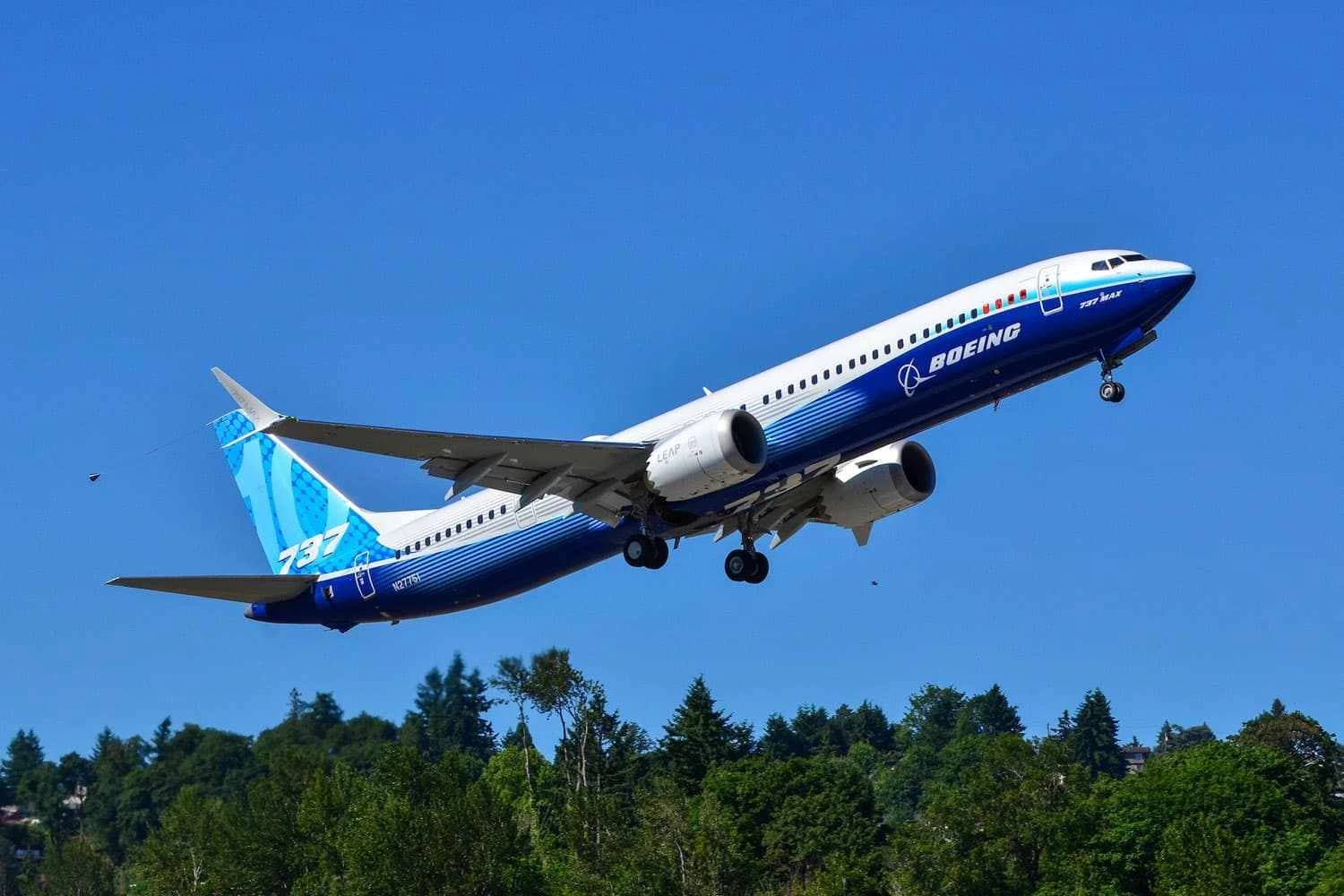
The glitch involves U14 and U14.1 versions of the flight management computer software supplied by GE Aerospace. Under a specific combination of circumstances involving a go-around and changes to the programmed flight path, the vertical navigation function can disengage.
The issue attracted greater attention after some airlines declined to accept new aircraft equipped with the affected software while Boeing worked on a solution.
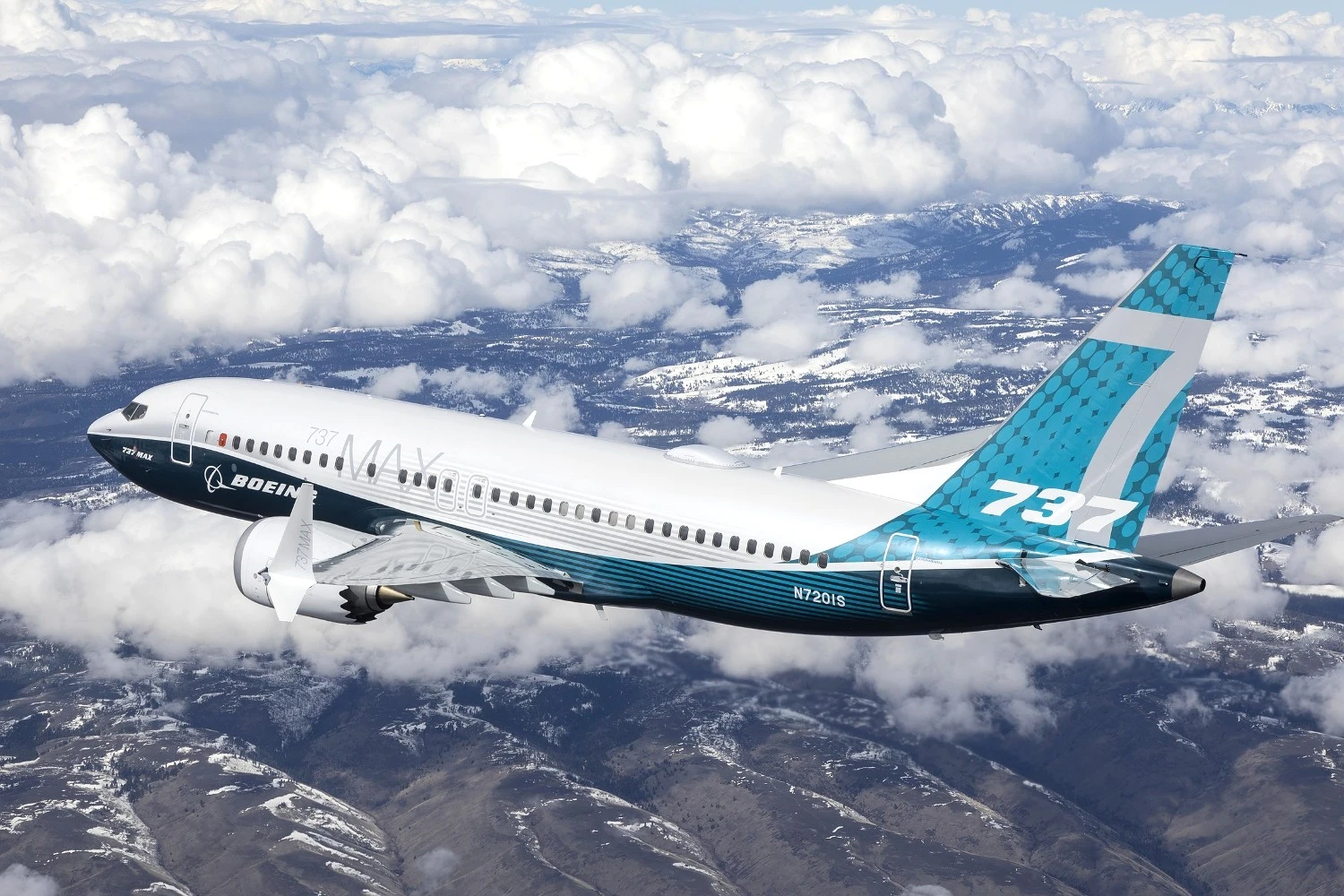
FAA says pilots remain in control
The FAA's assessment focused on whether the software behavior could prevent pilots from safely controlling the aircraft. The regulator concluded that it does not.
Bedford also stressed that the condition is unrelated to the Maneuvering Characteristics Augmentation System (MCAS), the flight-control system involved in the two fatal 737 MAX crashes in 2018 and 2019.
Boeing is continuing to develop a permanent software update. In the meantime, the manufacturer will issue information explaining how operators can identify and respond to the condition.
The FAA also plans to issue a Special Airworthiness Information Bulletin (SAIB), providing information to U.S. operators and foreign aviation authorities.
The conclusion removes one recently identified uncertainty from the MAX 10 program. The largest member of the 737 MAX family has yet to receive FAA certification, while customers including United Airlines, Delta Air Lines and Ryanair await the start of deliveries.