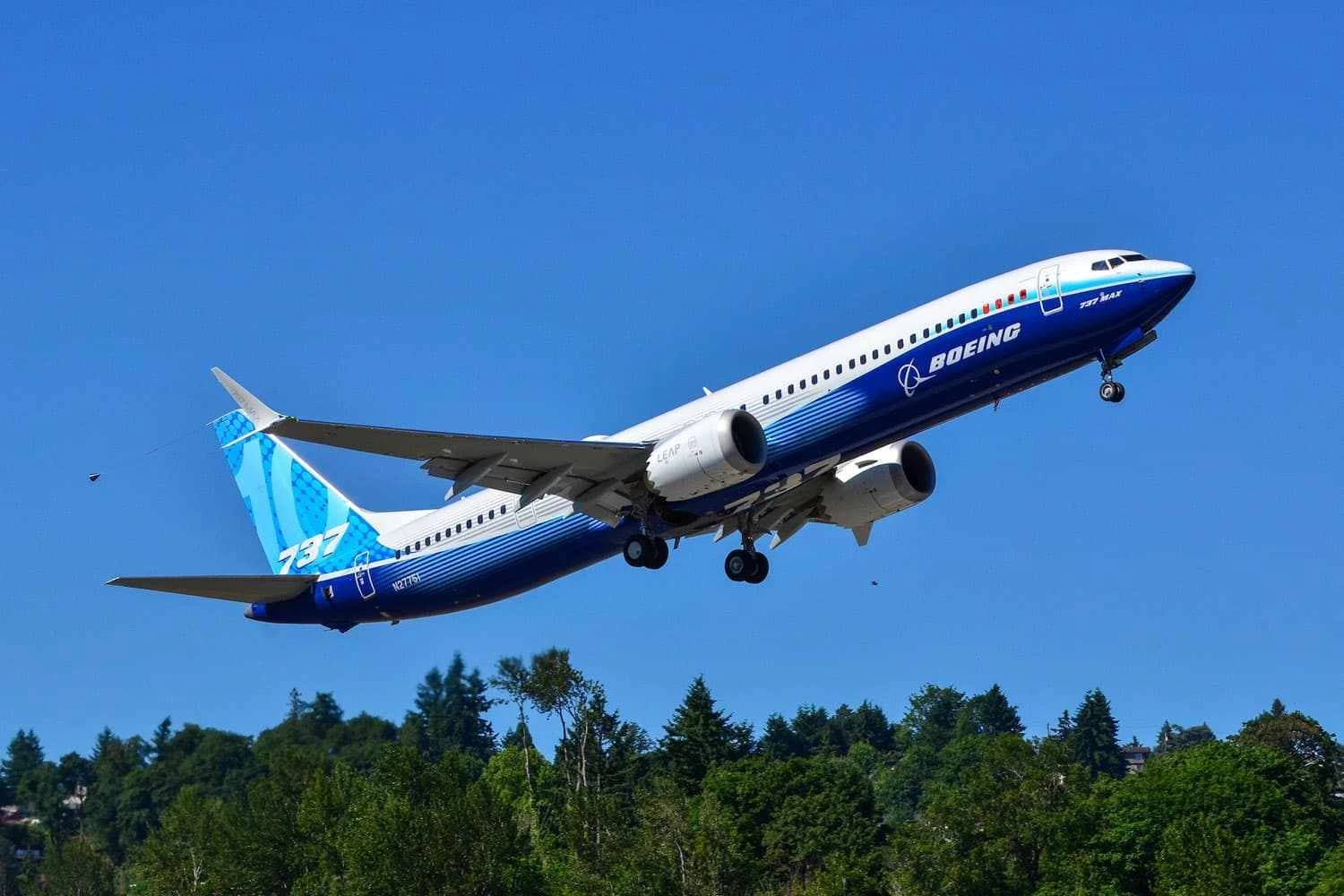
The Federal Aviation Administration (FAA) is preparing a new safety review of a software problem affecting some Boeing 737 MAX aircraft as certification of the 737 MAX 10 remains on hold.
The agency could convene a Corrective Action Review Board as soon as Friday to examine the issue and determine whether additional regulatory action is required, Bloomberg reported, citing people familiar with the matter.
The review would determine whether the problem constitutes an unsafe condition and what corrective measures may be necessary. That could affect aircraft already in service as well as the certification and introduction of the MAX 7 and MAX 10.
The issue involves Boeing's Flight Management System Update 14 software. Under specific circumstances during a go-around, the vertical navigation mode can disengage after pilots modify a previously programmed procedure.
Follow Air Data News: WhatsApp | Instagram | LinkedIn | Twitter | Facebook
The aircraft remains controllable, but pilots may need to intervene to maintain the intended vertical flight path and altitude.
Boeing became aware of the behavior after receiving an operator report in November 2024. The manufacturer evaluated the problem in February 2025 but initially concluded that it did not require a formal safety assessment.
Additional information from operators subsequently prompted Boeing to reconsider that conclusion. The company notified customers about the problem in August 2026 and began a formal safety review in September.
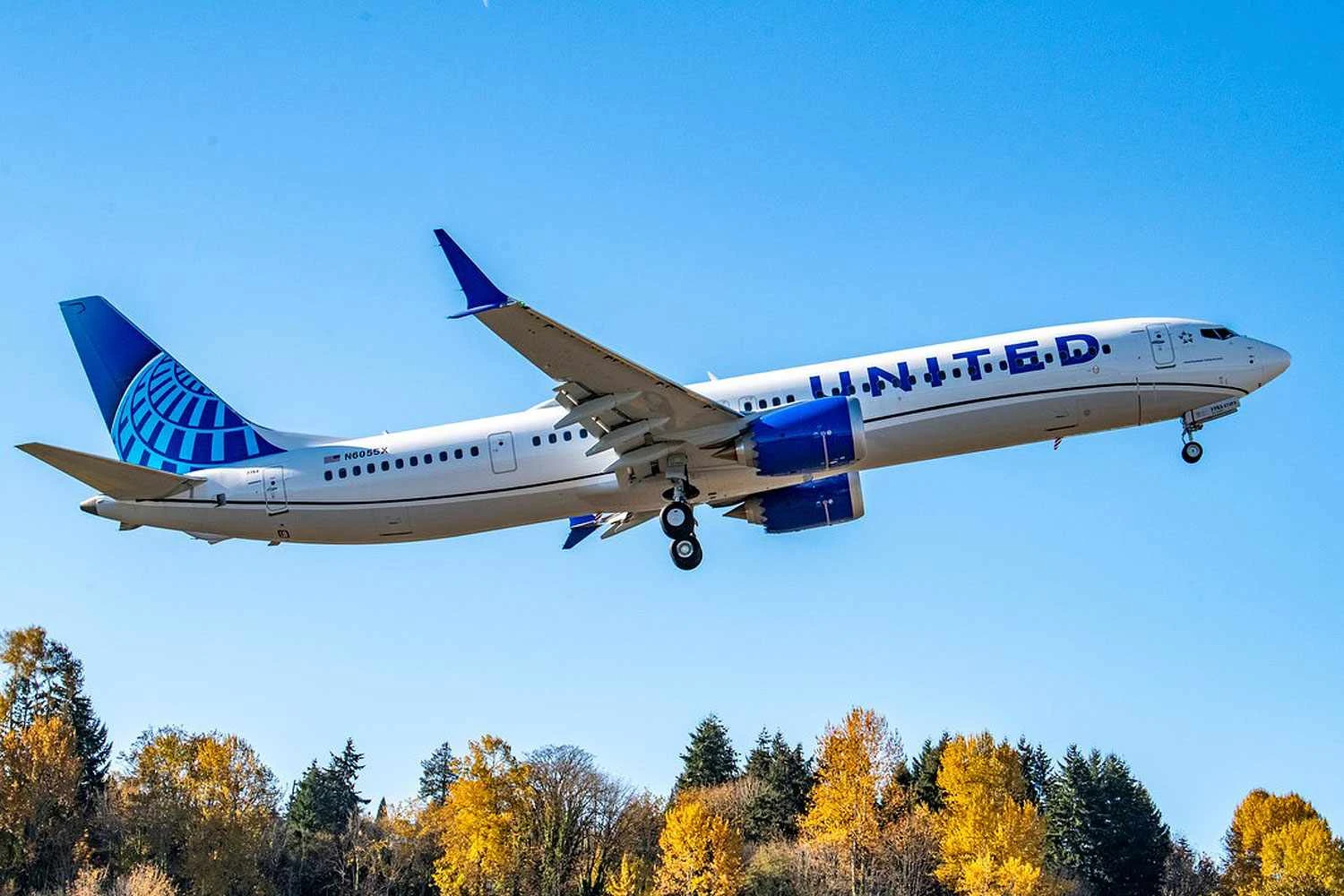
MAX 10 certification put on hold
The timing has created another obstacle for the 737 MAX 10, which had been approaching FAA certification after years of delays.
FAA Administrator Bryan Bedford said this week that certification would be delayed until regulators were satisfied that the software issue had been resolved. No revised approval date has been announced.
The MAX 10 had reached the final stages of its certification campaign, with Boeing and customers expecting approval around the end of September or during October.
The software problem does not currently prevent Boeing from delivering other MAX aircraft. Some U.S. airlines have refused to accept aircraft equipped with the affected software version, prompting Boeing to revert new deliveries to an earlier version.
Alaska Airlines, American Airlines, Southwest Airlines and United Airlines have said their MAX aircraft currently in service do not use the affected software. WestJet has aircraft equipped with the software but said it has not experienced related events.
U.S. Transportation Secretary Sean Duffy said this week that regulators had not identified a safety concern requiring the MAX fleet to be grounded.
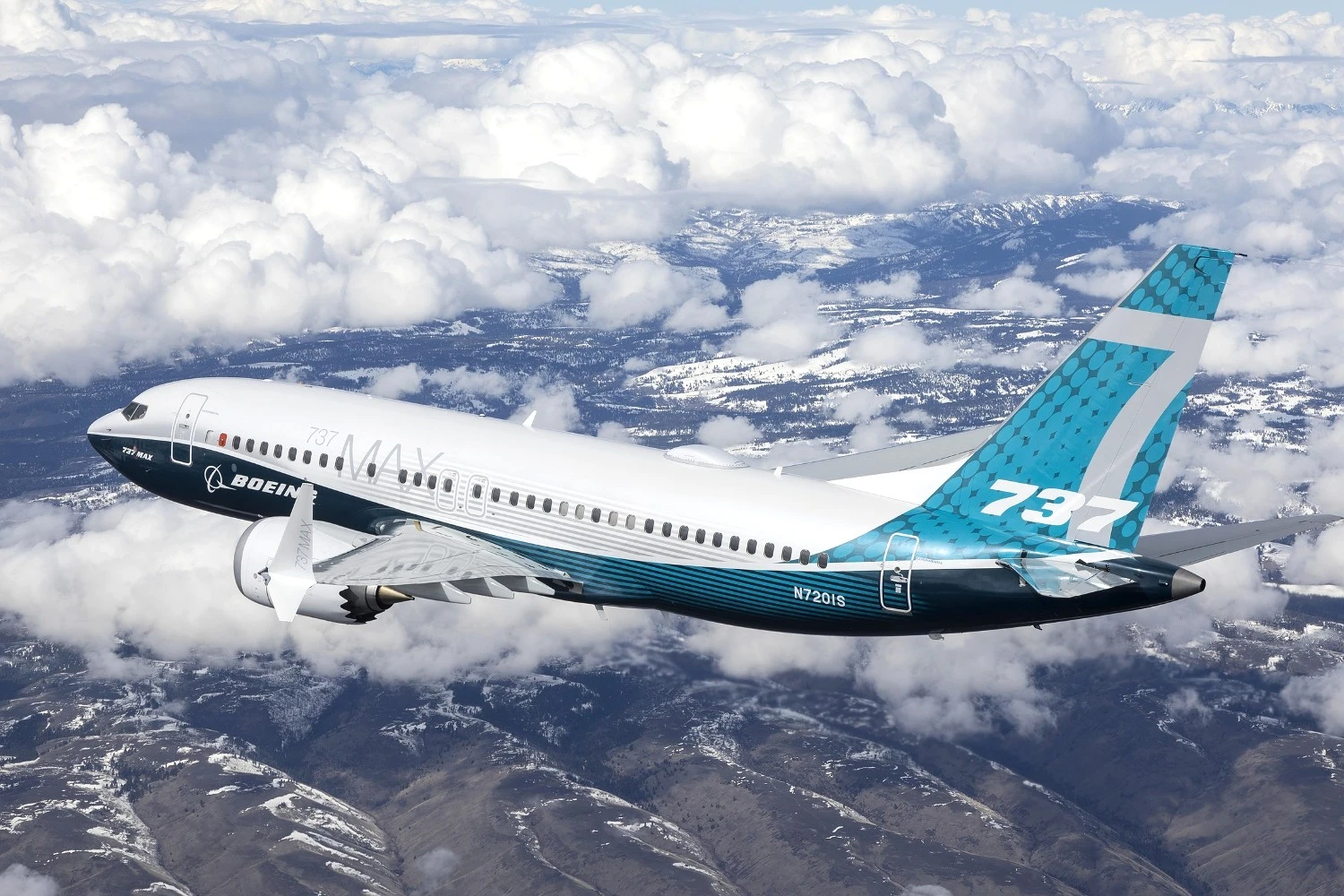
MAX 7 could also be affected
The review could have consequences beyond the MAX 10. The FAA certified the smaller 737 MAX 7 in August with the Update 14 software configuration, although the variant has not yet entered commercial service.
Any requirement to modify the software before passenger operations could therefore affect the MAX 7's introduction. Southwest Airlines is the largest customer for the variant.
The situation differs for MAX aircraft already operating with earlier flight management software. Boeing has been able to continue deliveries by installing a previous version while work proceeds on the affected update.
A permanent software correction had initially been planned for 2028, accompanied in the interim by updated operating guidance. Boeing is now working to accelerate both measures as the FAA evaluates the issue.
The regulatory review comes less than two months after the FAA certified the MAX 7 and as Boeing prepares the MAX 10 for approval. The agency's decision on whether the software problem constitutes an unsafe condition will determine whether corrective action extends beyond the still-uncertified MAX 10.