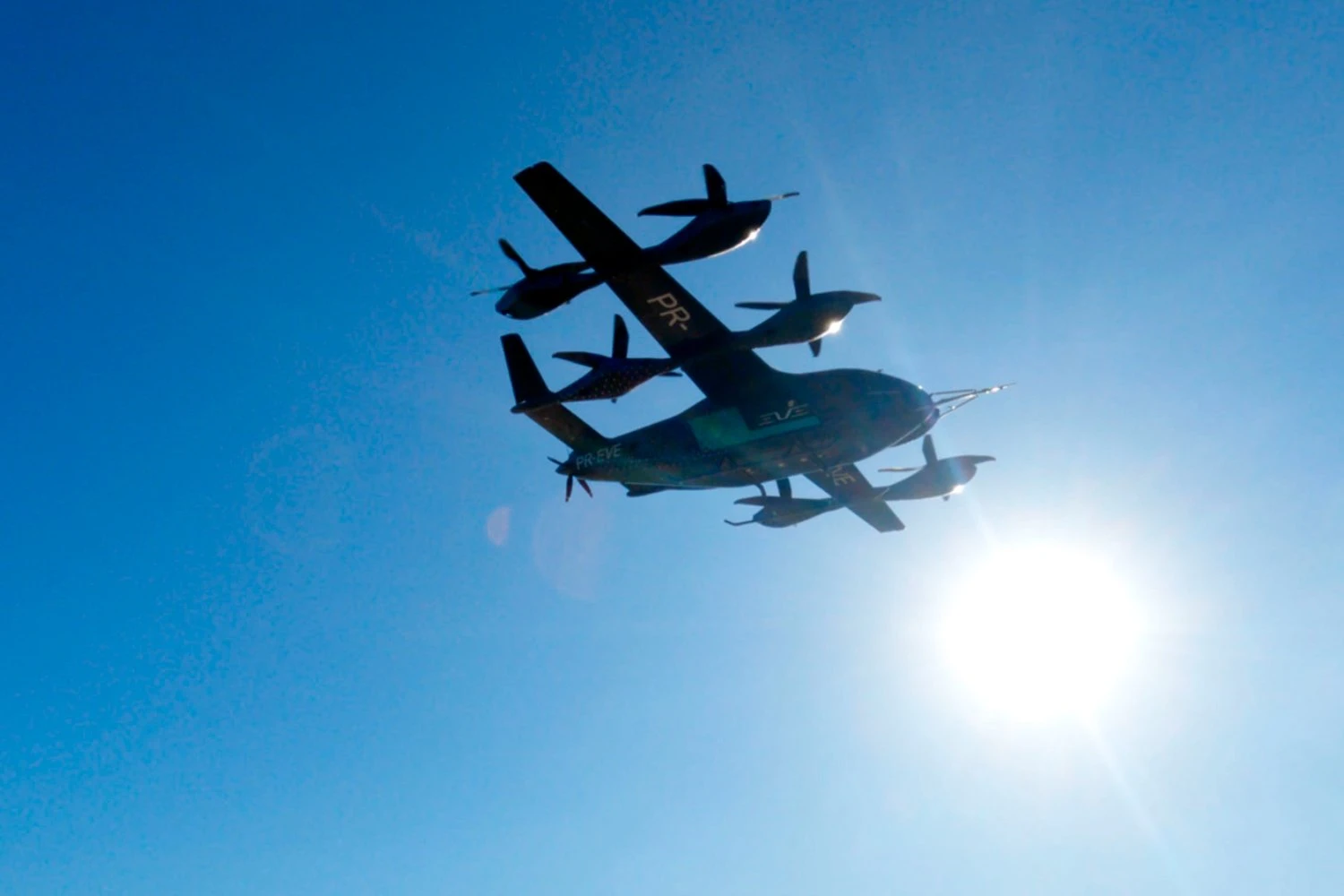
Eve Air Mobility has pushed back the certification target for its electric vertical takeoff and landing aircraft (eVTOL) to 2028, extending the timeline once again for the Embraer-controlled company while it continues flight testing and development work.
The revised schedule was confirmed this week by Eve executives, who said the aircraft is now expected to enter service in 2028. The program had previously targeted certification in 2027 after an earlier postponement from its original 2026 goal.
Related news
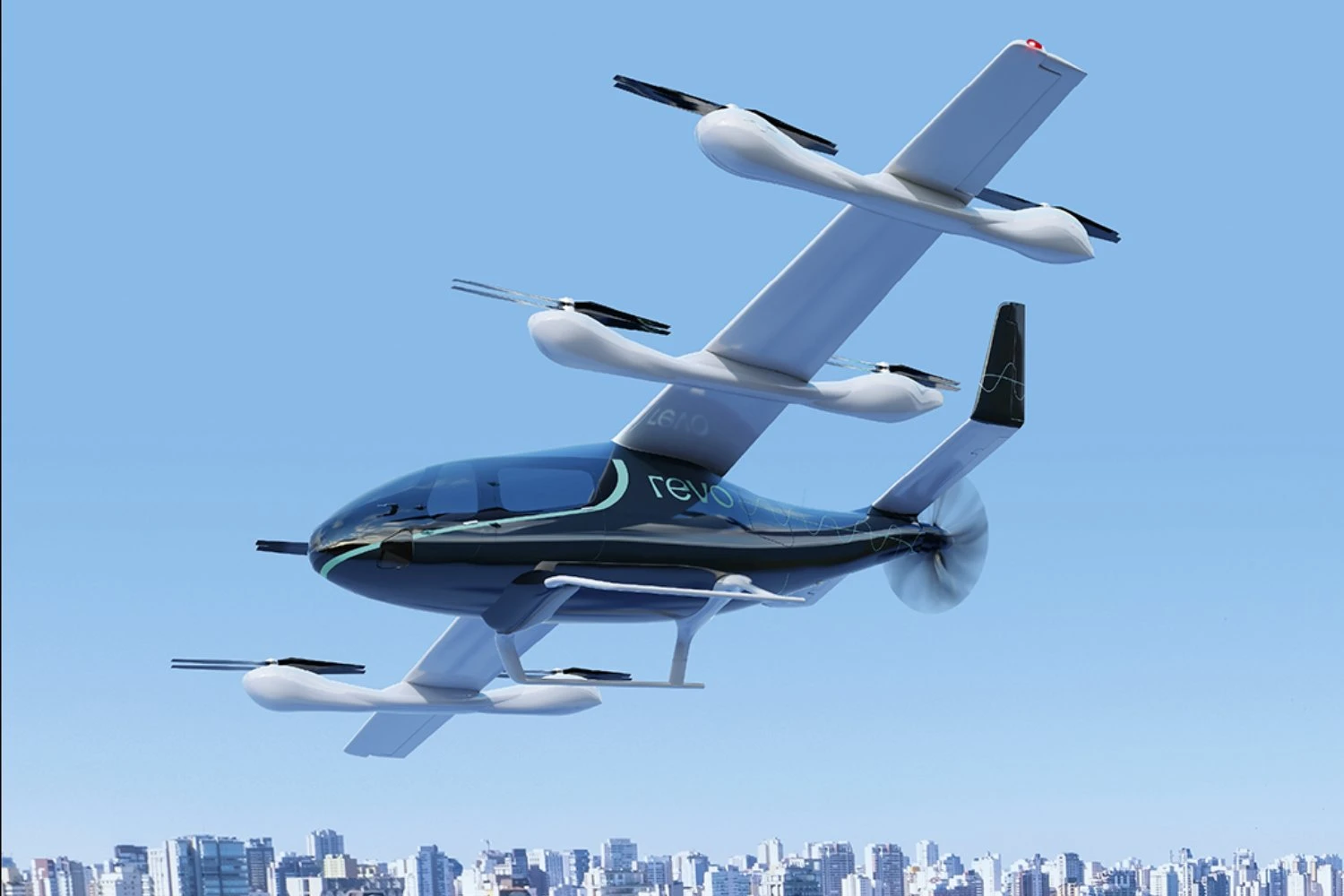
Eve currently has a single full-scale prototype in flight testing. The aircraft began flying last year in an uncrewed configuration as the company evaluates flight controls, performance and system integration.
Speaking to reporters on June 12, Eve CEO Johann Bordais said the company remains focused on managing its spending while advancing toward certification.
According to Bordais, Eve ended the first quarter with $441 million in cash and believes that is sufficient to support operations through the certification campaign.
The executive also said cash consumption in 2026 is expected to be at the lower end of the company's guidance range of $225 million to $275 million.
Eve is expected to generate over $1 billion in annual revenue
The latest schedule revision comes as the broader eVTOL sector continues to face certification and development challenges. Several manufacturers that initially projected entry into service in the middle of the decade have since pushed back timelines as regulators and developers work through the complexities of certifying a new category of aircraft.
Despite the delay, Embraer continues to highlight Eve as a potential future contributor to the group's business. Chief Executive Francisco Gomes Neto said this week that Eve could eventually generate between $1 billion and $1.5 billion in annual revenue after production reaches scale, depending on market demand.
Unlike some competing programs that have already flown piloted prototypes, Eve's aircraft remains in an earlier phase of testing. The company has nevertheless accumulated one of the industry's largest order backlogs, with letters of intent covering more than 2,800 aircraft from airlines, lessors and urban air mobility operators worldwide.