
Embraer sees an opportunity to expand sales of its E2 jets in Asia, where approximately 800 turboprop aircraft remain in service. The Brazilian manufacturer believes some of these aircraft could be replaced by regional jets, particularly in markets such as India, the Philippines and Indonesia.
Raul Villaron, Embraer's vice president of Commercial Aviation for Asia-Pacific, outlined the opportunity during the 70th Assembly of Presidents of the Association of Asia Pacific Airlines (AAPA), held in Kuala Lumpur, Malaysia. His remarks were reported by Malaysian newspaper The Sun last week.
According to Villaron, replacing the region's aging turboprops faces an industrial constraint. Franco-Italian manufacturer ATR is currently the only company regularly producing commercial turboprops in this category, delivering approximately 30 aircraft annually. Canada's De Havilland suspended production of the Dash 8-400 and has yet to restart the assembly line.
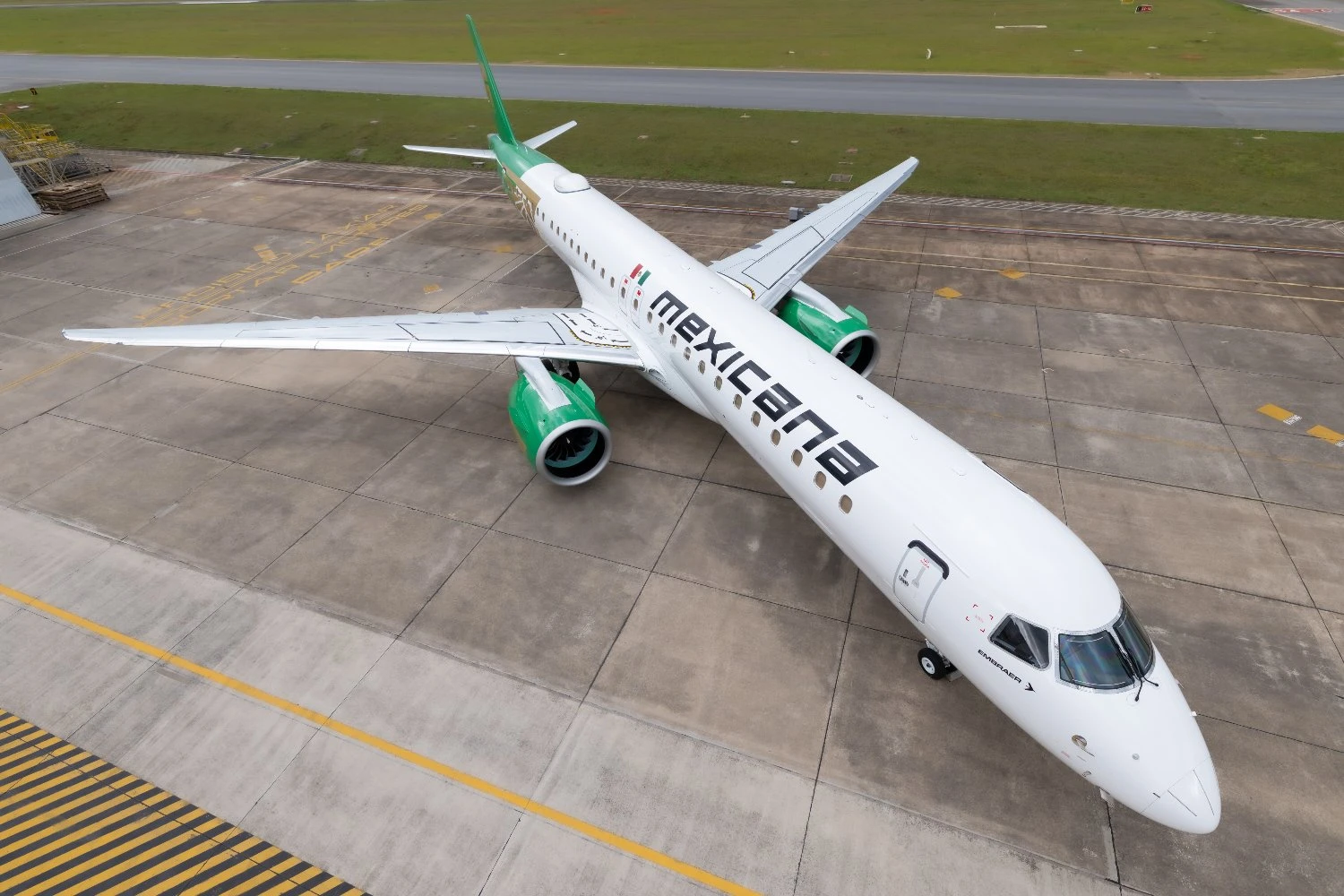
Embraer believes this situation creates opportunities for E2 jets on routes with sufficient passenger demand to support larger aircraft. The E195-E2, for example, can accommodate up to 146 passengers, nearly twice the capacity of regional turboprops such as the ATR 72, typically configured with around 70 to 78 seats.

Follow Air Data News: WhatsApp | Instagram | LinkedIn | Twitter | Facebook
The manufacturer also points to the higher cruising speed of jets, which can shorten travel times and allow airlines to operate more flights per aircraft each day. At congested airports, carrying more passengers on each departure can help increase capacity without requiring additional takeoff and landing slots.
However, E2 jets are not direct replacements for turboprops in every market. Aircraft such as the ATR 72 retain fuel consumption and operating cost advantages on certain short routes, particularly where passenger demand is limited.
India and Southeast Asia offer opportunities
Embraer identifies India, the Philippines and Indonesia as particularly promising markets for expanding E2 operations. All three countries have growing air transport networks, although their domestic routes have different operating requirements.
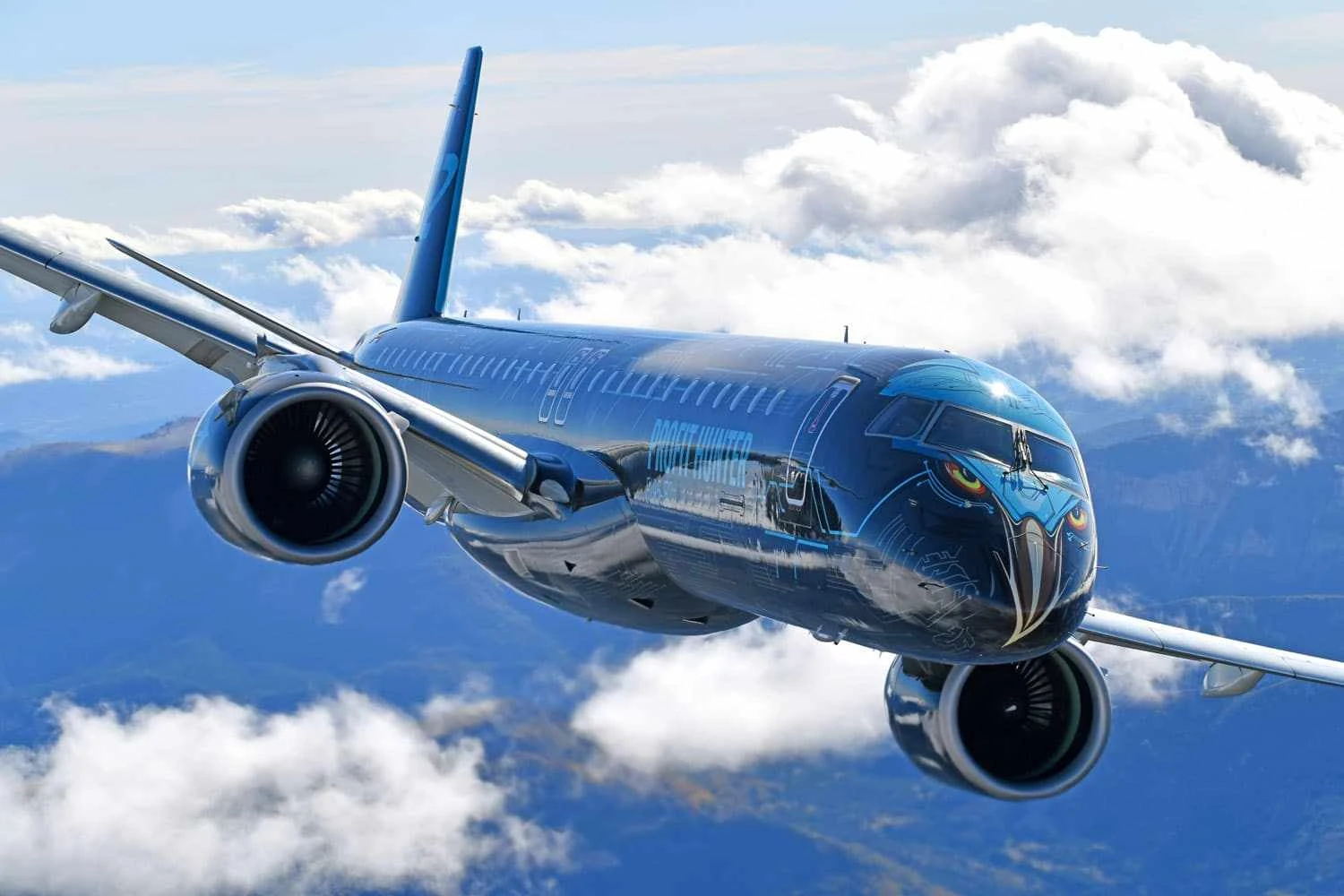
In the Philippines, congestion at Manila's Ninoy Aquino International Airport prompted authorities to require commercial turboprop operations to move to other airports, including Clark. The policy creates an opportunity for airlines to consider larger aircraft on routes that need to retain access to Manila.
Indonesia's geography, comprising thousands of islands, creates demand for different aircraft types. Jets may be competitive on busier routes, but turboprops remain important for smaller airports and short-distance services.
India offers a potentially larger commercial opportunity. Reports indicate that IndiGo is in preliminary discussions to acquire approximately 100 Embraer regional jets, with options for another 50 aircraft.
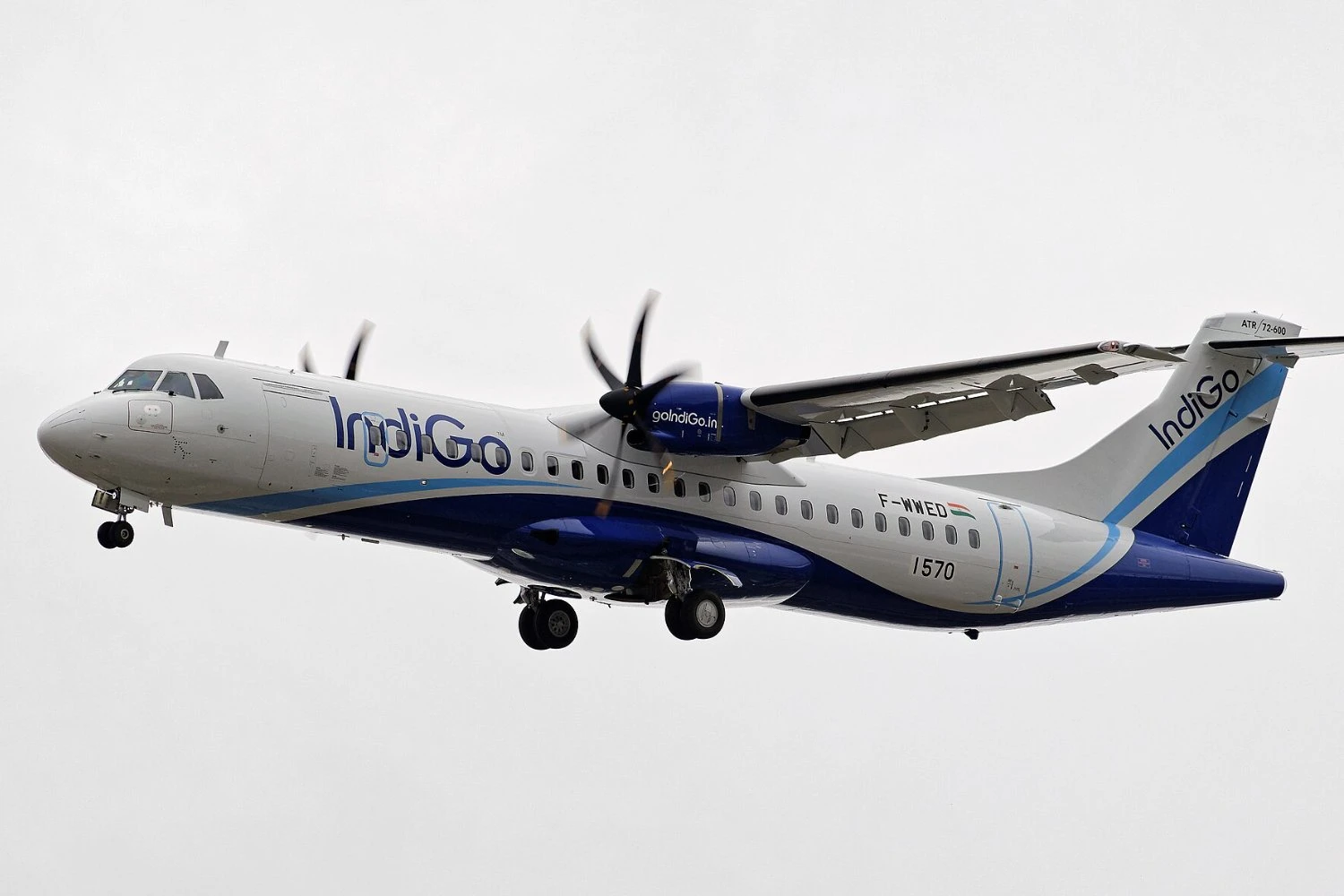
The country's largest airline has not announced an order or selected an aircraft model. IndiGo also operates ATR 72 turboprops on domestic routes, but there is no confirmation that a potential Embraer purchase would directly replace those aircraft.
Related news
November 16, 2026
November 16, 2026
Embraer's airline presence in India remains limited, with the small regional carrier Star Air currently its only commercial operator in the country.
Embraer abandoned its own turboprop project
The manufacturer's commercial strategy in Asia is particularly notable because Embraer spent several years studying the development of a new-generation turboprop designed to carry approximately 70 to 90 passengers.
The company publicly presented concepts featuring engines mounted at the rear of the fuselage. Its goal was to offer an aircraft with a quieter cabin and lower fuel consumption.

In November 2025, however, Embraer CEO Francisco Gomes Neto confirmed that the program had been canceled. The manufacturer concluded that the technological and commercial conditions were not sufficiently mature to proceed with development.
Embraer forecasts global demand for approximately 8,500 aircraft with up to 150 seats through 2045. Of that total, around 2,520 aircraft are expected to be delivered to Asia-Pacific and China.
Several airlines in the region already operate E2 jets. Scoot, the low-cost subsidiary of Singapore Airlines Group, introduced the E190-E2 in May 2024 and uses the aircraft on regional services, including tourist destinations that do not necessarily require larger narrowbody jets.
In Japan, All Nippon Airways (ANA) has ordered 23 E190-E2 jets, with five additional options. Japan Airlines (JAL) has also ordered 16 aircraft of the same model, with ten options, to renew the fleet of its regional subsidiary J-AIR beginning in fiscal year 2029.
