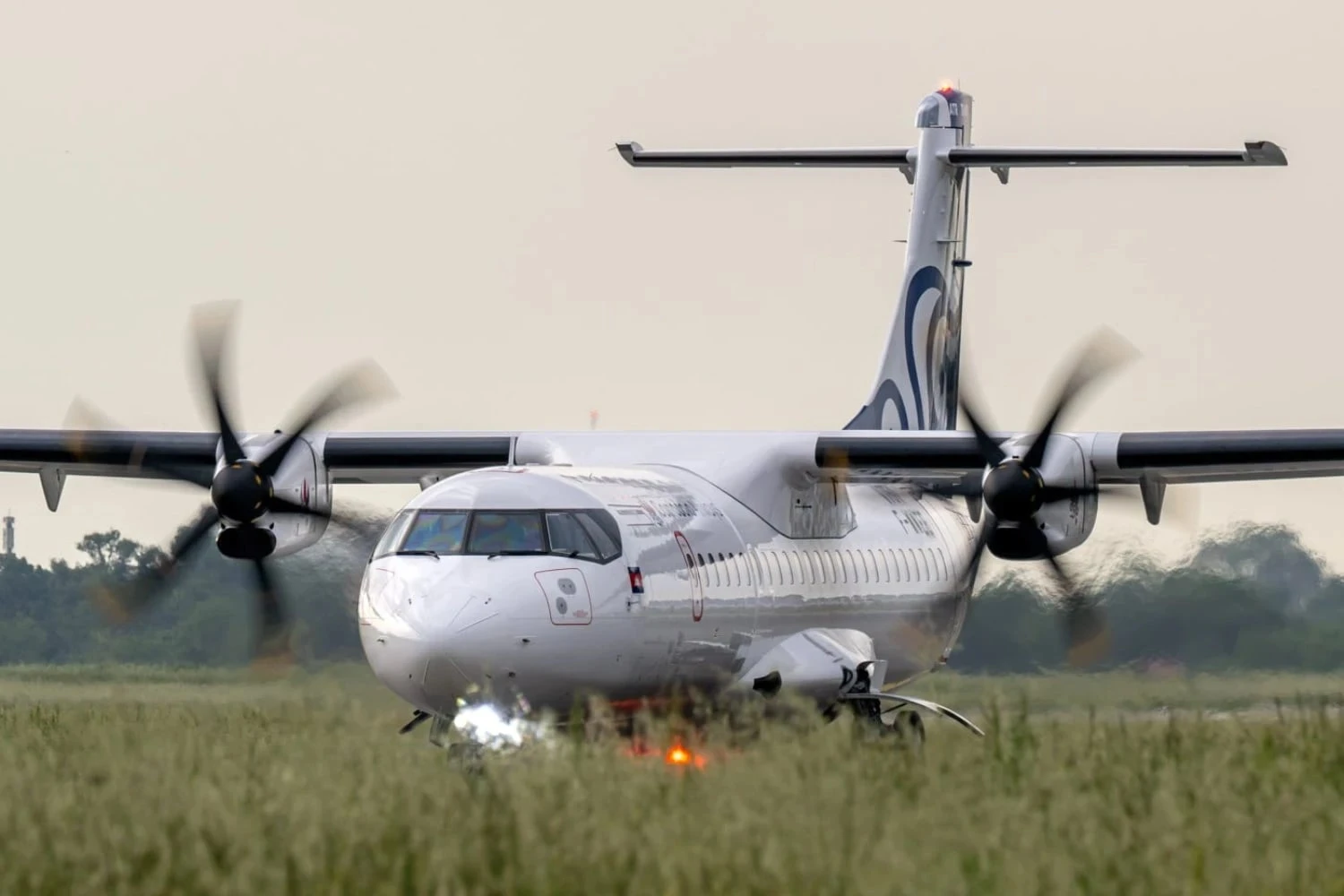
The European Union Aviation Safety Agency (EASA) has ordered more frequent inspections of the de-icing systems installed on ATR 42 and ATR 72 turboprop aircraft. The new airworthiness directive, issued on November 16, addresses potentially undetected failures that could lead to a loss of control during flight in icing conditions.
The directive, AD 2026-0219, covers all aircraft in the ATR 42 and ATR 72 families, including newer variants. It replaces an earlier directive issued in January 2025 and takes effect on November 30.
The requirements focus on pressure regulator and shut-off valves (PRSOVs), which control the supply of hot air used by the aircraft's de-icing system to prevent ice accumulation on critical surfaces.
According to EASA, a design review identified the need to shorten the intervals between functional tests of these valves. A subsequent failure modes and effects analysis conducted by the supplier established that even more frequent checks were necessary to meet safety requirements.
Follow Air Data News: WhatsApp | Instagram | LinkedIn | Twitter | Facebook
Under the revised directive, functional tests must be performed every 160, 190 or 210 flight hours, depending on the aircraft configuration and modifications incorporated. Transitional requirements also establish when the first inspection must be completed.
If a malfunction is detected, operators must complete the necessary corrective actions before the aircraft's next flight. Where existing maintenance instructions do not provide an approved solution, operators must obtain appropriate repair instructions from ATR.
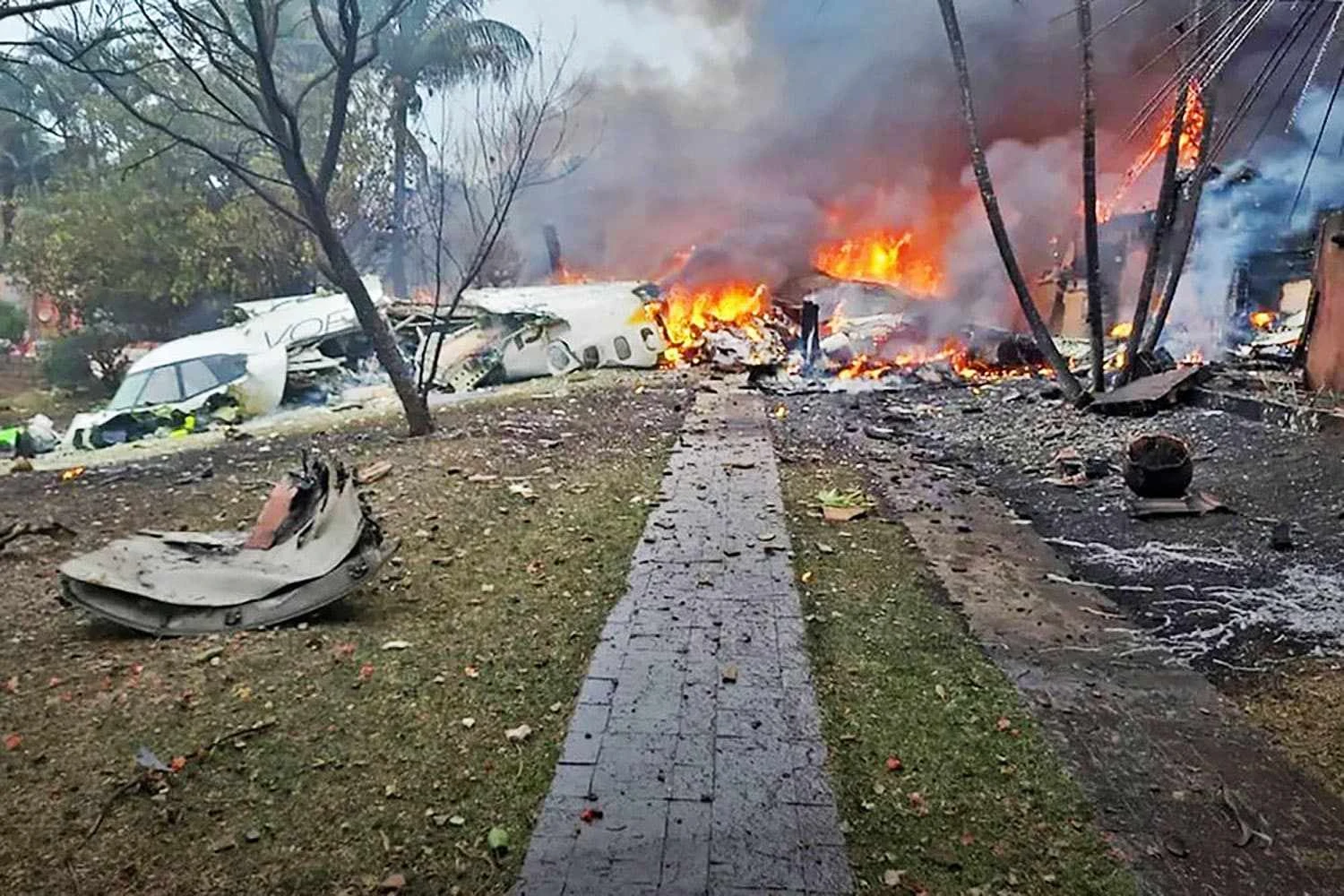
Voepass crash highlighted icing hazards
The new directive comes nearly four months after Brazilian investigators released their final report into the August 9, 2024 crash of an ATR 72-500 operated by regional airline Voepass. All 62 people aboard were killed.
Brazil's Aeronautical Accidents Investigation and Prevention Center (Cenipa) published its findings on July 23, 2026. Investigators determined that the aircraft encountered conditions conducive to severe icing and identified recurring de-icing system malfunctions, maintenance deficiencies and shortcomings in the flight crew's response to aircraft warnings.
The investigation also found that certain technical problems had not been effectively resolved before aircraft were returned to service. Ice accumulation degraded the ATR's aerodynamic performance, contributing to a stall and the subsequent loss of control.
Cenipa issued safety recommendations to EASA and ATR, including improvements to operational procedures and systems associated with flight in icing conditions.
Related news

The latest European directive does not identify the Voepass accident as a reason for the revised inspection requirements. EASA attributes the changes to technical safety assessments of the de-icing system and its components, without establishing a direct connection to the Brazilian accident.
ATR issued its initial technical communication concerning the valve inspections in October 2024, two months after the crash. EASA introduced the first mandatory requirements in January 2025 and has now revised them following additional safety analyses.
Additional inspections target ATR tail structure and oxygen systems
EASA has issued two other airworthiness directives concerning ATR aircraft in November. On November 12, the agency published AD 2026-0217, reducing the time allowed to inspect structural components of the horizontal stabilizer.
The measure follows reports of loose fasteners and cracks found on aircraft in service. Subsequent investigations also identified possible manufacturing deviations that could affect additional aircraft.
The issue has been monitored since 2023, when EASA introduced its first mandatory inspections. The requirements were expanded in 2025 to cover additional aircraft and structural areas.
Under the latest revision, certain ATR 42-500 and ATR 72-212A aircraft must undergo the required inspections within 20 months of May 28, 2025, rather than the previous 24-month interval. The inspections cover internal stabilizer structures and their attachments, where deterioration could compromise the aircraft's structural integrity.
A separate directive, AD 2026-0215, issued on November 6, addresses passenger oxygen systems. EASA identified a potential assembly defect in pressure regulators supplied for certain aircraft configurations, which could prevent oxygen from flowing when the system is activated.
Affected aircraft must be inspected within six months or 750 flight hours, whichever occurs first. Operators are also required to follow updated maintenance procedures for the affected components.
