The Airbus A330-900 has received European certification to carry up to 480 passengers, an increase of 15 seats over its previous maximum of 465. The change allows airlines to accommodate more passengers without altering the aircraft's dimensions.
The new limit appears in Issue 70 of the European Union Aviation Safety Agency (EASA) type certificate data sheet for the A330, dated October 30. It represents a 3.2% increase in the maximum approved passenger capacity of the larger A330neo variant.
The approval covers aircraft equipped with four pairs of Type A+ emergency exits and Airbus modification MOD 210978, which introduces upgraded evacuation slides that can also serve as life rafts in the event of a water landing.
A second configuration, combining three pairs of Type A+ exits with one pair of Type A exits, is approved for up to 470 passengers.
Evacuation equipment was the limiting factor
The A330-900 was already certified with Type A+ emergency exits before the latest revision. However, the previous certification restricted the maximum number of passengers to 465 because of limitations associated with the aircraft's emergency evacuation equipment.
Follow Air Data News: WhatsApp | Instagram | LinkedIn | Twitter | Facebook
The upgraded slide-rafts address that restriction, allowing the aircraft to take advantage of the higher passenger capacity supported by its emergency exits.
The revised type certification is already in effect, but it does not automatically authorize every A330-900 currently in service to carry 480 passengers. Individual aircraft must incorporate the applicable modification and have an approved cabin layout, along with the required cabin crew.
Low-cost and leisure airlines stand to benefit
The higher capacity is particularly attractive to low-cost and leisure airlines, which often use high-density, predominantly economy-class cabins to reduce costs per passenger. An additional 15 seats could improve the economics of flights with consistently high demand.
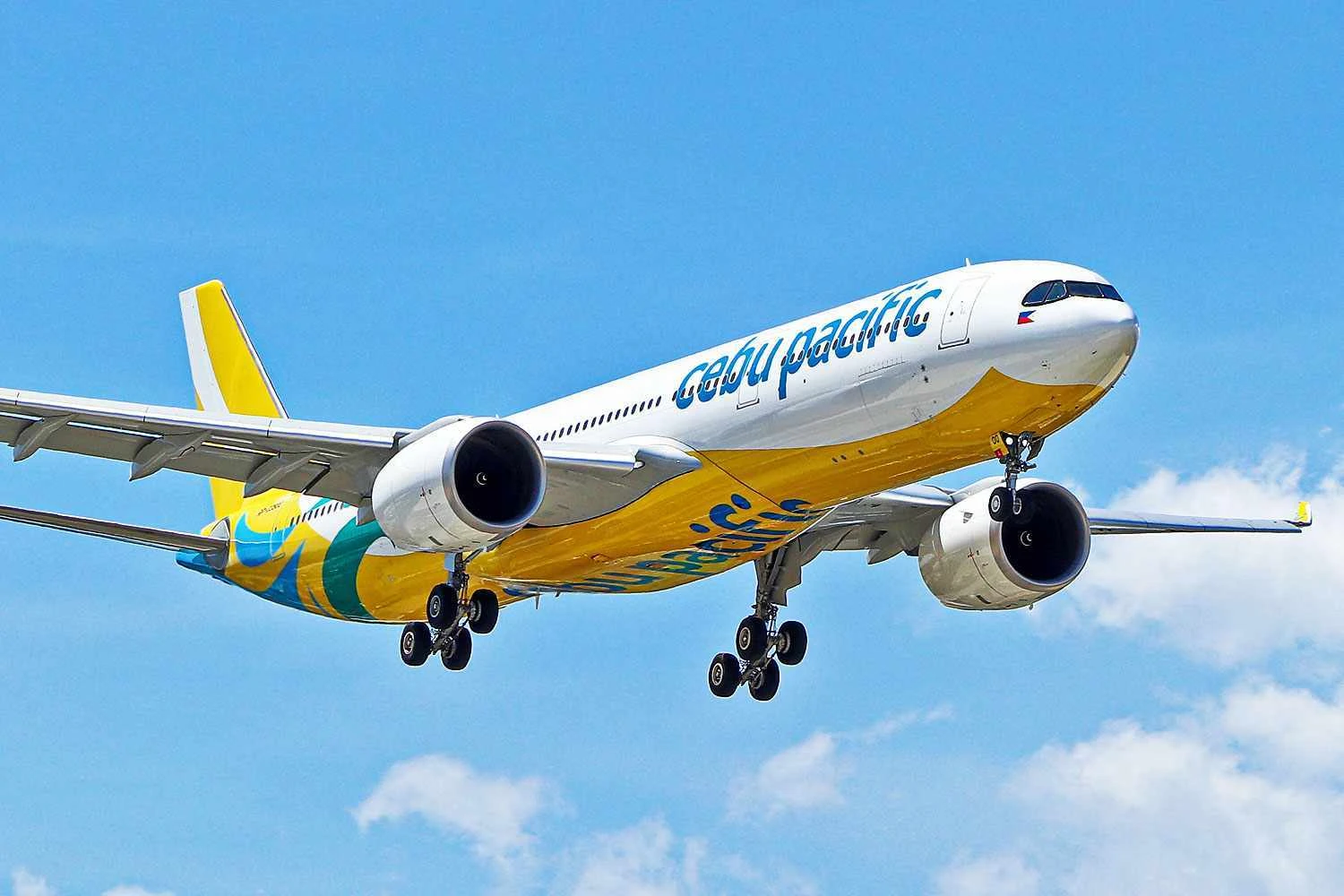
The Philippine low-cost carrier Cebu Pacific provides a clear example. Its A330-900s carry 459 passengers in an all-economy configuration, one of the densest layouts currently used on the type. Lion Air, another budget operator, flies A330-900s with approximately 436 to 440 seats.
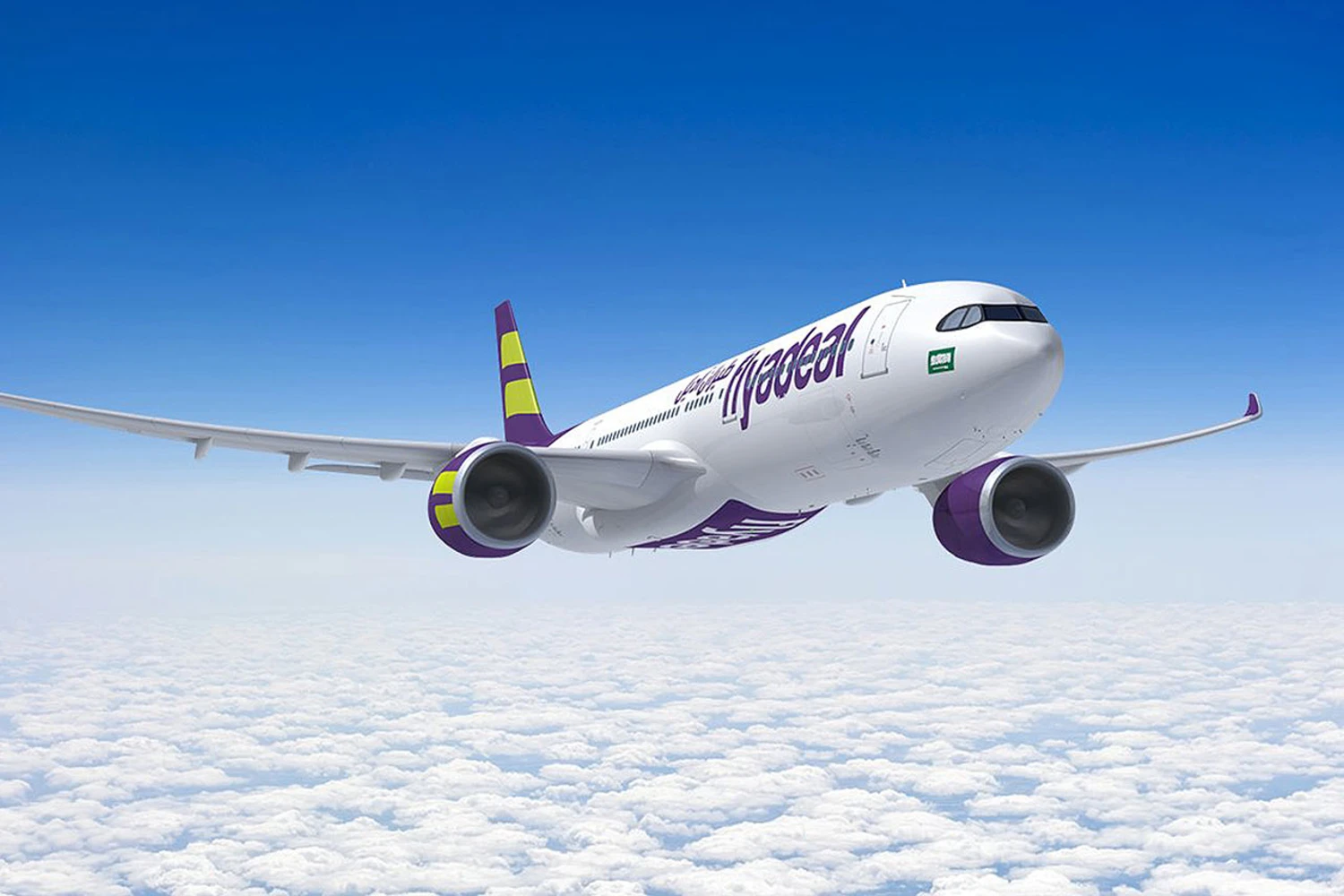
Other potential beneficiaries include Flyadeal, the Saudi low-cost carrier preparing to introduce A330-900s with 420 seats in 2027, and airlines serving leisure destinations or pilgrimage markets.
Related news
November 08, 2026
November 07, 2026
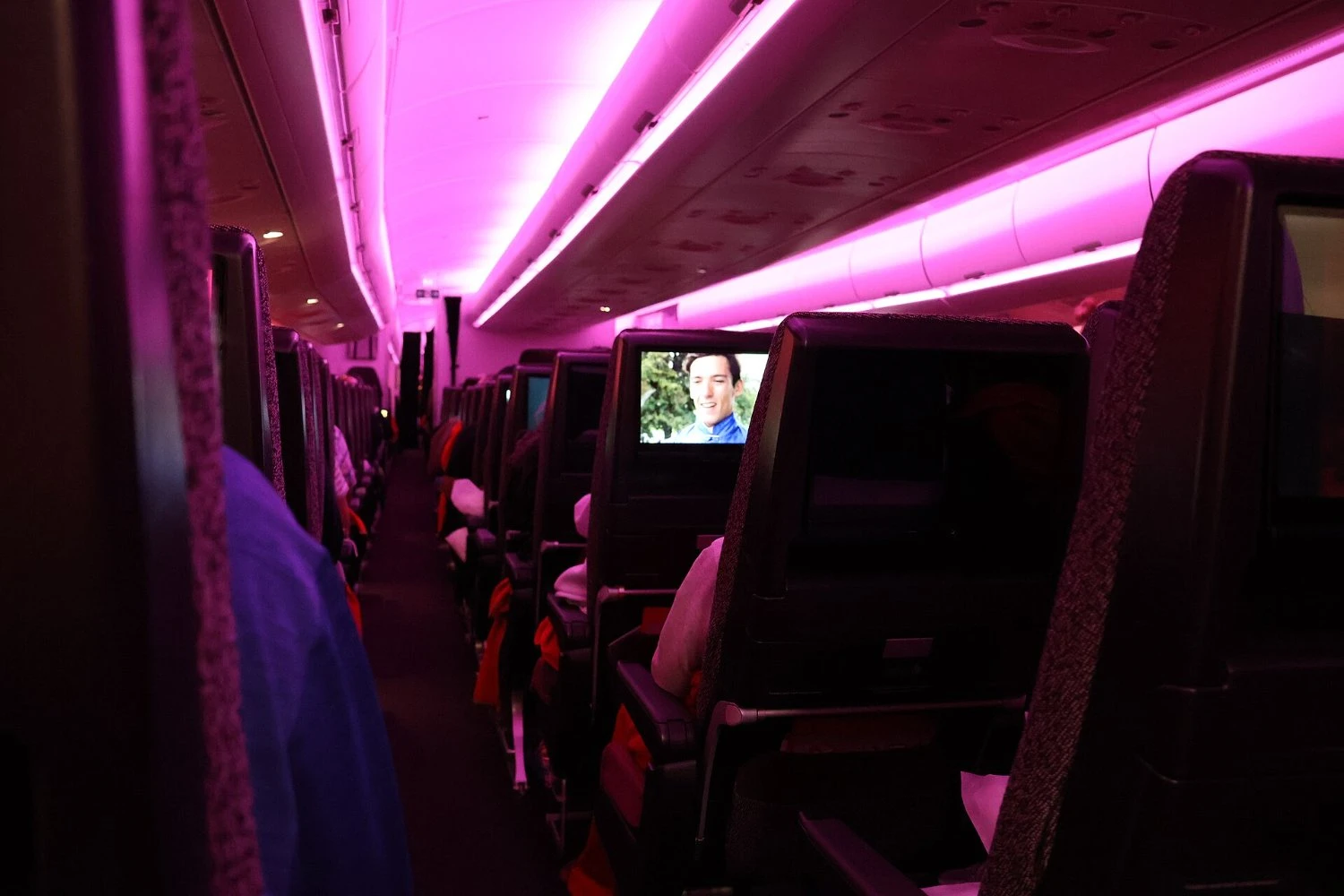
By comparison, Airbus typically markets the A330-900 with 287 to 303 seats in a conventional three-class configuration, illustrating how different the maximum-capacity layout is from that used by full-service carriers.
The EASA approval does not identify an airline that has committed to introducing the 480-seat configuration. It is also unclear whether an operator plans to retrofit existing aircraft or introduce the modification on newly delivered A330-900s.
For comparison, Azul's newly delivered A330-900 has 298 seats across three cabin categories.