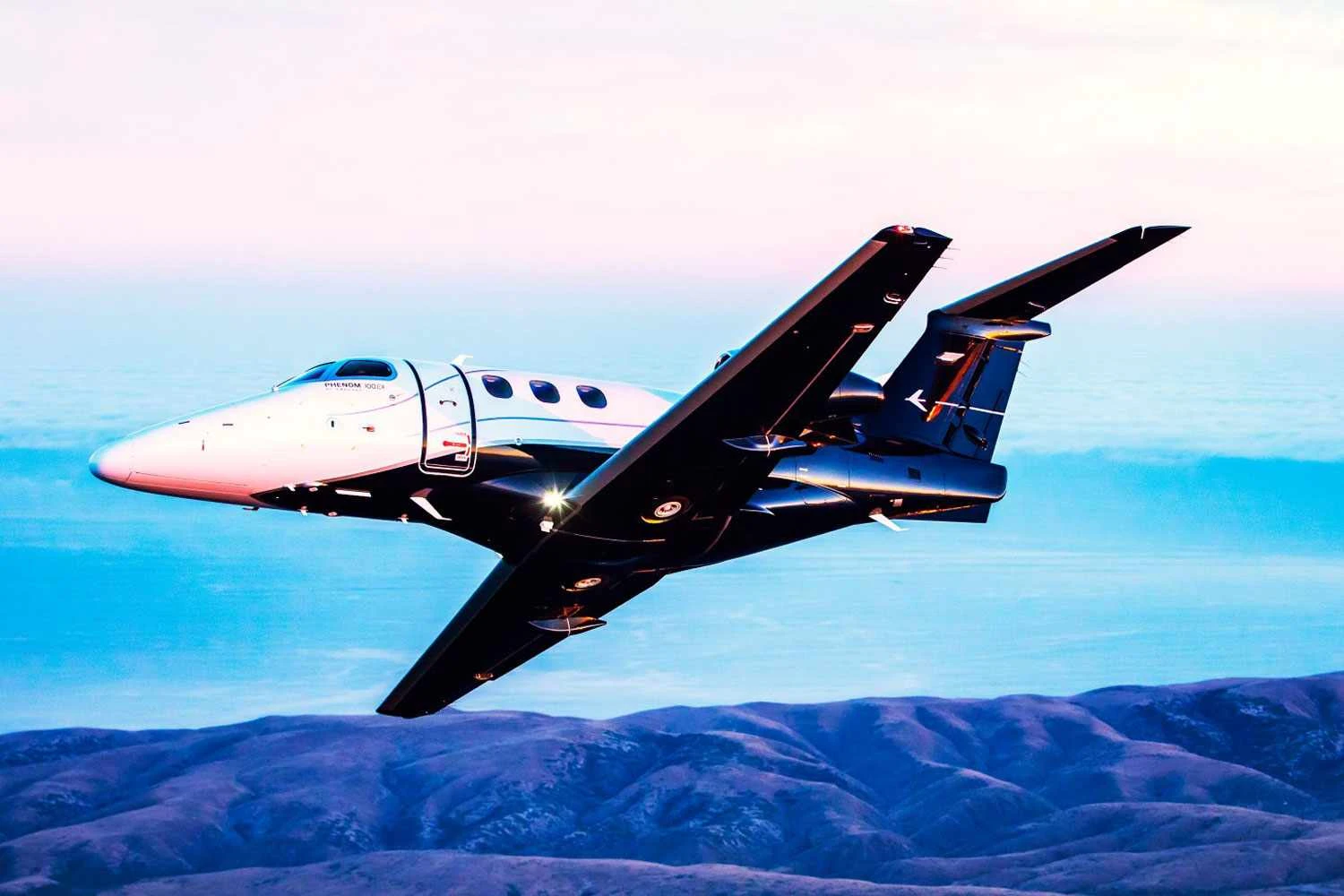
 Business Aviation
Embraer paid about $80 million in U.S. tariffs imposed in 2025 before the measure was overturned earlier this year, with most of the impact falling on the company’s executive jet division.
According to Embraer CFO Antonio Carlos Garcia, roughly 85% of the tariffs paid since April 2025 were related to exports of business aircraft to the United States.
The duties were imposed under measures introduced during the Trump administration but were terminated on Feb. 24, 2026, after a U.S. Supreme Court ruling struck down the tariffs under the International Emergency Economic Powers Act.
Even after the decision, Embraer said it still holds aircraft inventory on which tariffs had already been paid. Company executives indicated the issue will be managed throughout the year and has already been incorporated into financial projections.
Embraer CEO Francisco Gomes Neto said the removal of the tariffs restores competitive conditions in the market, noting that the Brazilian manufacturer had been the only aircraft producer paying duties on exports to the United States.
The company has not yet decided whether it will attempt to recover the funds paid under the tariff policy.
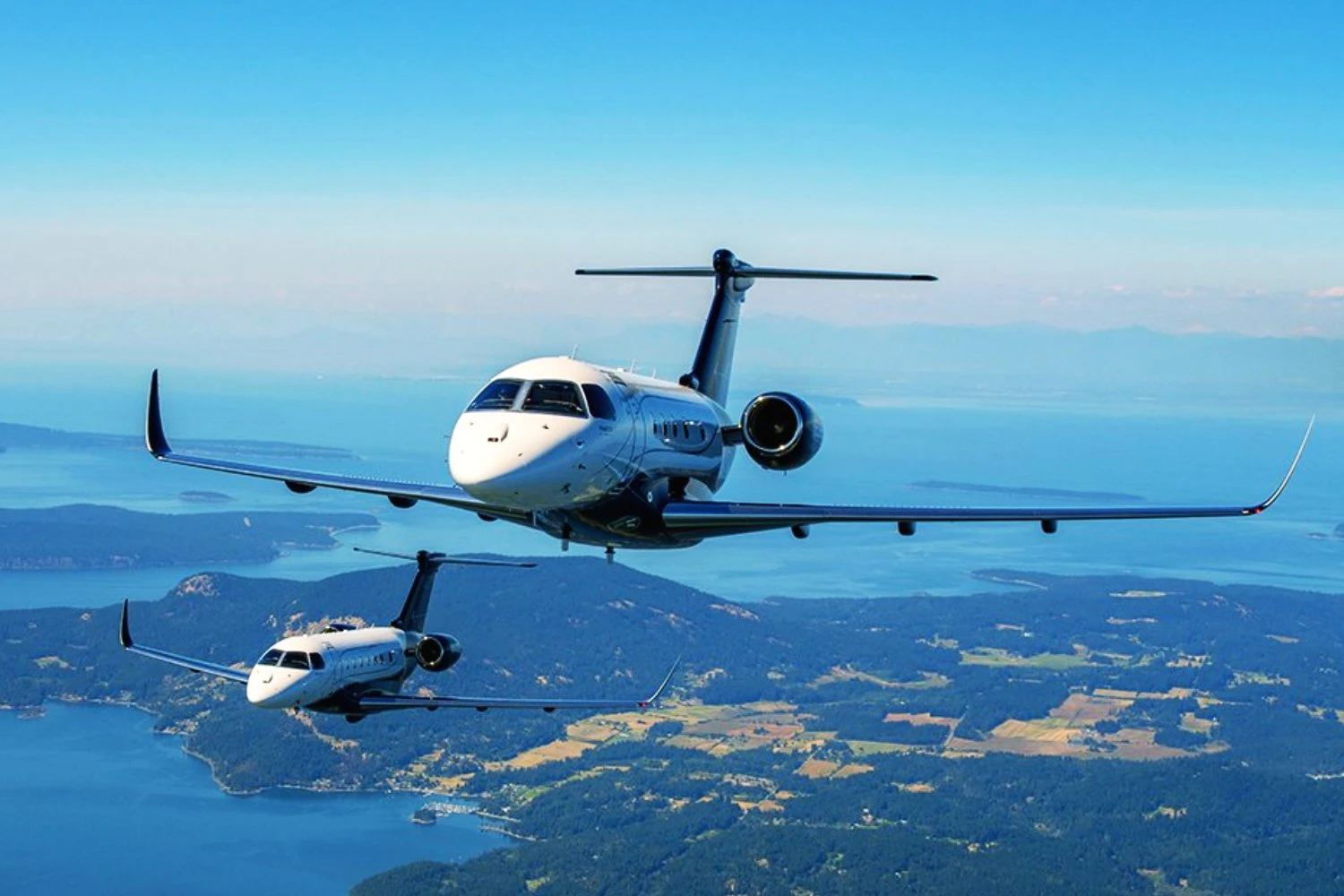
The impact was concentrated in Embraer’s executive aviation division, which represents about 30% of the company’s total revenue. Despite the additional costs, the segment maintained delivery levels in 2025.
Embraer delivered 155 business jets last year and expects to hand over between 160 and 170 aircraft in 2026. The company ended 2025 with an executive jet order backlog of $7.8 billion, up from $7.4 billion a year earlier.
Fourth-quarter revenue in the business jet segment reached $750 million, a 20% increase compared with the same period in 2024, supported by higher delivery volumes and pricing.
Executives said supply chain conditions have begun to improve, although some production bottlenecks remain. Embraer has been working to increase efficiency in its assembly lines and expand capacity in areas that previously constrained output.
According to Gomes Neto, production times have improved significantly in recent years, with Praetor and Phenom jets now assembled in roughly half the time required in 2021.