 Defense
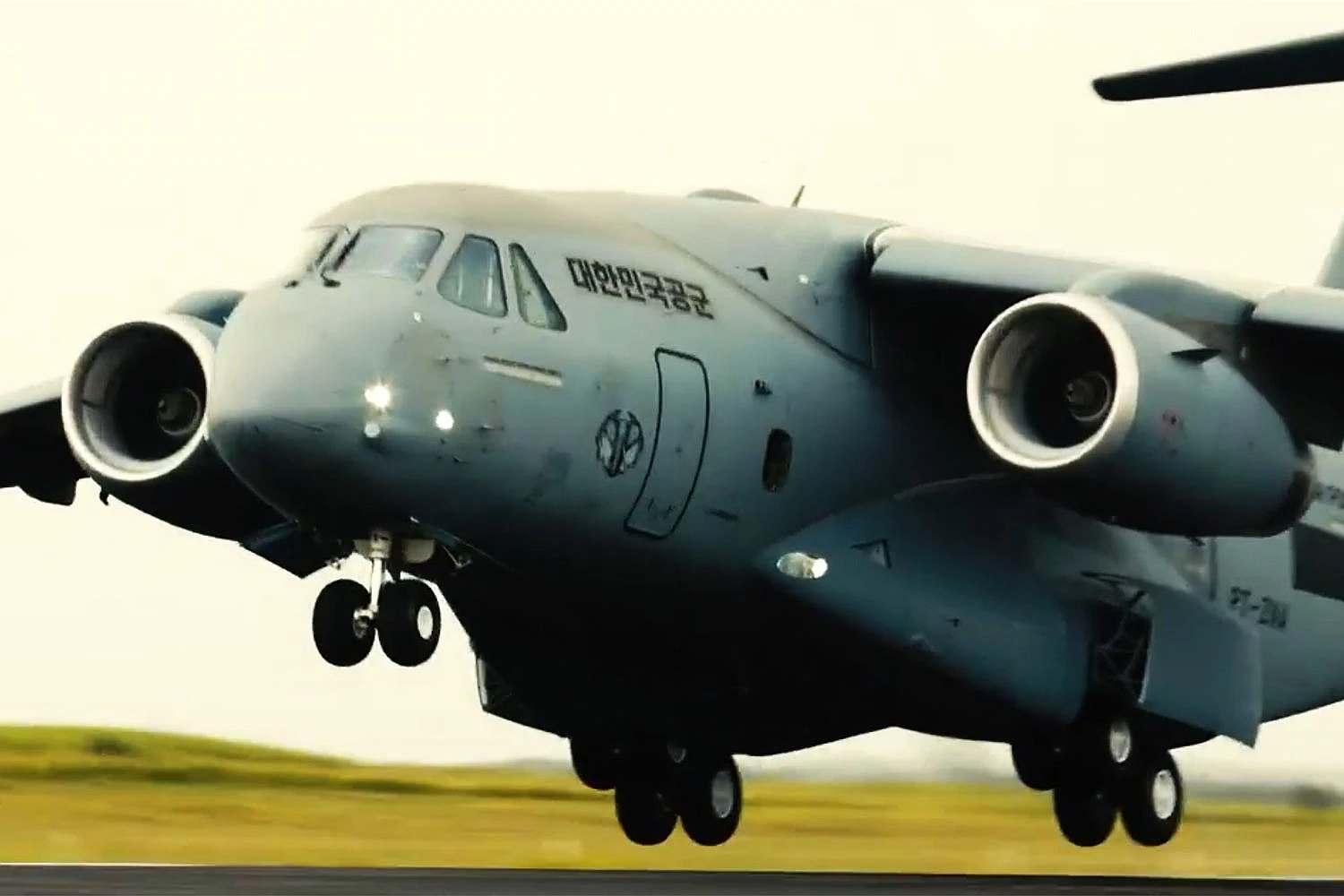
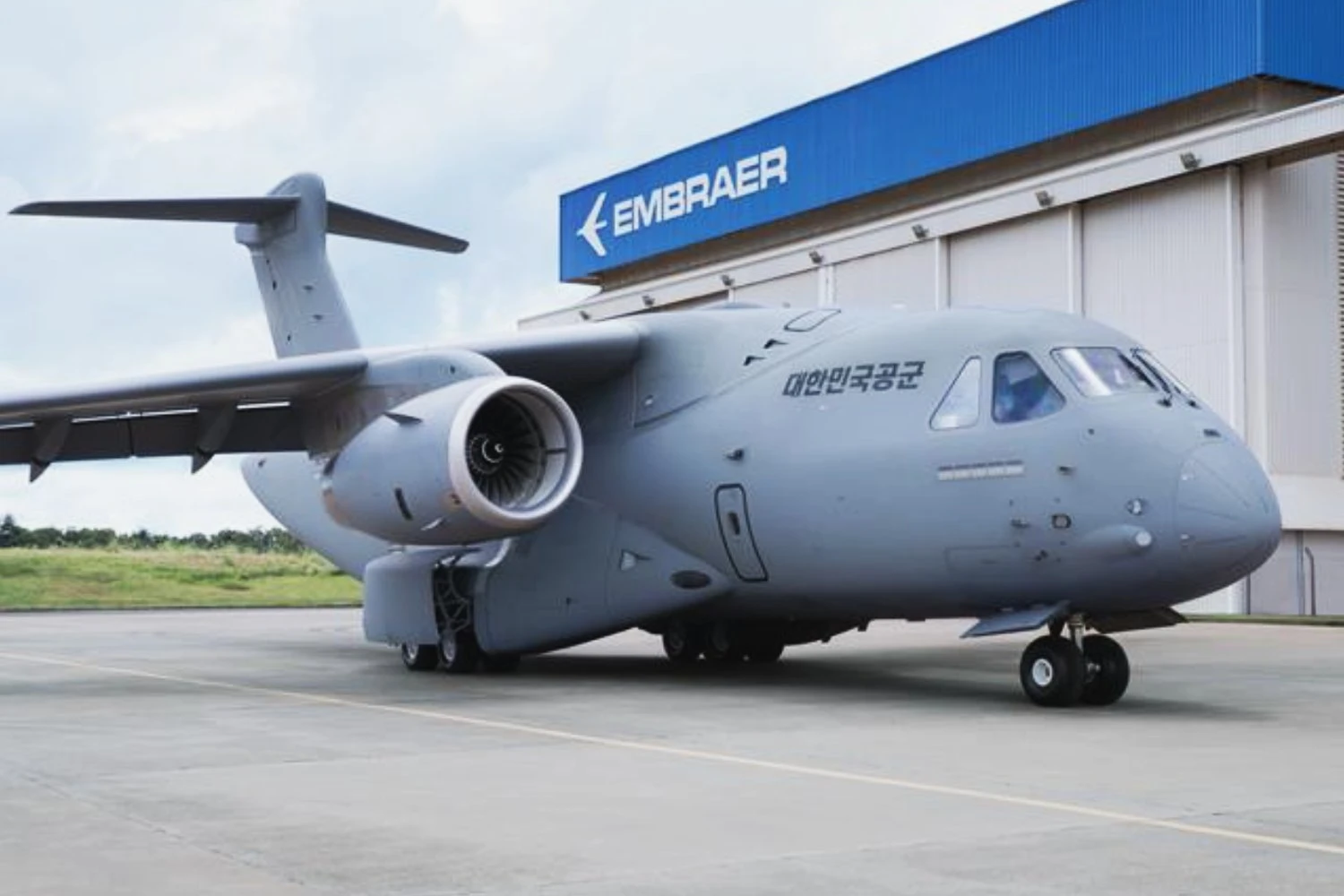
Embraer’s first C-390 Millennium for the Republic of Korea Air Force (ROKAF) completed its maiden flight, becoming the fourth customer to have an aircraft in flying condition.
The flight took place in Brazil and was highlighted by Embraer in a video shared on social media, showing the aircraft undergoing initial production testing. The jet will now move into a phase of system integration and certification tailored to South Korea’s operational requirements before delivery.
South Korea ordered three C-390s in 2023 under its Large Transport Aircraft II (LTA-II) program, in a deal valued at around $470 million. The selection represented a notable win for Embraer in Asia-Pacific, as the C-390 was chosen over the Lockheed Martin C-130J, despite the U.S.-built aircraft having secured an earlier requirement from Seoul.
With the Korean aircraft now flying, the C-390 program adds another milestone. Brazil, Portugal and Hungary have already received their aircraft, with Hungary becoming the first operator to complete its full order. As of January, Embraer had delivered 14 units: eight to the Brazilian Air Force, four to Portugal and two to Hungary.
The manufacturer currently holds around 50 firm orders and commitments for the Millennium, even after Lithuania decided to postpone a planned acquisition to the next decade. The aircraft continues to compete in several campaigns worldwide, including India, where Embraer has partnered with Mahindra in a bid to supply up to 60 transports under the Medium Transport Aircraft (MTA) program.
Embraer is also pursuing opportunities beyond traditional airlift missions. The company has teamed up with Northrop Grumman to promote a tactical tanker variant equipped with a boom refueling system to the U.S. Air Force, while also offering adapted versions of the C-390 for maritime patrol and other specialized roles.
The South Korean aircraft’s first flight comes as Embraer seeks to consolidate the C-390 as an alternative to legacy platforms, leveraging its jet performance, payload capacity and multi-mission flexibility to gain further traction in both NATO and non-NATO markets.
https://twitter.com/embraer/status/2034419583105273928