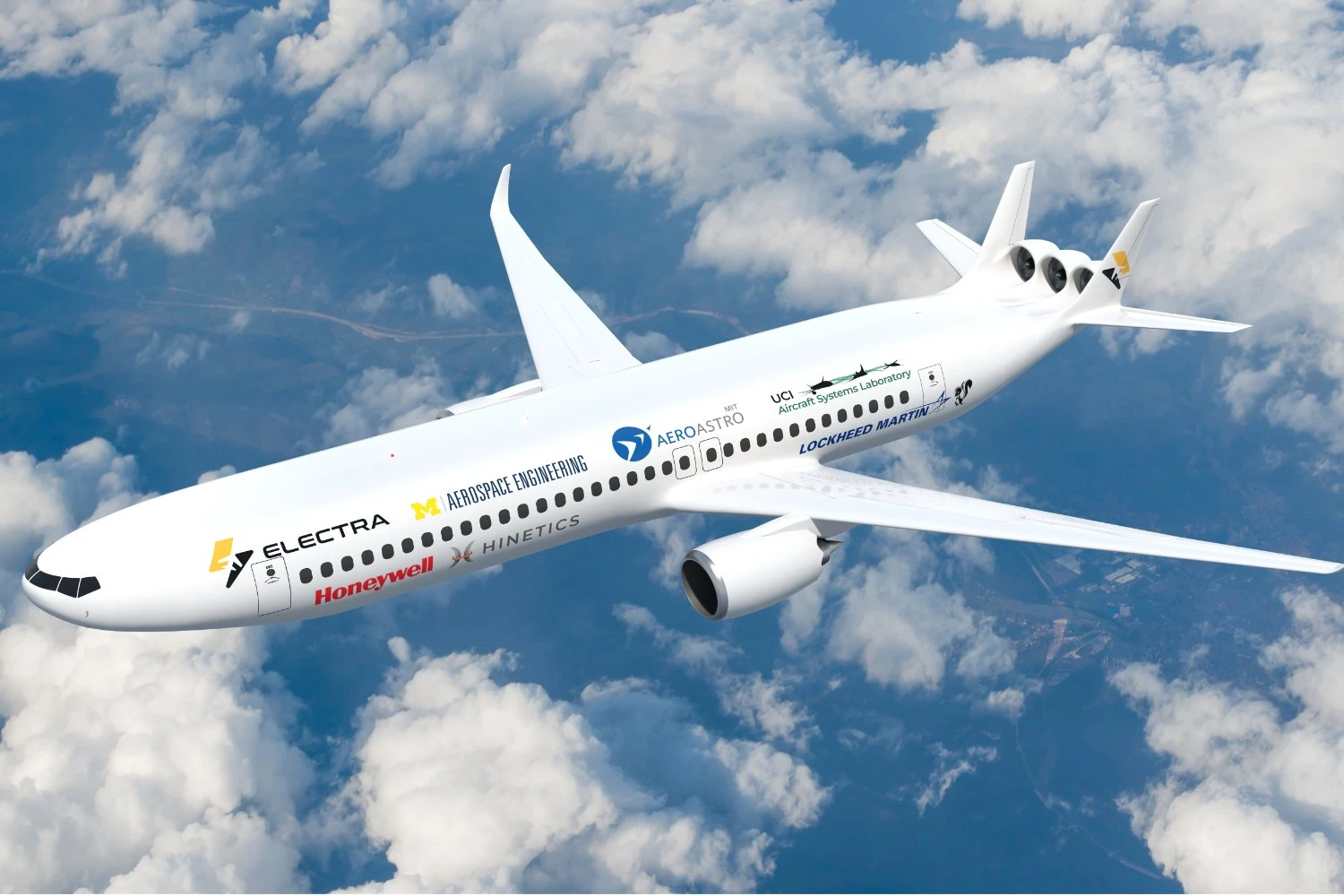
U.S.-based aerospace company Electra has unveiled a conceptual hybrid-electric airliner designed to carry more than 100 passengers, offering a glimpse of how commercial aircraft could evolve by the middle of the century.
The concept was developed as part of NASA's Advanced Aircraft Concepts for Environmental Sustainability (AACES) 2050 program, which is examining technologies that could shape air transport in the 2040s and beyond.
Related news
September 10, 2026

September 06, 2026
Unlike Electra's existing nine-seat EL9 hybrid-electric aircraft, the new design targets the commercial airliner market. The aircraft features a distinctive double-bubble fuselage, a configuration intended to generate additional lift from the body itself while providing space for a twin-aisle cabin within the footprint of a narrowbody jet.
The concept also combines conventional turbofan engines with electrically powered fans mounted at the rear of the fuselage. According to Electra, the tail-mounted fans would ingest slower-moving airflow over the aircraft and re-energize it, improving overall aerodynamic efficiency.
The company estimates that the configuration could provide efficiency gains of up to 17% beyond improvements expected from future advances in engines, materials and aerodynamics alone.
One notable aspect of the proposal is its emphasis on compatibility with existing airline operations. Electra said the aircraft would fit within current airport infrastructure, operate on conventional jet fuel or sustainable aviation fuel (SAF), and avoid reliance on airport charging systems or alternative fuels that are not yet widely available.
The project builds on decades of research into blended and lifting-fuselage aircraft concepts, including NASA and academic studies that explored similar "double-bubble" designs. Electra's contribution focuses on how electric propulsion systems could make such configurations more practical.
The study involved a diverse group of industry and academic partners, including American Airlines, Honeywell Aerospace, Lockheed Martin Skunk Works, the Massachusetts Institute of Technology, the University of Michigan and the University of California, Irvine.
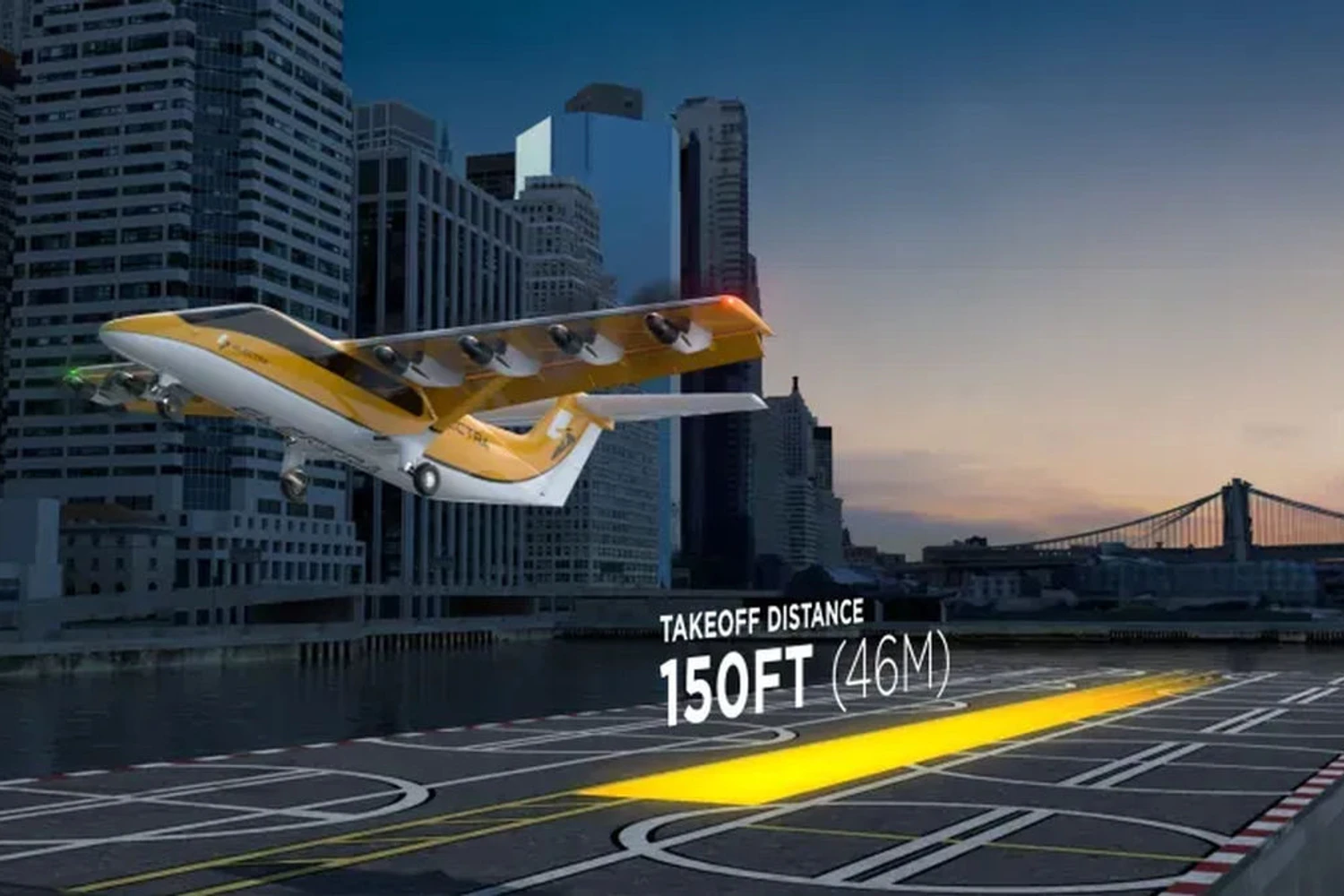
Electra is currently working to bring its EL9 hybrid-electric aircraft to market, while the newly unveiled airliner concept is aimed at technologies that could enter service around 2050.