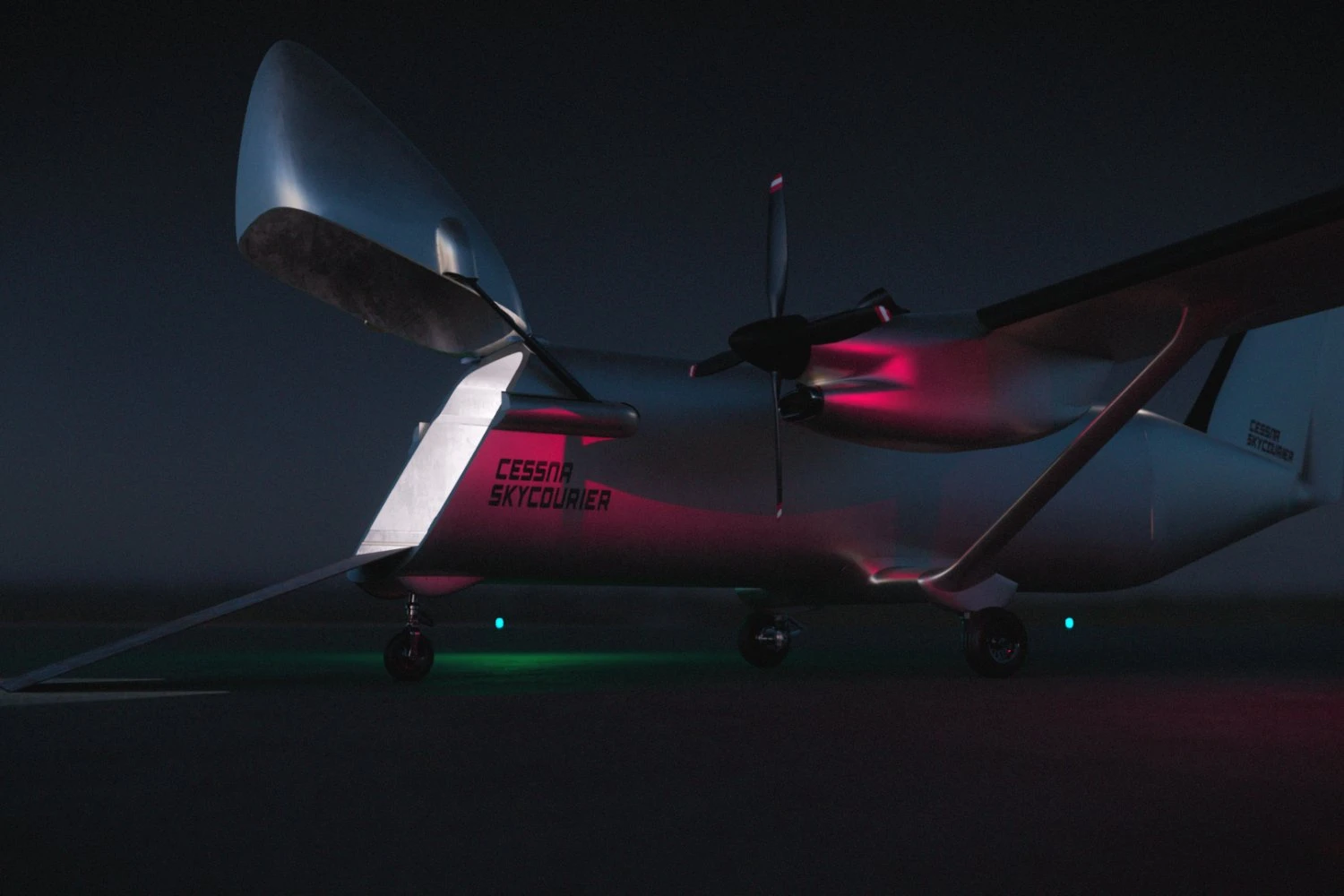
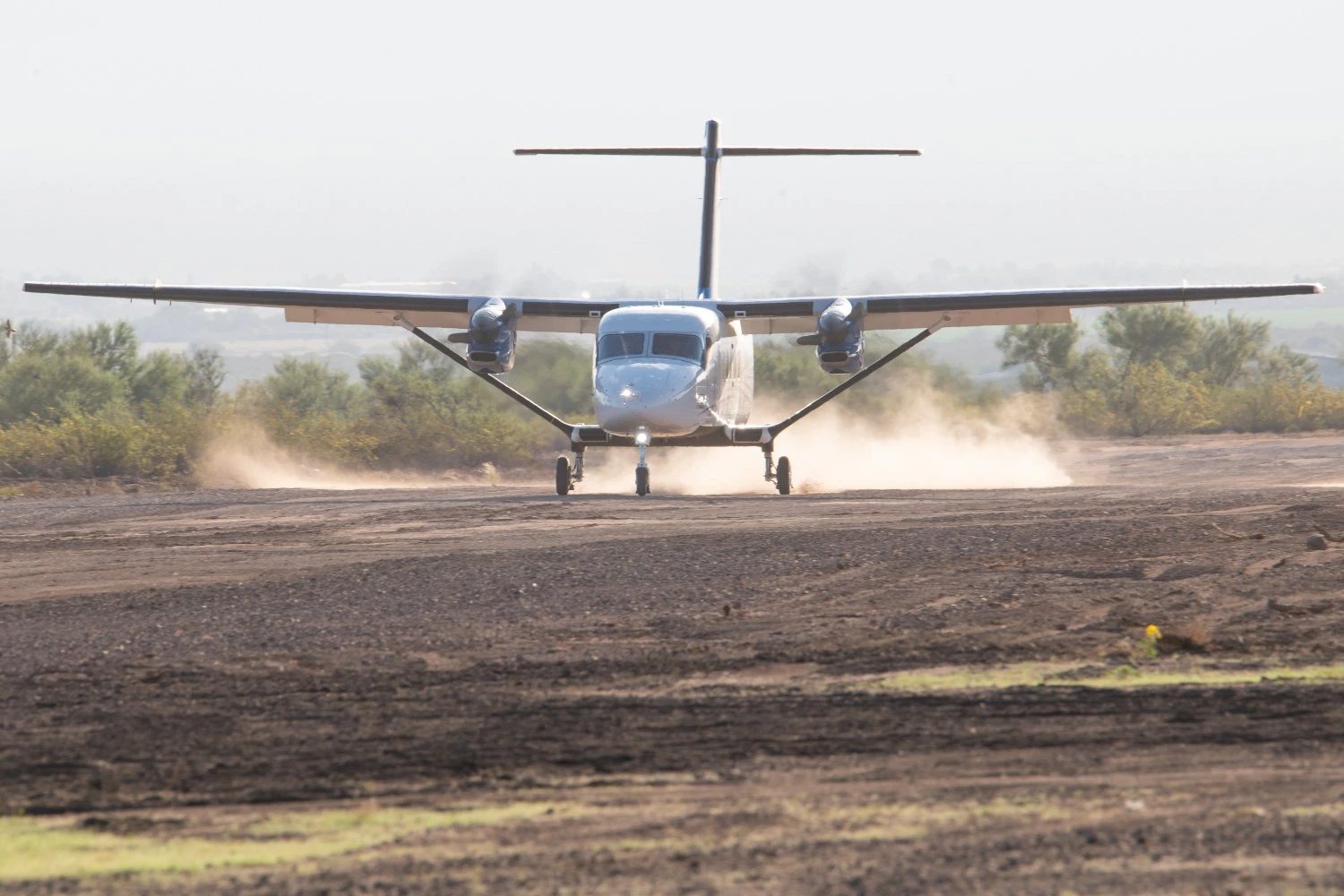
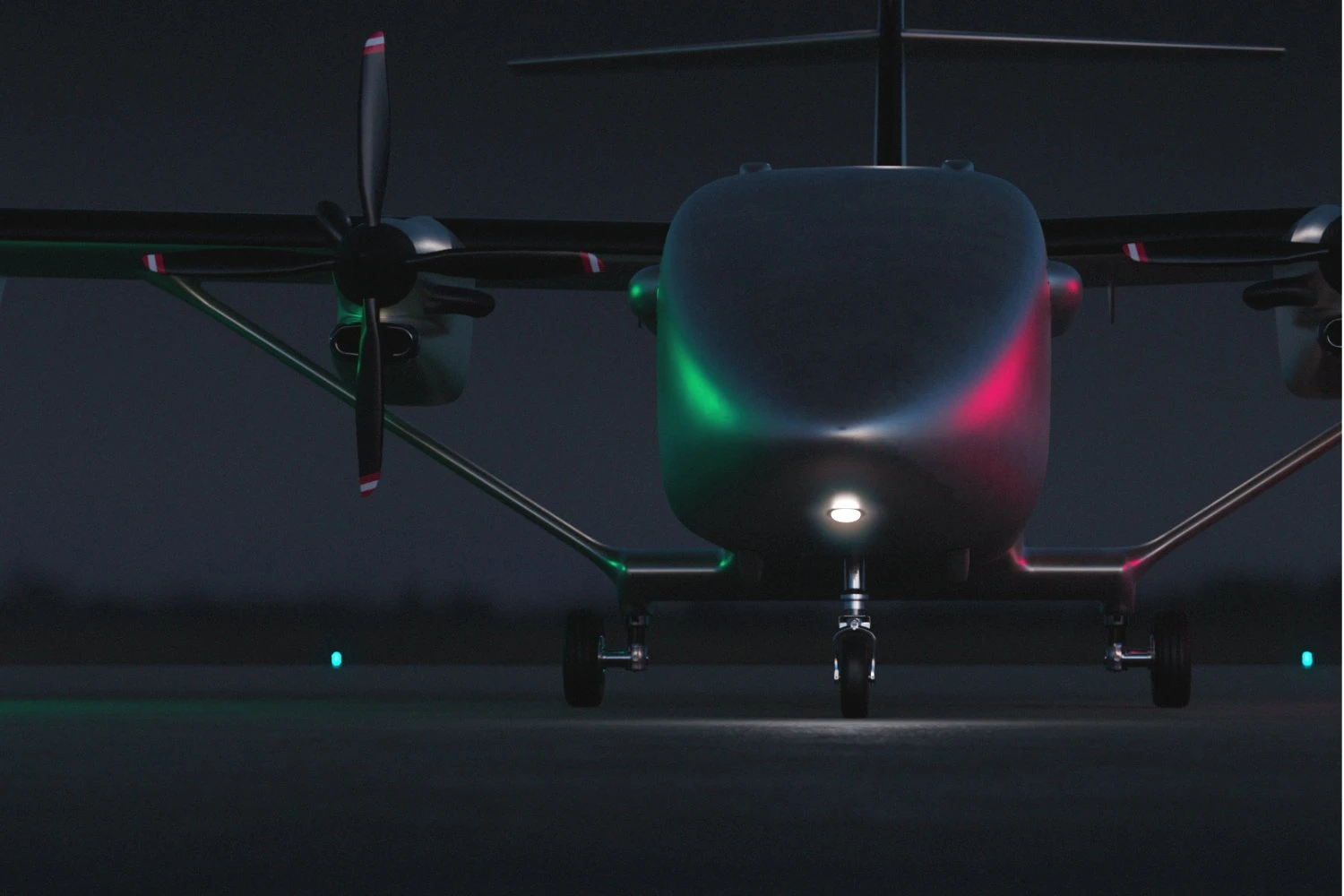
Textron Aviation has unveiled a concept for an autonomous version of the Cessna SkyCourier in which the absence of a conventional cockpit could make room for a new forward cargo-loading architecture.
Called Cessna SkyCourier UX, the proposed aircraft combines the existing twin-engine turboprop platform with the Merlin Pilot autonomy system. Textron Aviation is studying the concept for military logistics missions, particularly the movement of cargo between established supply hubs and smaller or dispersed bases.
The concept was presented at the Air & Space Forces Association’s Air, Space & Cyber Conference on September 14. Textron said the current design objective calls for a payload of approximately 6,000 lb (2,720 kg), with room for as many as three LD3 containers.
Potential missions include transporting repair parts, medical supplies and other critical cargo to expeditionary bases and remote airfields. The aircraft is intended primarily for intra-theater distribution rather than the strategic airlift missions performed by much larger military transports.
Forward cargo access under evaluation
One of the more unusual aspects of SkyCourier UX is not the addition of autonomy itself, but how removing the requirement for a permanently occupied cockpit could change the aircraft.
Follow Air Data News: WhatsApp | Instagram | LinkedIn | Twitter | Facebook
Textron is evaluating a forward-loading configuration that would use the area normally occupied by the cockpit as part of the cargo architecture. The proposed nose-lift opening is intended to provide direct access to the cargo compartment and improve loading.
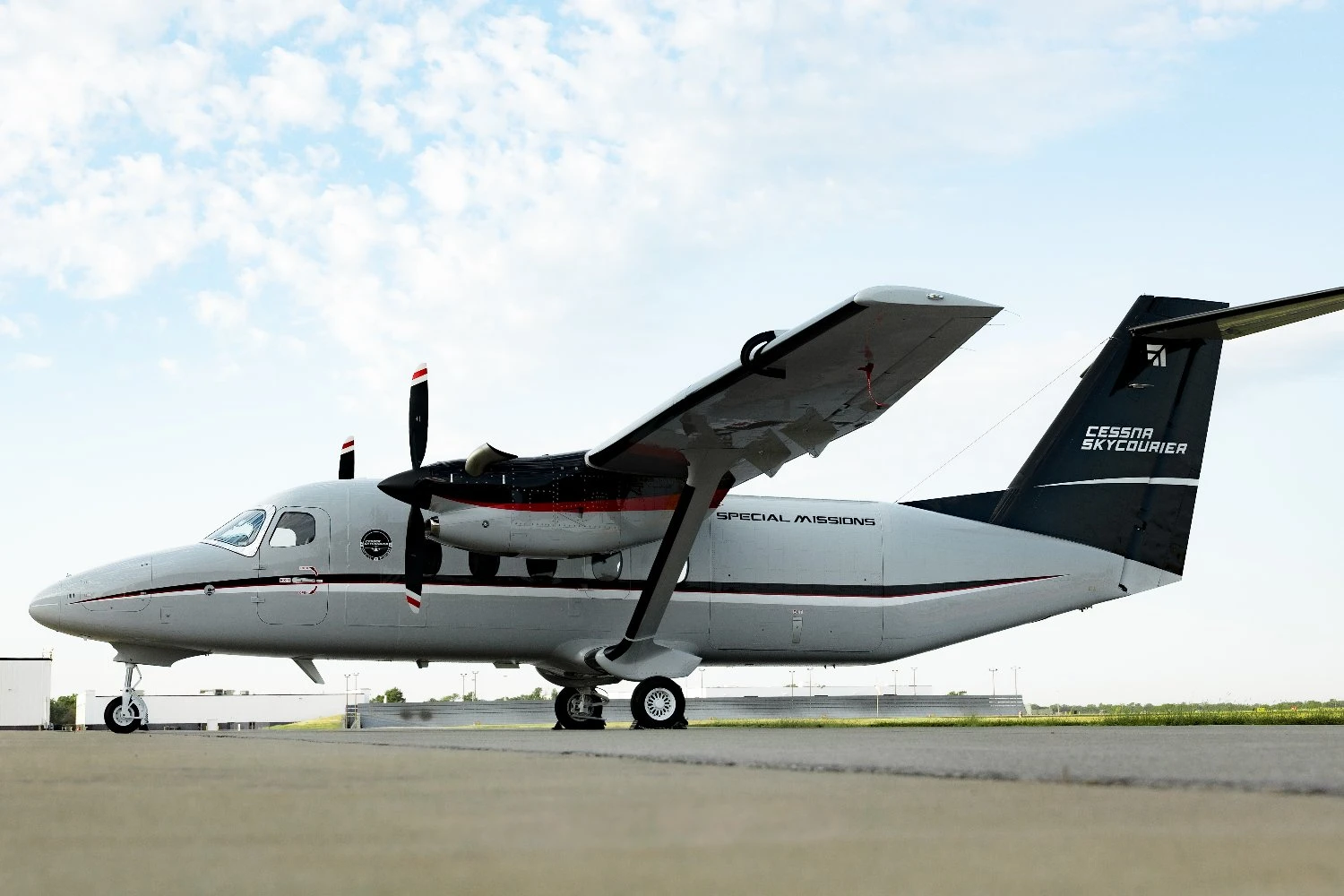
The company is also studying a kneeling capability that could lower the aircraft for cargo operations. Both features remain design concepts rather than modifications already built or tested on a SkyCourier UX.
The approach takes advantage of characteristics already available on the conventional SkyCourier. The aircraft can carry up to 6,000 lb and three LD3 containers, while its short-field performance allows operations from unimproved and austere runways.
Instead of developing an autonomous military cargo aircraft entirely from scratch, Textron is examining whether those attributes can be combined with autonomy to create an aircraft optimized for logistics missions.
Gap between small resupply aircraft and airlifters
The concept is aimed at a capacity range between small autonomous resupply systems and large military transports. Large airlifters can provide substantially more capacity than required for some movements between logistics hubs and dispersed operating locations, while smaller unmanned systems can carry only a fraction of the proposed SkyCourier UX payload.
That distinction can be seen in autonomous logistics programs already pursued by the U.S. Navy and Marine Corps.
NAVAIR’s TRV-150 Tactical Resupply UAS can autonomously carry up to 120 lb (54 kg). The larger Marine Aerial Resupply Vehicle – Expeditionary Logistics, or MARV-EL, is intended to transport at least 300 lb (136 kg) for approximately 50 nautical miles, with autonomous takeoff, landing and waypoint navigation.
With a design objective of about 6,000 lb, SkyCourier UX would occupy a substantially higher payload category. Textron has not identified either NAVAIR program as a direct competitor to its concept.
Contested supply routes
The military interest behind such projects stems in part from what the U.S. armed forces describe as contested logistics: maintaining supplies when an adversary can attack, disrupt or deny traditional transportation routes and logistics infrastructure.
The Marine Corps' Installations and Logistics 2030 document identifies dependence on fixed distribution nodes and the absence of air, surface, ground or undersea uncrewed distribution mechanisms among shortcomings in its current logistics system.
Recent news
September 14, 2026
September 14, 2026
The service expects precision weapons and persistent surveillance to make sustainment from secure fixed locations increasingly difficult. More dispersed forces, in turn, require ways to move supplies between logistics hubs and smaller operating locations without necessarily exposing crews or committing large transports to every mission.
NAVAIR describes its Unmanned Logistics Systems-Air effort in similar terms. The program is intended to provide tactical resupply when threats or austere conditions make the use of ground transport or crewed aircraft unacceptable.
Merlin Pilot already tested on other aircraft
Merlin develops autonomy technology designed for integration into existing aircraft rather than a single purpose-built platform. Its Merlin Pilot system has accumulated hundreds of autonomous flights on aircraft including the Cessna Caravan and Beechcraft King Air, according to the company.
Merlin is also working with U.S. Special Operations Command on integration of the system with the C-130J. The company said in September that preliminary and critical design reviews had been completed under that program.
Separately, Merlin demonstrated autonomous takeoff and landing, AI-based communication with air traffic control and autonomous in-flight replanning during a Texas Department of Transportation event on September 10.
Those demonstrations were not performed by the SkyCourier UX and should not be taken as evidence that the proposed aircraft already possesses those capabilities. Further work will include engineering studies and evaluations of autonomous resupply operations.
Concept remains at evaluation stage
Textron describes SkyCourier UX as a “concept and evaluation effort” and is evaluating operational relevance, integration feasibility, safety requirements and priorities of potential customers.
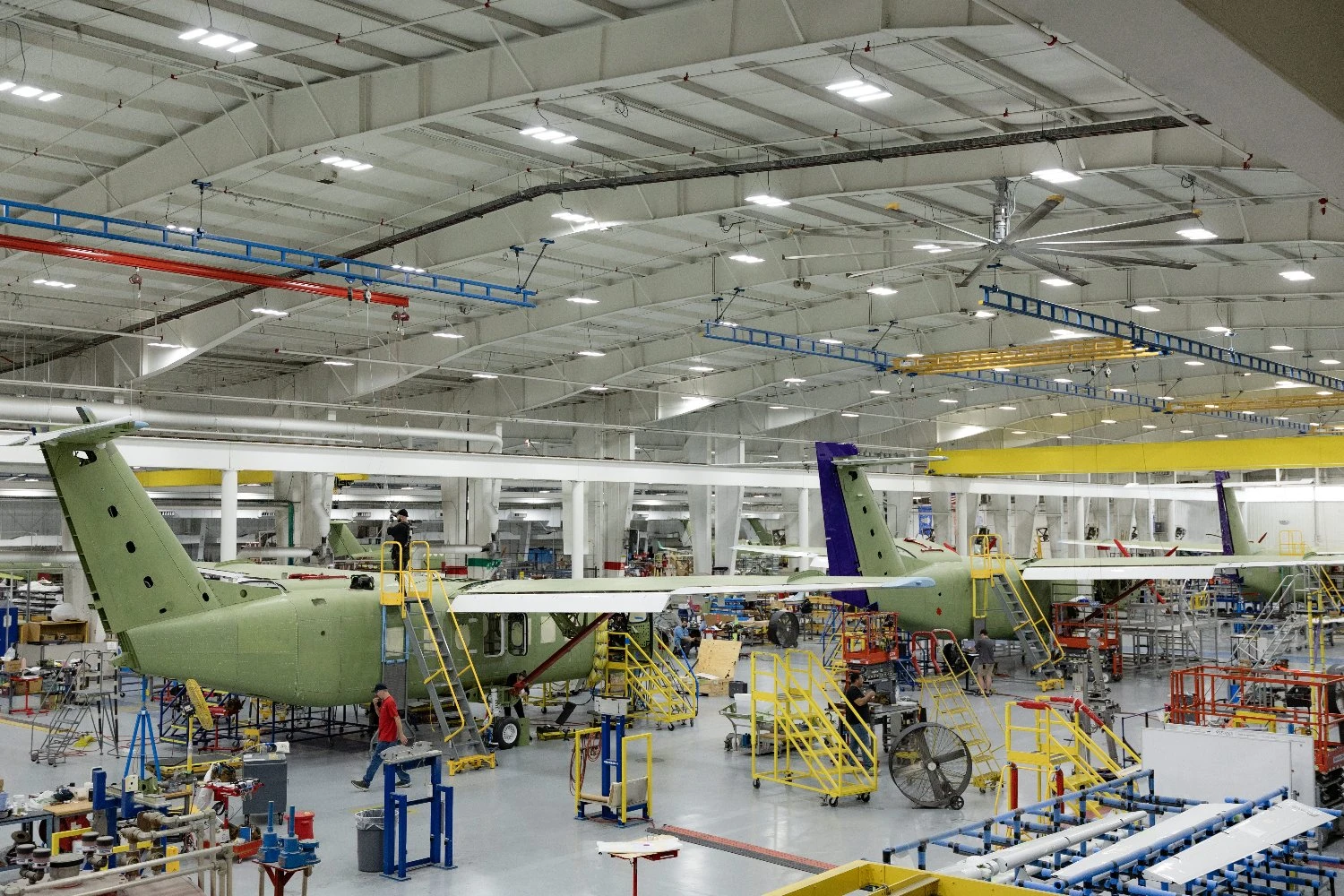
The company says the proposed aircraft is not currently a flying demonstrator or a program of record. By contrast, the conventional Cessna SkyCourier is already in production in Wichita, Kansas, with freighter, passenger and combi configurations certified by the Federal Aviation Administration.