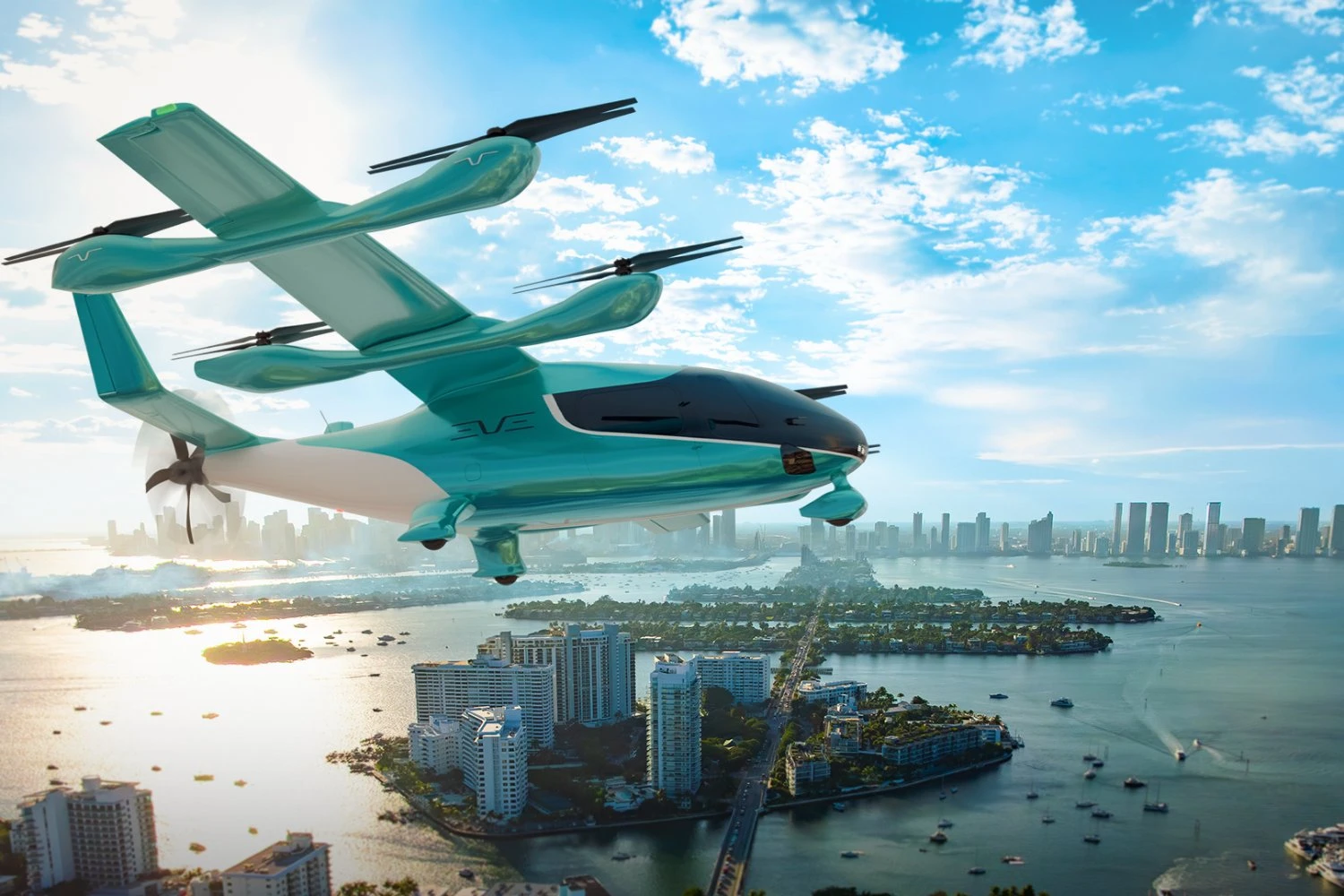
Eve Air Mobility has reached two new milestones in the certification process for its Eve 100 eVTOL after Brazil's National Civil Aviation Agency (ANAC) released revised airworthiness criteria for public consultation and the company applied to begin European validation of the aircraft's future type certificate.
The consultation, open until August 18, covers a revised set of certification requirements first published by ANAC in late 2024. At the same time, Eve submitted its application to the European Union Aviation Safety Agency (EASA), which will validate the Brazilian type certificate once it is issued.
Related news
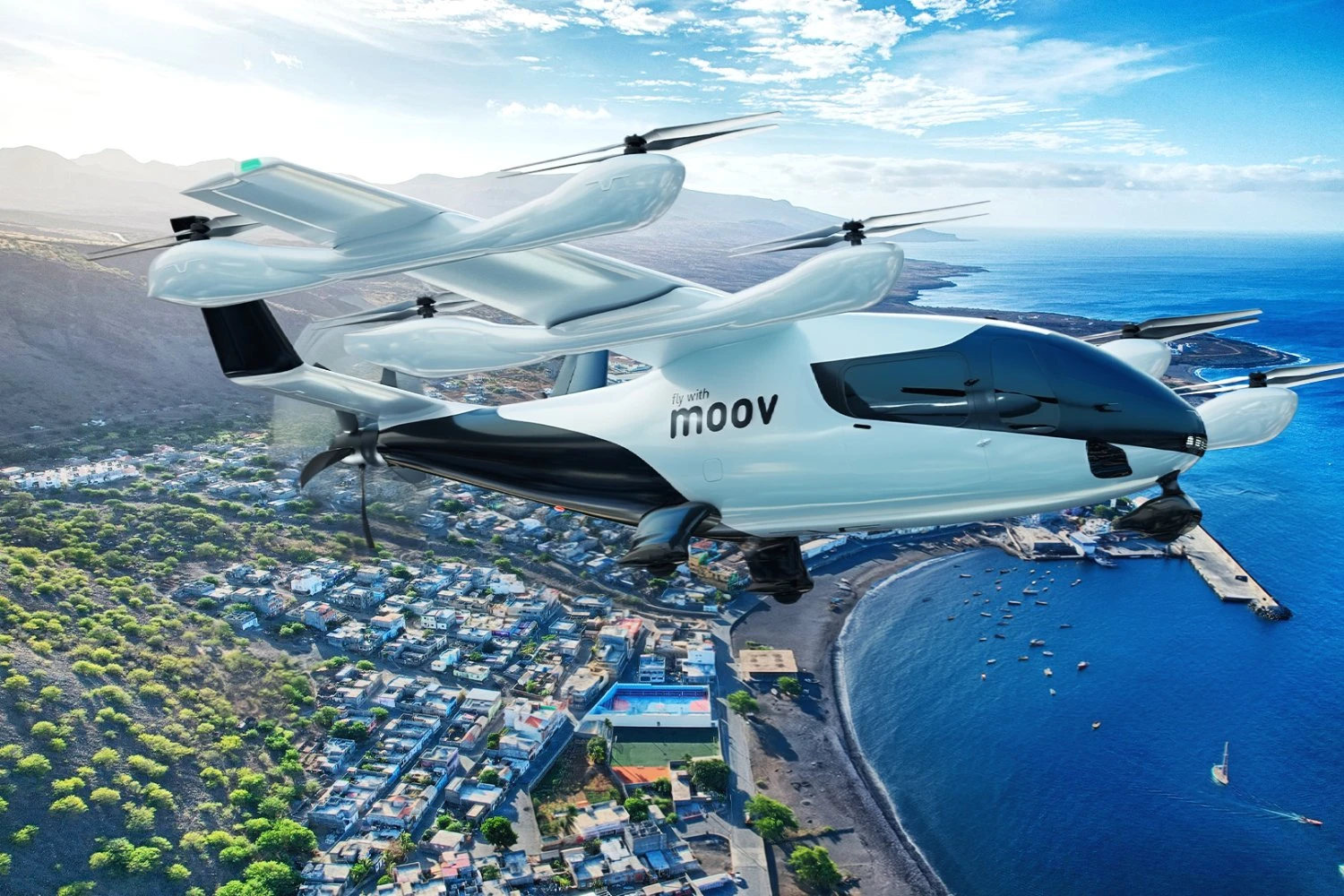
The revised criteria expand and clarify technical requirements across nearly every aspect of the aircraft's certification. Among the updates are new performance definitions that distinguish between aircraft capable of maintaining controlled flight after a critical propulsion failure and those able to continue climbing safely after such an event.
ANAC also refined requirements covering electric propulsion systems, energy storage, flight controls, structural integrity, software, crashworthiness, bird-strike resistance, lightning protection and continued airworthiness. The document further aligns several certification concepts with the FAA's powered-lift framework while preserving Brazil's own certification basis for the Eve 100.
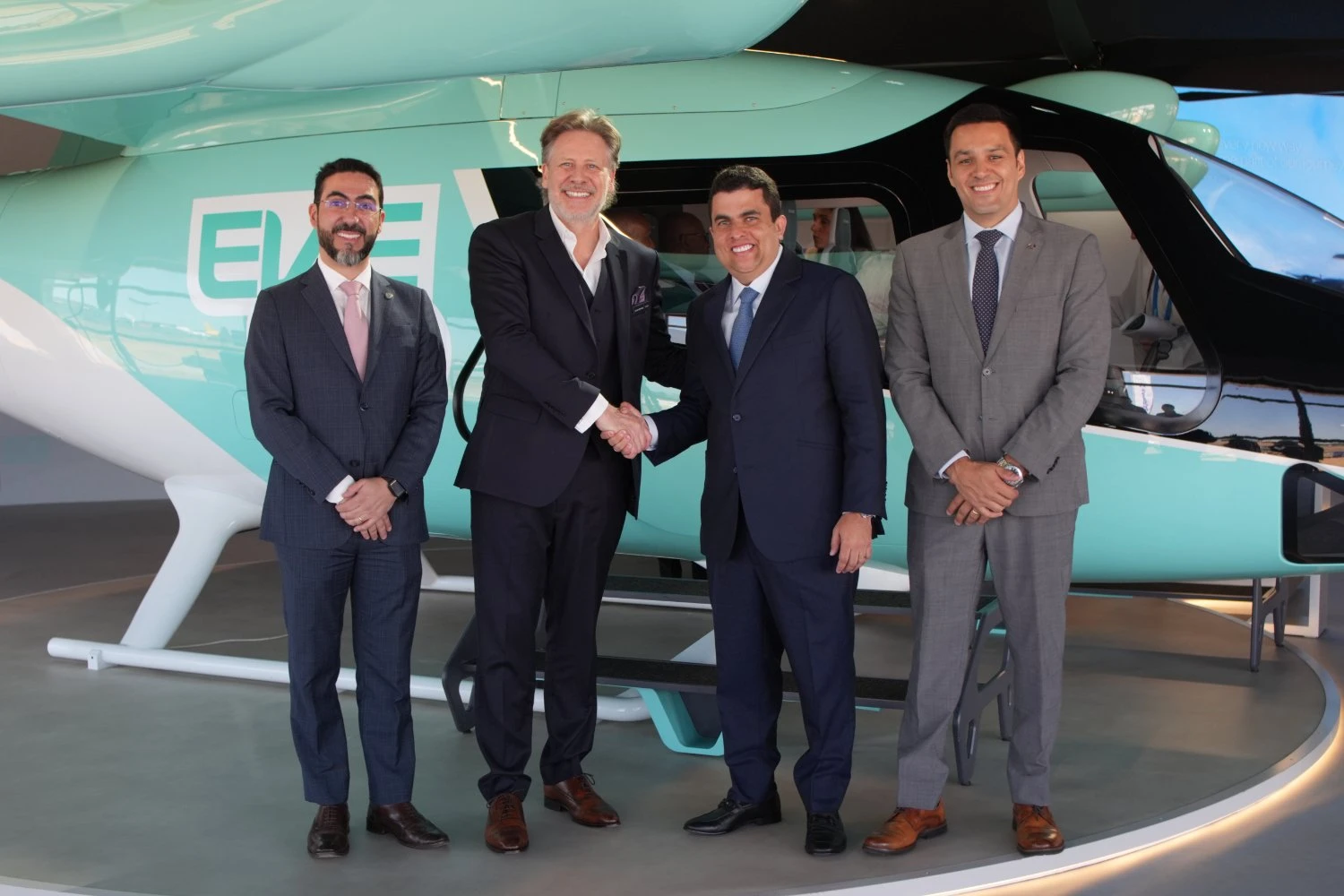
For electric propulsion, the proposal establishes certification standards for battery systems, high-voltage electrical architecture, cooling, engine control software, rotor containment, endurance testing and energy management. It also requires applicants to demonstrate protection against hazards such as thermal events, electrical faults and loss of propulsion control.
The proposed rules also introduce separate certification paths based on aircraft performance. Under the "essential performance" category, the aircraft must remain controllable and perform a safe emergency landing after a critical loss of thrust. The more demanding "increased performance" standard requires the aircraft to continue climbing, clear obstacles and maintain flight following the same type of failure.
Eve formally applied for type certification with ANAC in 2022. The company later began a concurrent validation process with the U.S. Federal Aviation Administration and has now added EASA to the program. Although ANAC would issue the original type certificate, validation by the FAA and EASA is necessary before the aircraft can enter those markets.