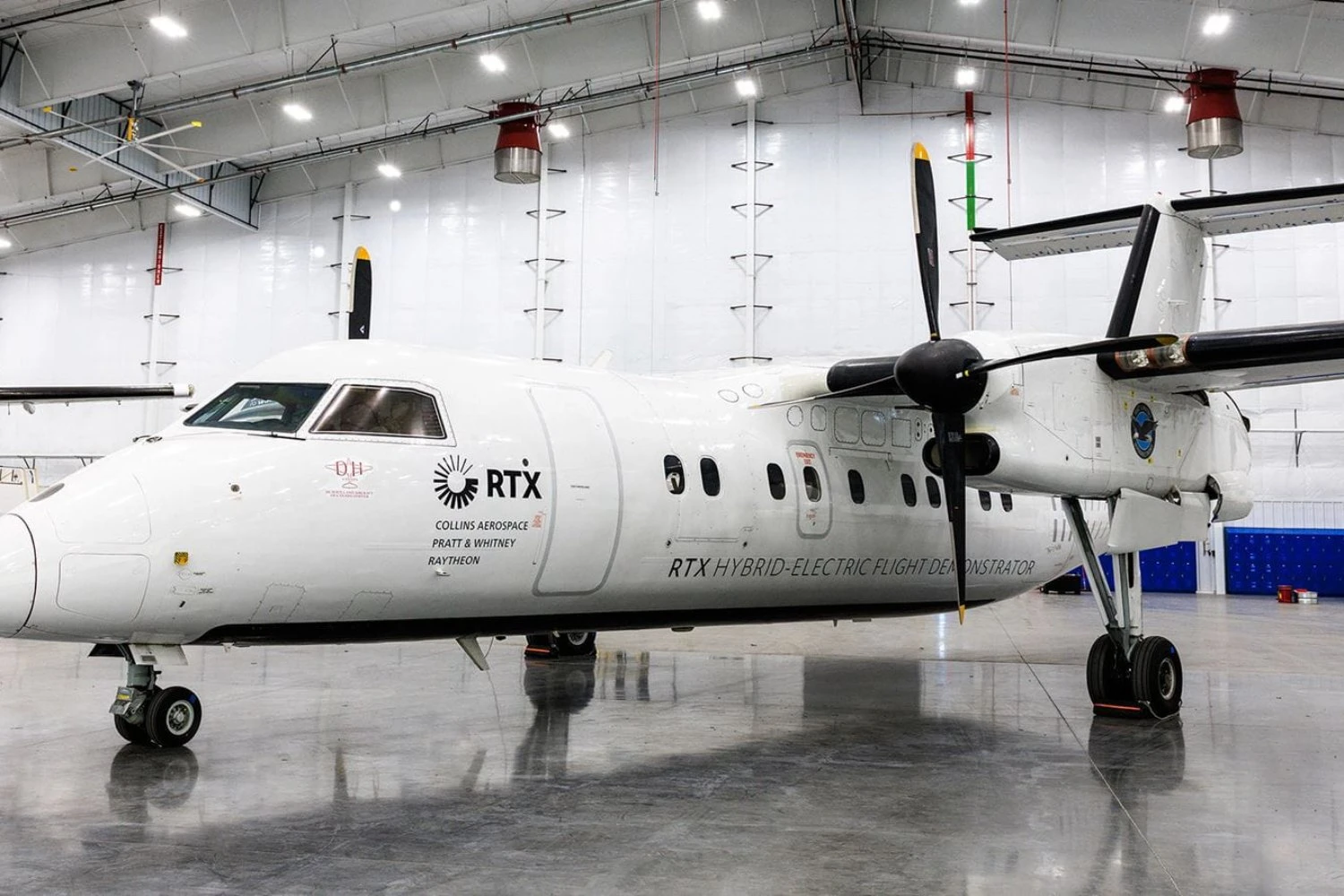
The European Commission has closed an antitrust investigation into Pratt & Whitney Canada after the aircraft engine manufacturer changed contractual provisions that had raised concerns about competition in the spare-parts market.
The European Union’s executive body confirmed the decision on August 21, saying the investigation concerned practices that could have restricted independent suppliers’ access to critical inputs and services.
Related news


August 20, 2026
Pratt & Whitney Canada, part of US aerospace group RTX, subsequently amended the contractual clauses questioned by regulators. The Commission concluded that the changes removed the potential obstacles to competition and closed the investigation without announcing penalties.
The case concerns Pratt & Whitney Canada rather than the larger US-based Pratt & Whitney engine business responsible for products such as the PW1000G geared turbofan family used by the Airbus A220, A320neo family and Embraer E2.
Instead, the Canadian manufacturer specializes primarily in engines for business aircraft, regional aircraft, helicopters and general aviation. Its portfolio includes the PT6 turboprop family and PW100, PW200, PW300, PW500, PW600 and PW800 engine families.
Focus on independent spare-parts suppliers
Although the European Commission released few details about the investigation, its statement makes clear that the issue centered on access to the engine aftermarket rather than the sale of new engines.
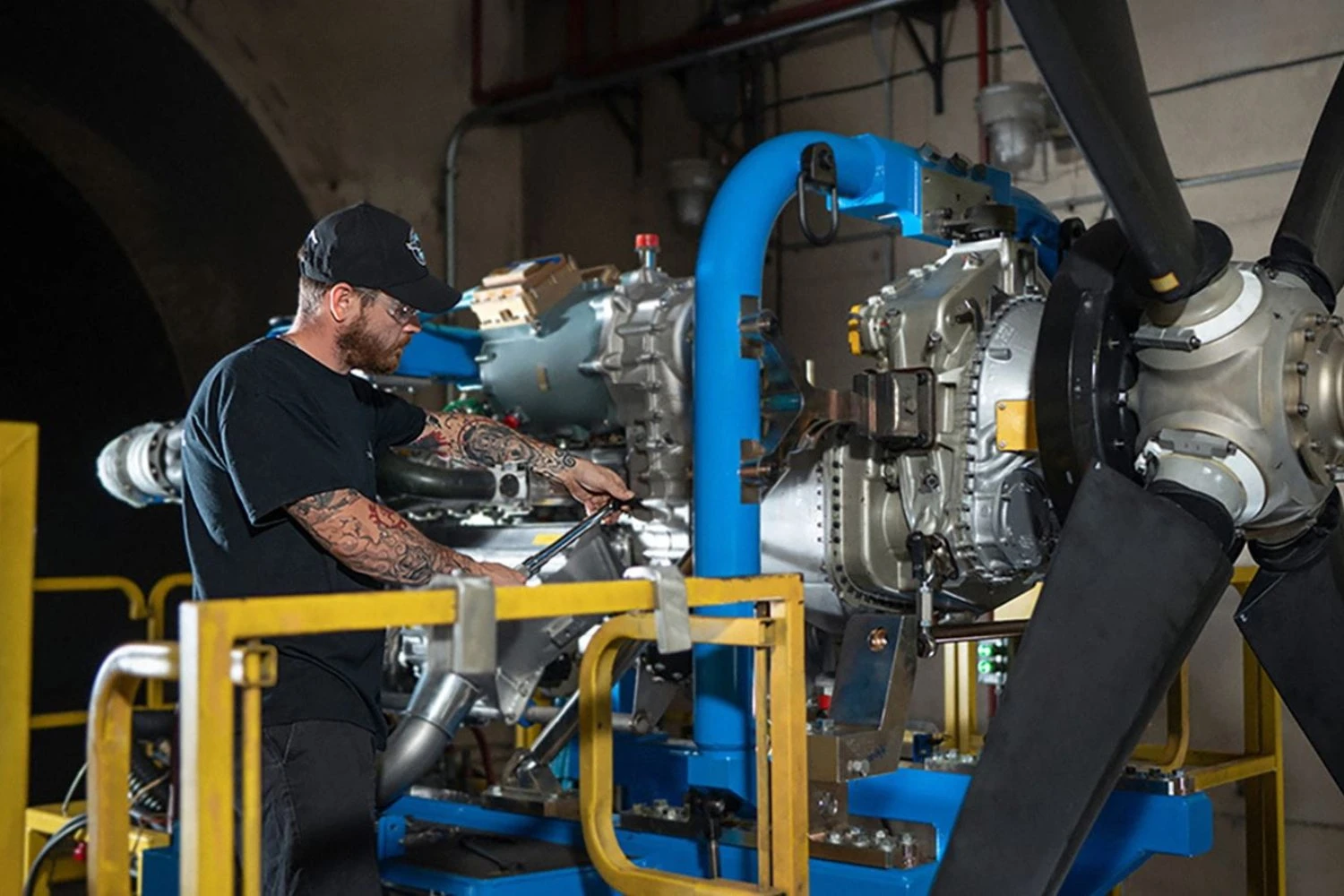
Independent companies play an important role in this market by acquiring engines and components that can be dismantled, repaired or returned to service. Airlines and other operators can then obtain serviceable used material as an alternative to purchasing new replacement parts from an original equipment manufacturer.
That creates a potential source of competition for engine manufacturers, for which maintenance, spare parts and long-term support represent an important business over the decades that an engine remains in service.
Recent news

September 21, 2026

September 21, 2026

September 21, 2026
The Commission investigated whether contractual restrictions imposed by Pratt & Whitney Canada could make it more difficult for independent spare-parts suppliers to obtain the engines, components or services needed to participate in that market.
The European authority has not publicly detailed every clause examined or disclosed when the investigation began. Its decision to close the case followed changes made by Pratt & Whitney Canada rather than a formal finding that the company had violated EU competition law.

Similar dispute reached US courts
Pratt & Whitney Canada has faced similar allegations in the United States. US company Universal Turbine Parts filed an antitrust lawsuit alleging that contractual restrictions imposed by the engine manufacturer limited the ability of authorized distributors and maintenance organizations to sell used engines and parts to independent companies.
The dispute involved engines including the widely used PT6 and PW100 families. Universal Turbine Parts argued that changes introduced by Pratt & Whitney Canada beginning in 2016 reduced the supply of used material available to independent aftermarket businesses.
A US federal judge in 2025 allowed important parts of the antitrust case to proceed, rejecting Pratt & Whitney Canada’s attempt to have the lawsuit dismissed. The companies subsequently reached a settlement in December 2025, with the terms not publicly disclosed.
The European investigation ended differently. Rather than proceeding to an infringement decision, the Commission said Pratt & Whitney Canada’s changes to its contracts removed the competition concerns it had identified.
The outcome leaves independent suppliers with fewer contractual obstacles to obtaining parts and services, while allowing the European Commission to close the case without imposing a fine or making a formal finding of antitrust infringement.