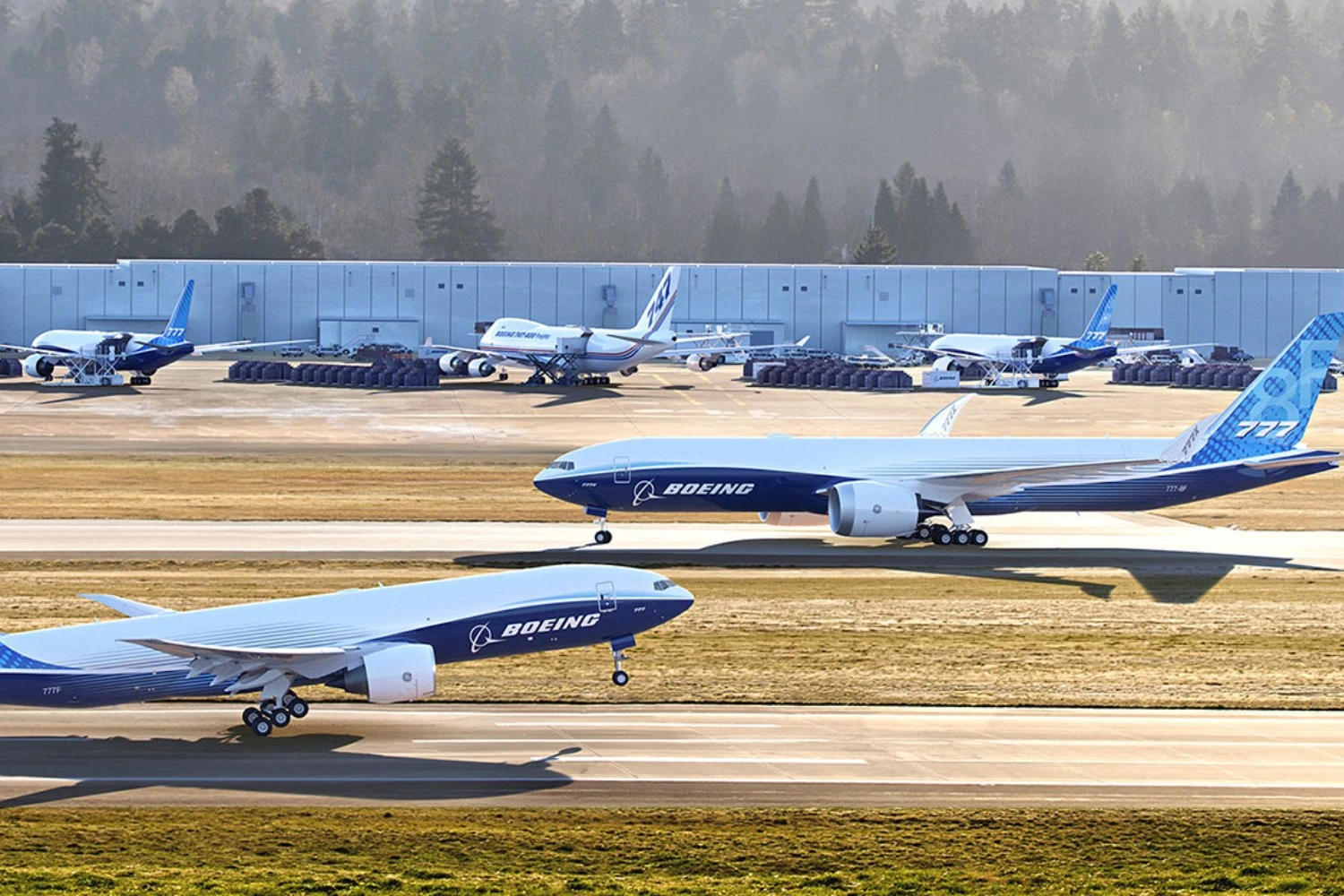
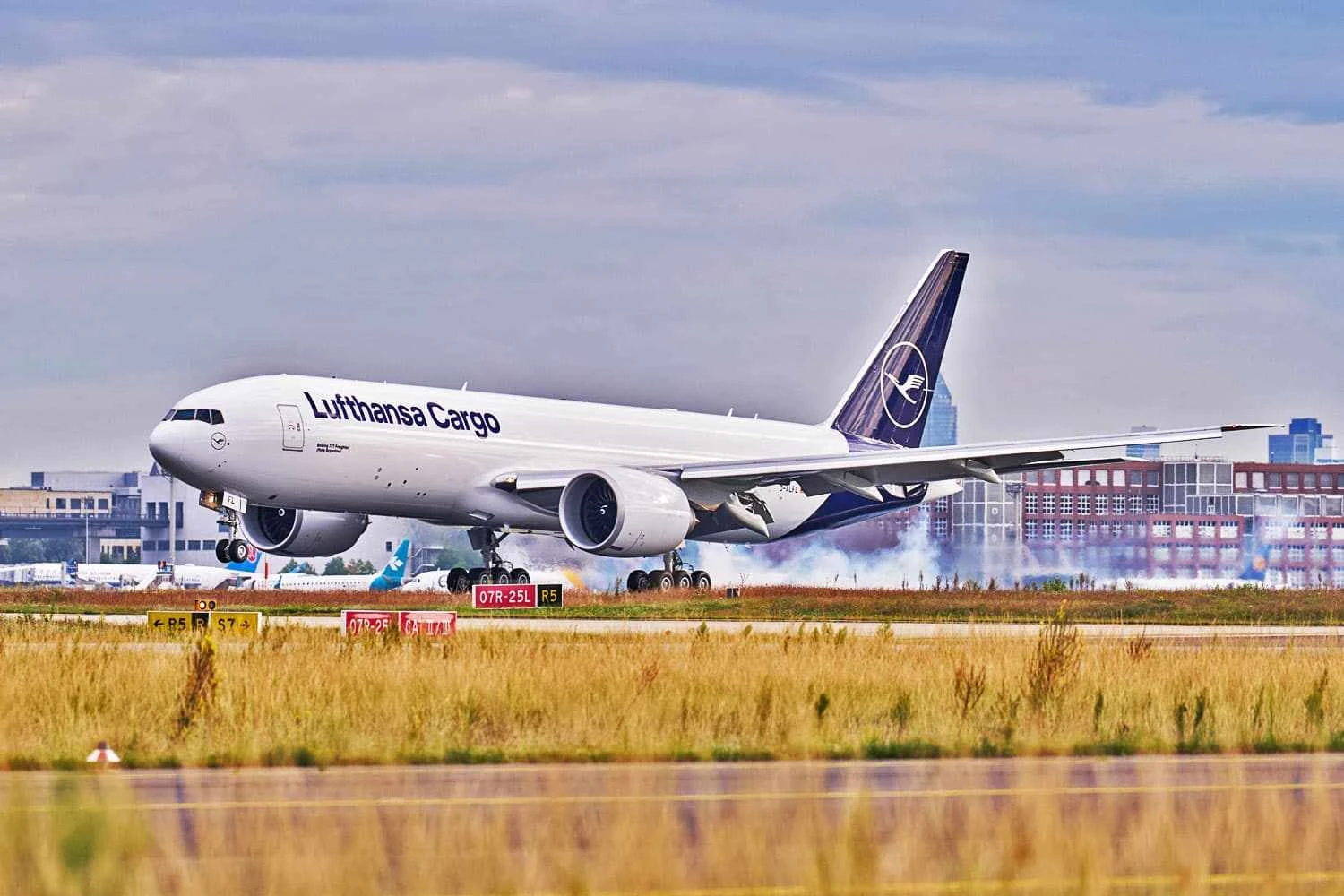
Boeing has found a powerful new way to describe the success of the 777 Freighter. In a recent article, the manufacturer called the twin-engine aircraft the "world's most operated widebody freighter" after its active fleet surpassed 330 aircraft.
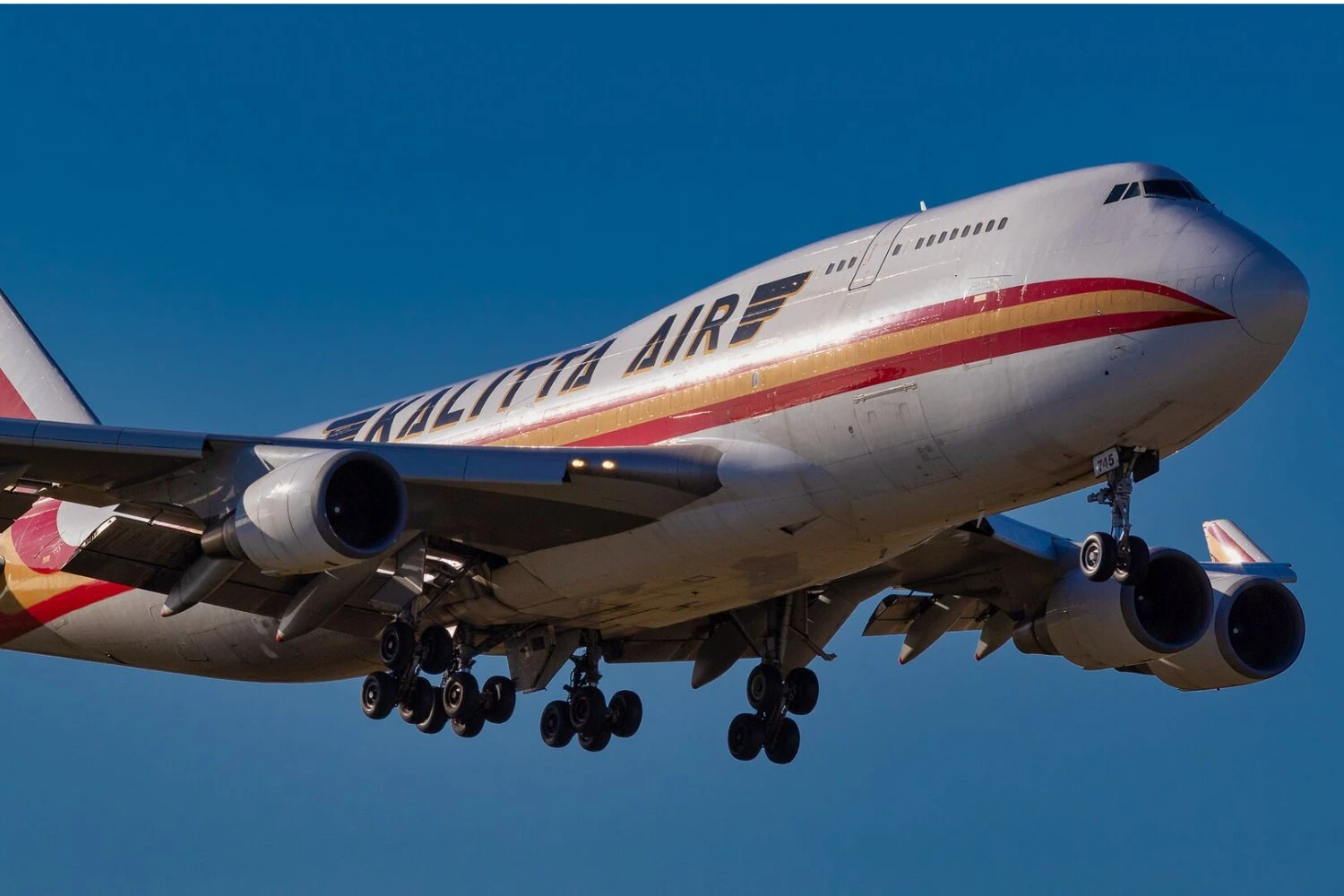
There is little reason to question the achievement behind the announcement. Boeing says recent deliveries have taken the number of 777Fs in service above the remaining worldwide fleet of 747 freighters of all types.
The 777F remains in production, while the last 747 was delivered in 2023 and many older examples of the four-engine aircraft have been retired. Boeing had delivered 332 777Fs through September 2026, meaning virtually the entire production fleet remains active.
But Boeing goes considerably further than saying the 777F has overtaken the 747.
Follow Air Data News: WhatsApp | Instagram | LinkedIn | Twitter | Facebook
In the same article, it describes the 777F as "the most widely operated freighter in the world today" and later as "the world's most operated widebody freighter." An accompanying infographic makes another claim, calling the 777F the "largest in-service freighter fleet" with more than 330 aircraft.
What Boeing does not explain is exactly how it defines those statements.
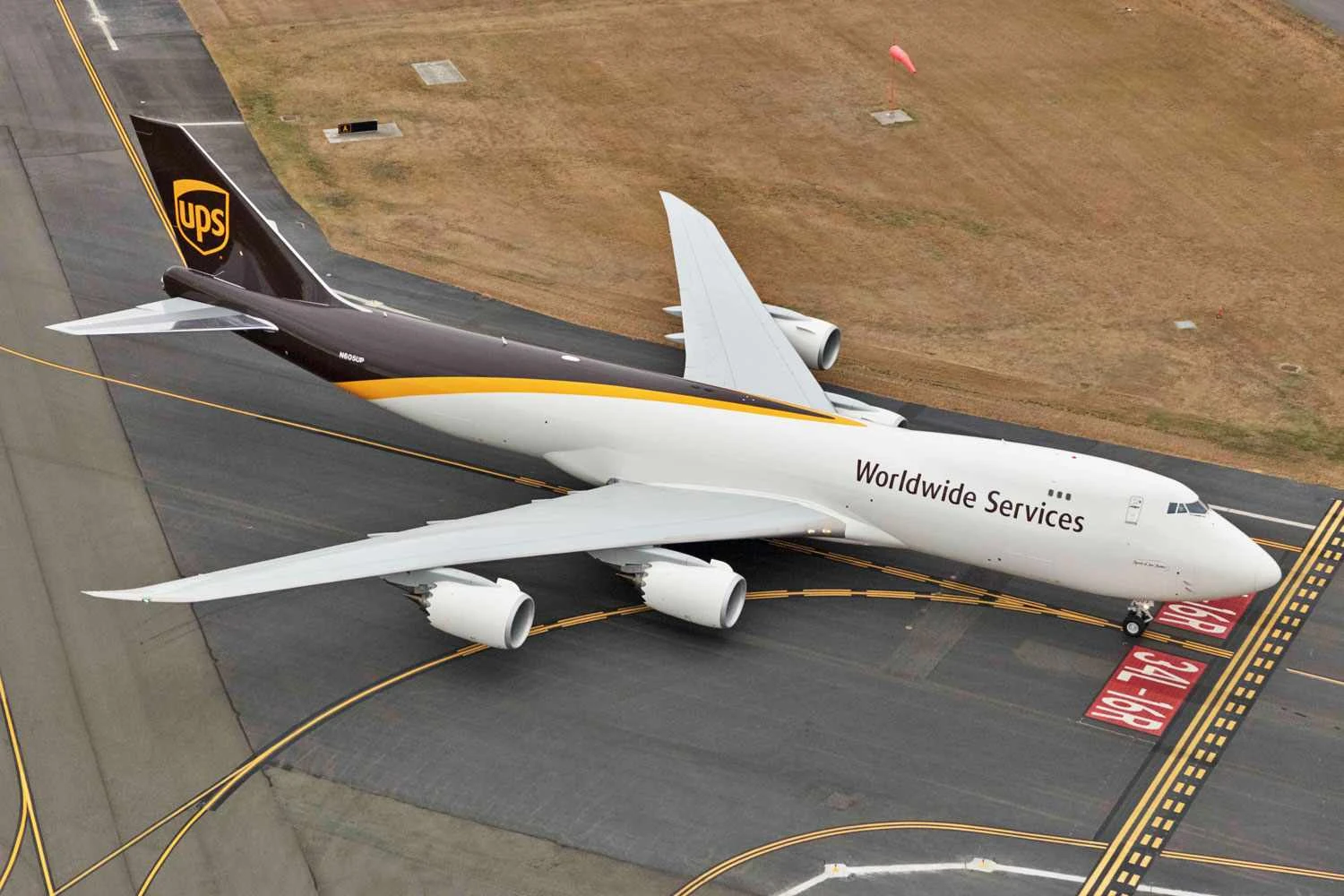
The 767 question
That distinction matters because another Boeing widebody has a substantially larger cargo fleet.
Aviation Week, using its Tracked Aircraft Utilization database, reported in September that there were almost 550 cargo-configured Boeing 767s. That compares with the more than 330 777Fs cited by Boeing.
The 767 population is different in one important respect. It includes both aircraft built at the factory as freighters and former passenger jets converted to carry cargo.
Boeing had delivered 279 production 767 freighters through September. But the conversion population is also substantial. Israel Aerospace Industries and M&B Conversions said they had completed 150 767-300ER BDSF conversions by the end of March 2026. Boeing, meanwhile, delivered its 100th 767-300BCF in February 2025, although the manufacturer has not published a more recent cumulative delivery figure.
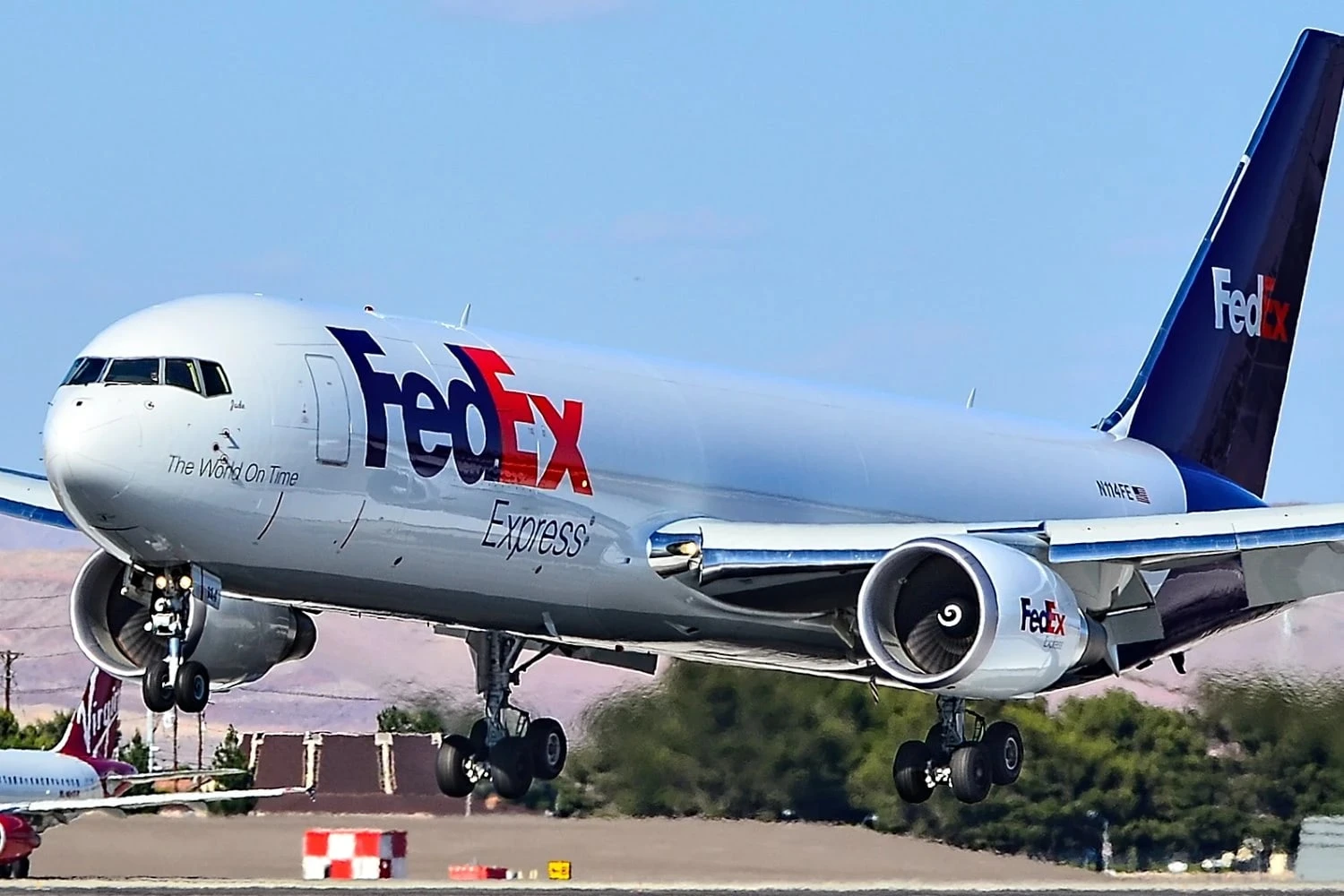
And Boeing itself treats converted 767s as freighters. Its current freighter portfolio includes both the factory-built 767-300F and the 767-300BCF, with both described as products for the medium widebody freighter market.
That leaves room for several interpretations of Boeing's claim.
If the comparison is restricted to production freighters (aircraft built as freighters rather than converted from passenger service) the 777F's position is much easier to understand. Its fleet of more than 330 aircraft exceeds the total number of factory-built 767Fs delivered, even before accounting for any 767F retirements.
Related news
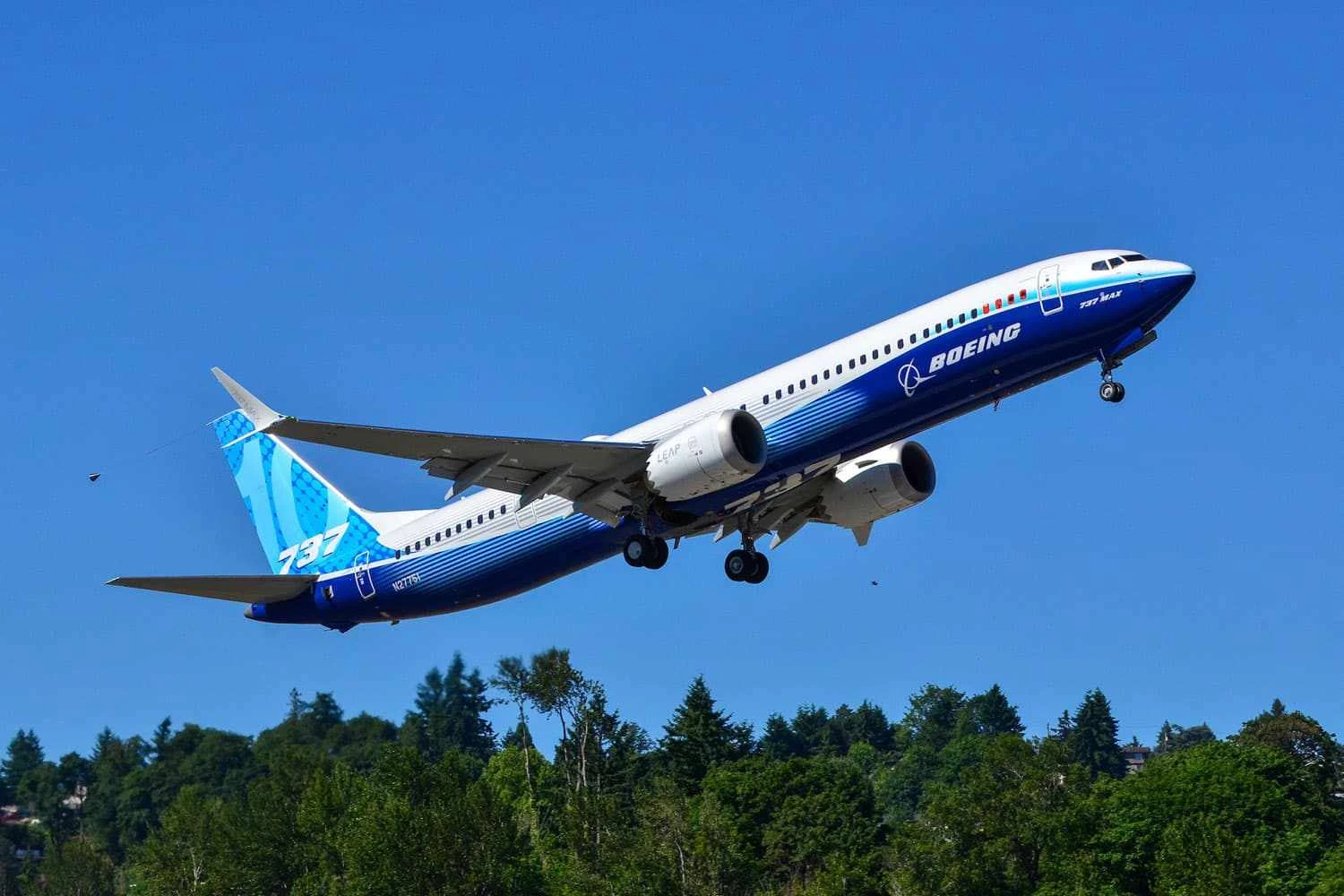
Indeed, Boeing used precisely that qualification when celebrating the 777F's 15th anniversary in 2024. At the time, with more than 250 aircraft in service, the company described it as the "most popular production widebody freighter."
The word "production" is absent from the latest claims.
What does 'most operated' mean?
It is also difficult to interpret "most operated" simply as a reference to the number of aircraft. Boeing says the 777F fleet carries more air cargo annually than any other freighter type and provides around 40% of global freighter capacity because of its high utilization on long-haul routes.
Those figures highlight an important difference between the 777F and the smaller 767. Long-range 777F missions can generate considerably more flight hours and available cargo capacity than the shorter sectors typically flown by 767 freighters. Boeing says the most heavily utilized 777F flew 6,250 hours in 2025, averaging more than 17 hours per day.
It is therefore possible for a fleet of roughly 330 aircraft to exceed a considerably larger fleet under measures such as flight hours, tonne-kilometers, payload capacity or cargo carried.
But none of those measures is explicitly attached to the phrase "world's most operated widebody freighter."
Market built on conversions
The distinction between production and converted aircraft is particularly relevant to the air cargo market. In its 2026 World Air Cargo Forecast, released on Tuesday, Boeing projects that operators will need 2,930 freighters over the next 20 years. Two-thirds are expected to be passenger aircraft converted to freighters, with only one-third coming from new production.
The 777F itself remains an unusually successful production freighter. Cirium says its entire fleet is currently utilized, with no aircraft in storage. Its production life has also recently been extended after the FAA allowed Boeing to issue initial airworthiness certificates for up to 35 additional 777Fs between January 2028 and January 2031, bridging part of the gap until the delayed 777-8F enters service.
The 777F overtaking the 747 therefore marks a notable change in the composition of the large freighter fleet. Whether that also makes it the world's "most operated widebody freighter" depends on a definition Boeing does not provide.