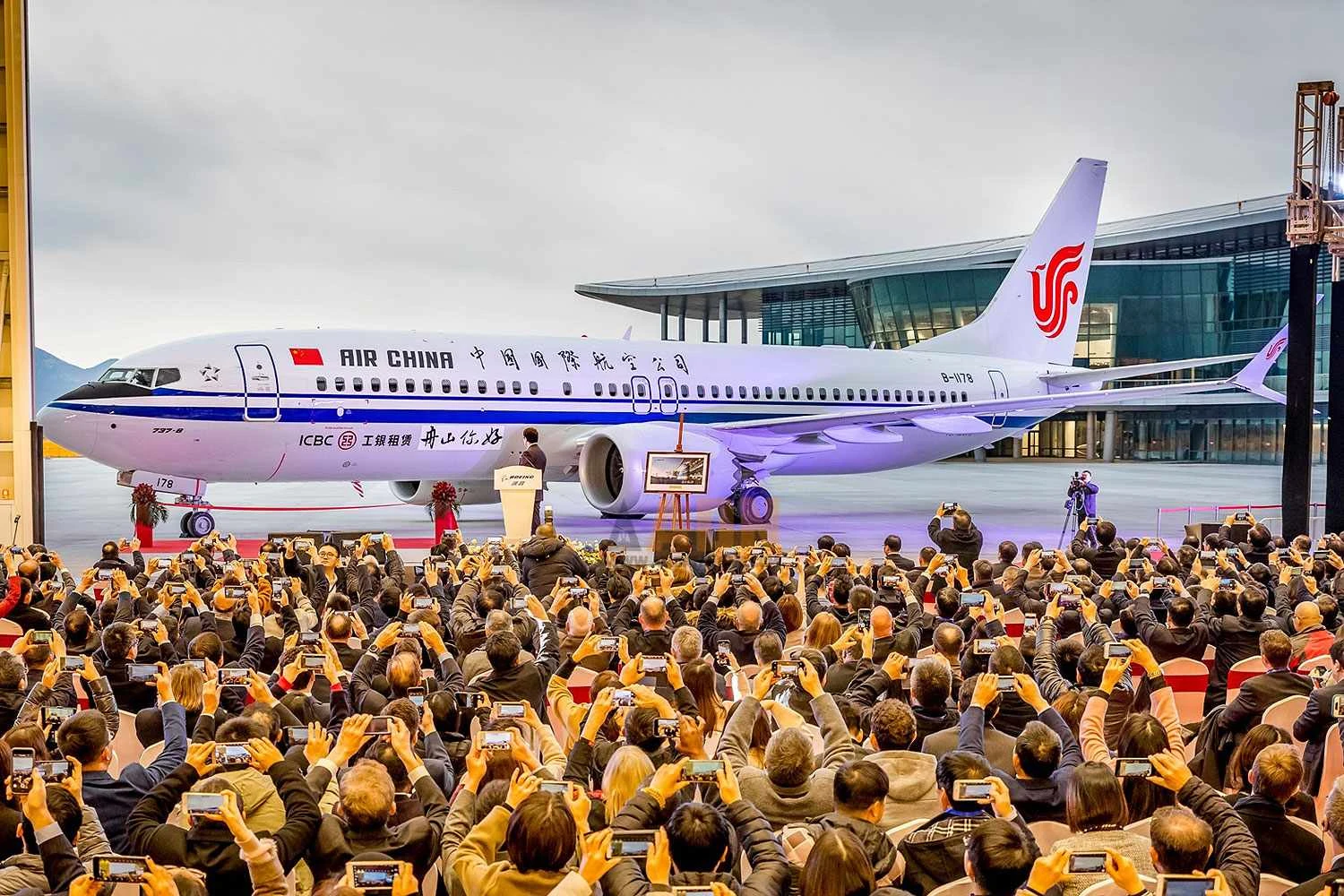
Boeing shares fell more than 4% on Thursday after U.S. President Donald Trump said China had agreed to buy 200 Boeing aircraft, a figure well below earlier reports suggesting a potential mega-order involving up to 500 jets.
Speaking to Fox News during his visit to Beijing, Trump said Chinese President Xi Jinping had agreed to order “200 big ones,” without providing details about the airlines involved, aircraft models or delivery timelines.
The comments contrasted with reports from Reuters and other outlets ahead of the summit indicating Boeing and Chinese officials were discussing a package centered on as many as 500 737 MAX aircraft, potentially followed by additional orders for 787 Dreamliners and 777X widebody jets.
By Friday, the final day of Trump’s trip to China, no formal aircraft announcement had been made by either government or by Boeing.
Related news
September 21, 2026
September 21, 2026
The lack of confirmation appeared to disappoint investors, especially after weeks of speculation surrounding a possible breakthrough in Boeing’s relationship with China, one of the world’s largest aviation markets.
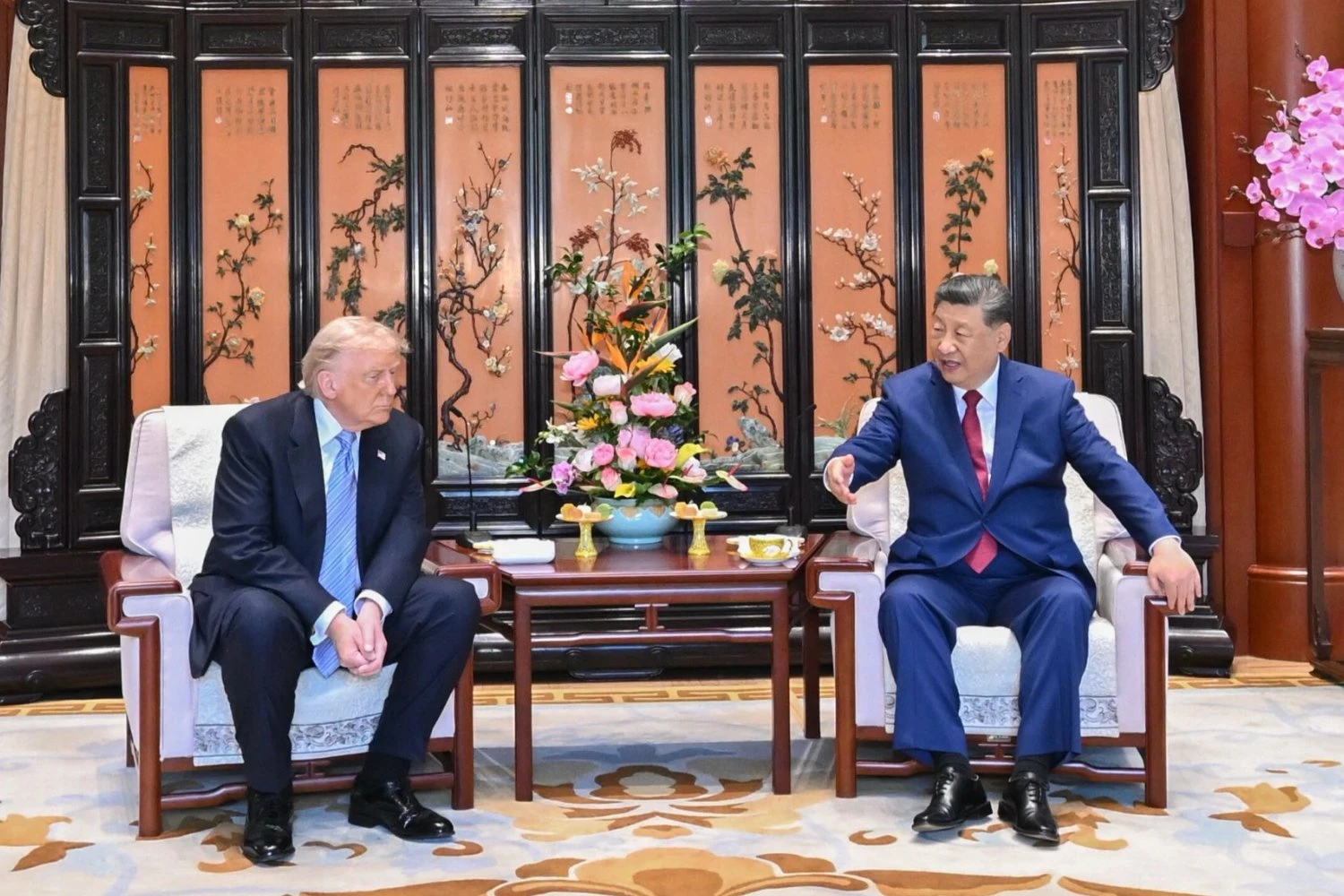
Boeing’s commercial ties with China deteriorated sharply after the two fatal 737 MAX crashes in 2018 and 2019, followed by escalating trade tensions between Washington and Beijing. Chinese airlines largely halted major Boeing orders after 2017, while Airbus expanded its presence in the country and strengthened its position with an A320 final assembly line in Tianjin.
Deliveries of Boeing aircraft to Chinese carriers resumed more consistently in 2024, although they faced new disruptions last year after Chinese airlines reportedly delayed accepting aircraft during another escalation in tariff disputes between the two countries.
Despite Beijing’s efforts to reduce dependence on Western industries and develop domestic programs such as the COMAC C919, China remains heavily reliant on foreign aerospace technology, including engines, avionics and other critical systems supplied by American and European companies.
Recent news
September 21, 2026
September 21, 2026
September 21, 2026
Analysts have long viewed aircraft purchases as both commercial and political tools in U.S.-China relations. Boeing secured its last major Chinese deal during Trump’s first visit to Beijing in 2017, when Chinese customers announced commitments for 300 aircraft.
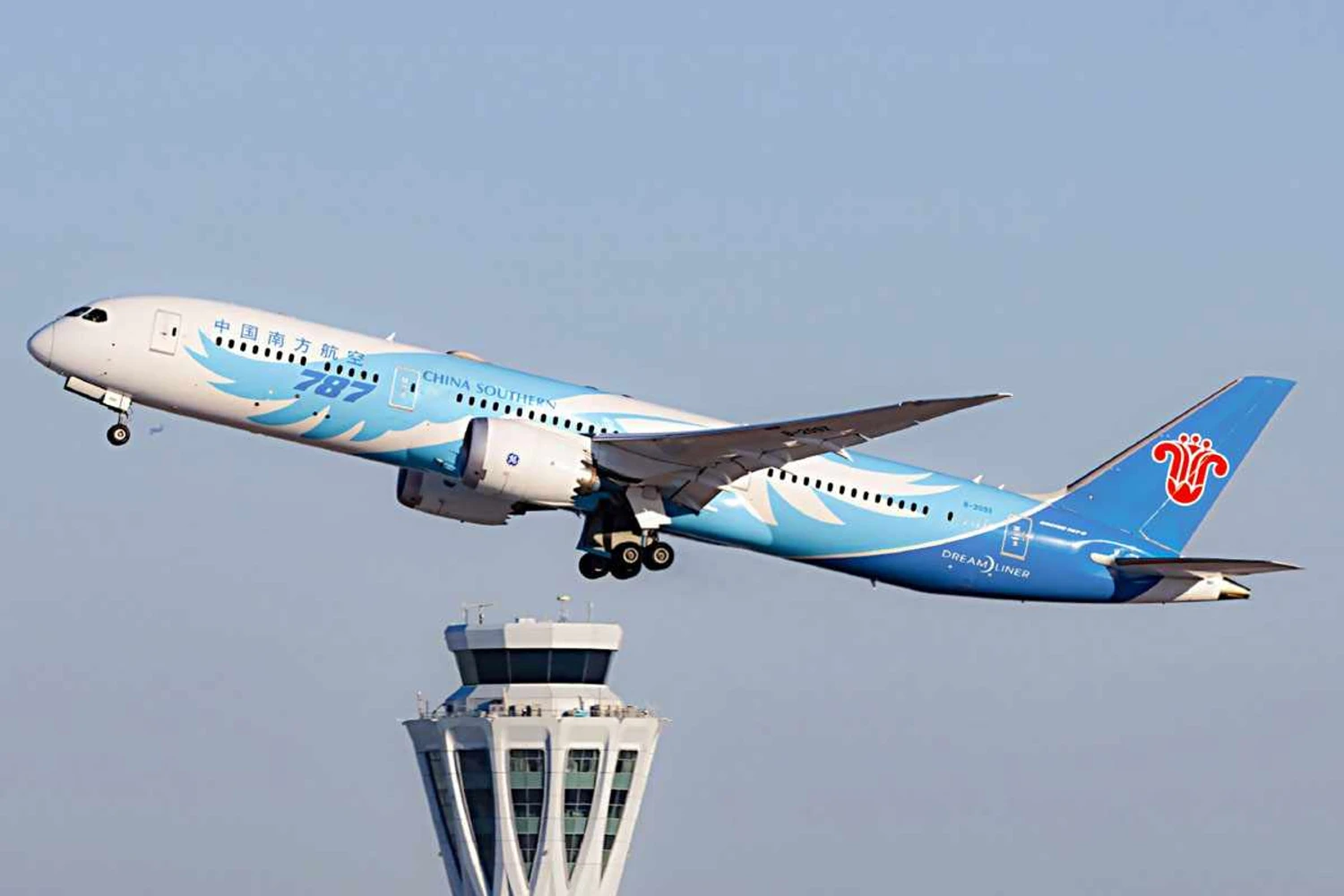
Chinese demand for new aircraft remains substantial. Boeing and Airbus both estimate the country will require around 9,000 new commercial jets over the next two decades as air travel demand continues to grow.
Boeing CEO Kelly Ortberg traveled to China as part of Trump’s business delegation alongside executives from several major U.S. companies. Earlier this year, Ortberg acknowledged that any large Chinese aircraft order would depend heavily on progress in bilateral negotiations between Washington and Beijing.