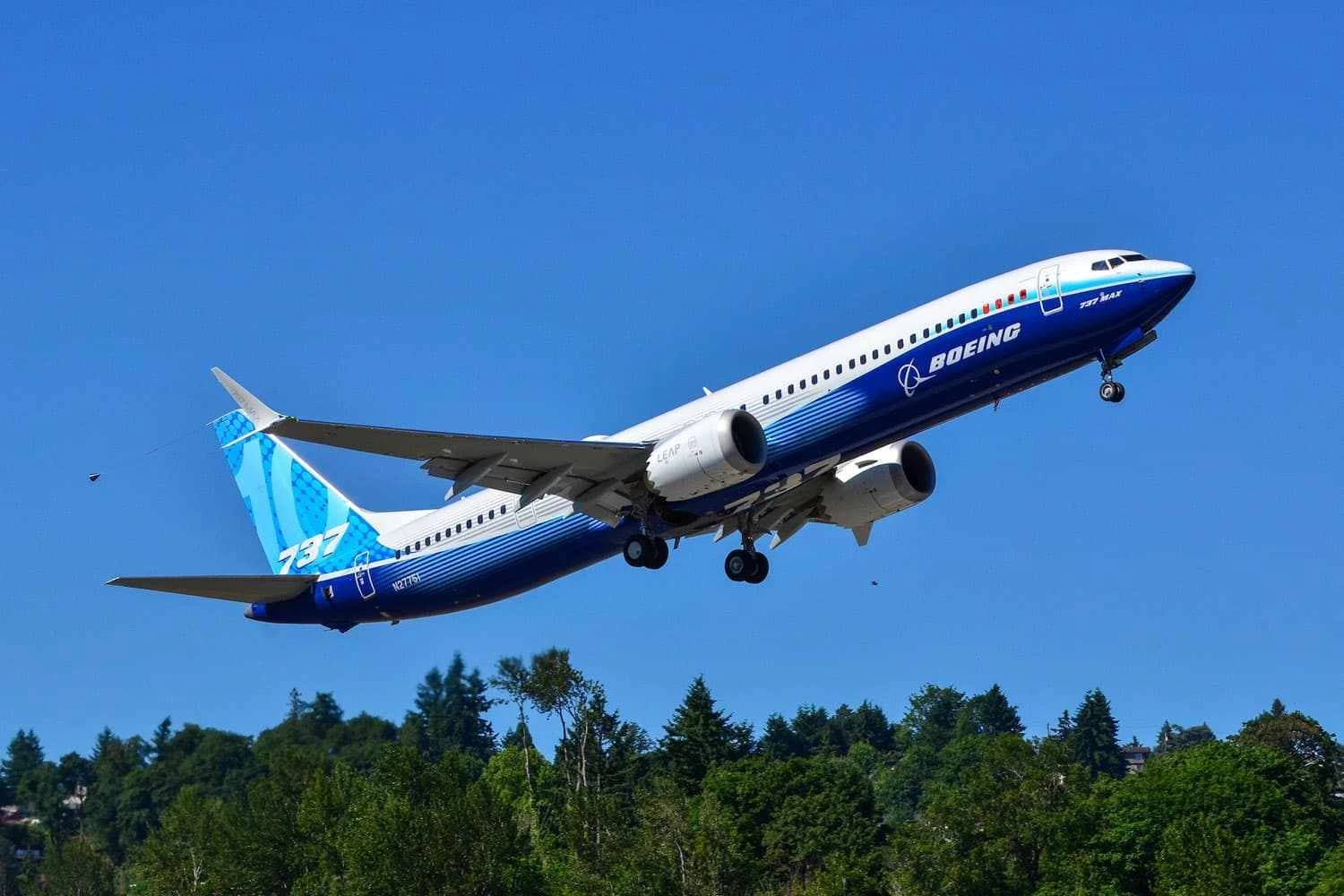
Boeing appears to be nearing a major milestone in the long-delayed certification campaign for the 737 MAX family, with US and European regulators indicating that approval of the MAX 7 and MAX 10 is now entering its final stages.
Officials from the US Federal Aviation Administration (FAA) and the European Union Aviation Safety Agency (EASA) said this week that most of the remaining work involves completing documentation and final validation steps rather than resolving major technical issues.
"We are making very good progress on the final closure of the last actions," EASA Executive Director Florian Guillermet said during a safety conference. He added that the certification process was now focused on completing the remaining paperwork and reviews.
FAA Deputy Administrator Chris Rocheleau described the remaining work as largely "dotting i's and crossing t's" and said both agencies were coordinating closely to align their certification decisions.
Related news
September 16, 2026
September 14, 2026
The two aircraft are the last members of the 737 MAX family still awaiting certification. The MAX 7 is the smallest variant, while the MAX 10 is the largest and highest-capacity version of the aircraft.
Boeing has accumulated 280 net orders for the MAX 7 and 1,468 net orders for the MAX 10, according to the manufacturer's latest backlog figures. The larger MAX 10 is viewed as particularly important because it competes directly with the Airbus A321neo, currently the best-selling aircraft in the European manufacturer's lineup.
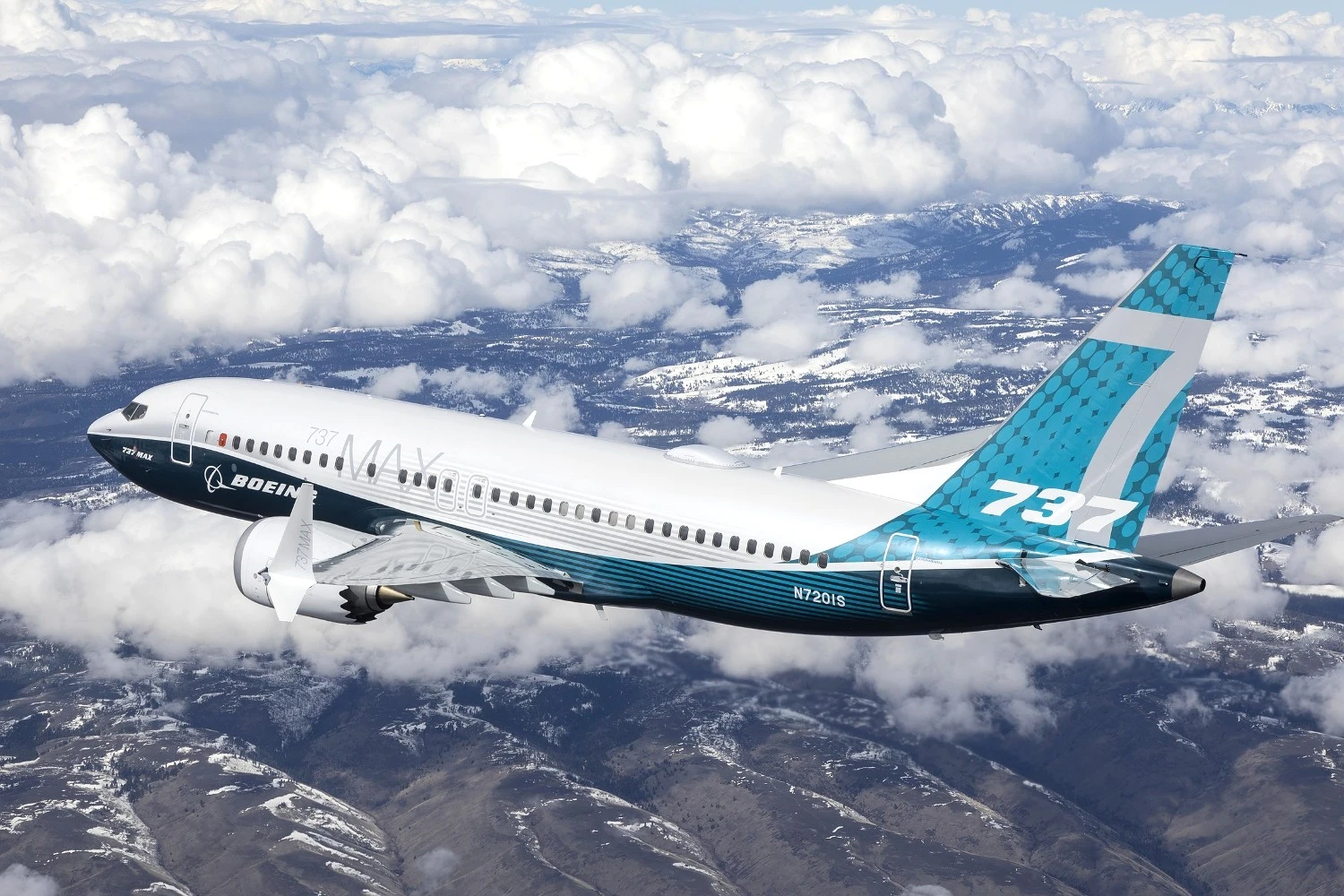
Configured for a single-class layout, the MAX 10 can accommodate up to 230 passengers and offers airlines a larger-capacity option without moving to a widebody aircraft.
Certification of both variants has been delayed for several years, largely because of issues involving the engine anti-icing system. Boeing has been working with regulators on a long-term solution while seeking approval for interim measures that would allow the aircraft to enter service.
The FAA's relationship with EASA became significantly more complex following the two fatal 737 MAX accidents in 2018 and 2019, which led European regulators to conduct more independent reviews of Boeing designs. Both agencies, however, said cooperation has improved considerably in recent years.
FAA Administrator Bryan Bedford said last month that he expects the MAX 7 to receive certification during the northern hemisphere summer, while approval of the MAX 10 could follow before the end of the year.