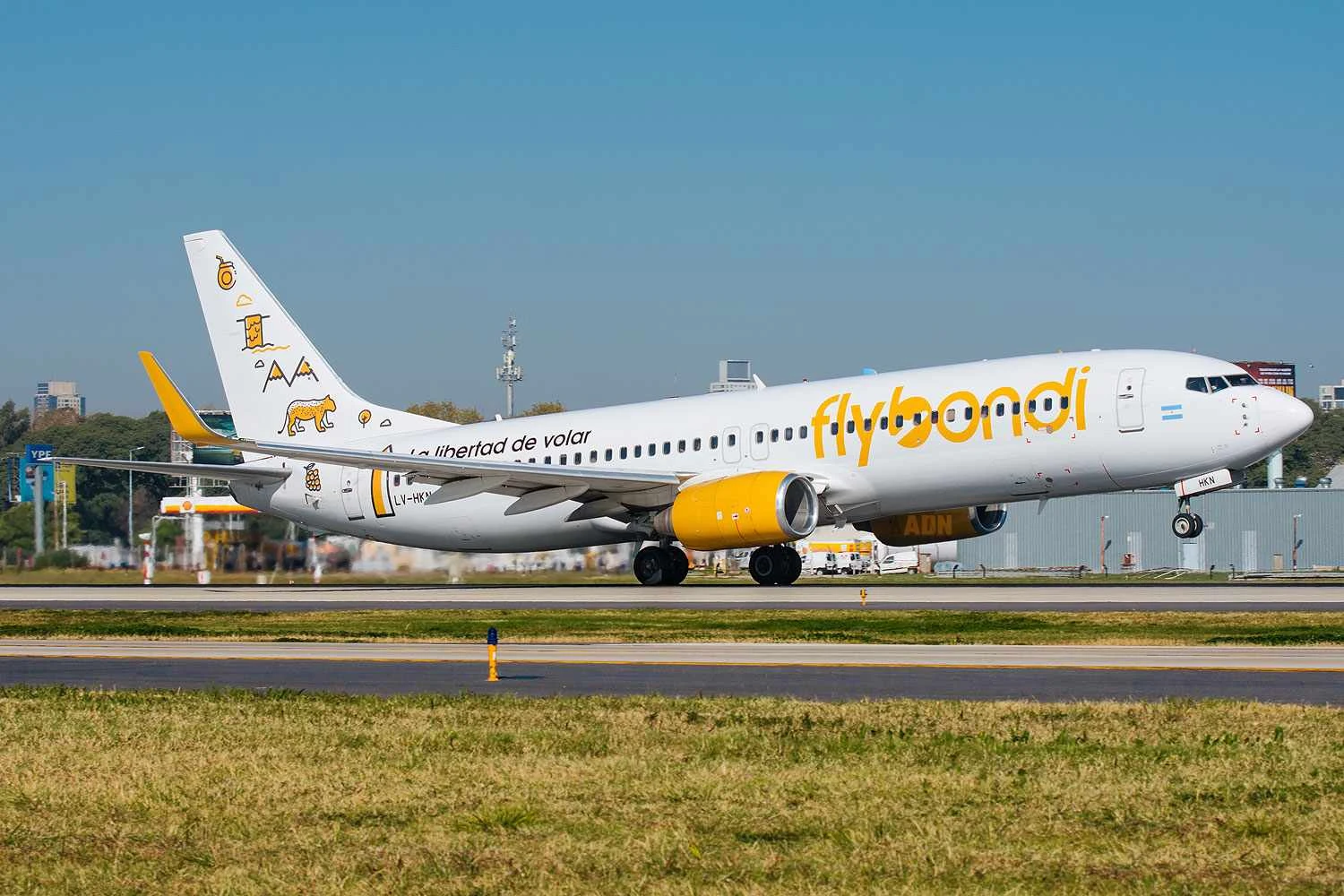
Argentine low-cost carrier Flybondi is facing one of the most uncertain periods in its history as operational disruptions continue to affect the airline. Local media reports have recently suggested that the company has been operating with only one or two aircraft, but flight tracking records show that three Boeing 737-800s were active during the first week of June.
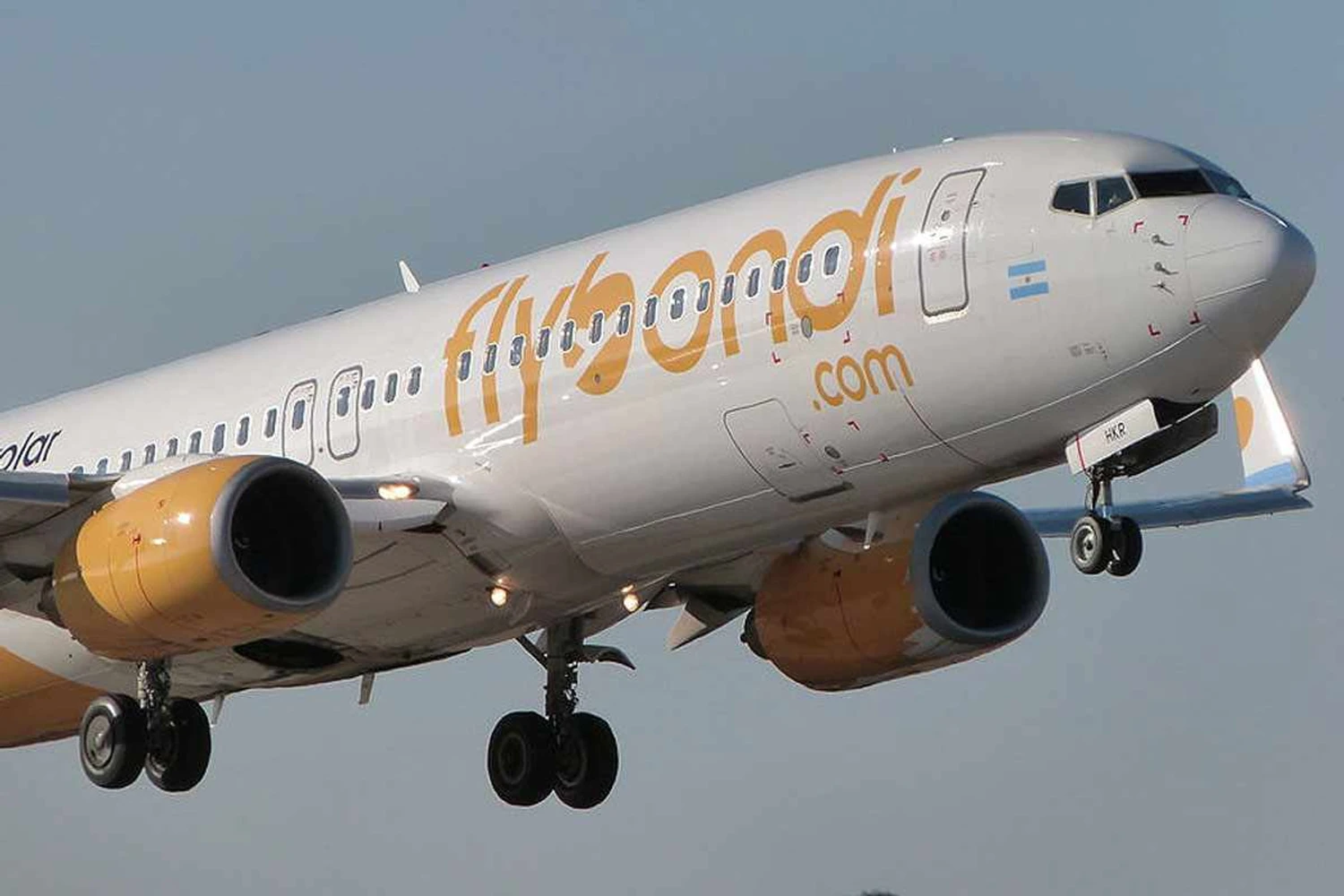
The discrepancy is yet another indication of the difficulty in assessing the airline's current situation. While Flybondi's fleet has clearly been reduced and cancellations remain frequent, aircraft registered LV-KDQ, LV-KJD and LV-KJE all operated flights on June 4 and June 5 to cities such as Puerto Iguazu, Cordoba, and Corrientes.
Related news
September 02, 2026
Argentine media have also reported the departure of several executives, including CEO Paz Lovisolo, who assumed the role earlier this year. However, Flybondi has not publicly confirmed management changes at the time of writing.
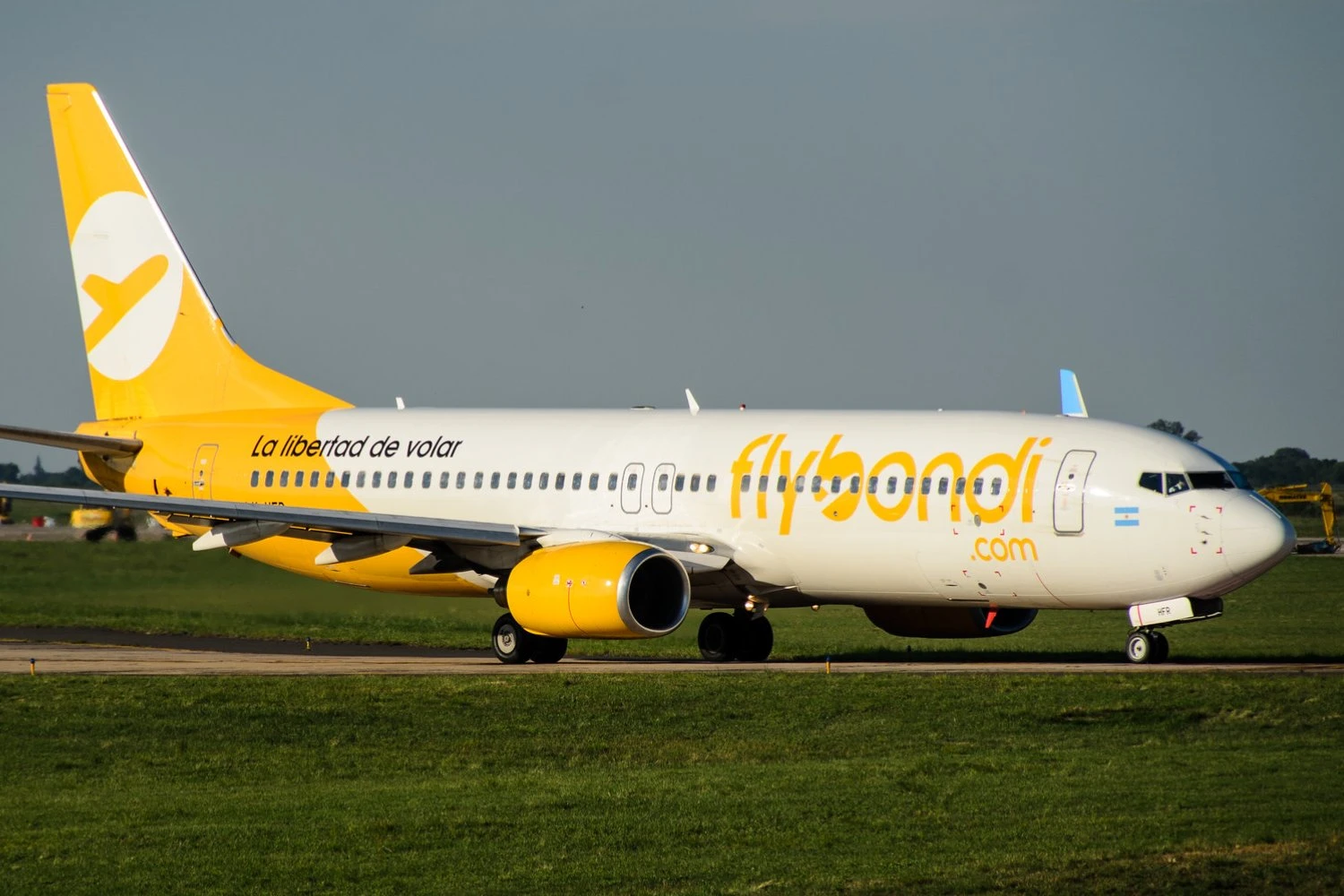
Founded in 2018, Flybondi was one of the first low-cost airlines in South America and quickly became one of the most visible symbols of Argentina's airline market liberalization. The carrier survived both the COVID-19 pandemic and the closure of El Palomar Airport, a former military airfield near Buenos Aires that had provided a lower-cost operating base for the airline.
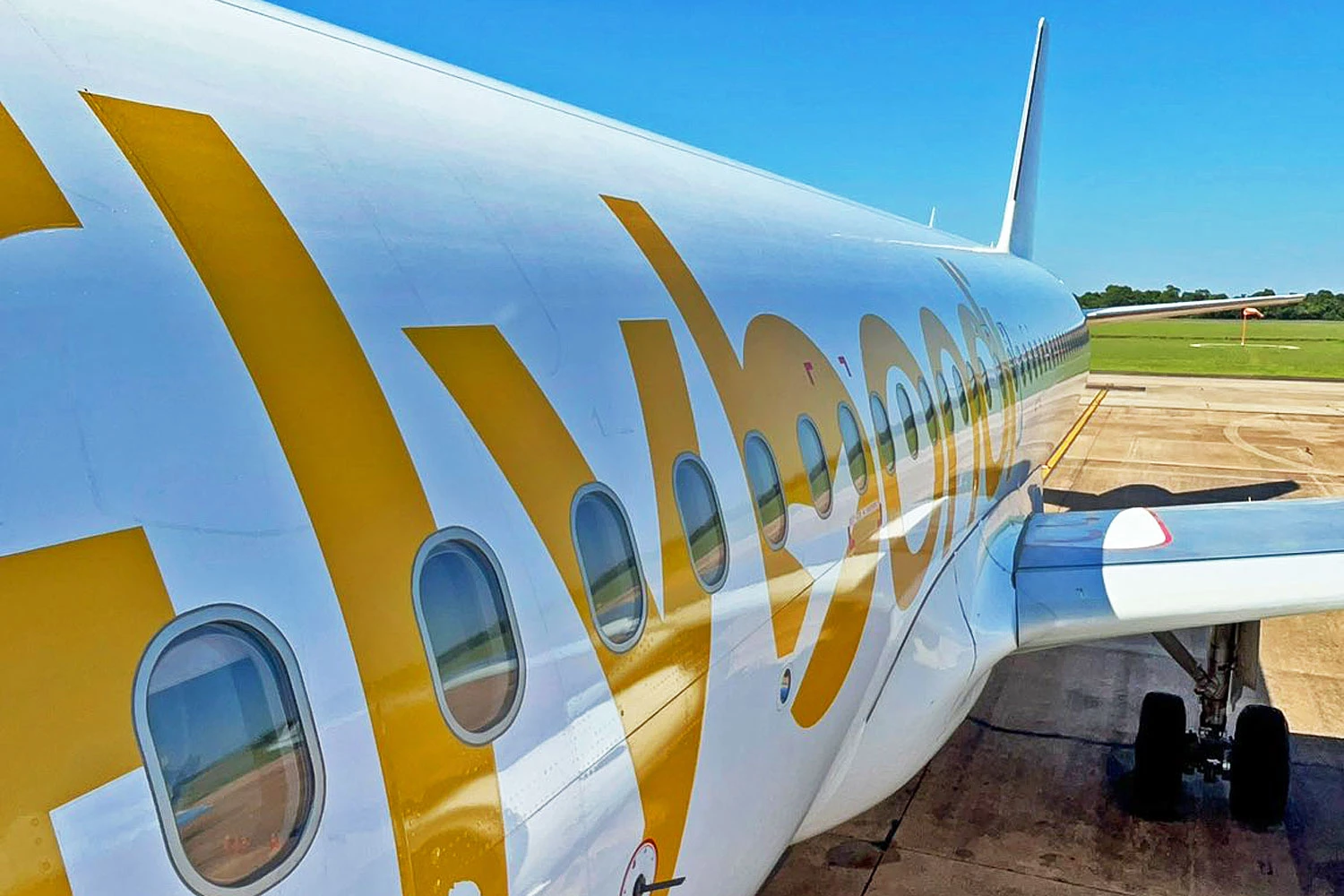
The current difficulties largely emerged after investment group COC Global Enterprise acquired control of the company in 2025. The new ownership announced ambitious expansion plans, including references to future Boeing 737 MAX 10 and Airbus A220 operations.
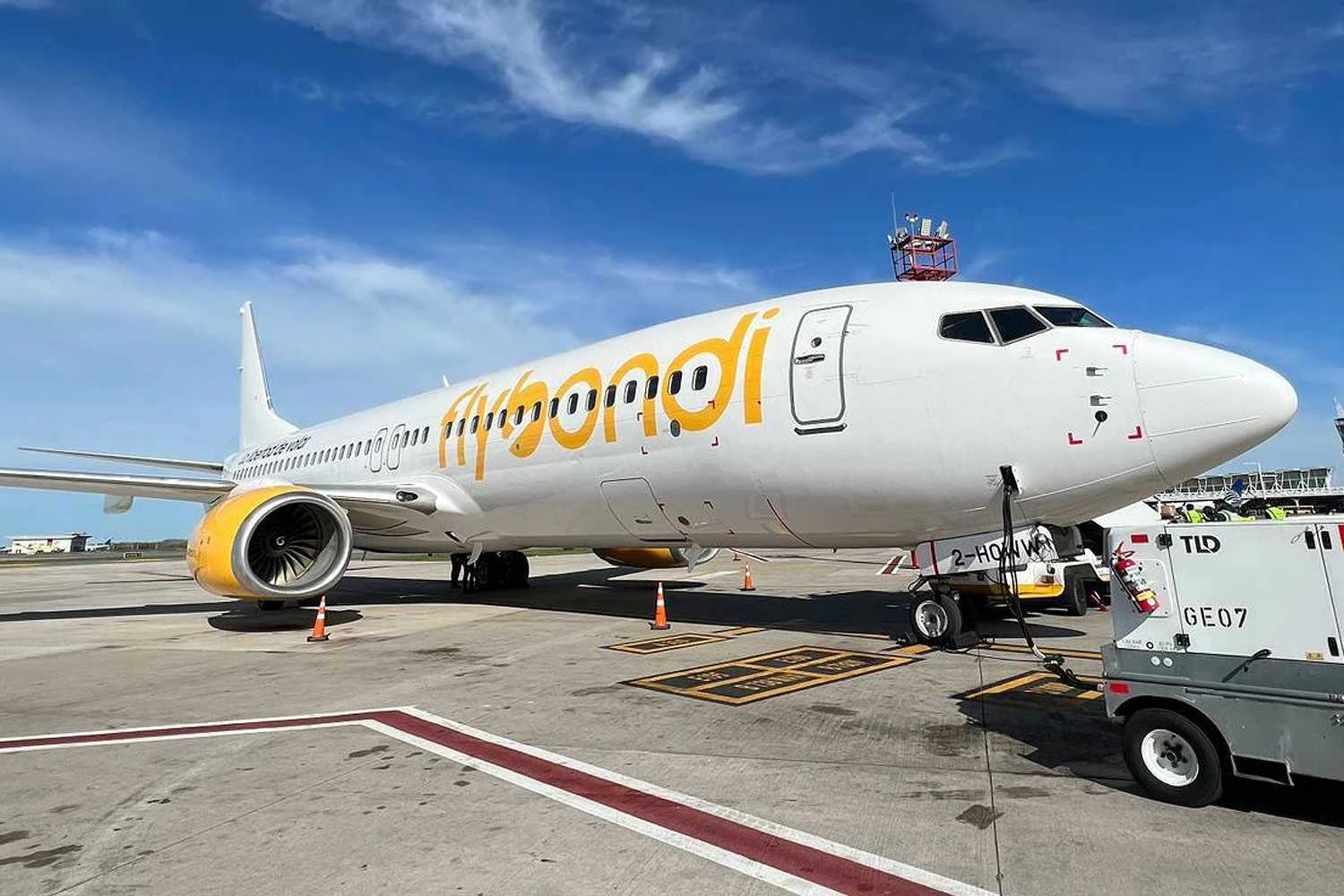
In practice, however, the fleet moved in the opposite direction. The number of leased Boeing 737-800s gradually declined, reducing operational flexibility at a time when the airline was already facing reliability challenges.
Flybondi also ended an ACMI agreement with Avion Express, which had been providing Airbus A320 capacity to support the carrier's network. The loss of those aircraft further reduced available capacity and increased pressure on the remaining fleet.
According to Argentine reports, the airline has canceled thousands of flights over the past year while dealing with maintenance issues, aircraft availability constraints and financial pressures. The result has been a prolonged period of schedule instability that has affected passenger confidence and generated growing scrutiny from regulators and industry observers.