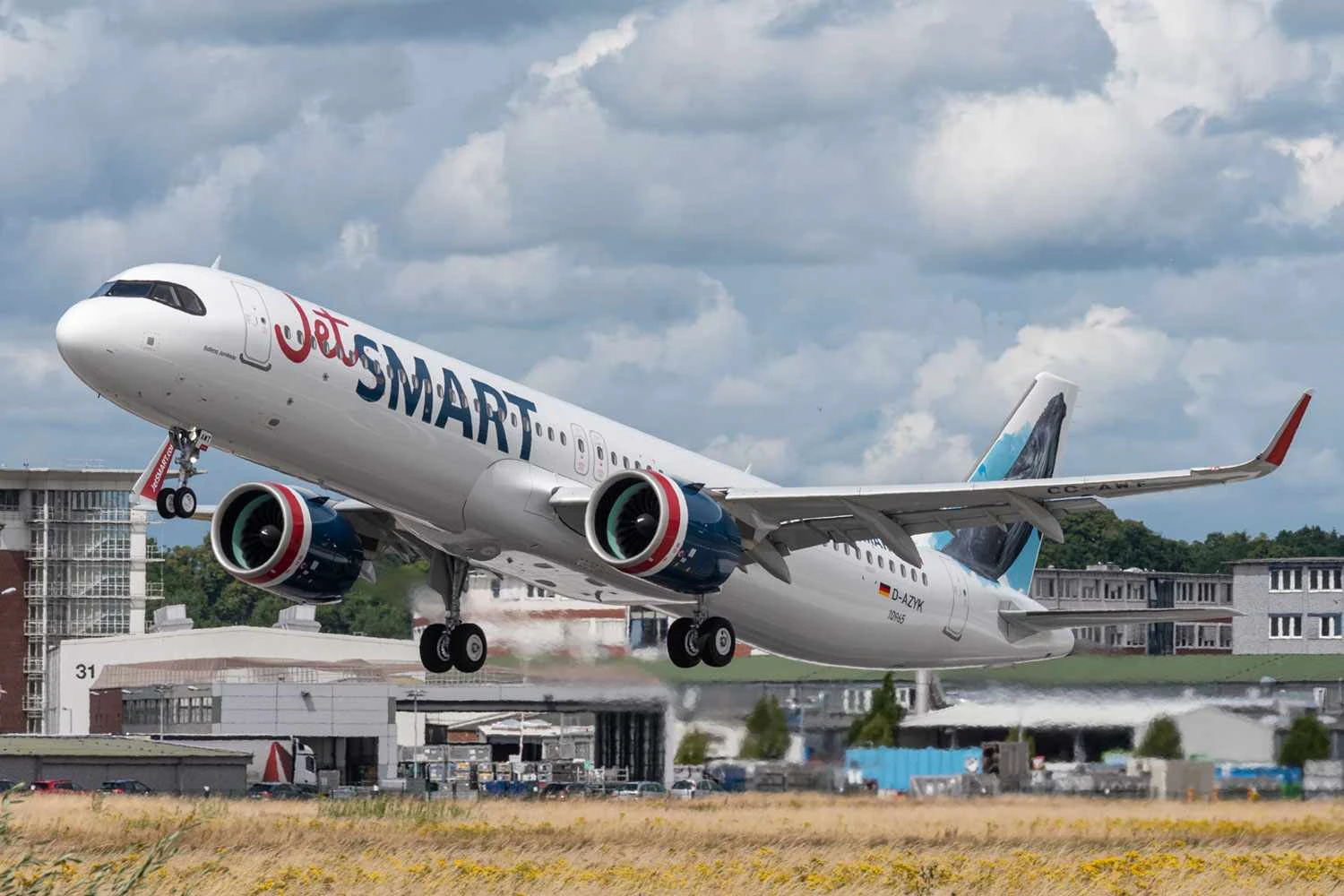
JetSMART plans to expand its Argentine operation to 23 aircraft by the southern hemisphere summer of 2027, aiming to gain market share as rival low-cost carrier Flybondi continues to reduce its presence in the country.
The airline outlined its expansion plans during a press conference in Buenos Aires on Thursday, where executives confirmed a target of 23 aircraft based in Argentina, including 10 Airbus A321neo jets. The fleet is expected to reach 17 aircraft by October before growing further over the following months.
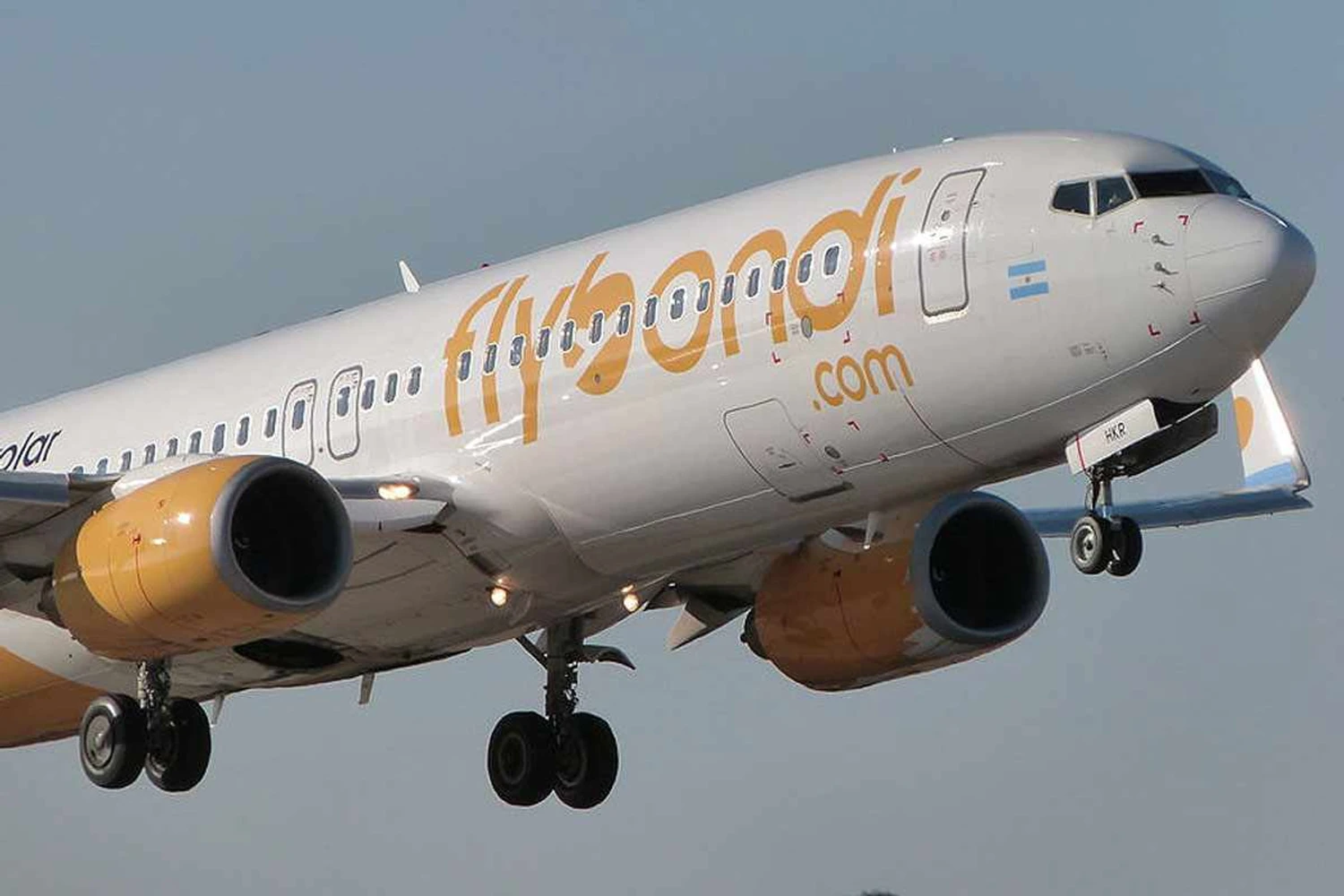
The announcement comes as Flybondi faces one of the most difficult periods in its history. The Argentine low-cost carrier has sharply reduced operations in recent months amid operational and financial challenges, leaving gaps on several domestic routes.
JetSMART chief executive Estuardo Ortiz said the airline intends to increase capacity by about 40% ahead of the next summer season, allowing it to absorb part of the demand left behind by its competitor's retrenchment.
Related news

September 02, 2026

Among the routes expected to benefit from the expansion are services to Posadas, San Juan, Santiago del Estero and Jujuy. The carrier also plans additional regional flights to destinations in Chile, Peru and Brazil, including the recently announced route to Maceió.
The strategy builds on JetSMART's growing position in Argentina. The airline reached roughly 23% of the domestic market in 2025, overtaking Flybondi and becoming the country's second-largest airline behind Aerolíneas Argentinas.

A key element of the growth plan is the increasing use of the Airbus A321neo. The type can accommodate up to 240 passengers, significantly more than the Airbus A320 family aircraft that dominate most low-cost fleets in South America. The additional capacity helps reduce operating costs per seat while supporting expansion on both domestic and international routes.
The carrier's growth comes despite a slowdown in Argentina's domestic aviation market. Industry data cited during the event showed domestic flights fell by around 14% year-on-year in May, while available seats declined about 15% and passenger traffic dropped more than 12%.
JetSMART nevertheless argues that the long-term outlook remains favorable. Low-cost airlines now account for approximately 40% of Argentina's domestic traffic, a sharp increase compared with previous years when the segment represented only a small portion of the market.
Ortiz said the expansion follows plans established in 2024 rather than being solely a response to Flybondi's difficulties. However, the weakening of its main low-cost rival is creating opportunities for JetSMART to strengthen its position in one of South America's largest aviation markets.
The airline currently operates one of the youngest fleets in the region and is backed by Indigo Partners, the investment group associated with several low-cost carriers worldwide.