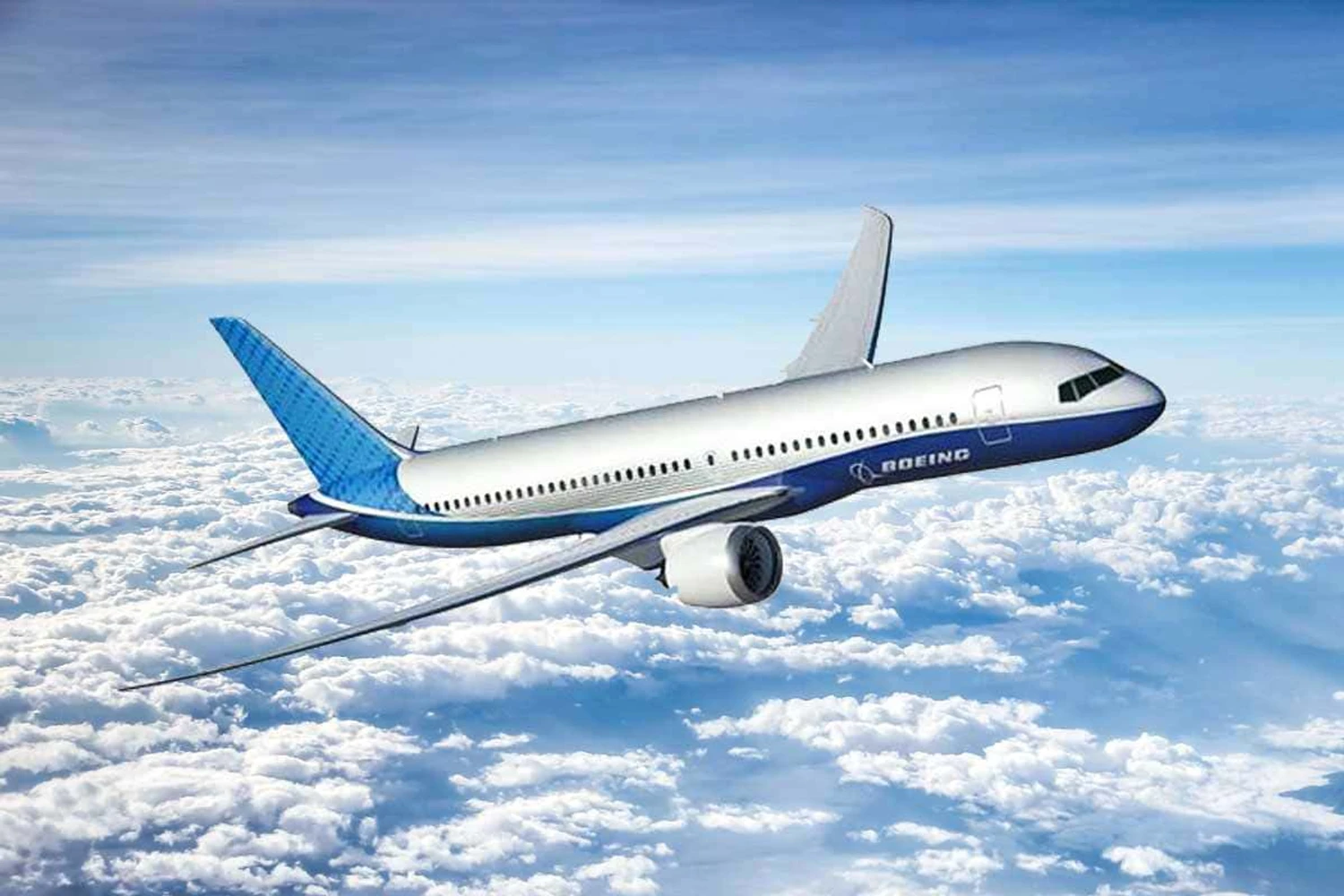
Boeing has begun laying some of the industrial foundations for its next commercial aircraft, even as the company remains years away from formally launching a new single-aisle program.
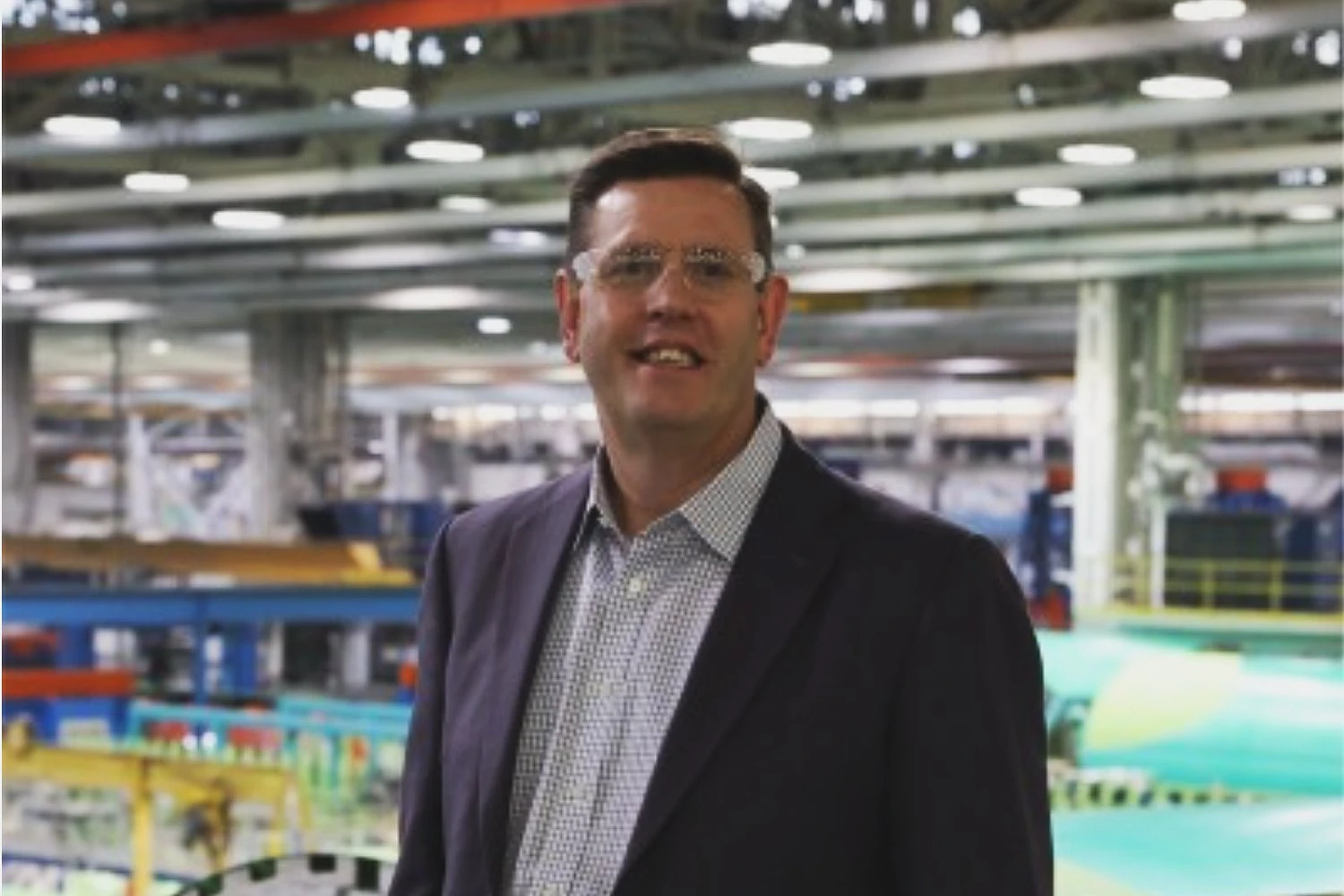
Sean Black, who has led Boeing's Wichita operations since the reintegration of major parts of Spirit AeroSystems, has been selected to lead development of the company's future production system, according to The Air Current.
Follow Air Data News: WhatsApp | Instagram | LinkedIn | Twitter | Facebook
The outlet reported that the role will be critical as Boeing prepares the groundwork for an all-new single-aisle aircraft. Boeing has not announced such a program or disclosed when it intends to make a decision on its next commercial aircraft.
Black's background makes the appointment particularly notable. Before Boeing reacquired major Spirit operations, he served as Spirit AeroSystems' chief technology officer and senior vice president of engineering, research and technology. He subsequently took responsibility for the Wichita operation as it returned to Boeing.
His new assignment suggests that work surrounding Boeing's next aircraft is extending beyond studies of aerodynamics, propulsion and configuration to another fundamental question: how an all-new airplane would actually be produced.
Breaking with 737 legacy
That issue carries particular significance for Boeing. The company's last major decision on a new single-aisle aircraft came in 2011, when it chose to re-engine the 737 rather than proceed with a clean-sheet design in response to the Airbus A320neo.
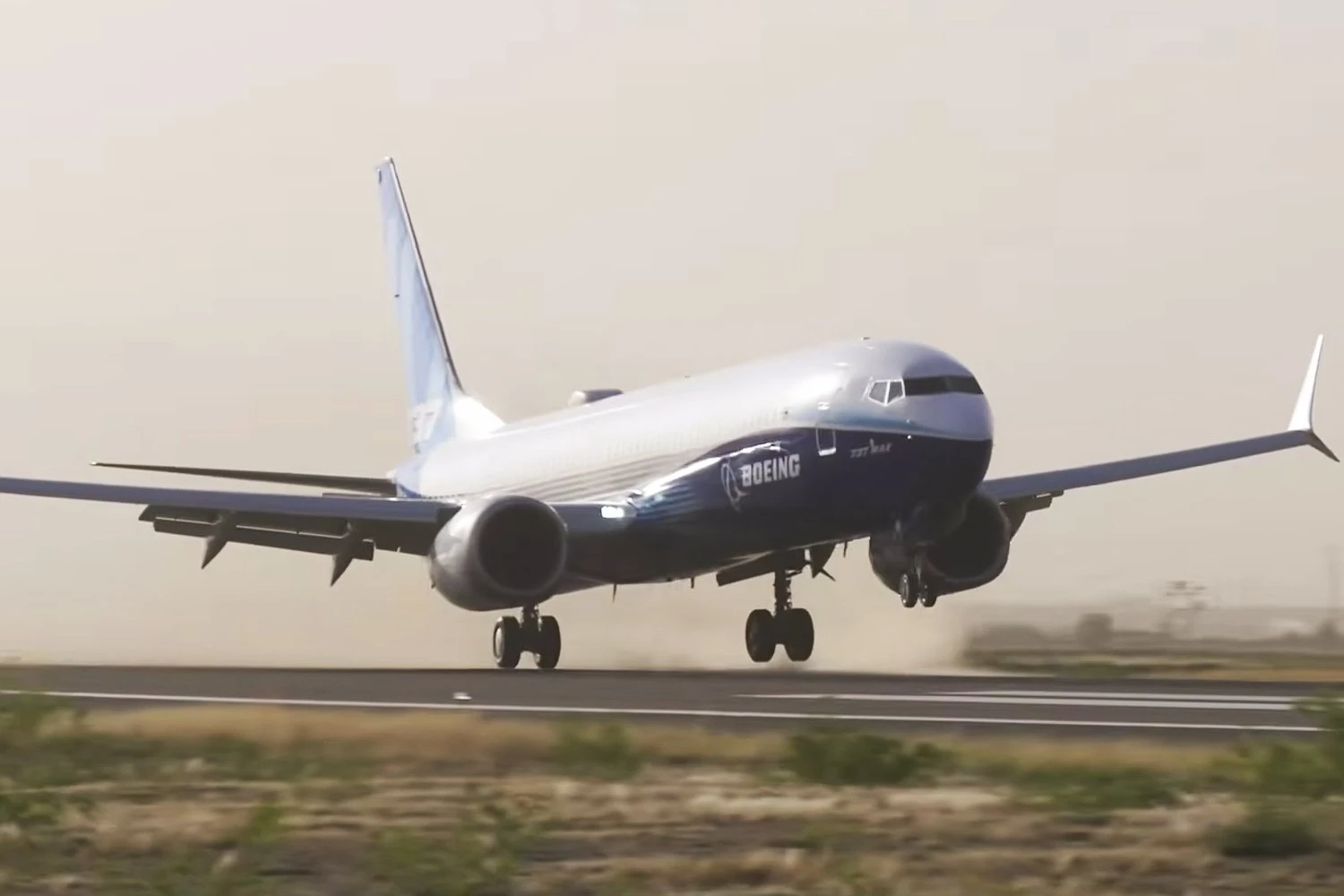
The decision produced the 737 MAX, extending an aircraft architecture whose origins date to the 737-100, which first flew in 1967. Although successive generations introduced major changes in engines, avionics, wings and systems, the basic configuration imposed constraints on how far the design could evolve.
Boeing will eventually face a different decision. Rather than finding another way to extend the 737, the manufacturer is expected at some point to develop a new aircraft to address the market currently served by the MAX and potentially compete further into the larger end of the single-aisle segment.
No configuration has been selected publicly, and Boeing has not said that its next commercial aircraft will be a direct one-for-one replacement for the 737 MAX. The eventual design could cover a different range of sizes and missions from today's family.
The competitive environment has also changed substantially since Boeing selected the MAX. Airbus has expanded the upper end of its single-aisle offering with the A321neo and its longer-range derivatives, while Boeing's largest version, the 737 MAX 10, has yet to complete certification.
Production becomes part of aircraft development
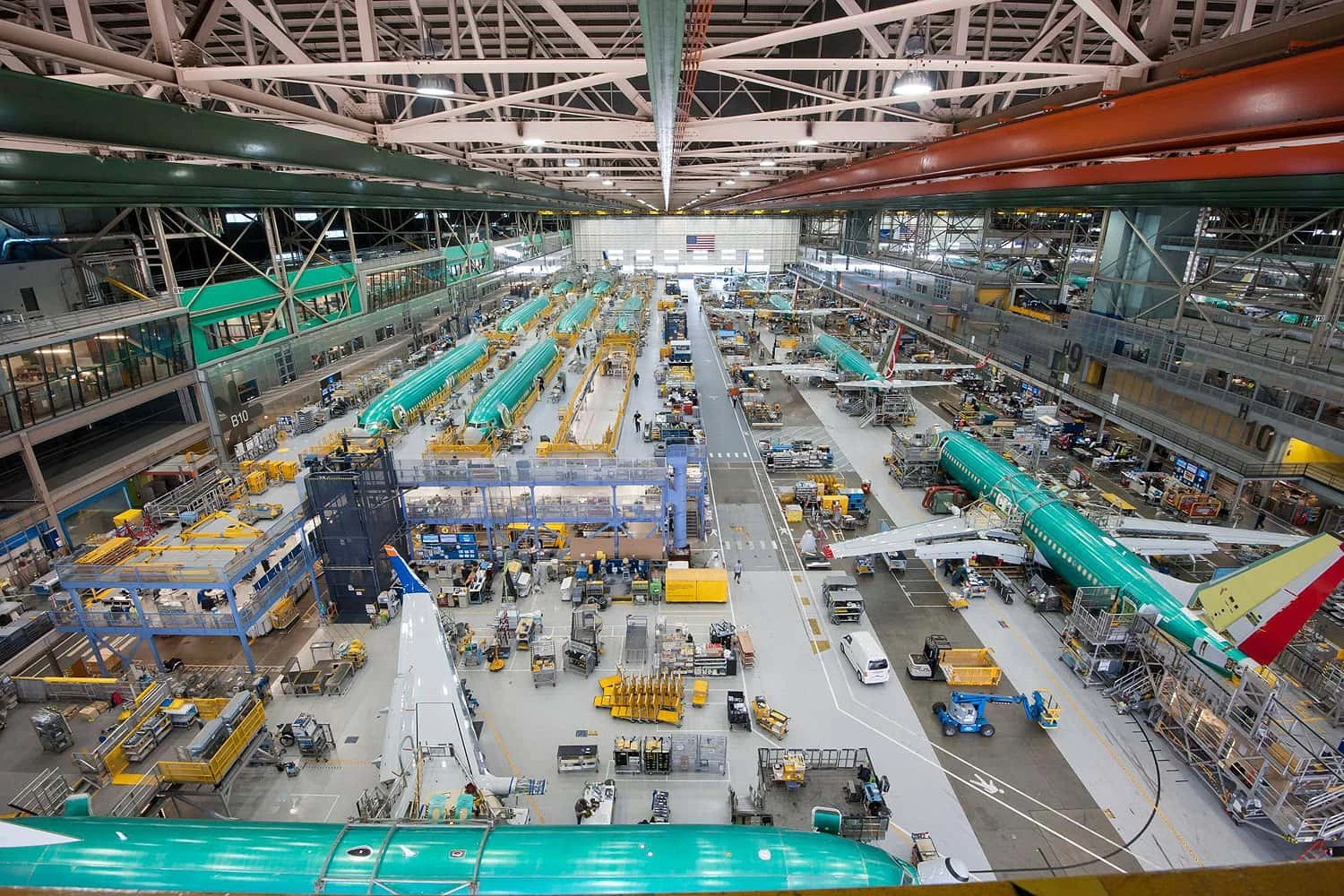
Preparing a new production system early could allow Boeing to make a break with its recent past. A clean-sheet aircraft provides an opportunity not only to introduce a new airframe and propulsion system, but also to reconsider how structures are designed, assembled and moved through factories.
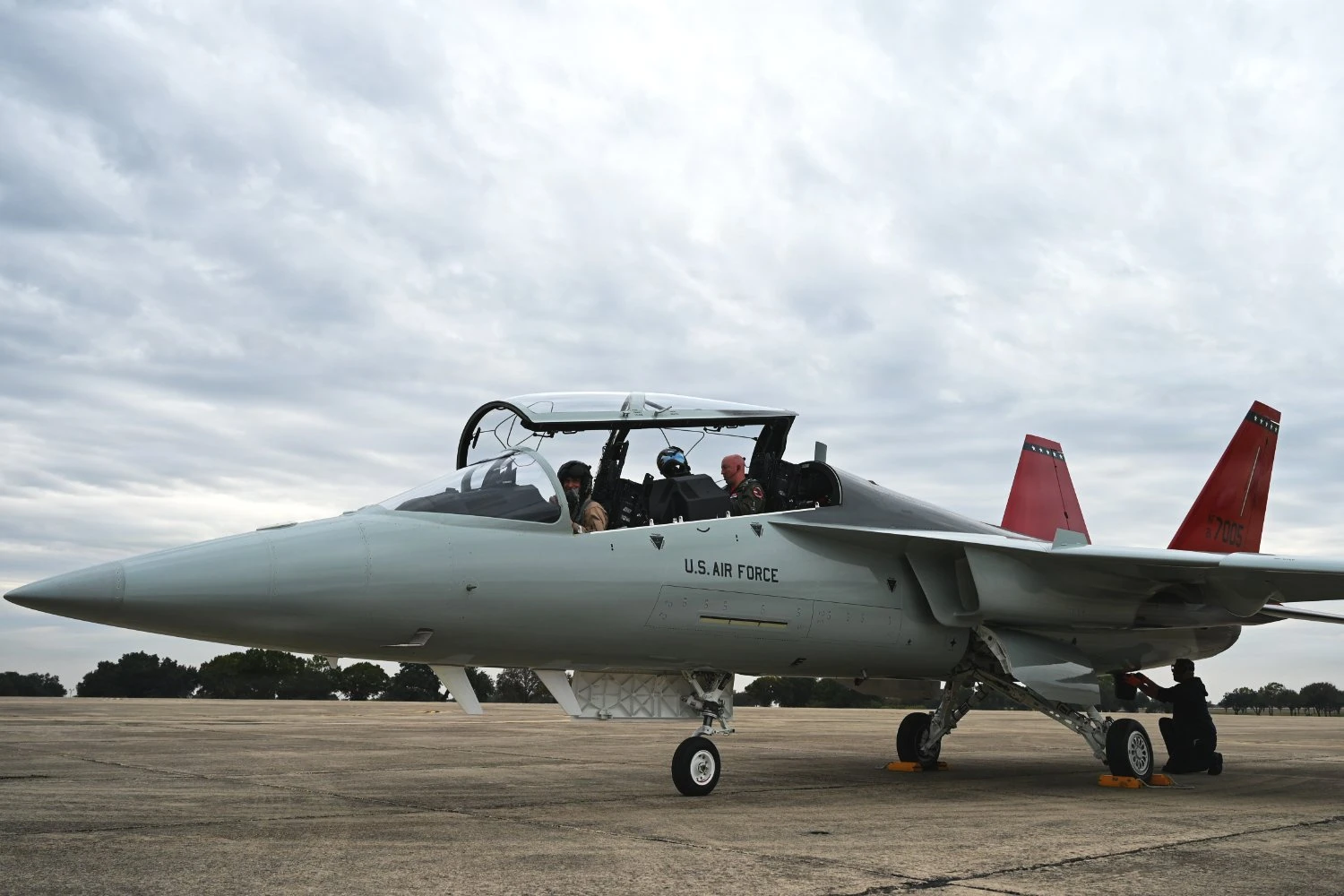
Boeing has experimented with digital engineering and new manufacturing methods on other programs, including the T-7A Red Hawk trainer. Lessons from those projects could influence how the company approaches a future commercial production system, although Boeing has not disclosed which technologies would be adopted for its next airliner.
Black arrives at the assignment with direct experience of another important part of that industrial equation. Spirit's Wichita operation produces major Boeing structures, including 737 fuselages, and its reintegration gives Boeing direct control over manufacturing activities that had been separated from the company for two decades.
Boeing has also committed US$1 billion to its Wichita operations over three years, covering facilities, equipment, training and production capabilities.
Addressing manufacturing early could allow Boeing to develop the aircraft and its production system in parallel, rather than treating production primarily as a later stage of the program.
Decision still ahead
Boeing is still concentrating on its existing commercial programs, higher production rates and certification of the 737 MAX 10. The company expects FAA approval in the coming months, which would allow it to turn its attention to the huge backlog accumulated for the variant.
Meanwhile, CEO Kelly Ortberg has said the company needs further technological progress, particularly in propulsion, before it commits to a new commercial aircraft.