Boeing has found that the liabilities inherited with its acquisition of Spirit AeroSystems exceed identifiable assets by approximately US$1.9 billion, adding an unexpected financial burden as the US manufacturer works to accelerate production of the 737 MAX and 787.
The figure was calculated by The Wall Street Journal from Boeing's financial disclosures following the completion of the Spirit acquisition in December 2025. Boeing agreed to bring its former supplier back in-house primarily to gain greater control over manufacturing and quality, particularly on the 737 program.
The newspaper's analysis shows that the financial consequences have become considerably larger than initially apparent. Boeing valued the total consideration for Spirit at US$8.39 billion, including shares issued to Spirit stockholders, previous advances and debt assumed or repaid as part of the transaction.
Boeing's own second-quarter filing with the US Securities and Exchange Commission provides further evidence of the costs it inherited.
Follow Air Data News: WhatsApp | Instagram | LinkedIn | Twitter | Facebook
The company has provisionally assigned US$10.28 billion in goodwill to the Spirit acquisition, up from an initial estimate of approximately US$10 billion. Goodwill is an accounting asset that, in this case, largely results from the value of the business exceeding the net value of the identifiable assets and liabilities acquired.
More significant for Boeing's aircraft business are the liabilities behind that calculation. Accrued liabilities associated with Spirit increased from US$1.78 billion in December to US$2.20 billion by the end of June.
That includes US$1.52 billion related to what Boeing describes as "off-market customer contracts" — agreements whose economic terms are less favorable than those that could be obtained under current market conditions.
The accounting remains provisional. Boeing said valuations involving goodwill, off-market contracts and other accrued liabilities were still being assessed. The acquisition accounting period can continue for up to one year after the December 8, 2025 closing.
Spirit costs reach Boeing's aircraft business
The implications extend beyond Boeing's balance sheet because Spirit was deeply embedded in the production of several commercial aircraft programs.
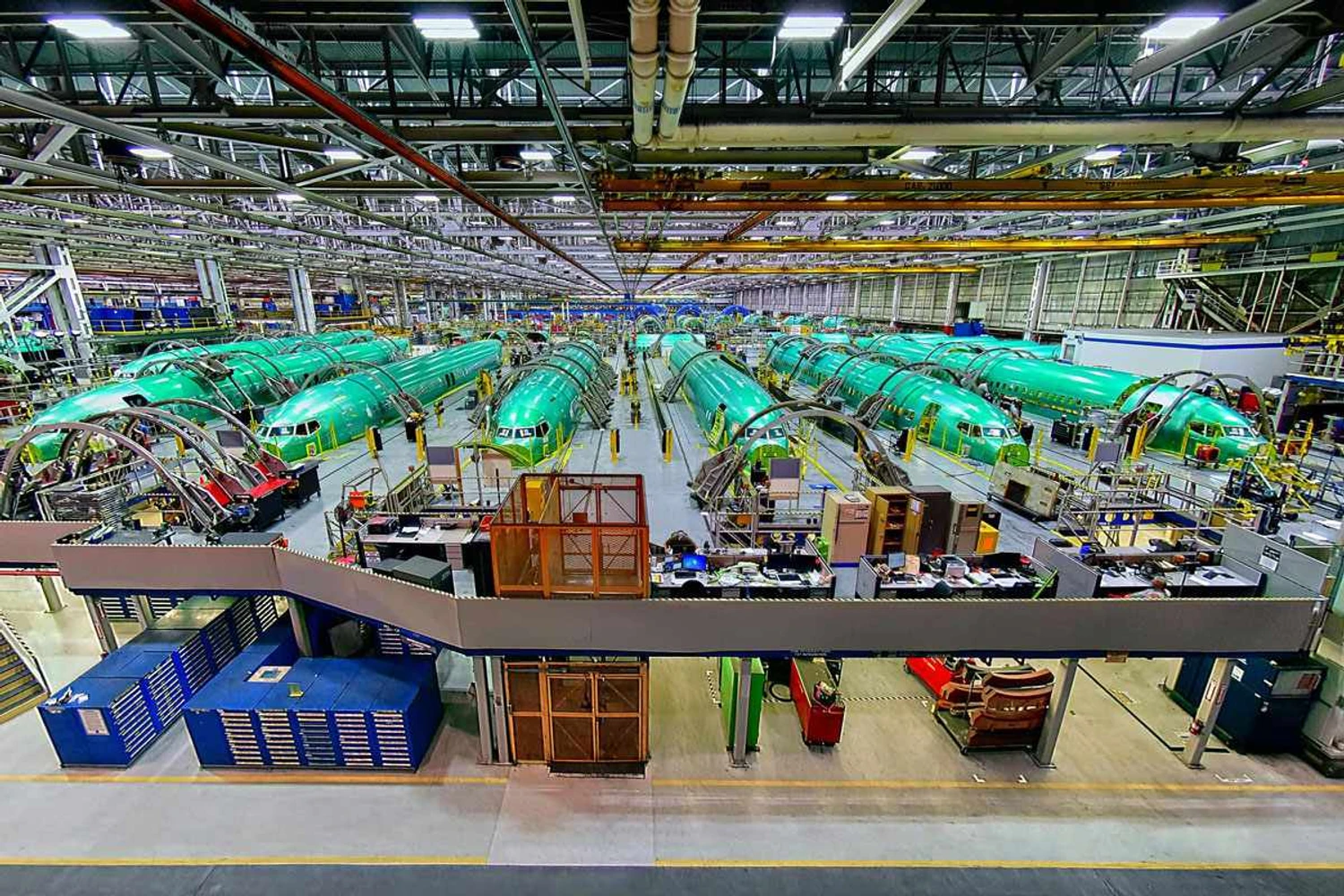
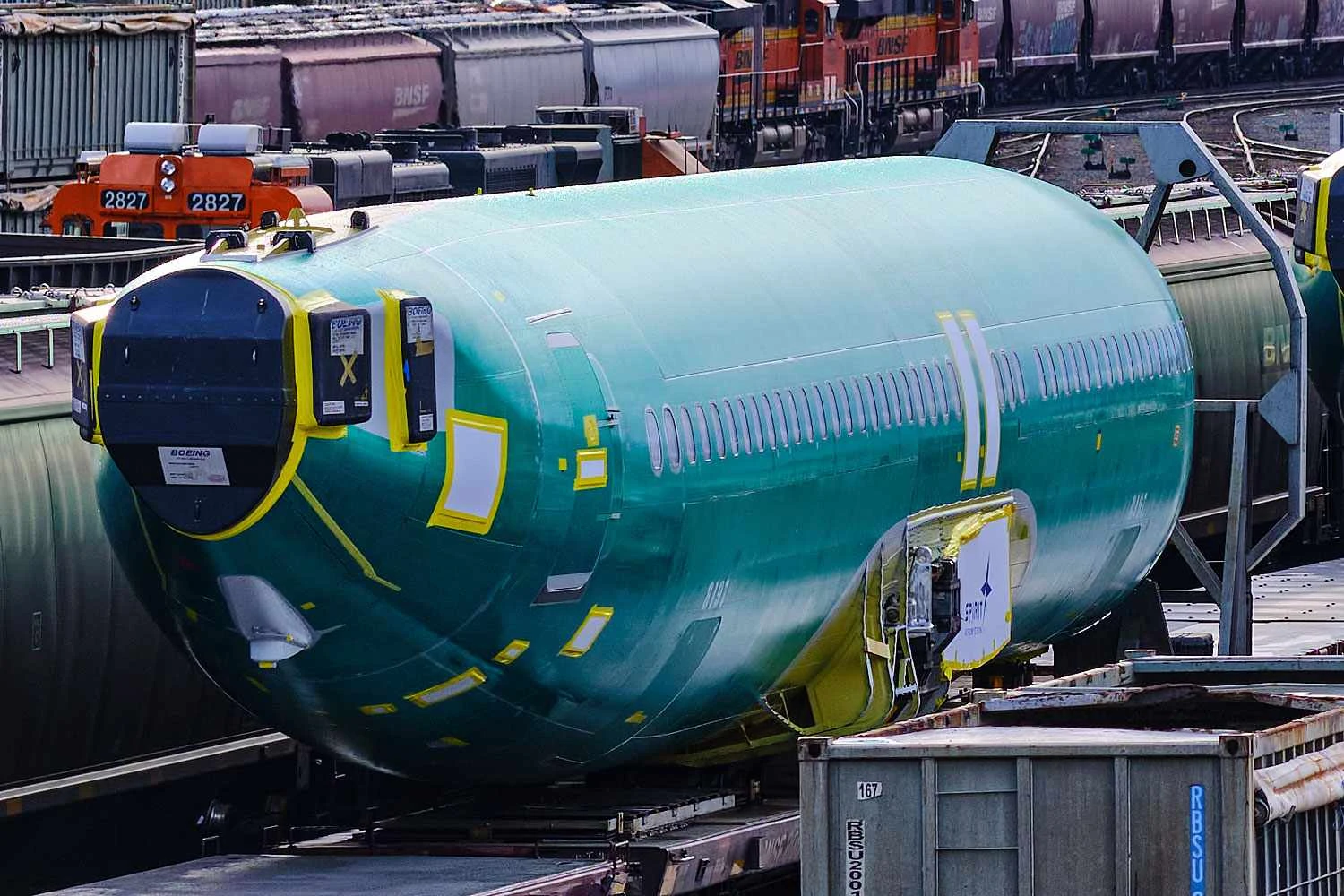
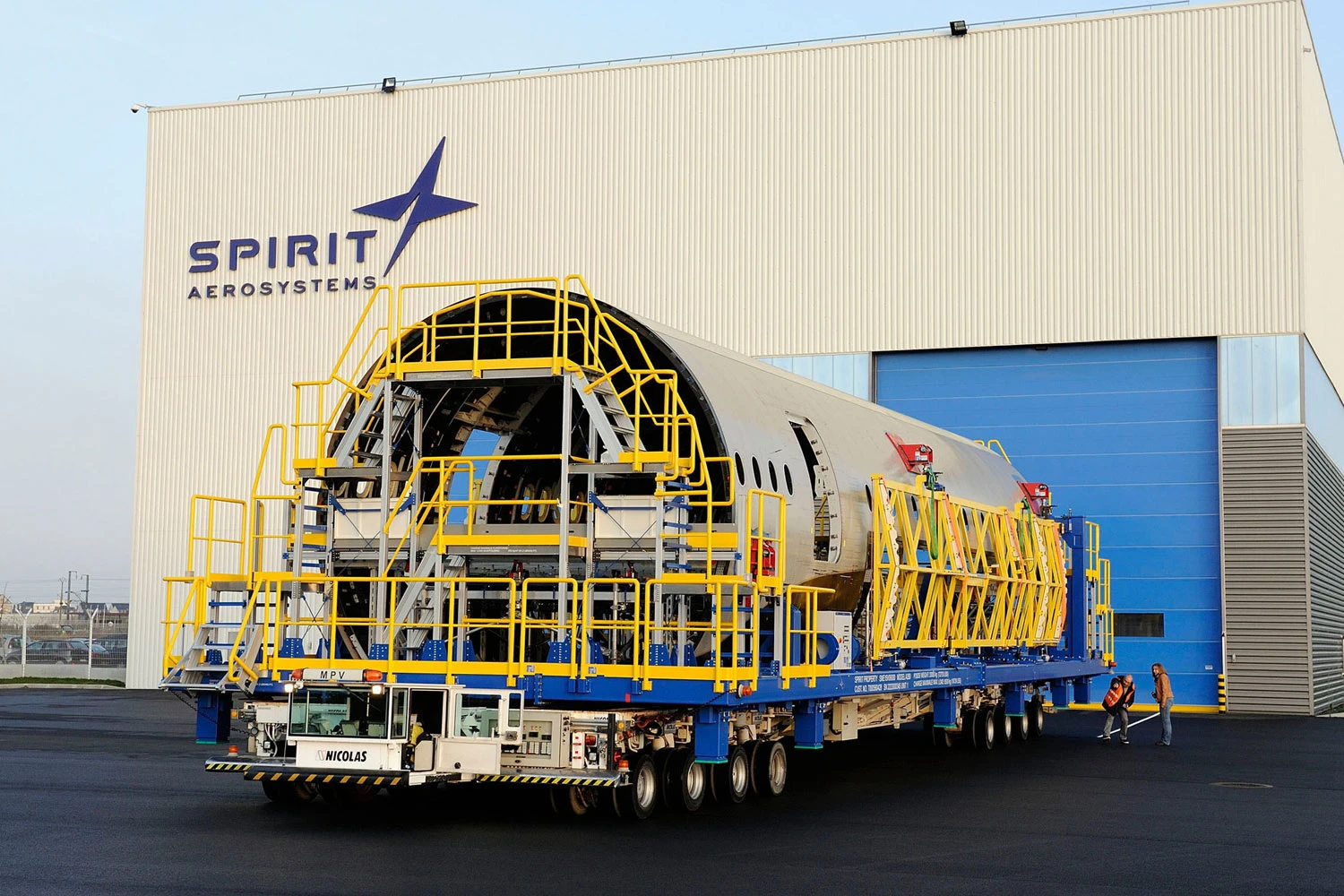
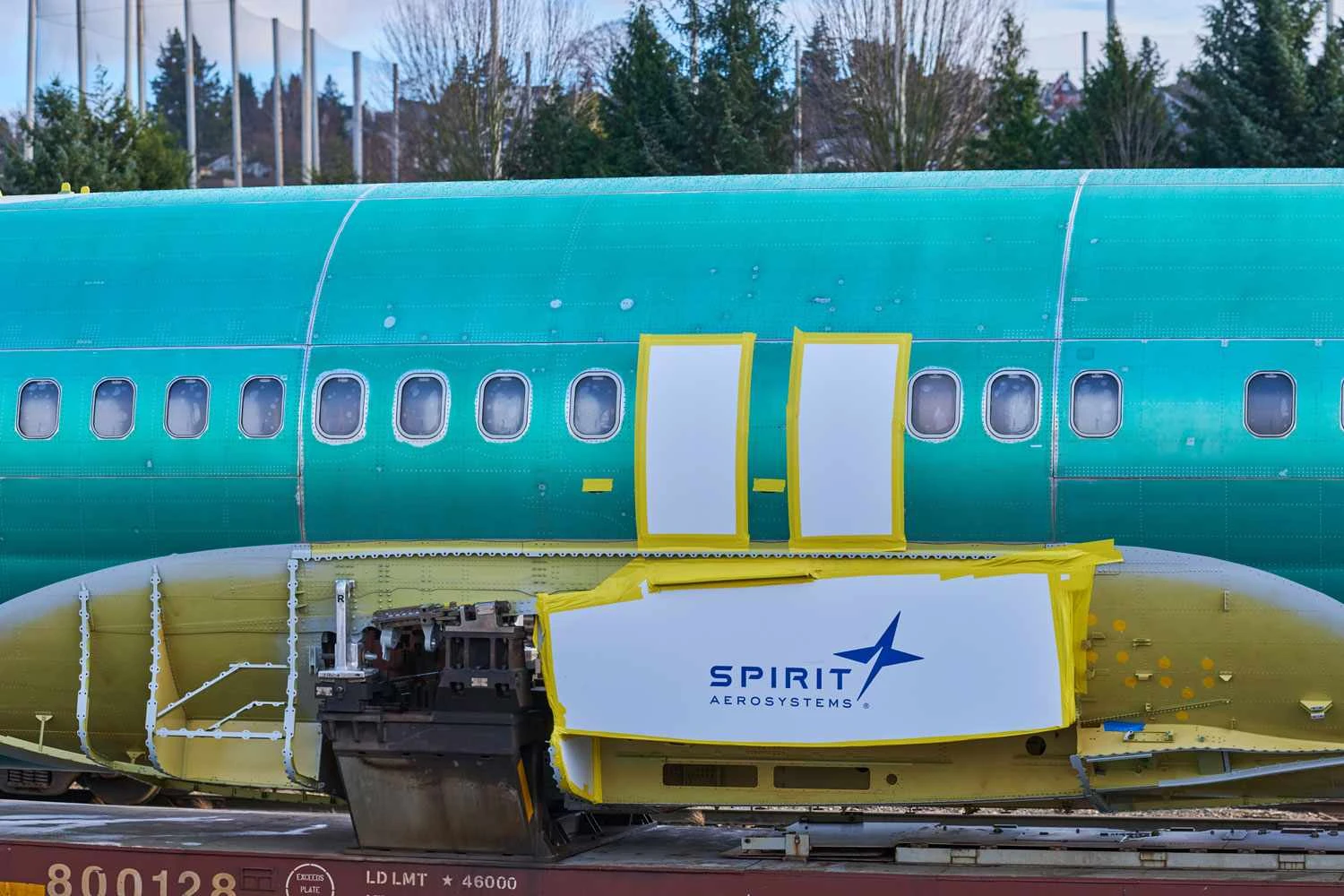
Its Wichita operation builds the fuselage of the 737, making the former supplier an essential component of Boeing's effort to increase MAX production. Spirit also supplied major structures for the 787.
Before the acquisition, Spirit had repeatedly recorded forward losses on aircraft programs when estimated production costs exceeded the revenue expected under existing contracts.
In the third quarter of 2025 alone, Spirit recorded US$585 million in additional forward losses, primarily involving the Boeing 737 and 787 as well as the Airbus A220 and A350 programs. Higher production and supply-chain costs were among the reasons cited.
Some Airbus-related operations were transferred separately to the European manufacturer as part of the breakup of Spirit, meaning Boeing did not simply absorb the supplier in its entirety. But the acquisition brought important Boeing programs and their associated economic problems directly onto the manufacturer's books.
Those costs are already affecting expectations for Boeing Commercial Airplanes. Chief Financial Officer Jay Malave said in March that the commercial aircraft division was expected to approach breakeven margins in 2026 and become profitable in 2027, later than Boeing had previously anticipated. Higher-than-expected costs associated with Spirit were among the factors behind the outlook.
The commercial aircraft division recorded a US$632 million loss in 2025, after losing more than US$2 billion a year earlier.
Producing more aircraft is still essential
The additional costs arrive as Boeing needs substantially more aircraft to move through its factories.
The manufacturer has been rebuilding 737 MAX production after years of disruption caused by quality problems, supply-chain constraints and regulatory intervention. Higher deliveries are also essential to generate cash and reduce Boeing's debt.
That makes slowing production to contain Spirit-related costs an unattractive option. Boeing instead needs to lower the cost of producing structures inherited from Spirit while simultaneously increasing output.
The situation creates an unusual short-term challenge. Some of the work brought inside Boeing is associated with contracts and production economics that Spirit had already identified as unfavorable. Increasing production can therefore increase the amount of work performed under those conditions before efficiency improvements fully take effect.
Higher volumes, however, can also improve economics by spreading fixed costs across more aircraft. Boeing can now reorganize manufacturing, quality inspections and supply arrangements without the commercial boundary that previously separated it from Spirit.
That industrial control was one of the principal reasons for reversing a decision Boeing made two decades ago.
Boeing sold its Wichita structures operation in 2005, creating the business that became Spirit AeroSystems. The relationship came under intense scrutiny following the January 2024 Alaska Airlines 737 MAX 9 accident, when a door plug separated from an aircraft that had left Boeing's factory without four required retaining bolts.
Boeing announced its plan to reacquire Spirit later that year, arguing that bringing the companies together would align their production systems and safety and quality management.
737 and 787 face production increases
The 737 is particularly exposed to the success of that integration because every increase in final assembly requires a corresponding increase in fuselage production at Wichita.
Boeing is working toward higher MAX production rates and has also prepared an additional assembly line at its Everett facility in Washington state. Stabilizing the flow of fuselages from Wichita while reducing defects and rework is therefore central to increasing deliveries.
The 787 presents another challenge. Spirit had accumulated losses associated with its work on the Dreamliner before the acquisition, including US$167 million in additional forward losses recorded in the fourth quarter of 2024 alone.
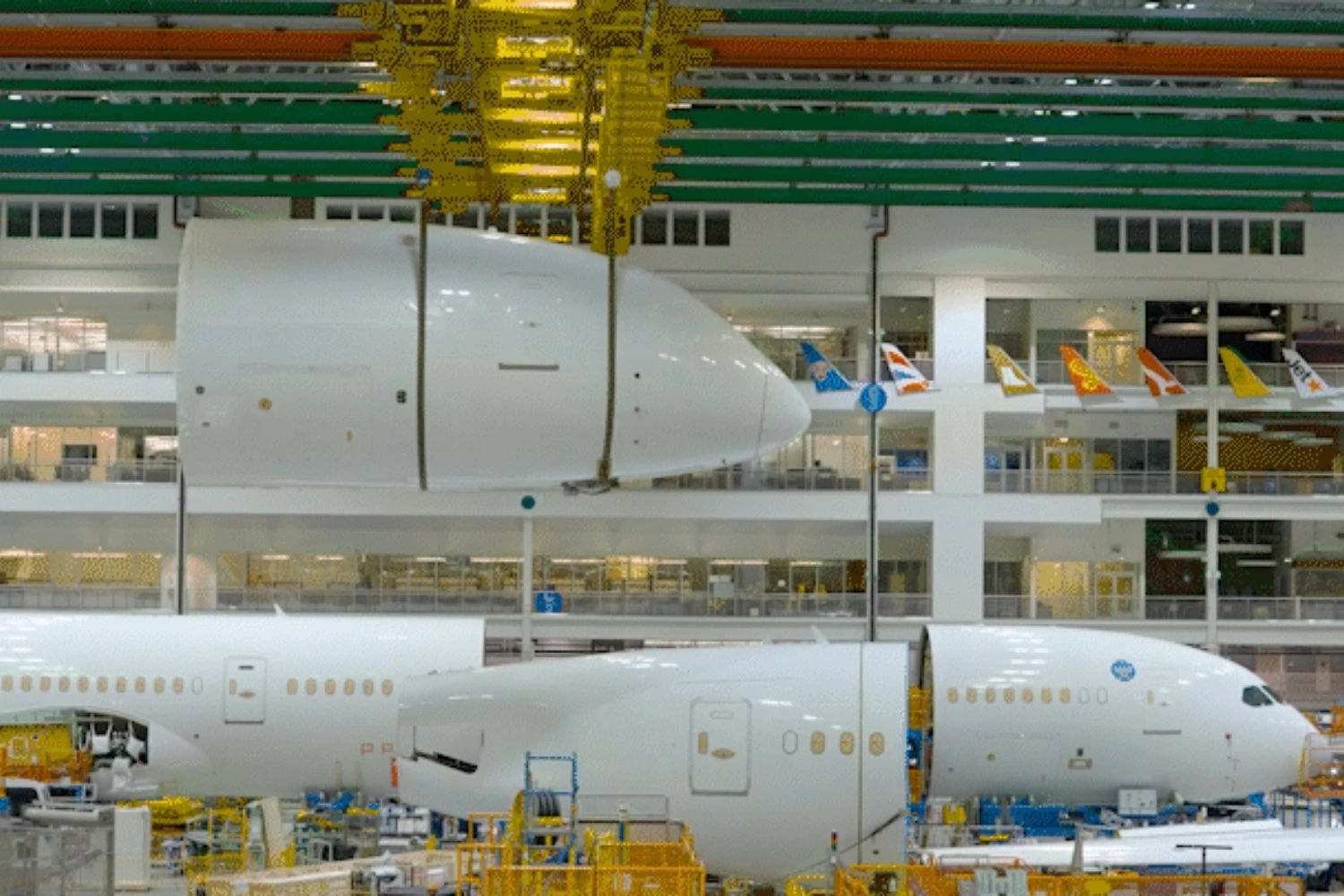
Boeing is simultaneously increasing 787 production at its North Charleston, South Carolina, plant as demand for widebody aircraft remains strong.
The manufacturer therefore faces the task of extracting costs from the former Spirit operations without undermining quality or disrupting the production increases that motivated the acquisition in the first place.
Limited impact on aircraft prices in short term
The newly identified liabilities do not mean airlines should expect Boeing to simply increase the price of the 737 MAX or 787 to recover the costs.
Thousands of aircraft in Boeing's backlog were sold under contracts negotiated years ago, with pricing and escalation mechanisms already established. Unexpected manufacturing costs primarily reduce the margin Boeing earns from delivering those aircraft.
The US$1.52 billion valuation attached to off-market contracts does, however, demonstrate how unfavorable some inherited commercial arrangements have become compared with present market conditions.
That could provide Boeing with an incentive to seek better terms in future contracts and exercise greater discipline when pricing new aircraft orders.
The current commercial aircraft market provides some leverage. Both Boeing and Airbus have extensive backlogs, while production constraints mean delivery positions for many models are scarce for several years