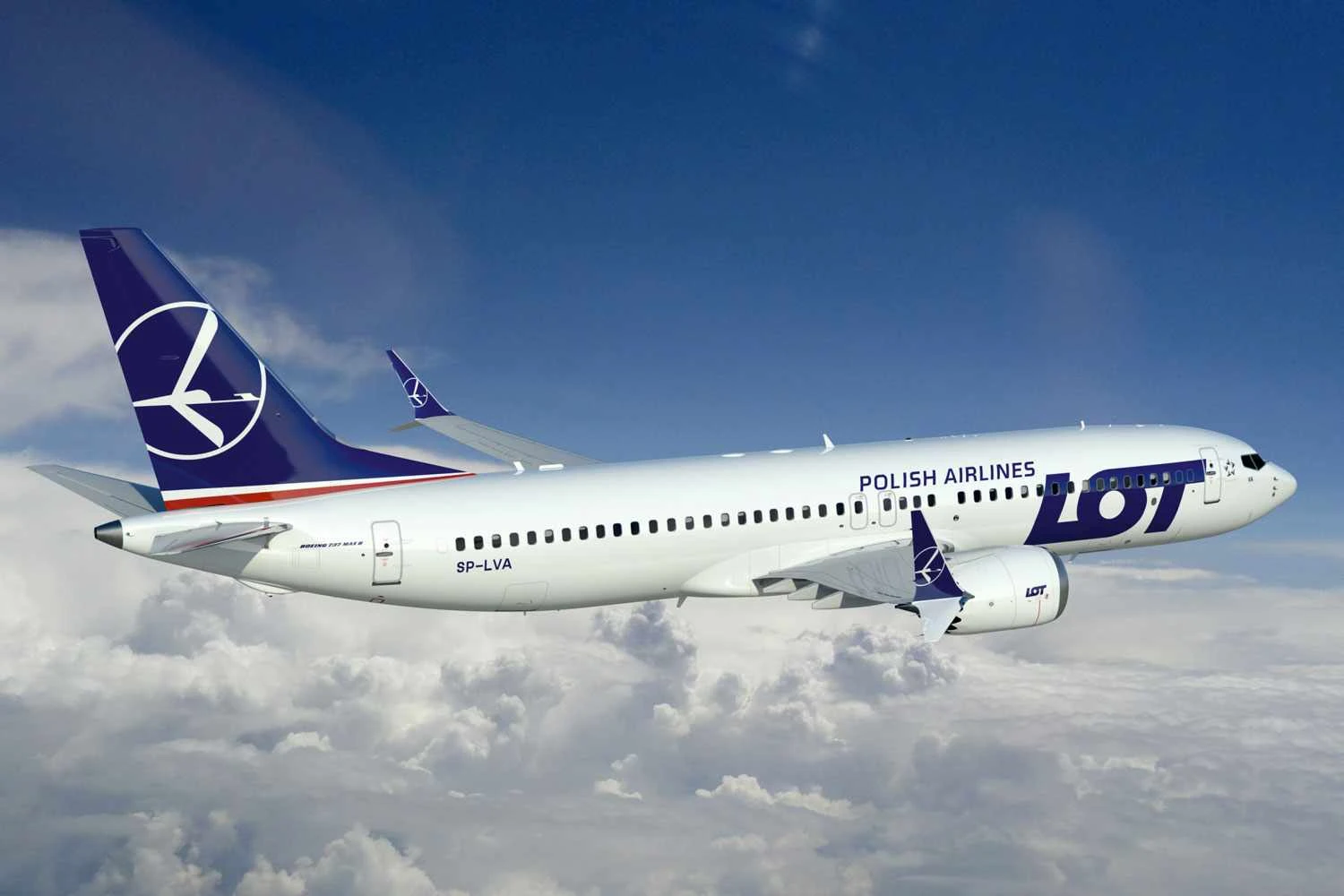
A jury in Seattle has found Boeing not guilty in a lawsuit brought by LOT Polish Airlines over losses linked to the global grounding of the 737 MAX following two fatal crashes.
According to Reuters, the verdict was delivered on May 22 in US District Court after a two-week trial and roughly three hours of jury deliberation.
LOT had accused Boeing of fraud, arguing that the manufacturer failed to disclose critical changes made to the aircraft’s flight-control systems before the airline acquired the jets during the last decade.
The airline sought US$153 million in damages tied to disruptions caused by the worldwide grounding of the 737 MAX fleet between 2019 and 2020.
Related news

September 16, 2026
September 14, 2026
The case centered on the Maneuvering Characteristics Augmentation System (MCAS), a flight-control function introduced on the 737 MAX to address handling characteristics linked to the aircraft’s larger LEAP-1B engines.
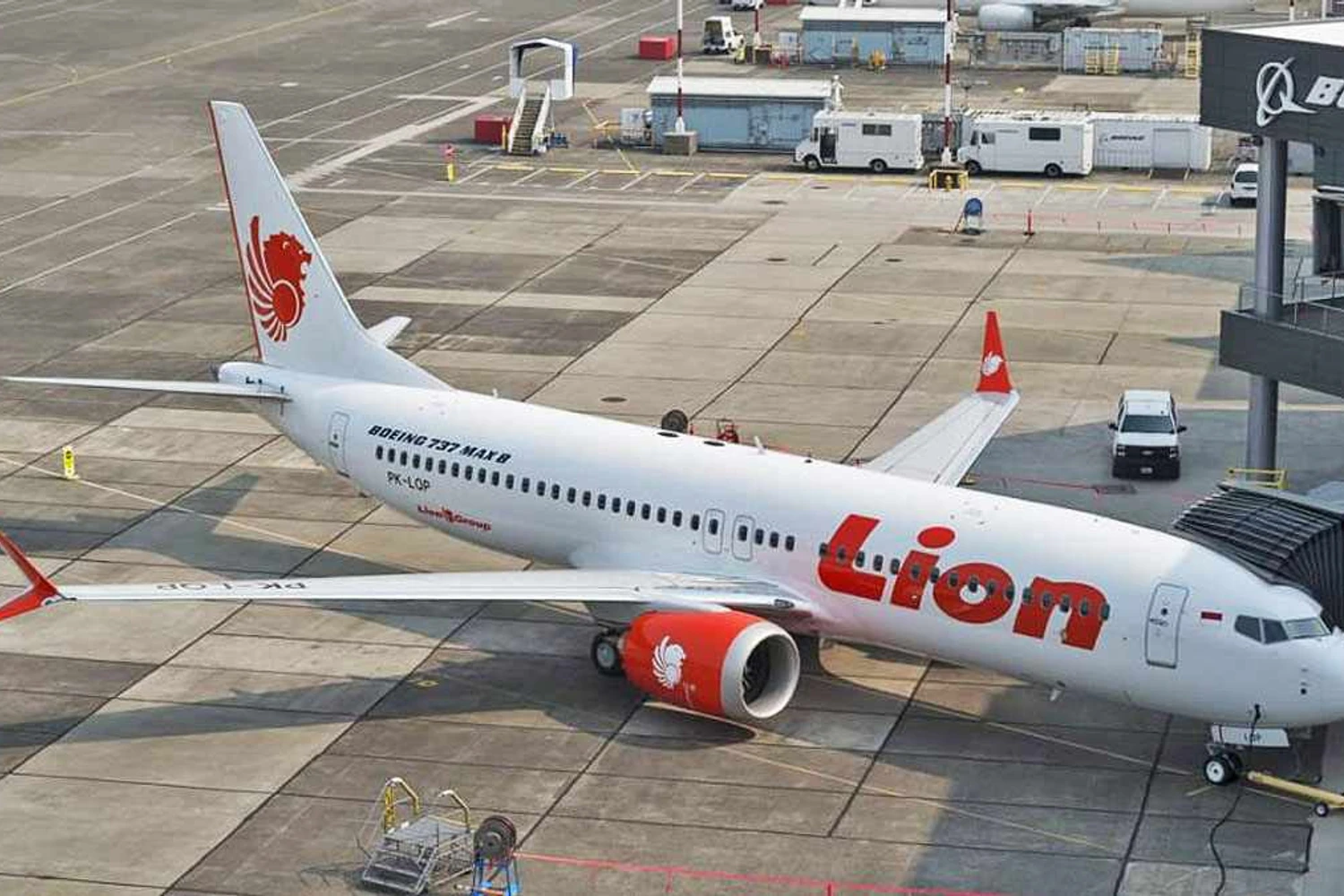
MCAS became the focus of investigations after the crashes of Lion Air Flight 610 in Indonesia in October 2018 and Ethiopian Airlines Flight 302 in March 2019, which together killed 346 people.
Investigators concluded that erroneous sensor data repeatedly activated the system and pushed the aircraft nose downward while pilots struggled to regain control.
The accidents triggered the longest grounding of a major commercial aircraft program in recent aviation history. Regulators worldwide suspended 737 MAX operations for about 20 months while Boeing redesigned the MCAS software and implemented additional pilot training requirements.
LOT argued that Boeing withheld information regarding changes to the system and the aircraft’s handling characteristics, exposing operators to financial and operational losses once the fleet was grounded.
Boeing denied the allegations throughout the proceedings and welcomed the jury’s decision after the verdict.
Recent news
September 16, 2026
September 16, 2026
September 16, 2026
The lawsuit was one of several legal and financial consequences stemming from the MAX crisis, which has cost Boeing tens of billions of dollars in compensation, production disruptions, regulatory penalties and settlements since 2019.
Although the 737 MAX returned to service globally starting in late 2020, Boeing has continued facing scrutiny over manufacturing quality, certification oversight and safety culture across multiple programs.
LOT acknowledged the verdict in a statement but indicated the legal process could continue, leaving open the possibility of an appeal.