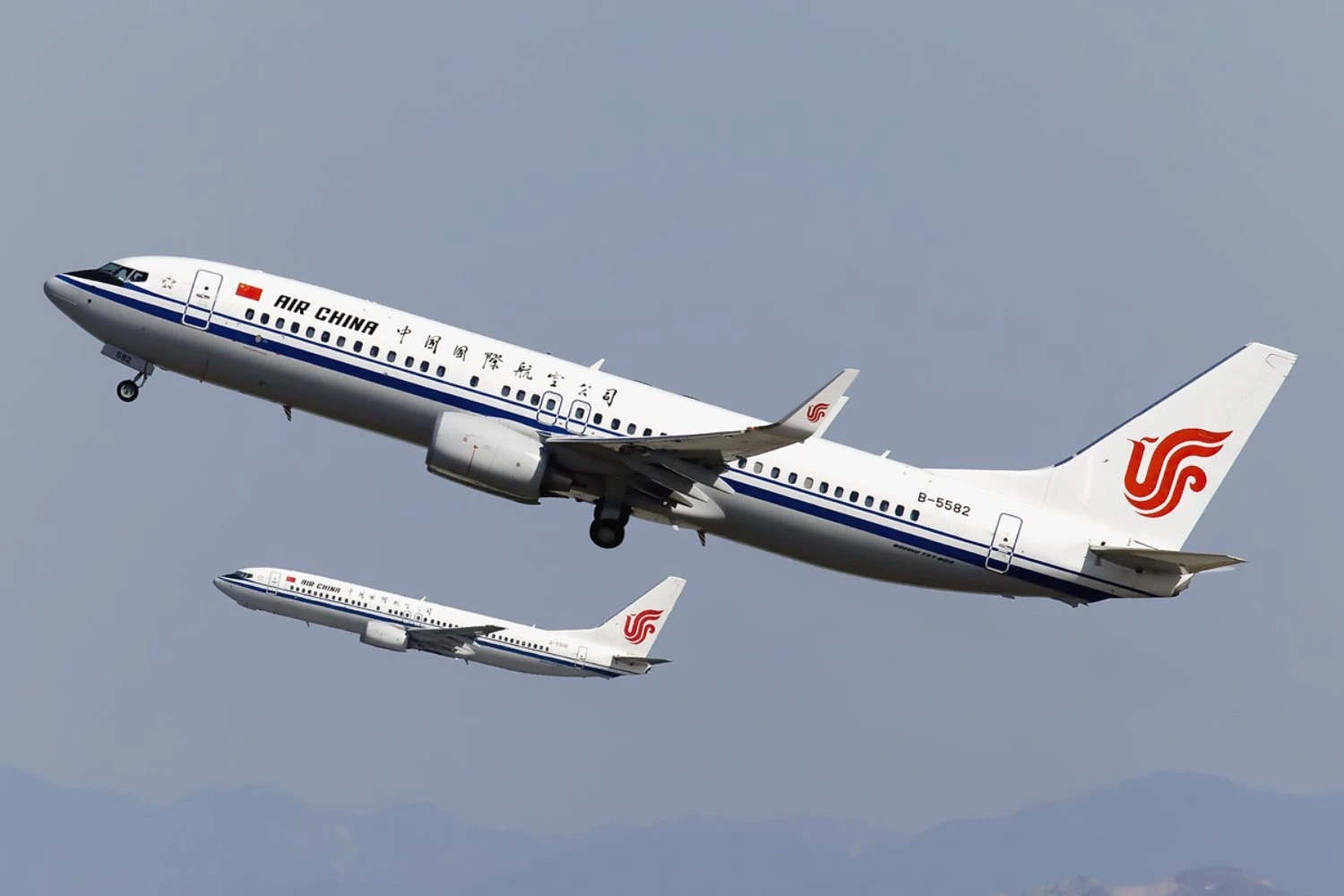
Boeing chief executive Kelly Ortberg described China’s commitment to purchase 200 jets as an “initial tranche,” adding that he expects more orders from Chinese carriers in the coming years. Speaking at a U.S. conference on Wednesday, Ortberg said the deal reopened Boeing’s narrowbody market in China for the first time in nearly a decade after an effective order freeze tied to trade tensions between Washington and Beijing.
The 200-jet commitment, announced during President Donald Trump’s visit to China earlier this month, is an entirely new deal and does not include previously unannounced orders, a person familiar with the matter said. Delivery schedules have yet to be confirmed, the source added, speaking on condition of anonymity because the information is not public.
The aircraft, possibly the 737 MAX, are expected to be distributed primarily among China's three largest state-owned airlines: Air China, China Eastern Airlines, and China Southern Airlines.
Ortberg noted that once the Chinese government commits to a batch of narrowbody aircraft, it allocates them to individual airlines. Boeing then negotiates firm orders on an airline-by-airline basis. “The initial commitment of 200 will turn into an order later on in the year,” he said. He added that he “never had a plan to go to China and return with a packet full of 500 orders.”
Related news
July 11, 2026
The size of the deal disappointed some investors, who had expected a roughly 500-plane package that sources had told Reuters was under discussion ahead of the Trump-Xi meeting. Trump himself said after his return that Boeing purchases could rise to as many as 750 planes.
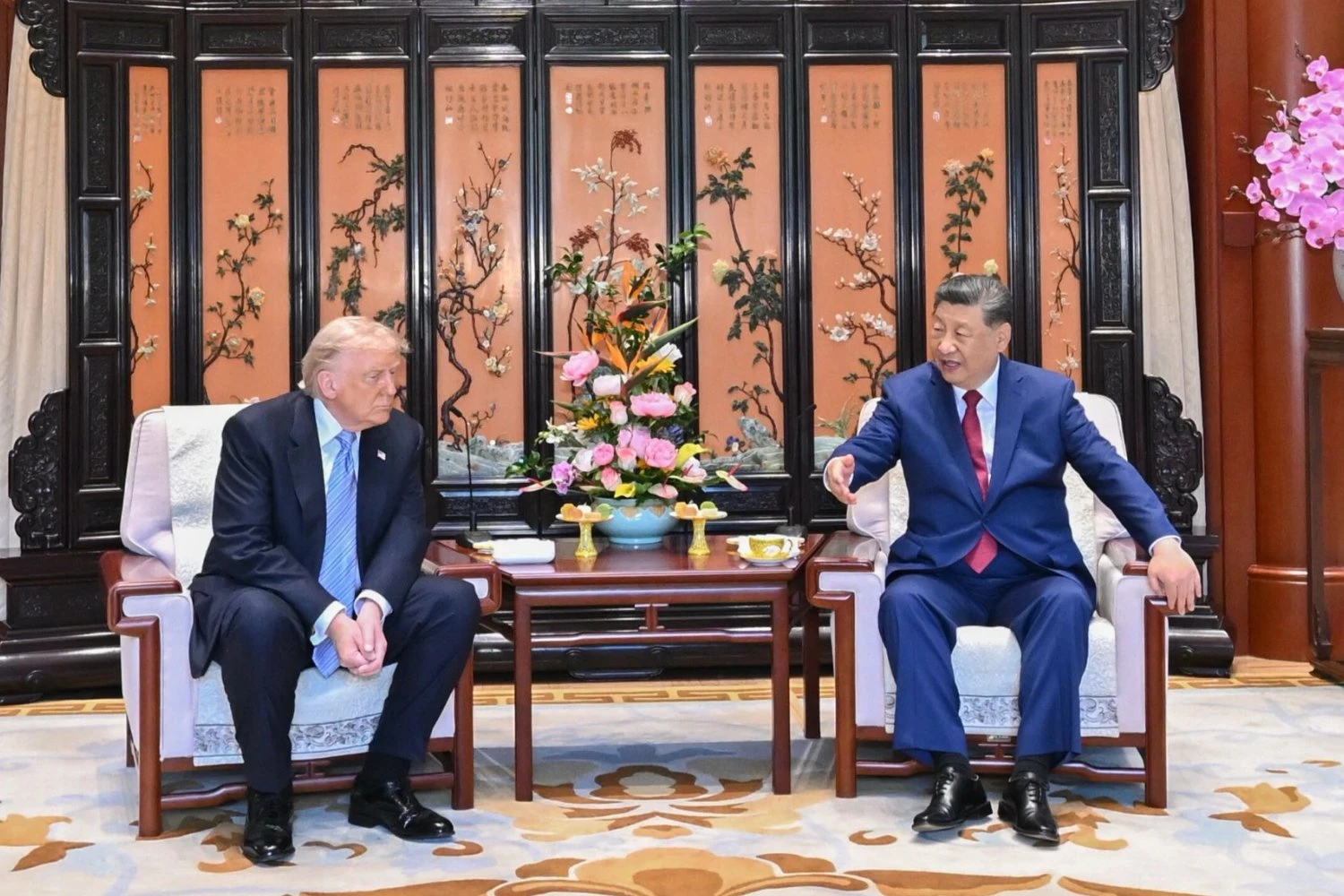
China intends to buy several hundred more Boeing jets but will not announce the full order at once, instead releasing commitments in stages.
However, further purchases are contingent on Boeing fulfilling its obligation to supply critical spare parts for jets already in service with Chinese airlines, according to Reuters sources. Chinese carriers have struggled to secure components amid trade tensions.
China’s commerce ministry last week confirmed the 200-jet deal and noted that the U.S. would provide supply guarantees for aircraft engine parts and components, a condition the source described as a key precondition for any additional orders.
Boeing’s average annual orders from China fell from 127 between 2005 and 2017 to just six per year in the subsequent period as trade frictions curbed sales. The new commitment marks a turnaround for the planemaker, which has also faced safety and production challenges with its 737 MAX family.