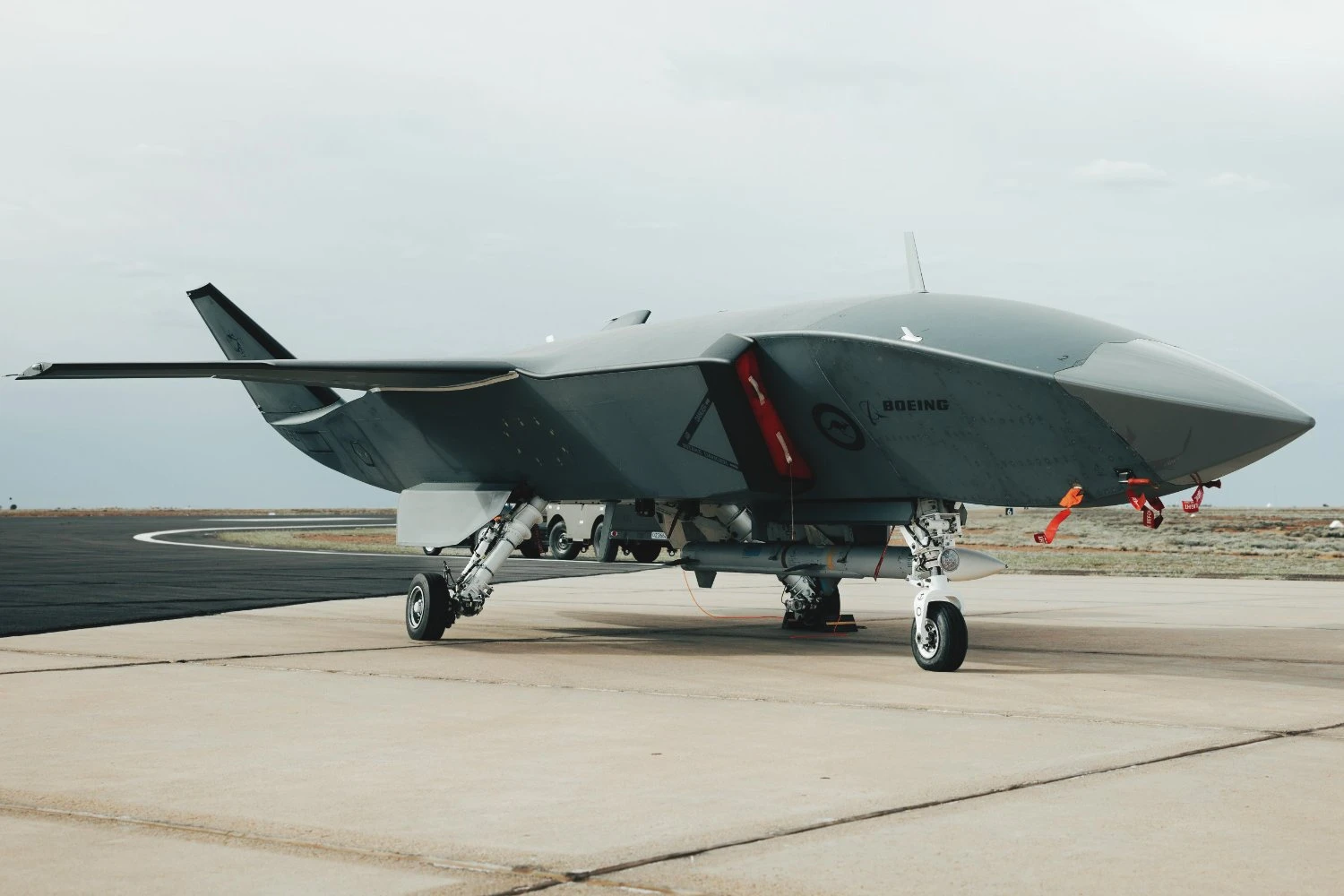
Boeing and Rheinmetall have stepped up their campaign to position the MQ-28 Ghost Bat as the foundation of Germany's future Collaborative Combat Aircraft (CCA) capability, arguing that the unmanned aircraft could allow the Luftwaffe to begin developing operational concepts years before a dedicated European system becomes available.
In a joint proposal released by Rheinmetall on August 10, the companies said the Australian-developed platform is mature enough to integrate German sensors, weapons and mission software while serving as a testbed for manned-unmanned teaming.
Related news

September 21, 2026
September 21, 2026
Rather than focusing solely on supplying an aircraft, Boeing and Rheinmetall are presenting the MQ-28 as a way for Germany to establish the operational, industrial and technological foundations of a future CCA fleet. Rheinmetall would act as the national system integrator, keeping software development, mission integration and intellectual property within Germany.
The companies argue that using an existing aircraft would allow the Luftwaffe to begin developing tactics, training and force structure immediately instead of waiting for an entirely new platform.
"If the goal is to achieve such a capability by 2029, this work must begin today with the development of tactics, training, definition of force structure and the integration of sovereign technologies," said Glen Ferguson, Boeing Defense Australia's Global Director of the MQ-28 program.
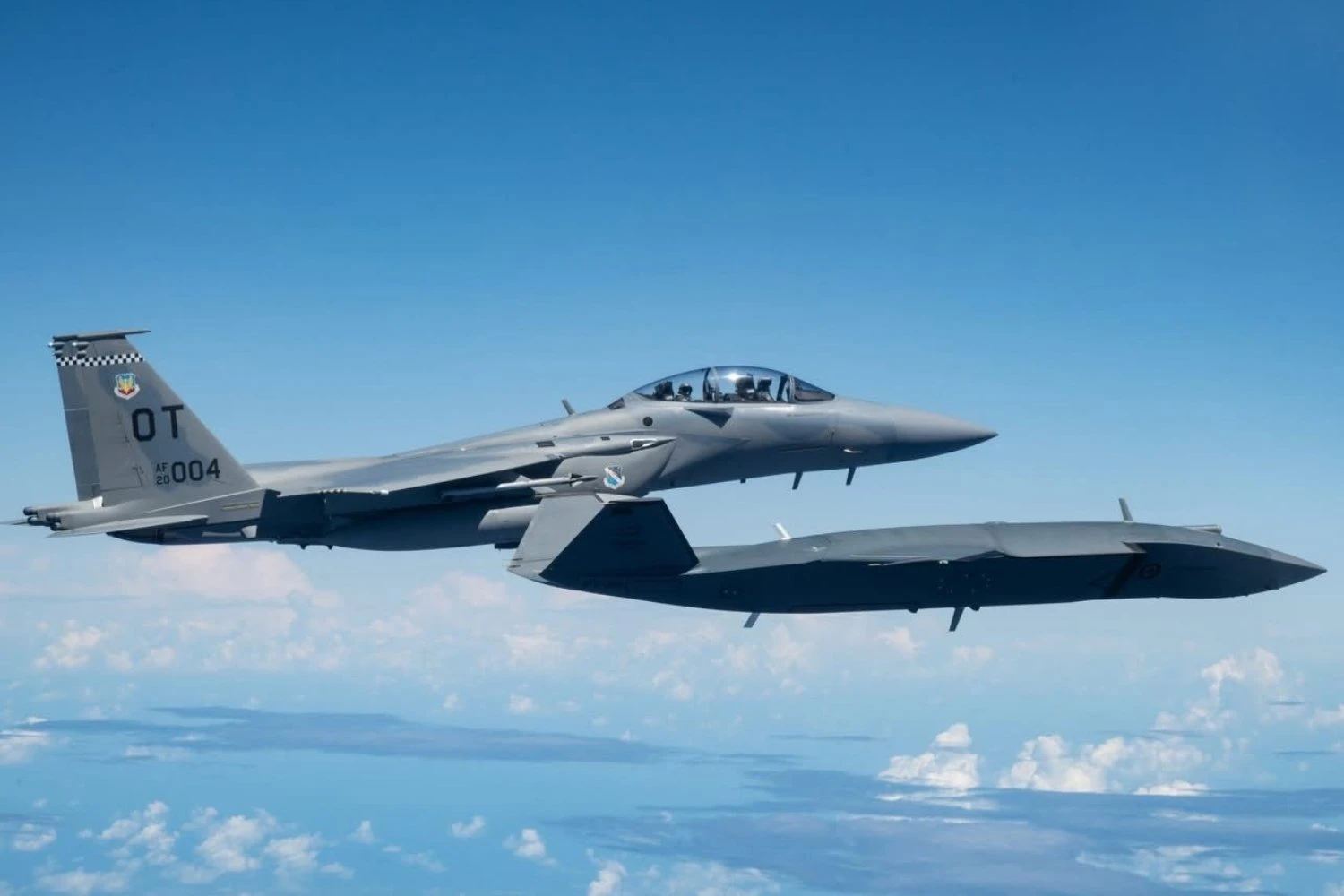
According to Boeing and Rheinmetall, the MQ-28 has already demonstrated the maturity needed for that role through its flight-test campaign, including participation in multinational exercises such as Valiant Shield. Boeing is also continuing to expand the aircraft's capabilities, including air-to-ground missions.
The proposal follows Boeing's efforts to introduce the Ghost Bat to European customers. The company displayed the aircraft at this year's Farnborough Airshow, where it attracted attention as one of the few Collaborative Combat Aircraft already flying outside the United States.
Originally developed by Boeing Australia in partnership with the Royal Australian Air Force, the MQ-28 completed its maiden flight in 2021 and has since become one of the most mature loyal wingman programs currently in development. The aircraft has also attracted interest from the U.S. Air Force as it advances its own CCA initiative.
Follow Air Data News: WhatsApp | Instagram | LinkedIn | Twitter | Facebook
The German proposal includes an industrial team comprising Rheinmetall, Rohde & Schwarz, Diehl Defence and HENSOLDT, with the objective of integrating domestic technologies onto the aircraft while developing national expertise in autonomous combat aviation.
The timing is significant as Germany evaluates its future combat aviation roadmap following its withdrawal from the FCAS program. At the same time, European industry continues pursuing indigenous Collaborative Combat Aircraft concepts, including a stealth design under study by Airbus Defence and Space.
Boeing and Rheinmetall argue that adopting the MQ-28 would not prevent Germany from joining future European programs. Instead, they say the aircraft could provide a practical platform for building operational experience and integrating sovereign technologies well before a next-generation European CCA becomes available.