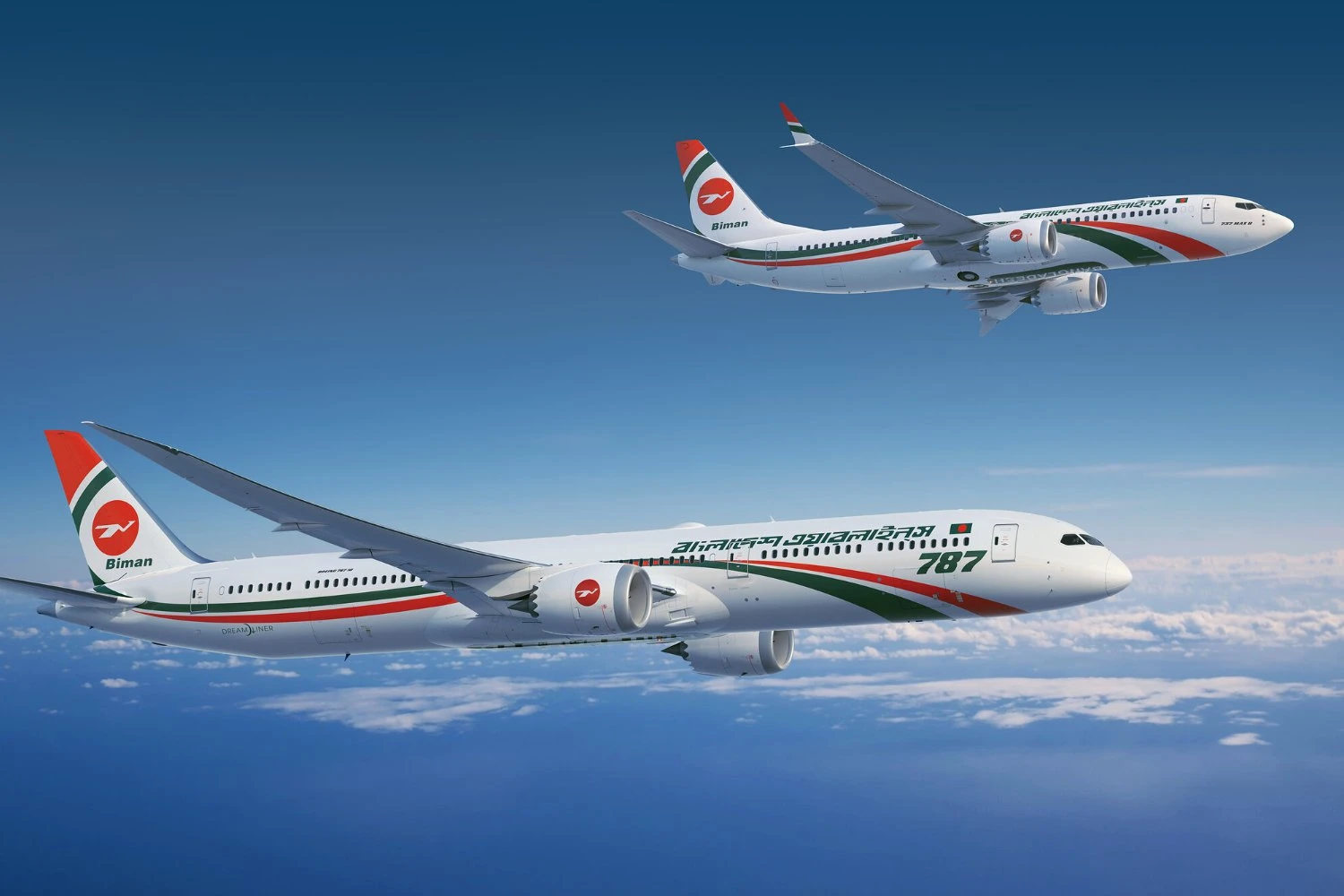
Biman Bangladesh Airlines has ordered another 11 Boeing aircraft, bringing its commitments with the US manufacturer to 25 jets, exactly the number announced by the Bangladesh government last year during negotiations over tariffs with the United States.
The new agreement covers five Boeing 787-10s and six 737 MAX 8s. It follows Biman’s April order for eight 787-10s, two 787-9s and four 737 MAX 8s.
Combined, the two purchases give the airline orders for 15 Dreamliners and 10 737 MAX 8s.
The agreement was signed in New York on the sidelines of the United Nations General Assembly, with senior officials from both countries attending. US Commerce Secretary Howard Lutnick and Deputy Secretary of State Christopher Landau were among the American government representatives present.
25-aircraft commitment emerged during tariff talks
The number is significant because Bangladesh had already committed to buying 25 Boeing aircraft in July 2025, when the country was seeking to reduce trade tensions with the Trump administration.
Follow Air Data News: WhatsApp | Instagram | LinkedIn | Twitter | Facebook
At the time, Bangladesh faced the prospect of higher US tariffs and was looking for ways to reduce an approximately $6 billion trade imbalance with the United States. The country’s garment industry, a major source of exports and employment, was particularly exposed to changes in US trade policy.
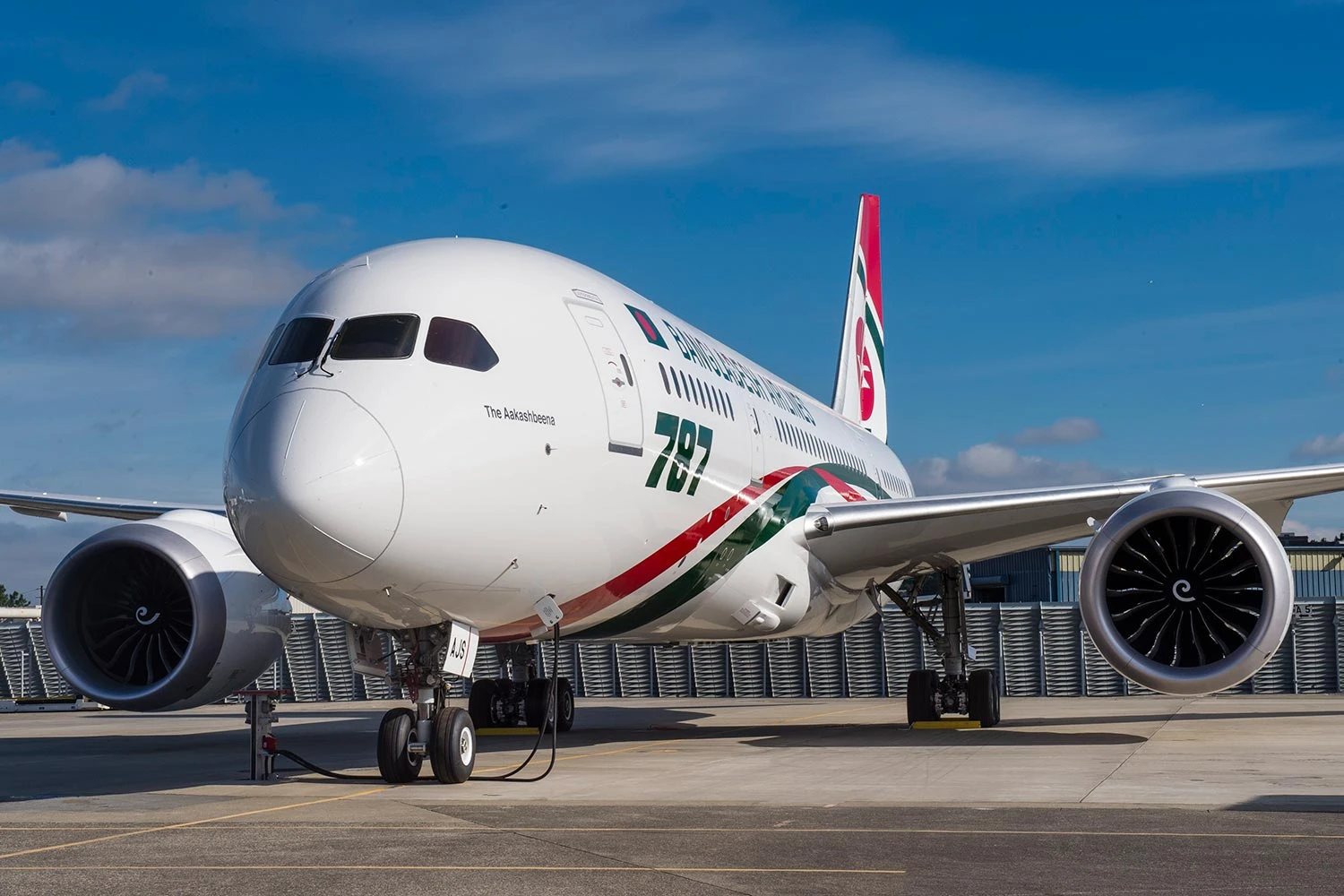
Bangladeshi officials included aircraft purchases alongside increased imports of American wheat, cotton and soybean oil among measures intended to improve the trade relationship.
The first 14-aircraft agreement signed in April 2026 covered only part of that commitment. The latest purchase takes Biman’s Boeing order book to the 25 aircraft originally announced during the tariff negotiations.
Bangladesh officials have rejected suggestions that the airline’s fleet decisions resulted from US pressure. The government has said the aircraft are required to expand Biman’s network and address capacity needs.
Biman is fully owned by the Bangladesh government. The carrier became a public limited company in 2007, but remains state-owned, with its board appointed by the government.
Dreamliner fleet set for major expansion
Biman currently has a relatively small fleet. Planespotters.net lists 19 aircraft, with an average age of 11.7 years.
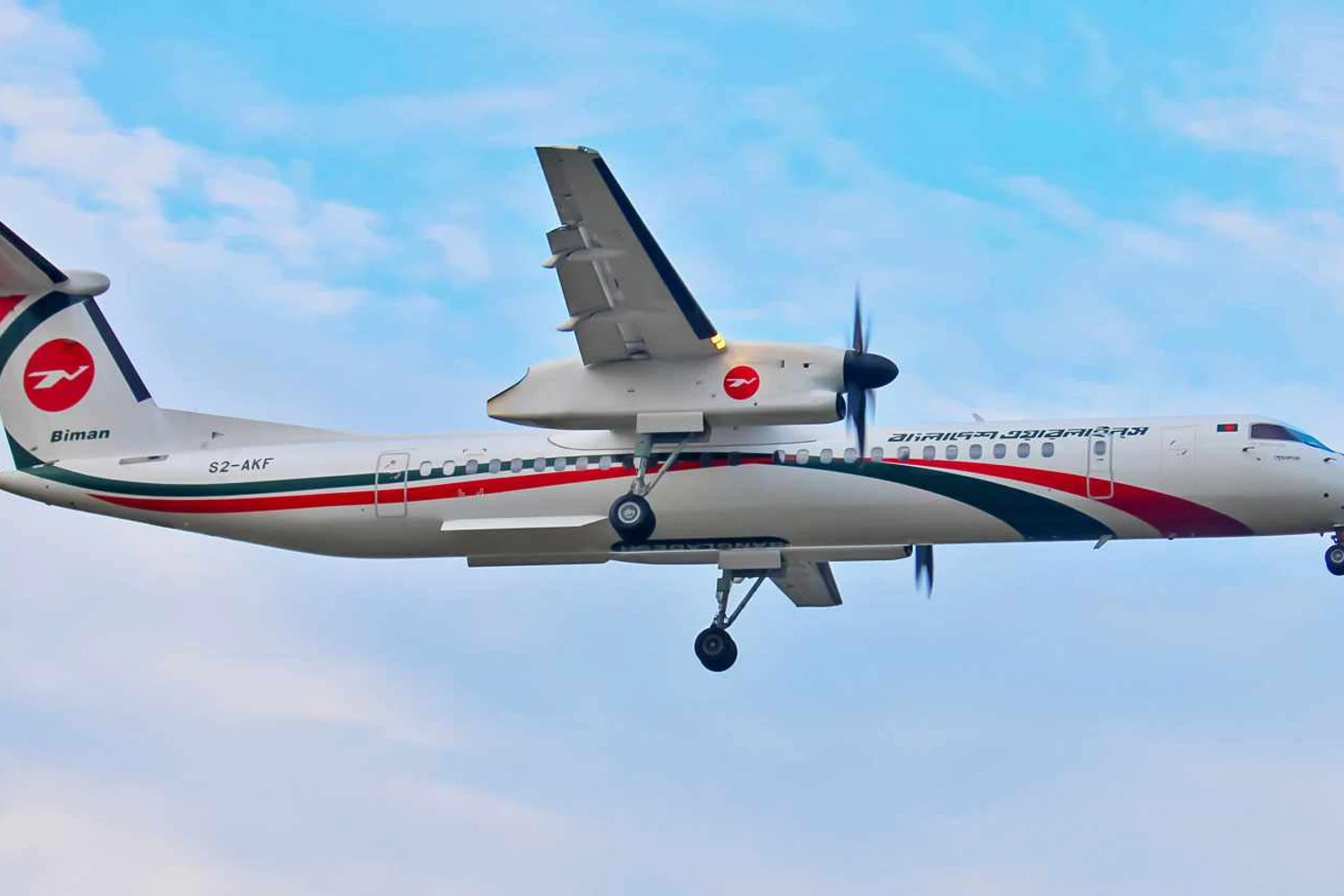
Its Boeing widebody fleet consists of four 777-300ERs, four 787-8s and two 787-9s, while four 737-800s operate shorter routes. Five Dash 8-400 turboprops complete the fleet.
The age profile varies considerably between types. The 737-800s and 777-300ERs form the older part of the jet fleet, while the six Dreamliners were delivered between 2018 and 2019.
Recent news
September 23, 2026
September 23, 2026
The Boeing orders will significantly change that balance. Biman has now committed to 13 787-10s and four additional 787-9s, potentially taking its Dreamliner fleet from six aircraft today to 23 if the current aircraft remain in service when deliveries are completed.
The airline will also introduce the 737 MAX 8, with 10 aircraft now ordered. The type is expected to replace older narrowbody aircraft and provide additional capacity on regional routes.
Airbus remains in the picture
The Boeing expansion may not be the end of Biman’s fleet plans.
Air Data News reported in May that Airbus had revised an earlier proposal to the airline following the first Boeing agreement. The package was reduced to 10 aircraft, comprising four A350-900 widebody jets and six A321neo narrowbodies.
Those negotiations have continued. Bangladeshi officials said in July that the government had decided to proceed with the acquisition, although a planned August signing deadline passed without an agreement.
Local reports now indicate that negotiations remain underway and that an agreement could be concluded in October. The French ambassador to Bangladesh said this week that discussions were continuing, while calling for the procurement process to provide a level playing field.
If the Airbus package is finalized in its currently proposed form, Biman would have 35 new aircraft in its acquisition pipeline — 25 Boeing jets and 10 Airbus aircraft — compared with a current fleet of only 19.
It would also transform a carrier whose jet operations are currently entirely Boeing-based into a mixed fleet incorporating the A350 and A321neo for the first time.