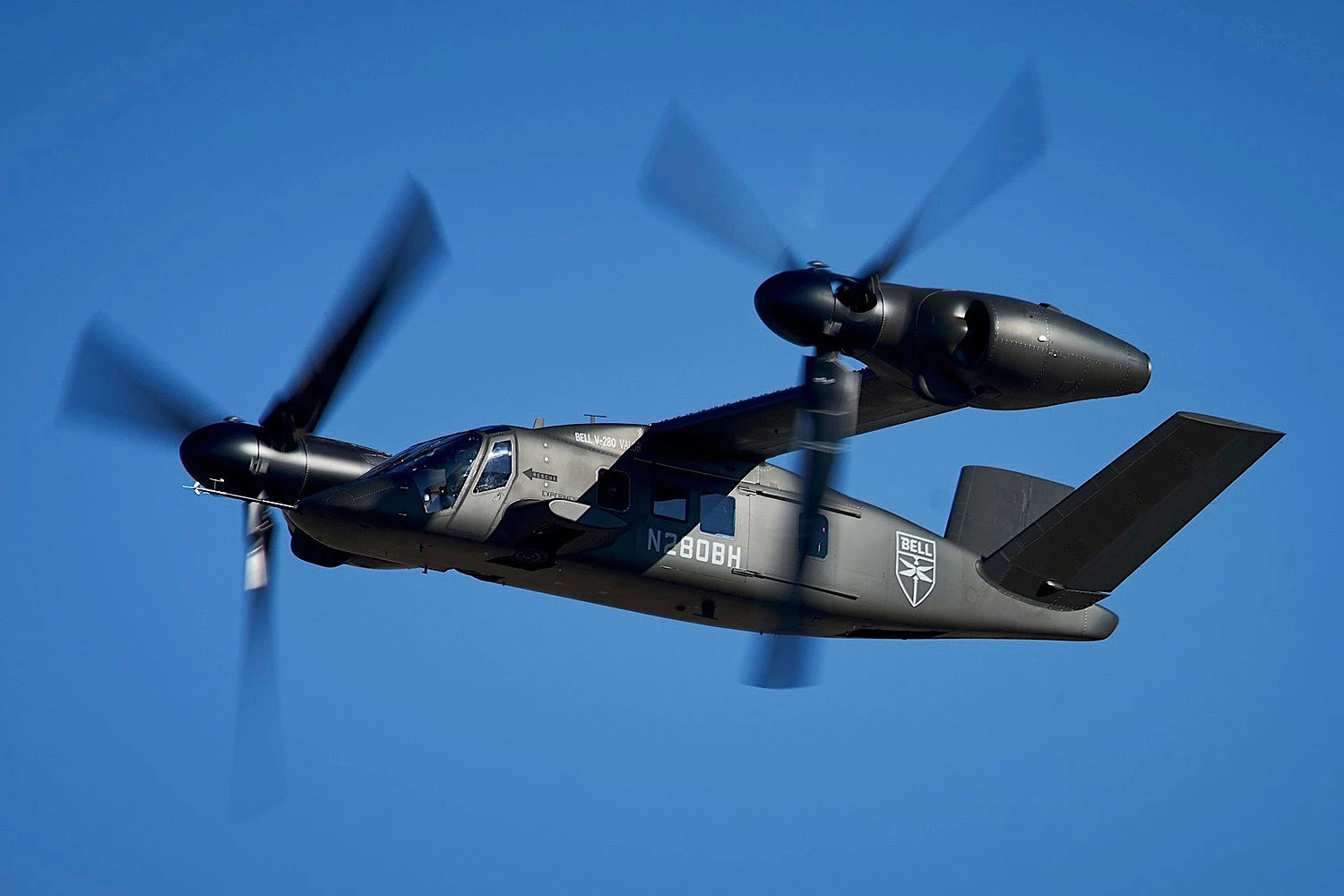
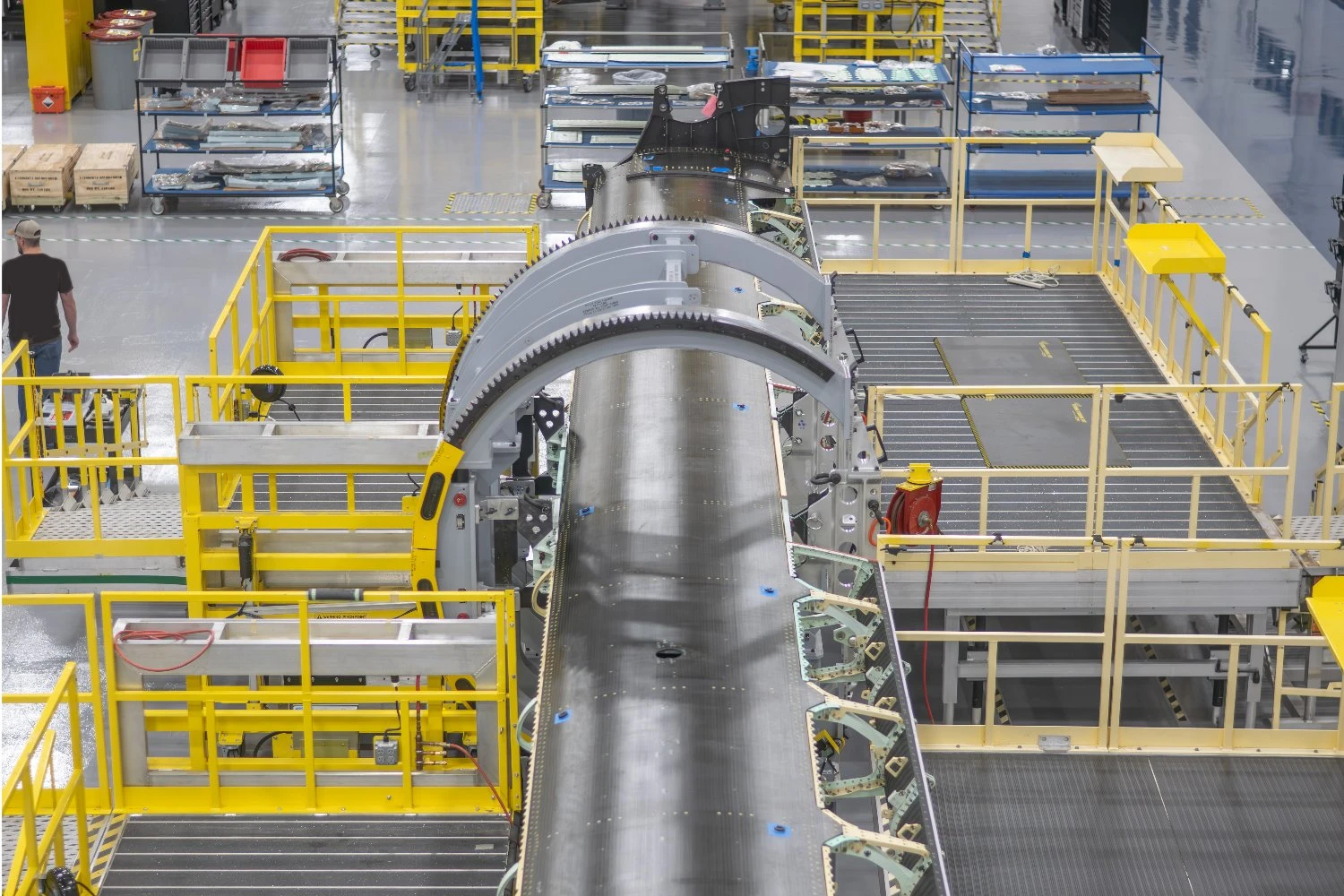
Bell has completed the assembly of the first two wing structures for the MV-75 Cheyenne, the tiltrotor selected by the U.S. Army under the Future Long Range Assault Aircraft (FLRAA) program.
The wings will be installed on the first two test aircraft currently under construction as Bell moves toward the flight-test phase of the program. The MV-75, previously known as the V-280 Valor during its development, was chosen by the Army in 2022 to replace a portion of the Sikorsky UH-60 Black Hawk fleet.
Related news
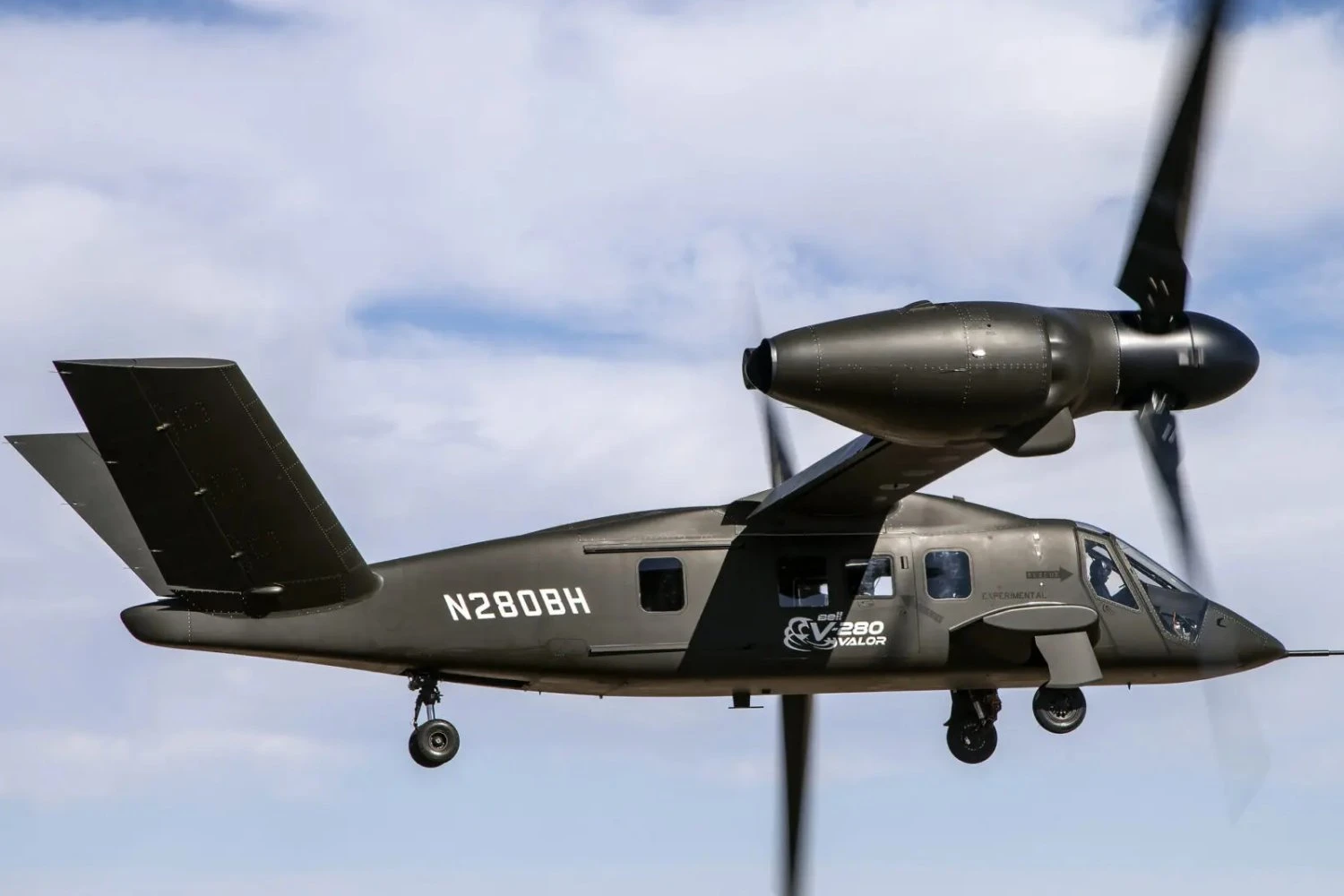
Unlike conventional helicopters, the MV-75 uses rotating engine nacelles that allow it to take off and land vertically while cruising at airplane-like speeds. The design is intended to provide greater range and higher cruise speeds than existing Army rotorcraft.
Bell said the first wing structure was completed in February. According to the manufacturer, production required roughly 90% fewer labor hours than were needed for the first wing built for the Bell-Boeing V-22 Osprey. The second wing was assembled with a further reduction in labor hours as manufacturing processes were refined.
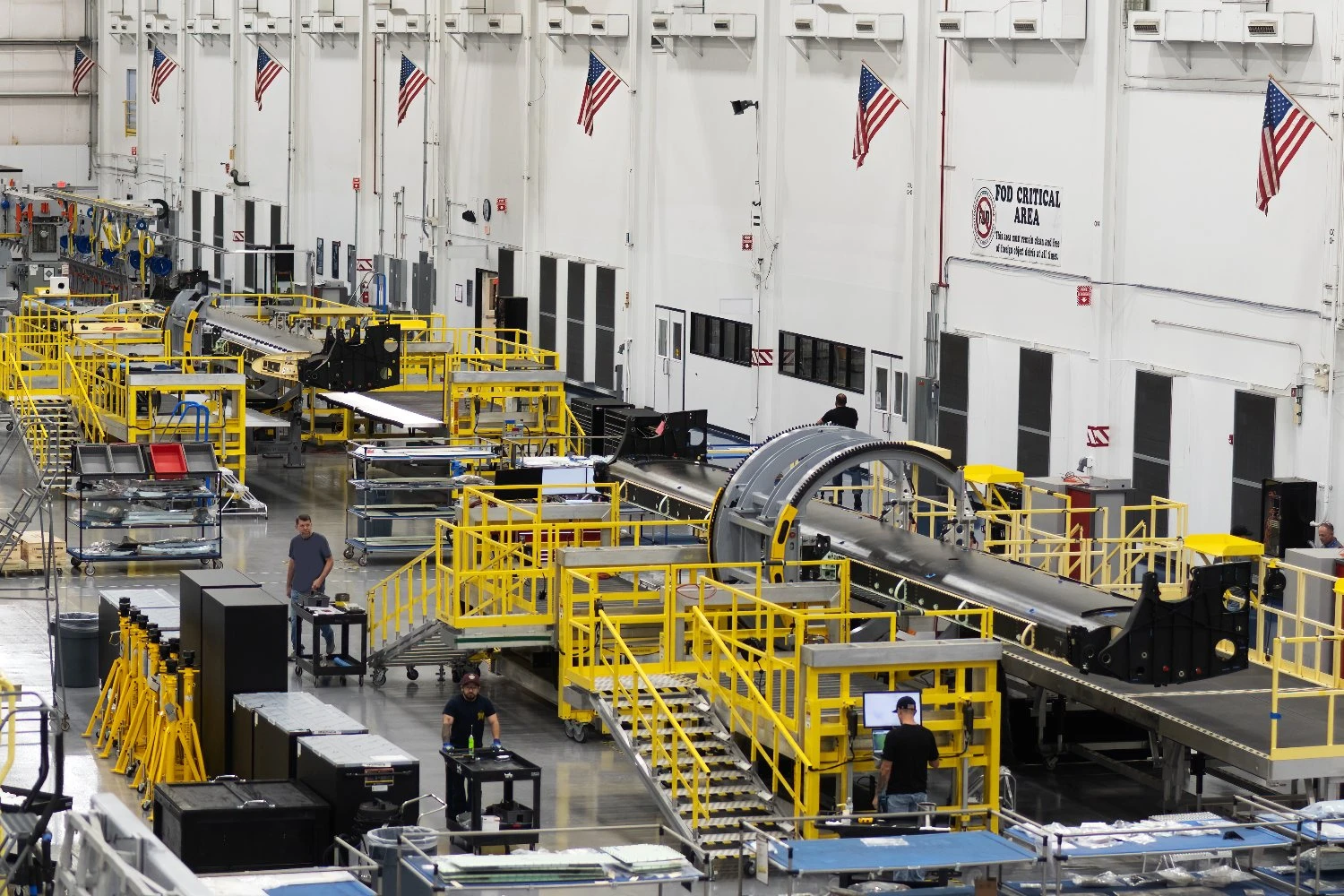
The company manufactures the major wing components in-house, including composite skins, spars and the aluminum substructure. Bell's experience with the V-22 program influenced the design and production methods adopted for the new aircraft.
Assembly work is now shifting toward the integration of systems within the wing structures. The completed wings will later be joined to fuselages under construction at Bell's Wichita Assembly Center, while nacelle assemblies are also progressing through production.
Follow Air Data News: WhatsApp | Google News | Instagram | LinkedIn | Twitter | Facebook
The MV-75 is the second tiltrotor aircraft to enter serial production under Bell's leadership. The first was the V-22 Osprey, which entered service with the U.S. military more than two decades ago and remains the world's only operational tiltrotor aircraft in large-scale military use.
The U.S. Army selected the MV-75 after a competition against Sikorsky and Boeing's Defiant X compound helicopter. The service expects the aircraft to provide longer range and faster deployment times for air assault missions, medical evacuation, logistics transport and other battlefield operations.
Bell has not disclosed when the first MV-75 prototype will fly, but assembly of the initial test aircraft continues as the program advances toward ground and flight testing.