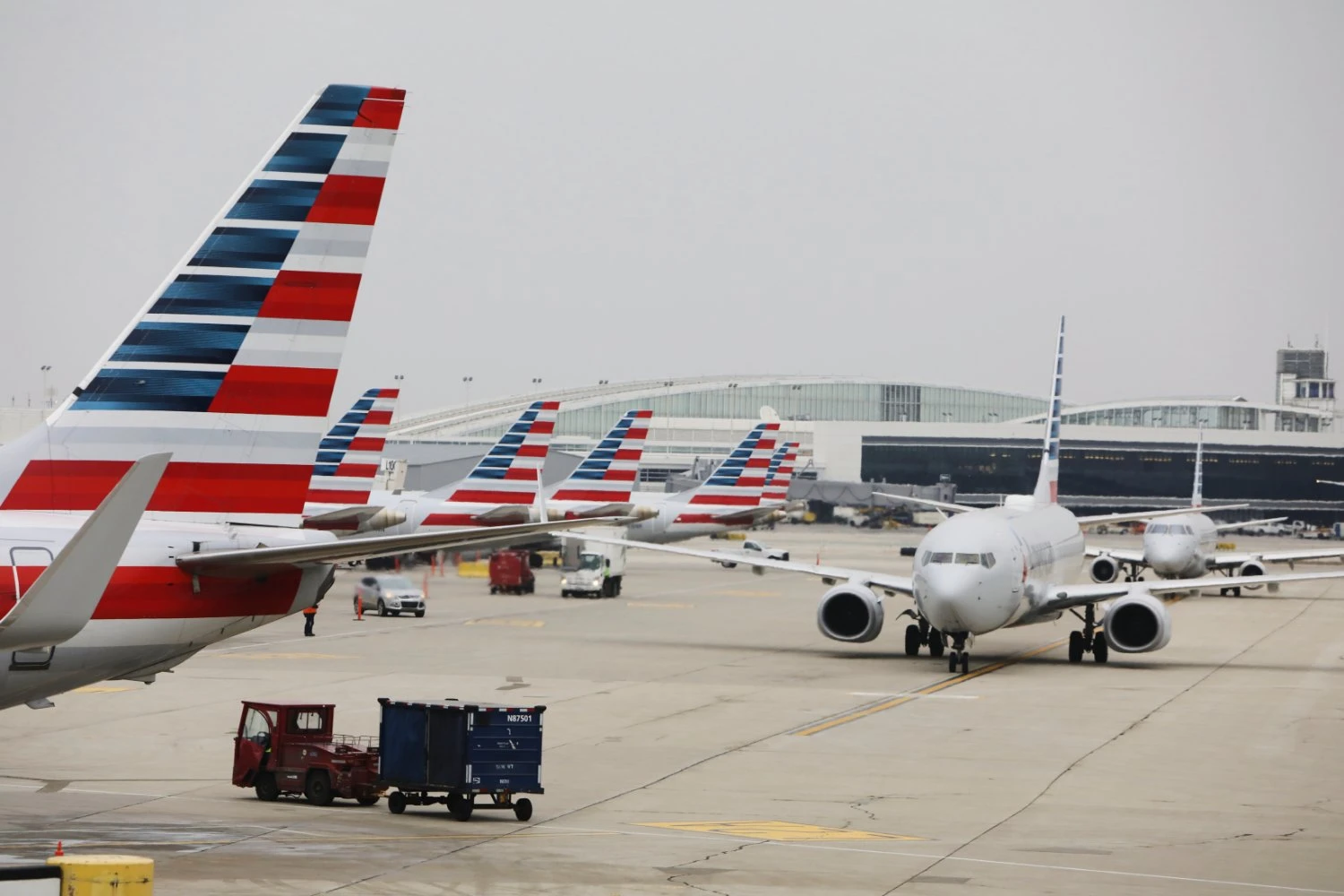
American Airlines plans to install seatback entertainment screens across its narrowbody fleet, reversing a cabin policy that saw the carrier remove individual displays from hundreds of aircraft in favor of passengers using their own devices.
The new screens will appear on newly delivered Airbus and Boeing aircraft from 2028 and will also be installed as existing jets undergo cabin modifications. American expects the installation program to be completed early in the next decade.
Follow Air Data News: WhatsApp | Instagram | LinkedIn | Twitter | Facebook
The decision is a significant change from the approach adopted during the airline's previous narrowbody cabin standardization program. American had favored streaming entertainment to passengers' phones, tablets and laptops, arguing that most travelers already carried their own screens.
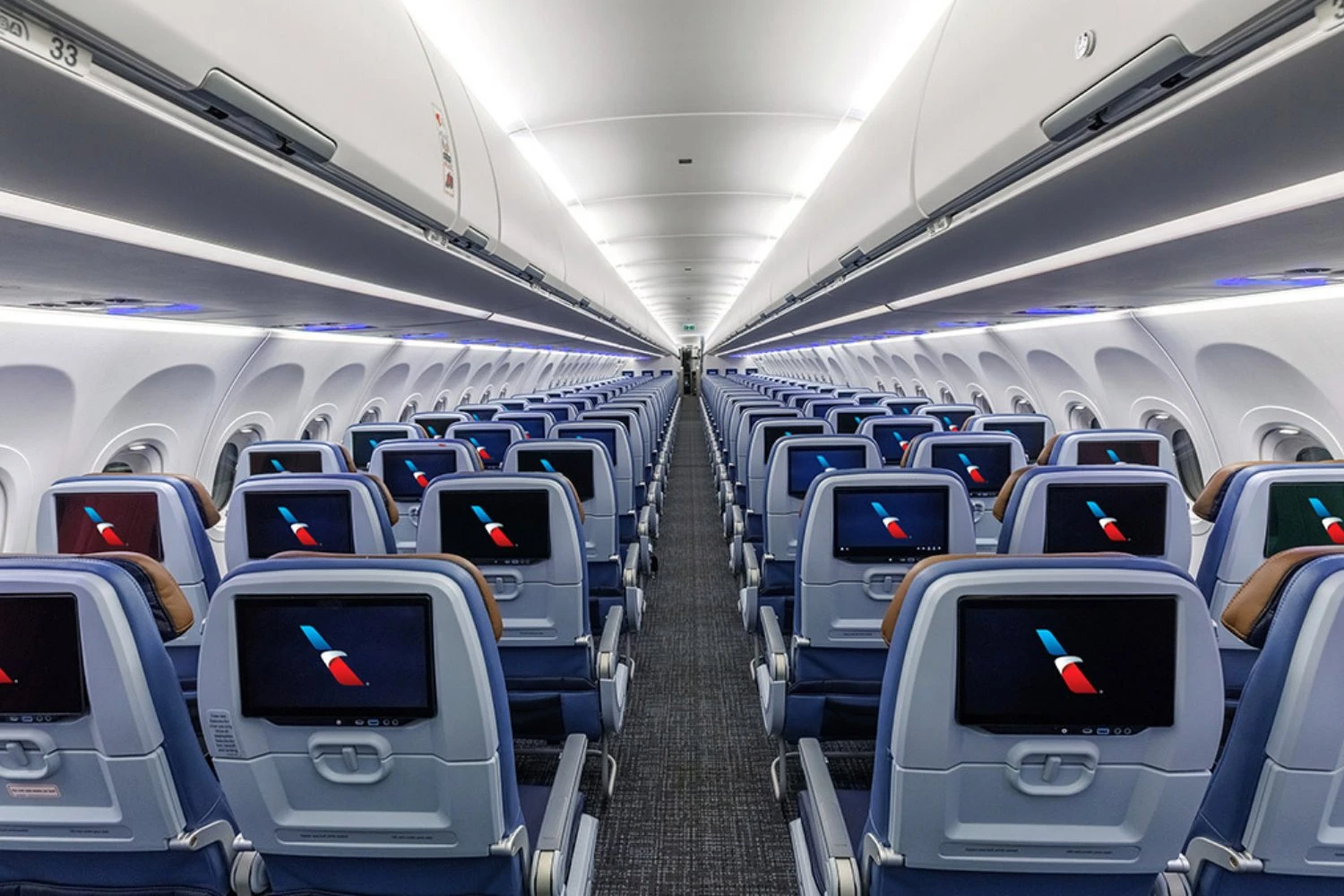
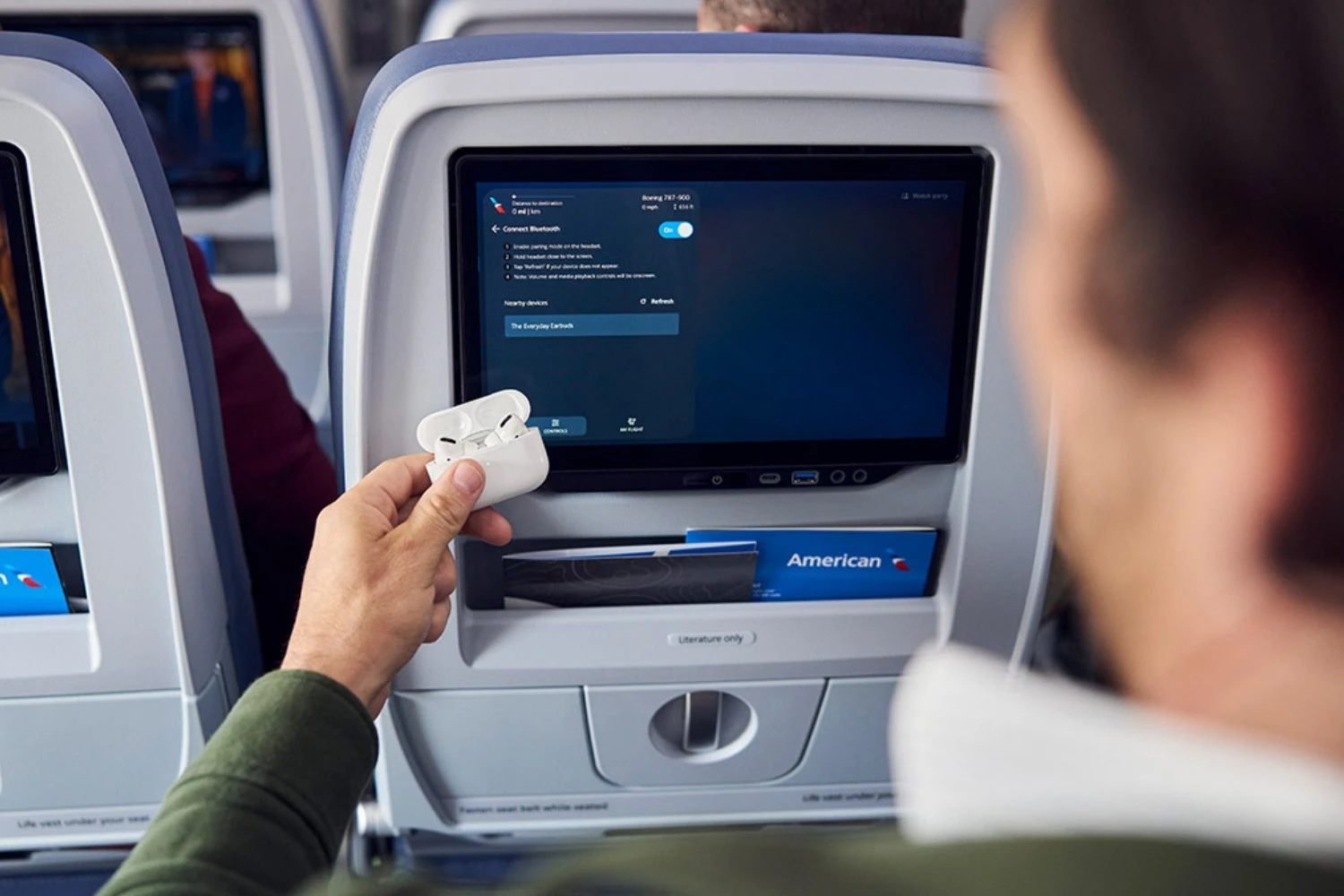
Its future cabins will instead have individual 4K displays at every seat, with Bluetooth audio connectivity, interactive flight maps and USB-C charging. The airline is also preparing to introduce Starlink high-speed internet on its narrowbody aircraft beginning in 2027.
More premium seats
The entertainment changes will accompany a substantial reconfiguration of American's single-aisle fleet. The airline says First Class and Main Cabin Extra currently account for about 25% of narrowbody seats available on its departures, a proportion it intends to increase to approximately 40% over the next several years.
Existing Airbus A319s and A320s are already being modified with an additional row of First Class seats. American also plans to reconfigure its A321neo fleet with additional premium seating.
Future Boeing 737 MAX 10s will have 24 First Class seats. American has orders for the largest MAX variant, although its entry into service remains dependent on Boeing completing certification of the aircraft.
Most of the narrowbody fleet will also receive additional Main Cabin Extra seats, which provide greater legroom than standard economy. Other cabin changes include redesigned seats, larger overhead bins and revised lighting.
American has not detailed the final configurations for each aircraft type or indicated whether adding more premium seats will reduce overall capacity on individual models.
The program effectively brings American closer to the cabin philosophy already adopted by some of its major US competitors. Delta Air Lines has long retained individual entertainment screens on much of its mainline fleet, while United Airlines has been installing seatback displays as part of its own large-scale narrowbody cabin refurbishment program.
American currently has individual screens on more than 140 widebody aircraft, but they are largely absent from its extensive domestic narrowbody operation.
The change also comes as US airlines increasingly compete for higher-yield passengers rather than concentrating primarily on adding economy capacity. For American, that will mean dedicating substantially more of its narrowbody cabins to First Class and extra-legroom economy seats while restoring a feature it deliberately removed from much of the fleet only a few years ago.