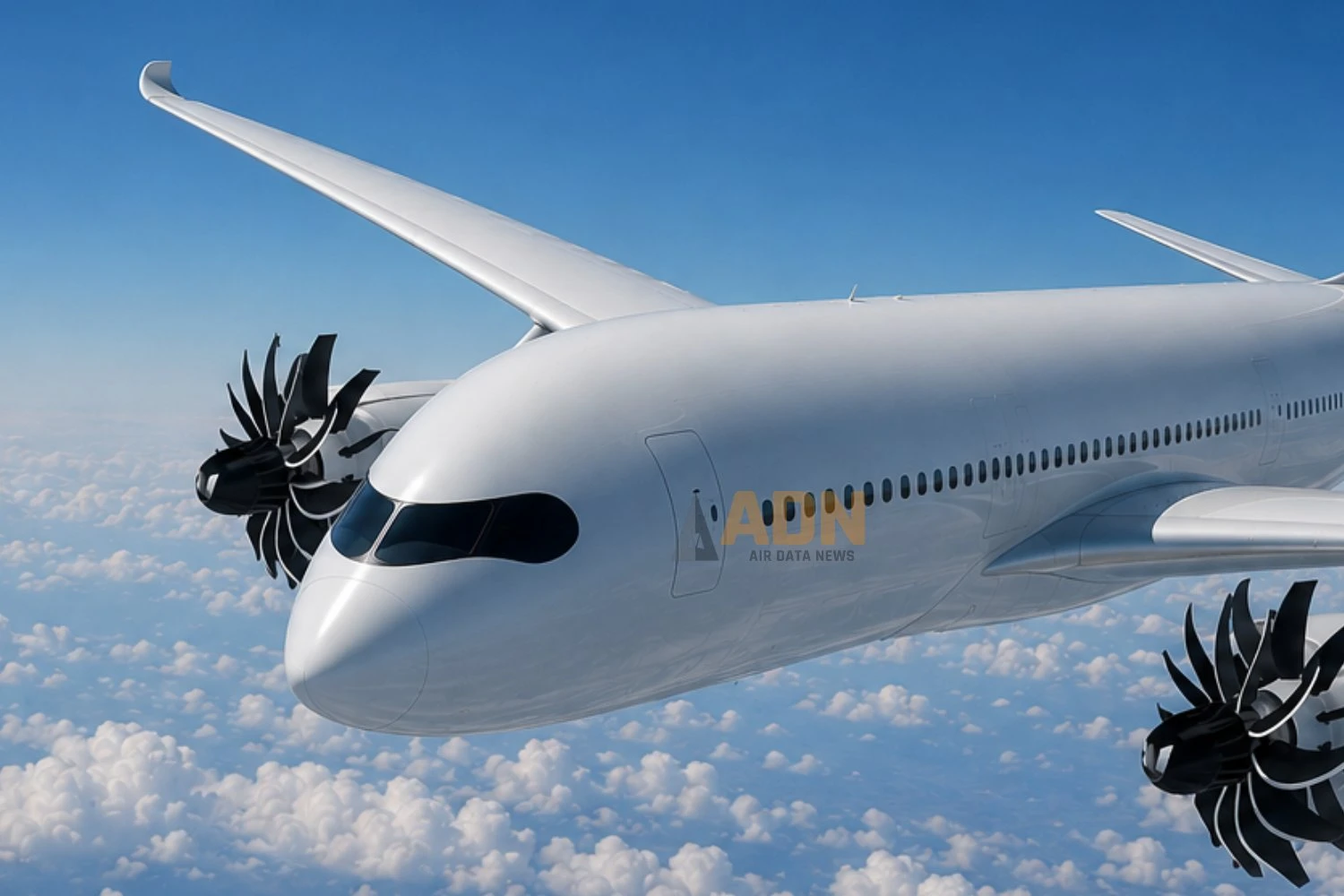
Airbus is preparing its next-generation single-aisle aircraft for a production rate of around 100 jets per month, an unprecedented industrial target that would significantly exceed the output planned for today's A320neo family.
The objective is emerging alongside other requirements for the aircraft expected to replace the A320neo family from the second half of the 2030s. Airbus is targeting a 20-30% improvement in fuel efficiency and is developing new methods intended to shorten the time needed to test and certify the aircraft.
Producing 100 aircraft per month would correspond to 1,200 narrowbody jets per year if that rate were sustained throughout the year. It would also be one-third higher than the rate Airbus is currently struggling to achieve with the A320 family.
Airbus originally planned to reach 75 A320-family aircraft per month sooner, but repeated supply-chain constraints have delayed the ramp-up. The company now expects production to reach between 70 and 75 aircraft per month by the end of 2027 before stabilizing at 75.
Follow Air Data News: WhatsApp | Instagram | LinkedIn | Twitter | Facebook
Pratt & Whitney engine availability has been one of the principal constraints. Airbus said earlier this year that the engine manufacturer was unable to commit to the quantities required for its planned ramp-up, affecting production expectations for both 2026 and 2027.
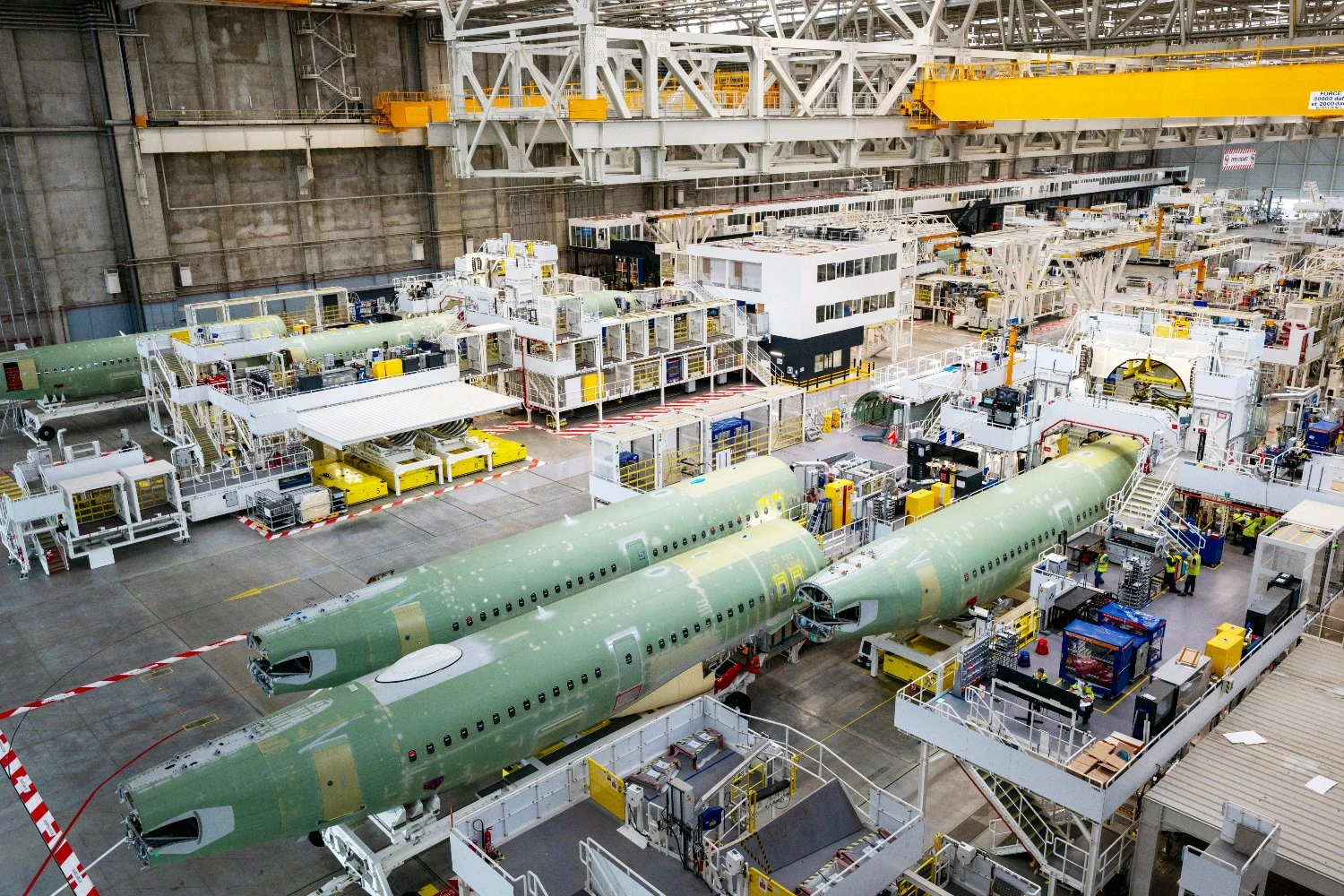
The scale of the effort can already be seen in Airbus' industrial footprint. The manufacturer now has ten A320-family final assembly lines distributed across Toulouse, Hamburg, Mobile and Tianjin. A second modernized line in Toulouse opened in June, completing the expansion planned to support the current 75-aircraft target.
Next aircraft could spend less time in testing
Airbus is simultaneously looking for ways to shorten development of the aircraft that will eventually use that larger production system.
According to Aviation Week, the manufacturer wants to halve testing lead times by combining physical and virtual assessments more extensively. Thierry Raffy, Airbus vice president of test and analytics engineering, disclosed the target during the Aerospace Test and Development Show in Toulouse.
The objective does not mean cutting the amount of evidence required for certification. Airbus expects increasingly complex aircraft and stricter requirements to demand more testing, but wants a greater proportion of that work completed virtually and earlier in development.
The approach could also change the role of the flight-test campaign. Instead of discovering major maturity problems after prototypes begin flying, Airbus wants physical flight testing to increasingly confirm results already obtained through simulation, digital models and ground testing.
Certification has become an increasingly important factor in aircraft development schedules. Regulators intensified scrutiny of manufacturers and delegated certification processes following the two Boeing 737 MAX accidents, while increasingly complex systems have added new requirements to recent aircraft programs.
Airbus itself encountered an extensive certification process with the A321XLR, despite the aircraft being derived from the existing A321neo. New fuel-tank arrangements and other changes required additional regulatory work before the aircraft entered service in 2024.
Technology demonstrators prepare 2030 decision
Airbus has not yet selected the final configuration of the A320neo successor. The manufacturer expects key decisions around the program near the end of the decade, with entry into service targeted for the second half of the 2030s.
Several research programs are already testing technologies that could eventually reach the aircraft.
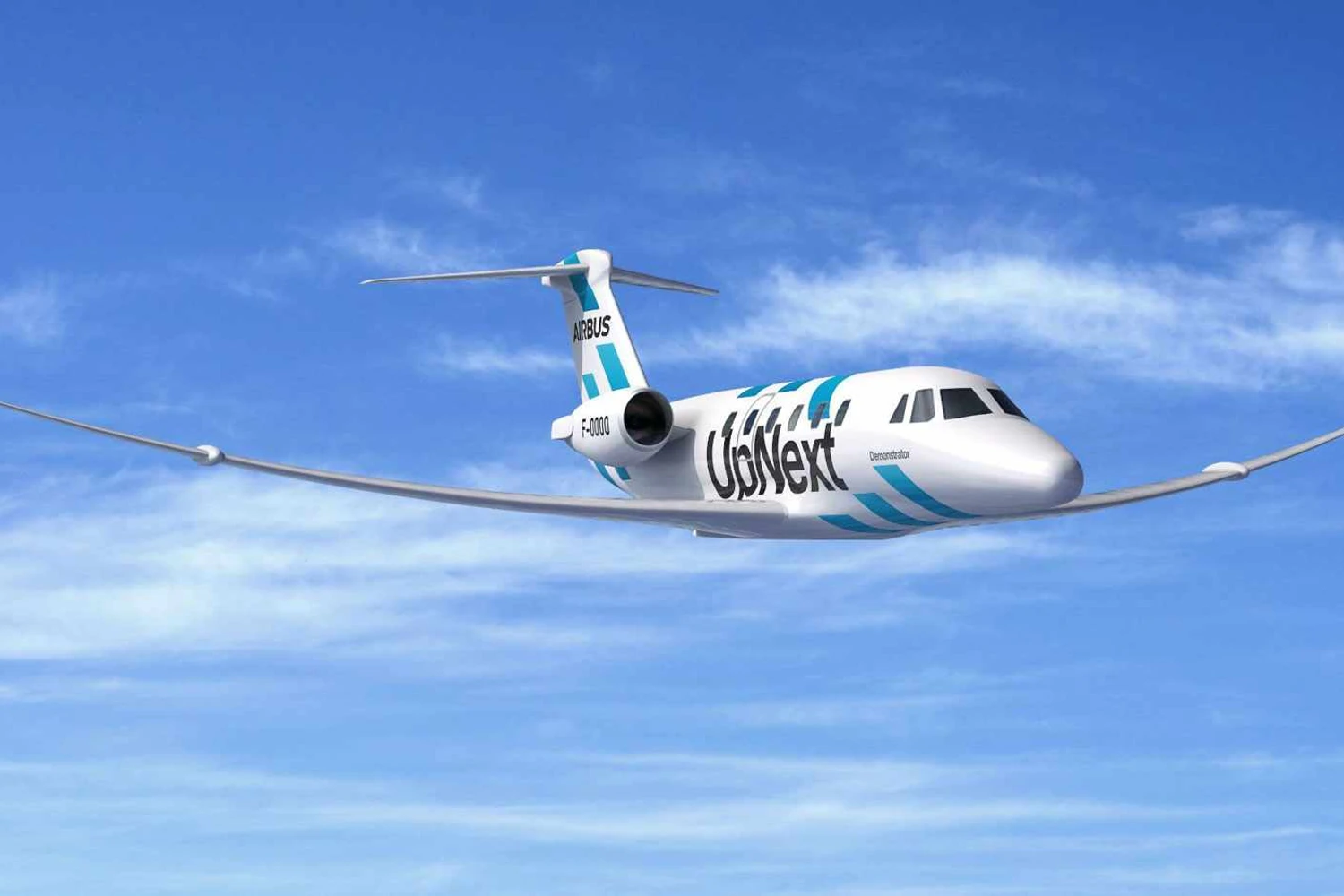
The X-Wing demonstrator is exploring a high-aspect-ratio wing intended to reduce aerodynamic drag. Based on a modified Cessna Citation VII, the aircraft will also test folding wingtips capable of responding to loads generated by turbulence.
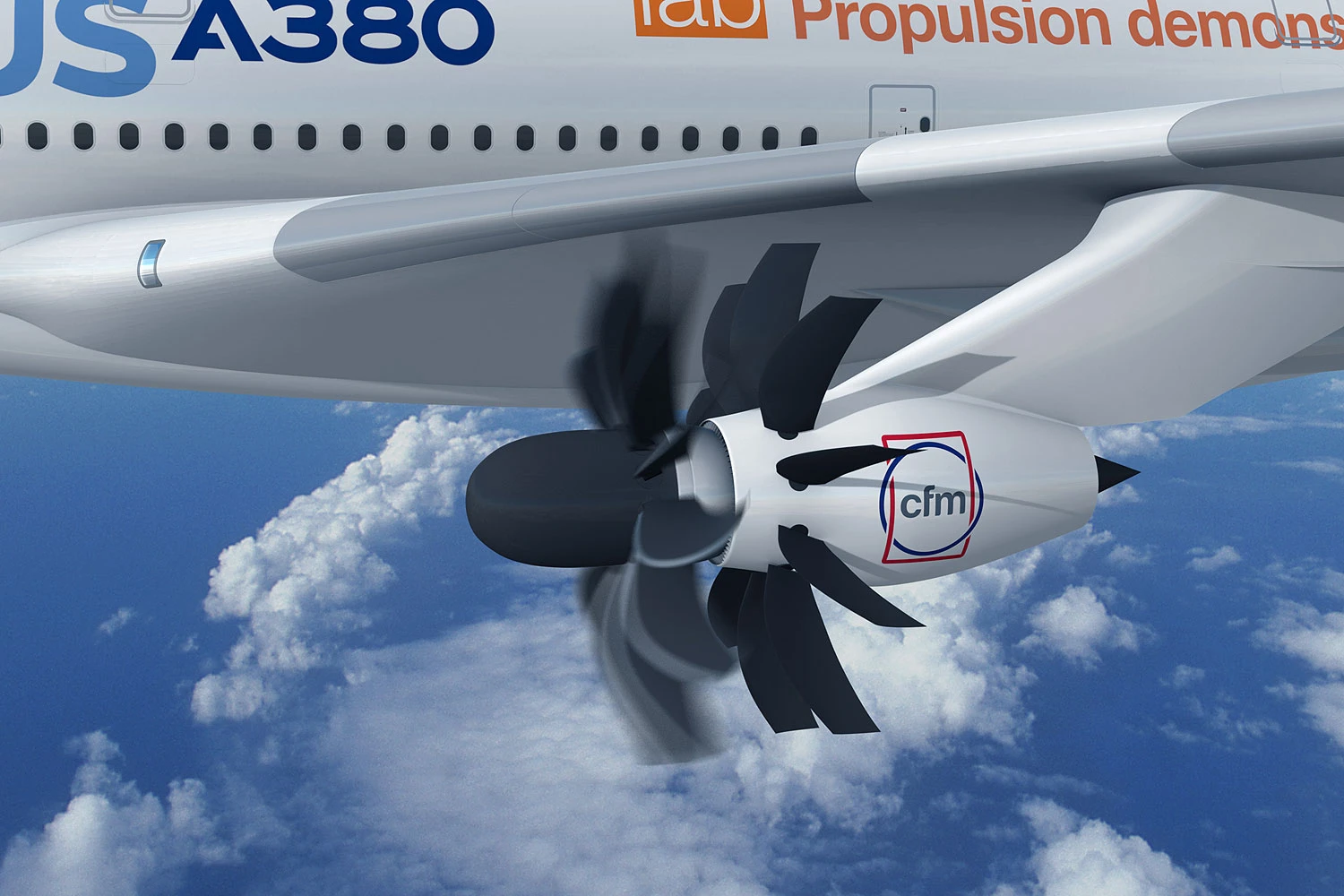
Airbus and CFM International are separately preparing flight tests of an open-fan engine using an A380 demonstrator. Open-fan propulsion remains one of the alternatives under consideration for the next single-aisle generation, although Airbus has not yet committed to that architecture.
The manufacturer is also studying new electrical systems, avionics concepts, automation and manufacturing technologies. These programs provide opportunities not only to evaluate equipment for the future aircraft but also to validate the digital models Airbus wants to use more extensively during its development.
The industrial challenge may ultimately be as significant as selecting the aircraft's engine or wing. Airbus describes its current target of 75 A320-family aircraft per month as the highest production level ever attempted in civil aerospace, yet the successor is already being conceived for output roughly 33% above that level.