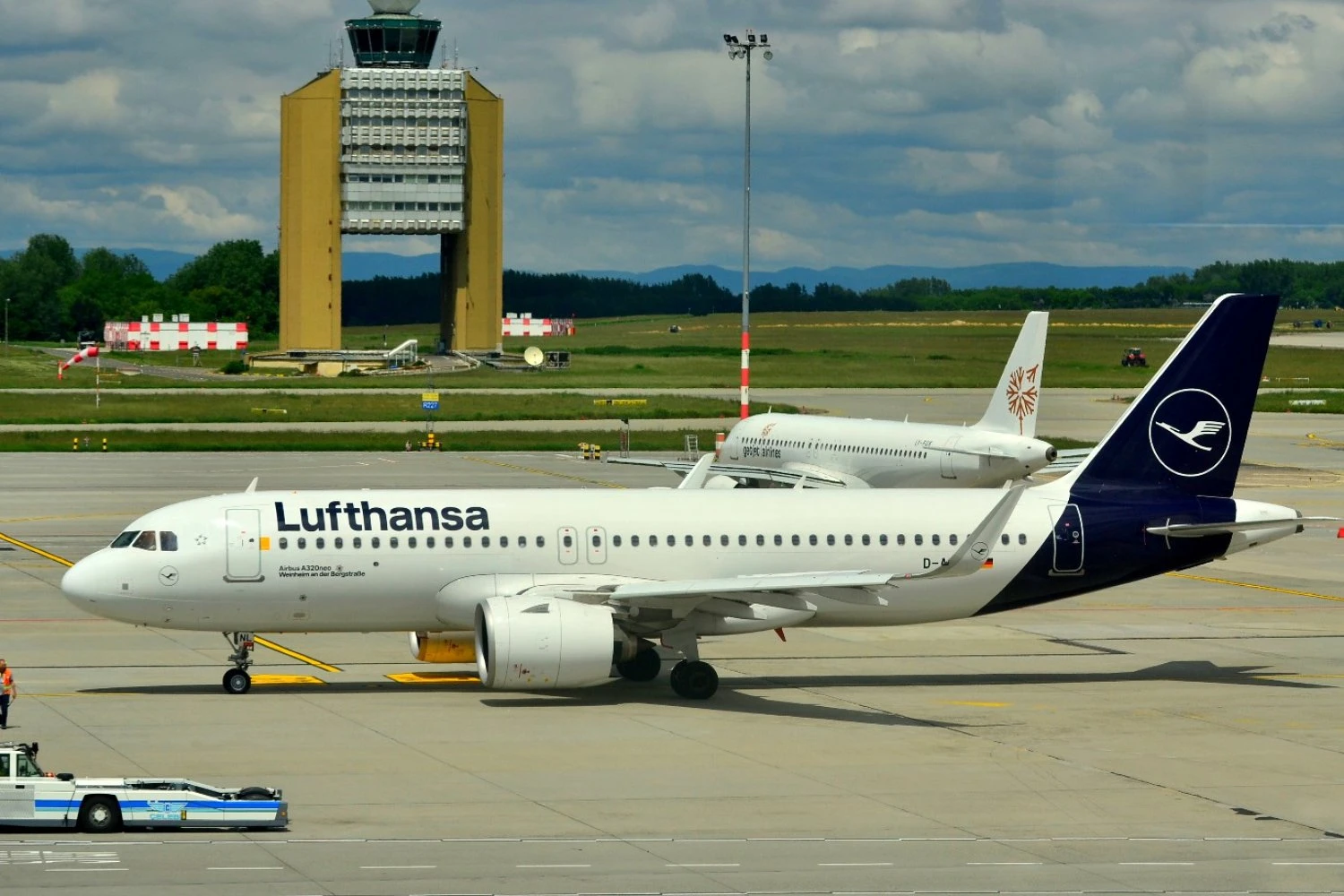
Airbus forecasts demand for 42,060 new passenger and cargo aircraft between 2026 and 2045, driven by airline fleet renewal and continued growth in global air travel.
The European manufacturer said 22,240 aircraft will support traffic growth, while another 19,820 will replace older, less efficient models. Single-aisle aircraft account for about 81% of the projected demand, with widebodies making up the remaining 19%.
Recent news
September 21, 2026
September 21, 2026
September 21, 2026
Airbus expects global passenger traffic to grow at an average annual rate of 3.9% over the next two decades. The forecast assumes world GDP will expand by 2.6% annually, the urban population will increase by 1.3 billion people and the global middle class will grow by another 1.4 billion.
According to the company, future network growth will increasingly come from direct services between smaller and medium-sized cities rather than traditional hub-to-hub routes. Airbus argues that new-generation aircraft with lower operating costs and longer range make those routes economically viable.
The manufacturer cited examples such as Lisbon-Recife with the A321neo, Dublin-Nashville using the A321XLR, Algiers-Kuala Lumpur with the A330neo and Taipei-Phoenix with the A350.
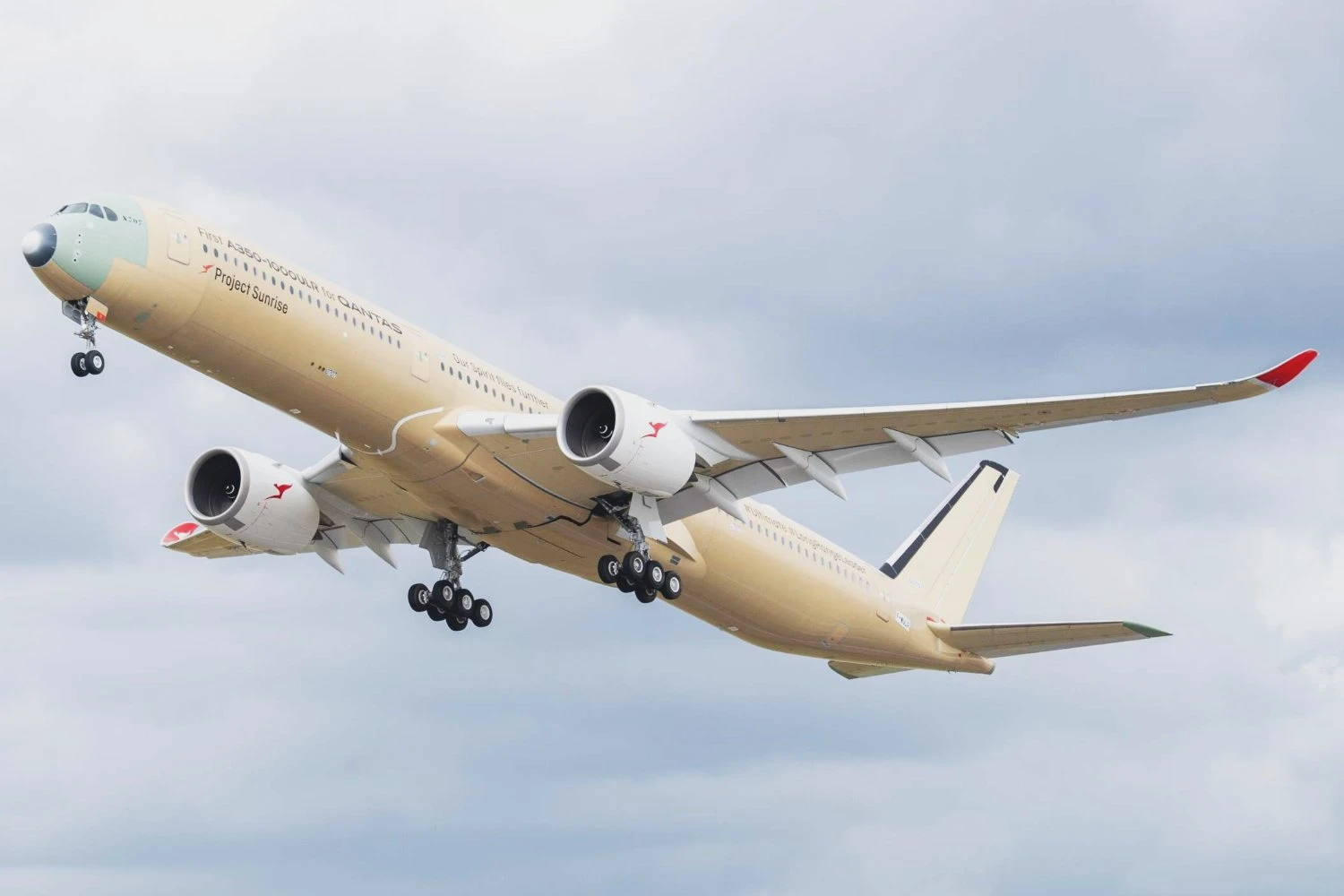
Airbus also expects airlines to accelerate fleet renewal during the next two decades. The company estimates that aircraft built with the latest generation of technology will account for almost the entire global fleet by 2045, compared with about 39% today.
Related news
September 17, 2026
The forecast also confirms the growing importance of Asia-Pacific markets, particularly India, Vietnam, Indonesia and Malaysia, where economic growth and rising incomes are expected to generate a larger share of future passenger traffic.
Airbus updates its Global Market Forecast annually as one of the industry's main long-term demand outlooks. Boeing publishes a similar projection, although the two manufacturers often differ slightly in their assumptions and total aircraft requirements.