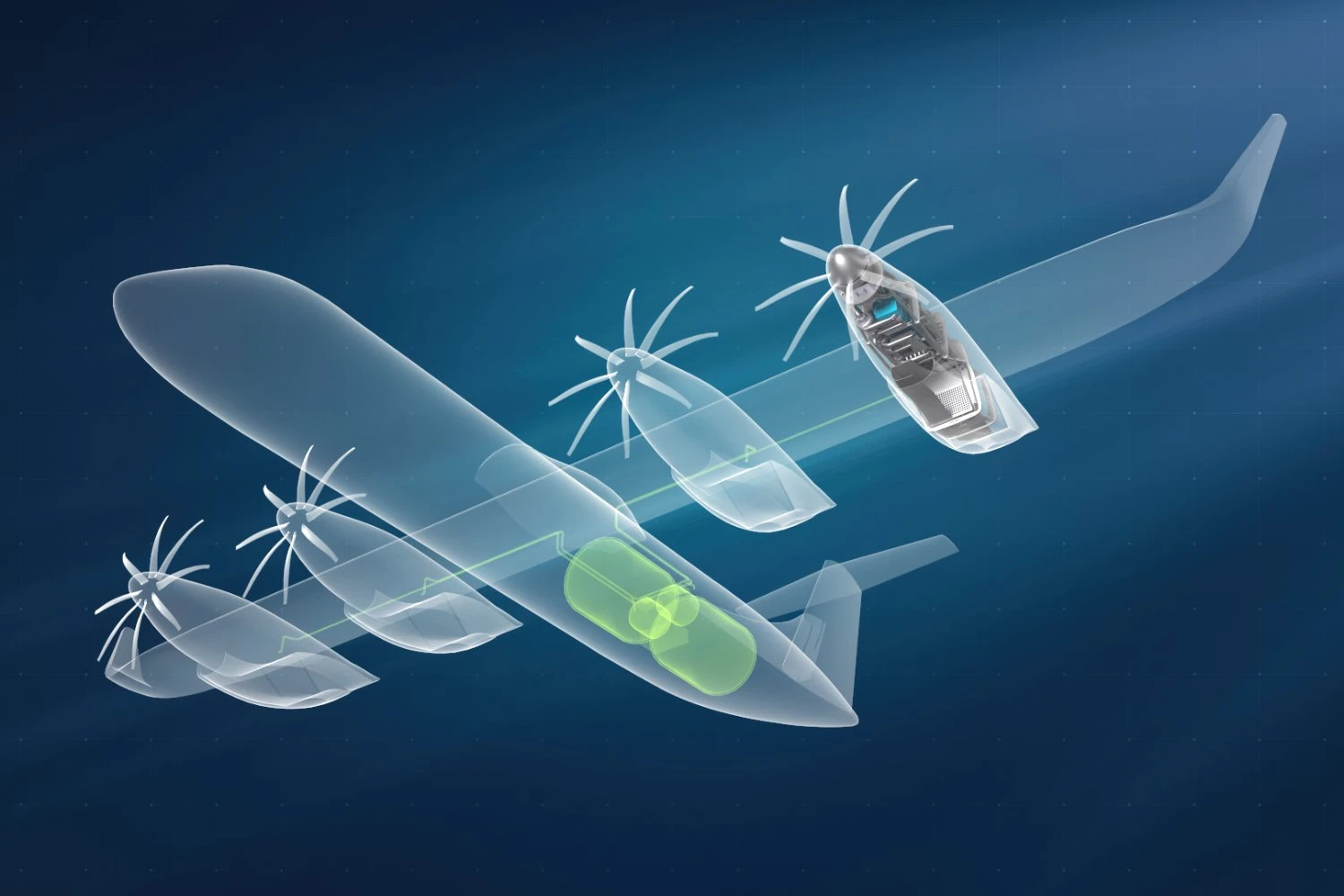
Airbus and MTU Aero Engines plan to establish a joint venture to develop and commercialize a hydrogen fuel cell propulsion system for commercial aircraft, the companies announced on Tuesday.
The planned venture follows a memorandum of understanding signed by the two manufacturers at the Paris Air Show in 2025. The agreement remains subject to regulatory approvals and labor consultations in Europe. Operations are expected to begin in 2027.
Recent news
September 21, 2026

September 21, 2026

September 21, 2026
The new company would combine Airbus' work on hydrogen aircraft and liquid hydrogen technologies with MTU's fuel cell development and aircraft engine expertise.
The partners said the venture will focus on the design, testing, certification and commercialization of a fully electric propulsion system based on hydrogen fuel cells.
Unlike hydrogen combustion engines, a fuel cell generates electricity through an electrochemical reaction between hydrogen and oxygen. The electricity powers electric motors, and the only direct byproduct is water vapor.
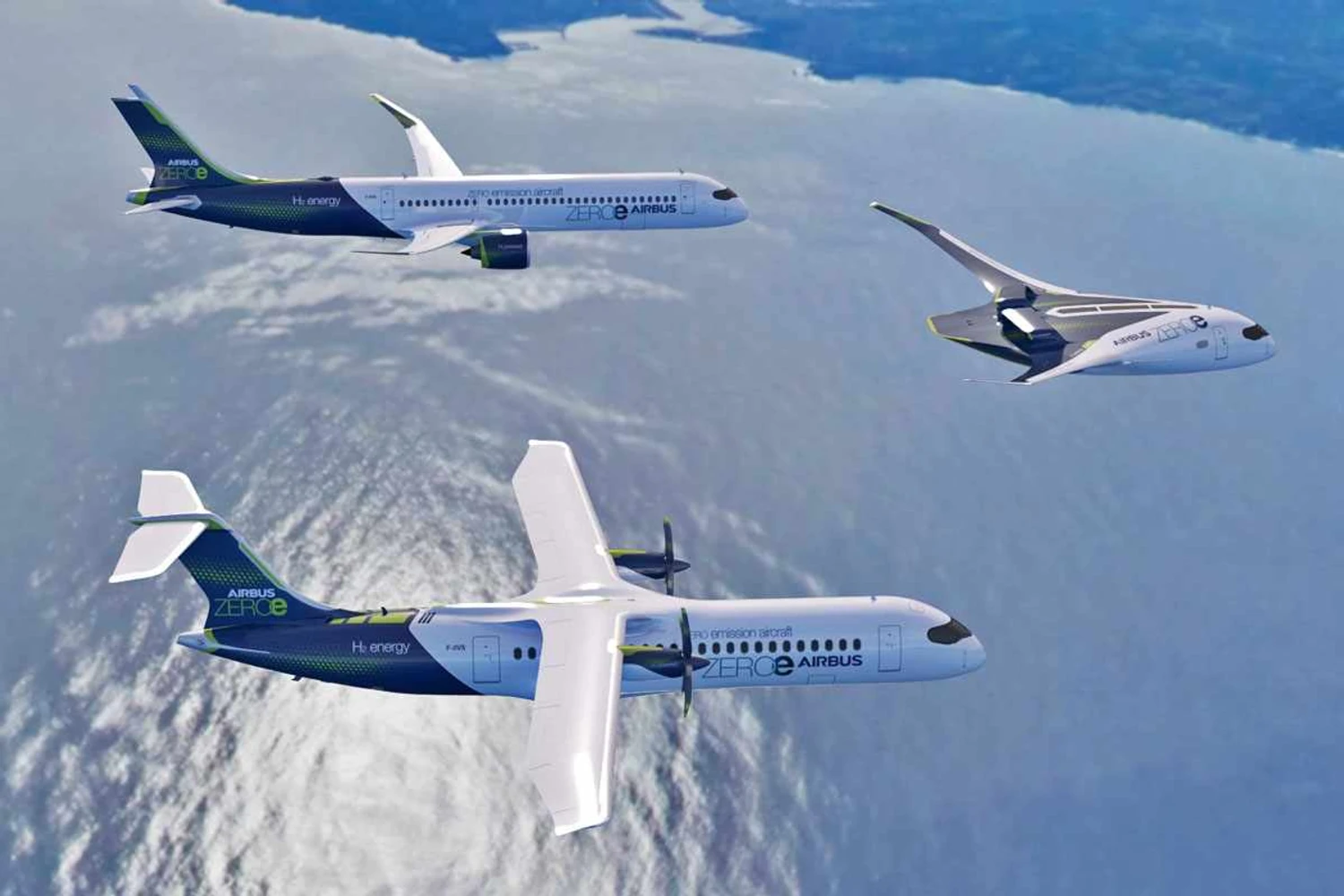
Airbus shifted its hydrogen strategy after deciding to concentrate its ZEROe research program on fuel cell propulsion instead of several parallel concepts. The manufacturer said ground tests of fuel cell systems and cryogenic technologies supported further development of the concept.
MTU has also advanced its own hydrogen research, completing the design of its Flying Fuel Cell demonstrator, beginning production of fuel cell stacks and conducting initial tests of its eMoSys electric motor.
Neither company disclosed financial terms for the planned joint venture or a timetable for the first flight of a fuel cell-powered aircraft.