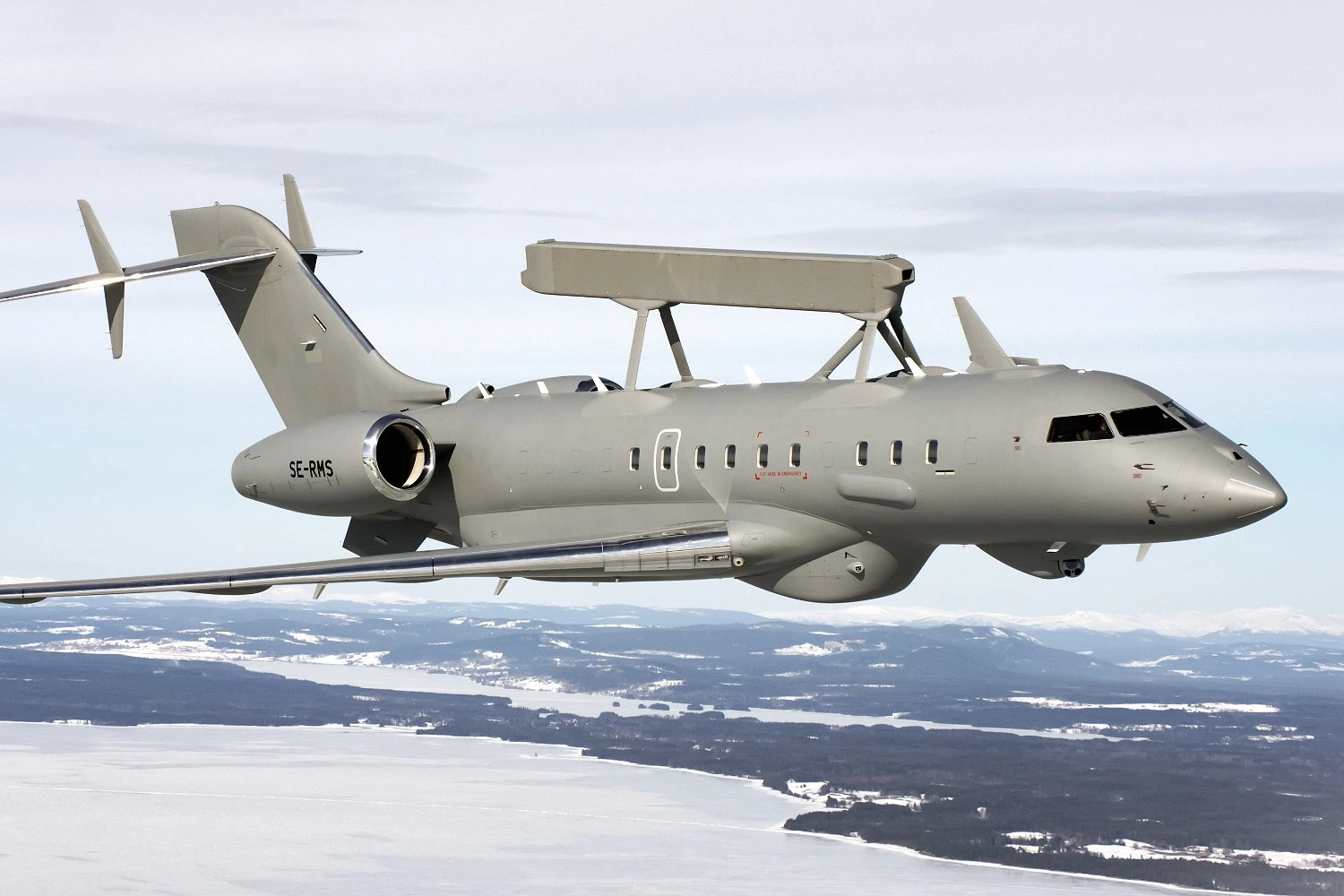
NATO has selected Saab's GlobalEye as the successor to its fleet of Boeing E-3 Sentry AWACS aircraft, confirming months of speculation about the alliance's future airborne early warning capability.
Secretary General Mark Rutte announced during the NATO Summit in Ankara that the alliance will begin formal negotiations with Saab for the acquisition of up to 10 GlobalEye aircraft. Saab said no contract has been signed and no order has yet been placed.
Related news

September 10, 2026
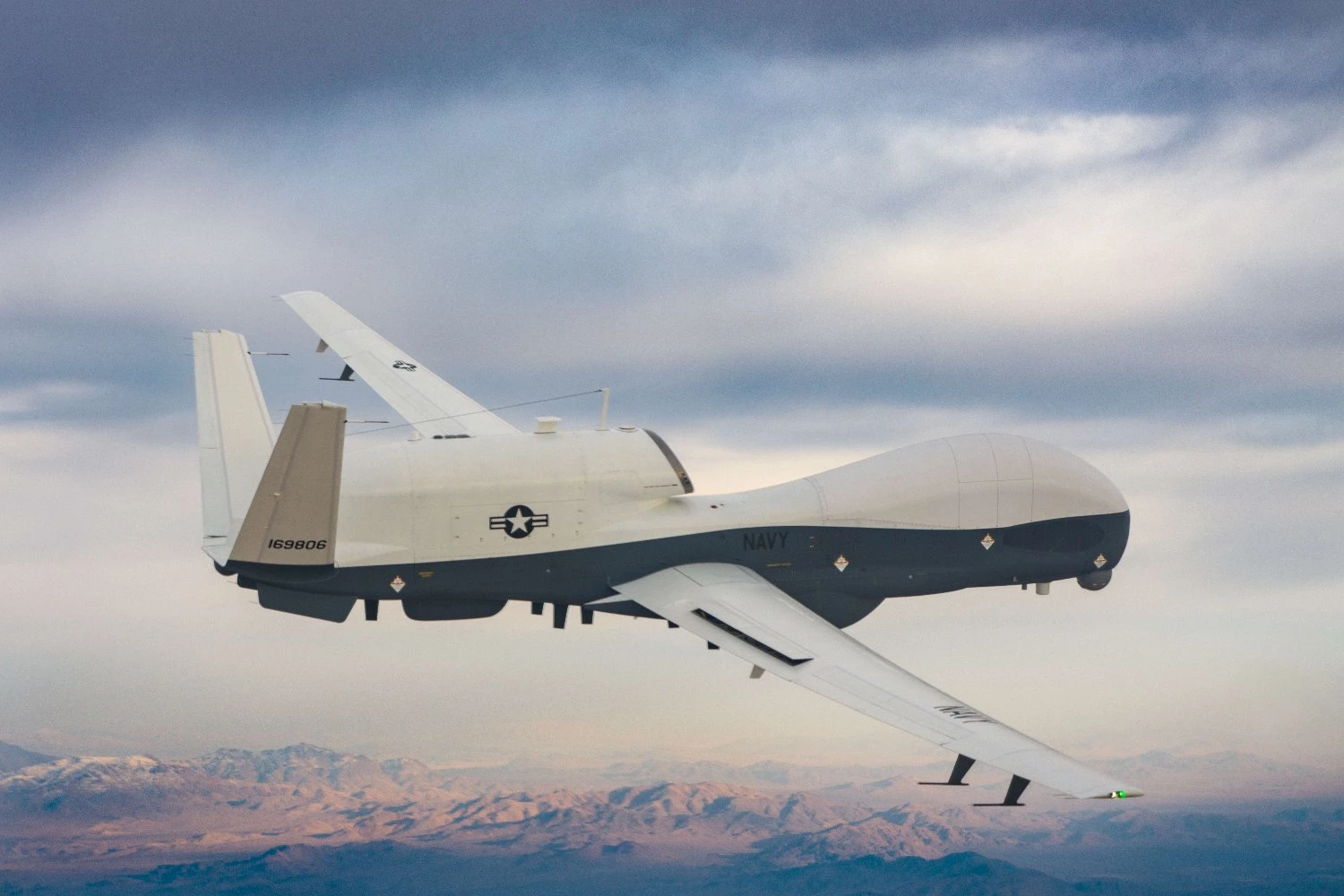

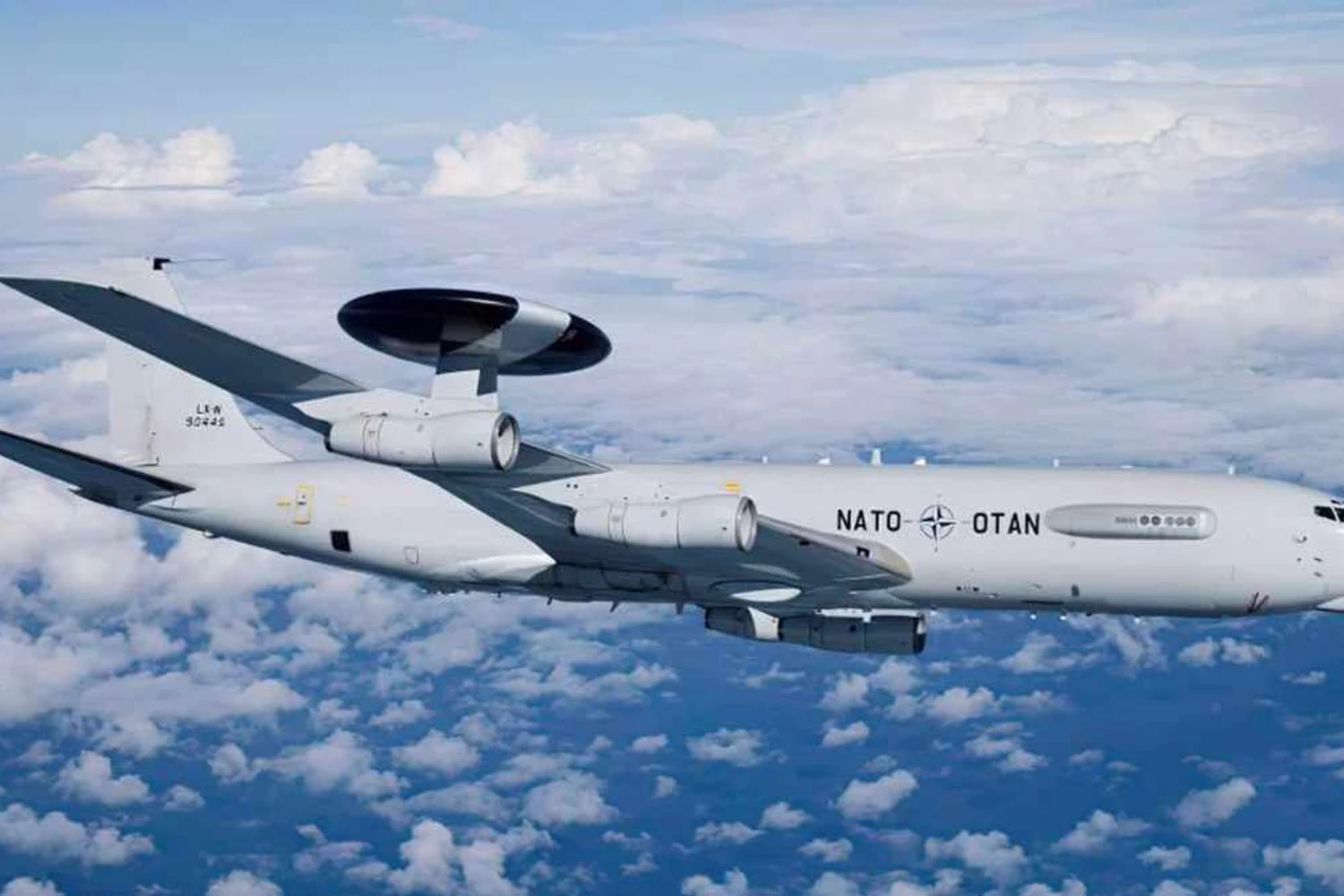
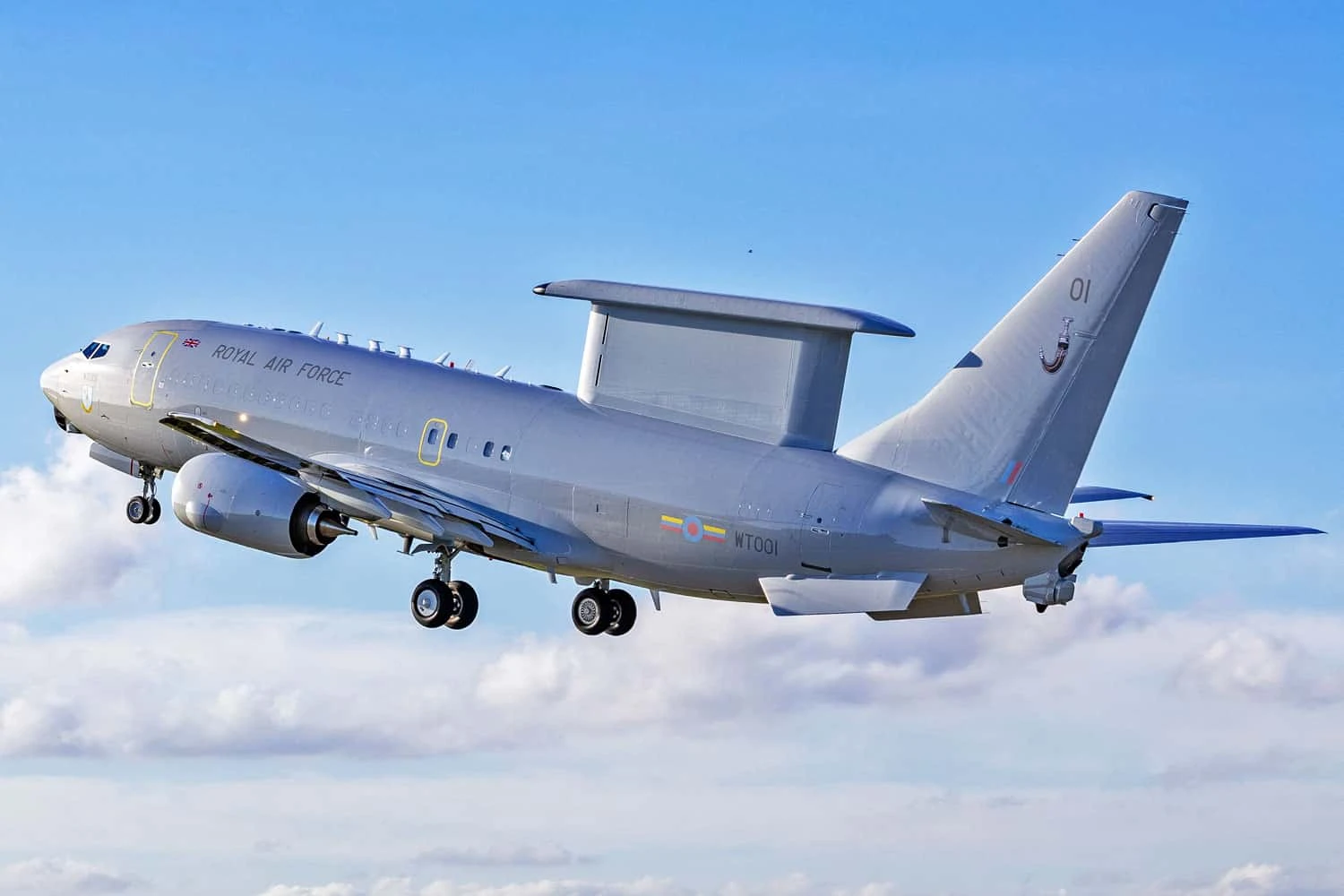
The decision marks a major change in NATO's surveillance strategy. The alliance has operated 14 Boeing E-3 Sentry aircraft from Geilenkirchen Air Base in Germany since the early 1980s and had previously planned to replace them with six Boeing E-7 Wedgetail aircraft.
That plan lost momentum after the U.S. Air Force scaled back its own E-7 program in favor of greater reliance on space-based surveillance, reopening the competition. At the same time, political friction between the Trump administration and European allies has accelerated efforts to diversify defense procurement across NATO.
GlobalEye is based on the Bombardier Global 6500 business jet and combines Saab's Erieye Extended Range radar with
additional sensors and a multi-domain command-and-control suite.
According to Saab, the system can detect and track targets across the air, land and maritime domains, including low-observable aircraft, drones, ballistic missiles and hypersonic threats.
The selection also follows Canada's decision to acquire six GlobalEye aircraft, further expanding the customer base for Saab's airborne early warning platform.
NATO said the aircraft will replace the alliance's existing AEW&C capability while Saab will now negotiate the final contract with the NATO Support and Procurement Agency (NSPA).