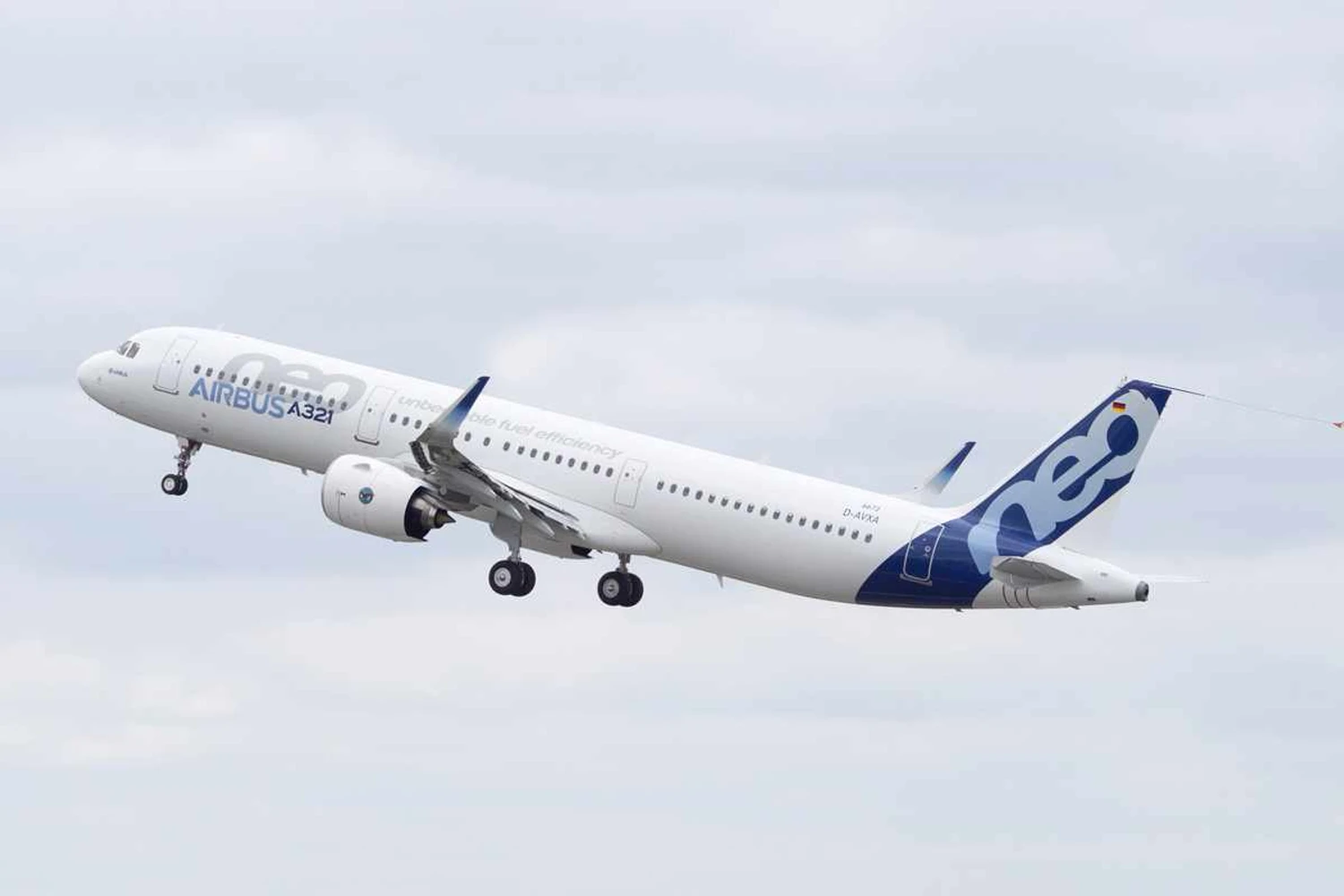
Airbus has awarded Mahindra Aerostructures a contract to manufacture fuselage skins for the A320neo family, adding more complex aerostructure work to a rapidly expanding Indian supply chain.
Under the multi-year agreement, Mahindra will produce 11 fuselage skins at its Bengaluru facility: eight for Section 18 and three for Section 19, covering parts of the rear fuselage and tail area. The components will be shipped to Airbus Aerostructures in Augsburg, Germany.
Follow Air Data News: WhatsApp | Instagram | LinkedIn | Twitter | Facebook
The first deliveries are planned for 2028. Before production begins, Mahindra will install new chemical milling, surface treatment and stretch-forming capabilities, while manufacturing engineering, tooling design, qualification and inspection work is already underway.
Stretch forming is particularly significant because it allows large metal sheets to be shaped into the curved panels used in aircraft fuselages. Mahindra said the investment will give it capabilities that could eventually support production of larger fuselage sections in India.
The contract adds to an industrial relationship between Airbus and Mahindra that already extends across commercial aircraft and helicopters.
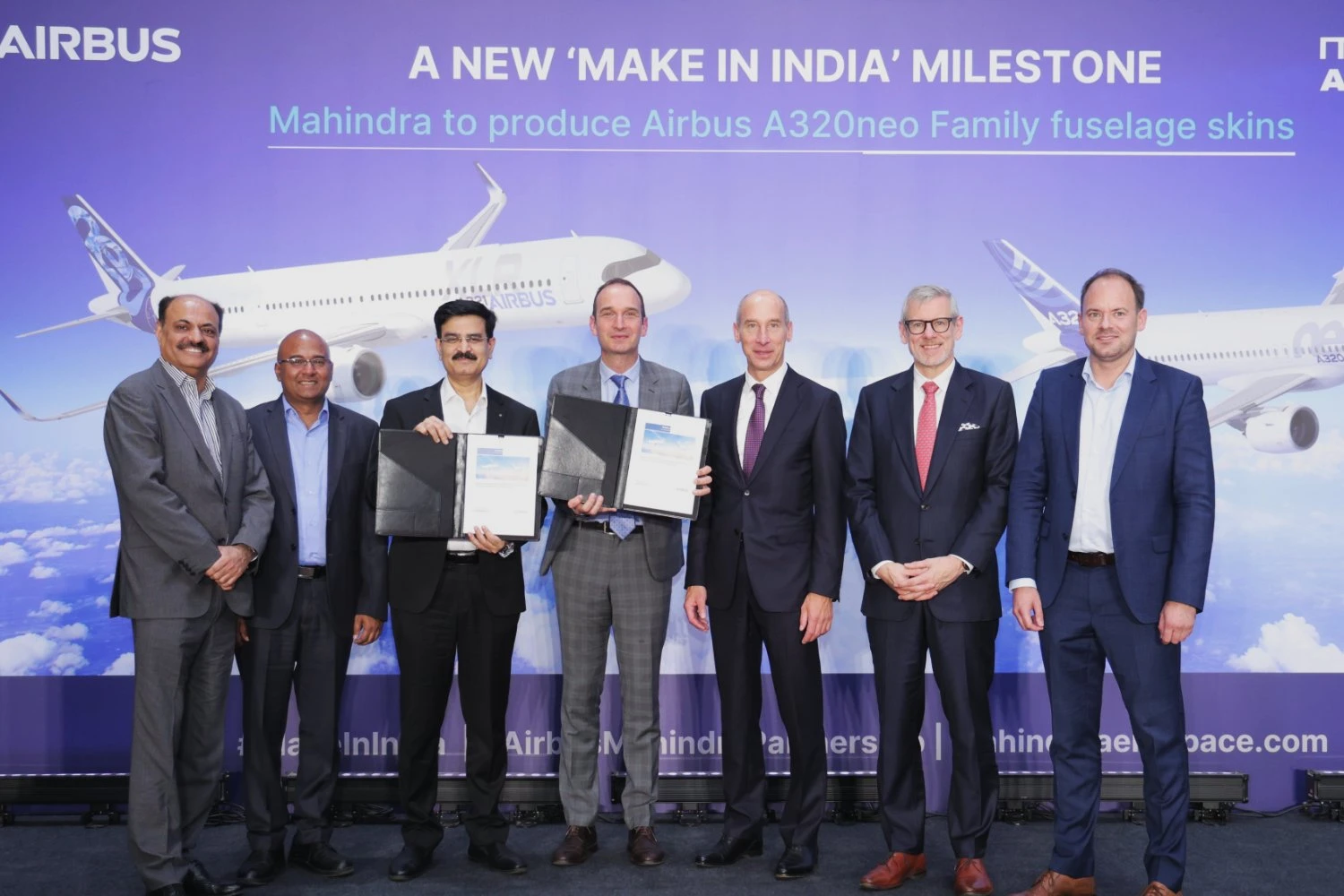
Mahindra Aerostructures supplies components and subassemblies for Airbus commercial aircraft and has previously received contracts covering parts for the A320neo, A330neo and A350 programs.
The Indian company has also moved into substantially larger assemblies. Airbus selected Mahindra in 2025 to manufacture and assemble the main fuselage of the H130 light helicopter and later awarded it work on H125 fuselages. Deliveries from the Bengaluru facility are scheduled to begin in 2027.
Indian aerospace footprint grows
The latest contract is part of Airbus' push to increase the amount of manufacturing performed in India rather than simply source individual components from the country.
Airbus says it currently procures more than US$1.6 billion in components and services annually from India and expects the figure to exceed US$2 billion before the end of the decade. Its Indian suppliers already manufacture complex aerostructures and assemblies, including aircraft doors and helicopter cabins.
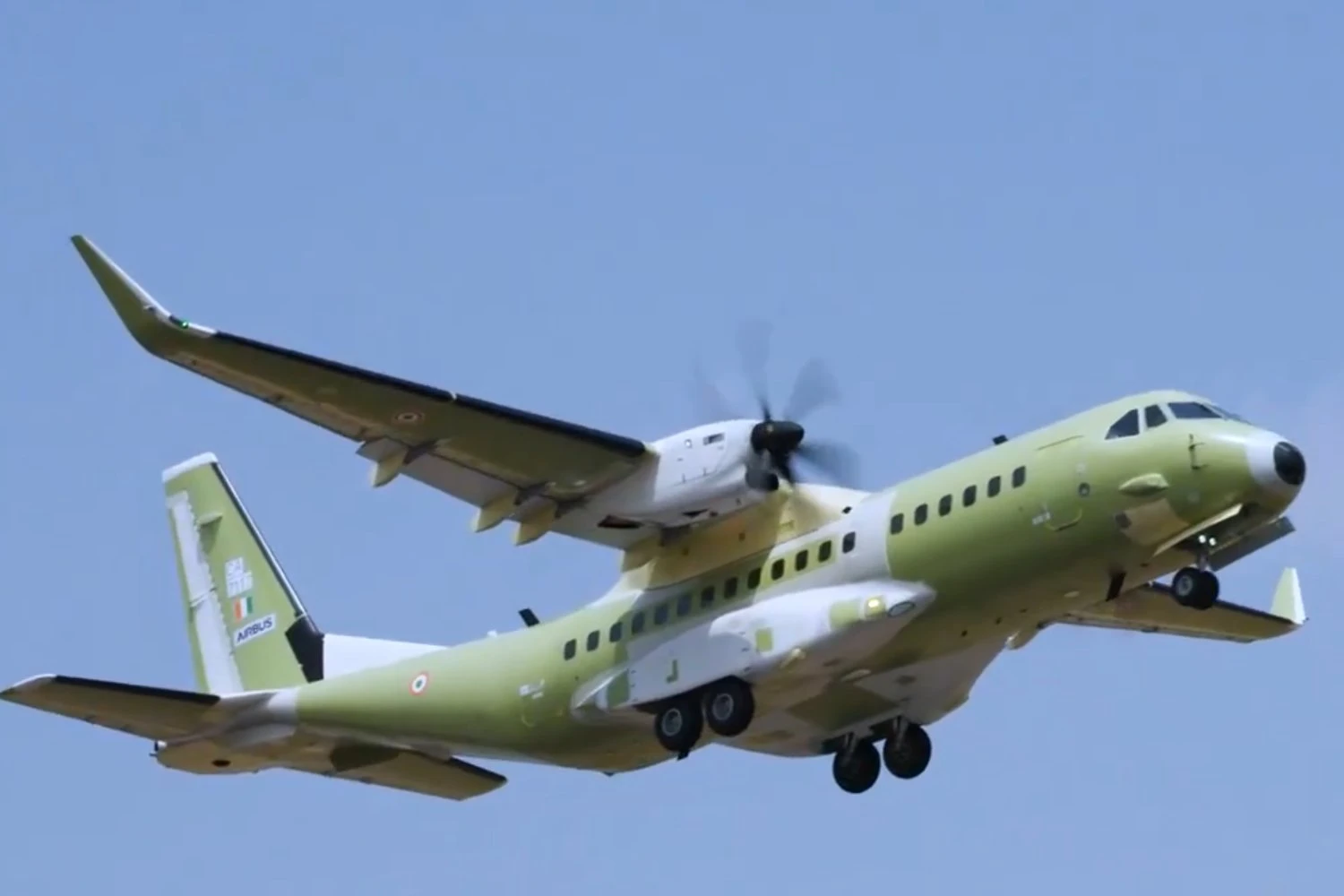
The company has also moved into aircraft assembly in the country. Airbus and Tata Advanced Systems inaugurated a final assembly line in Vadodara for the C295 military transport aircraft, where 40 of the 56 aircraft ordered by the Indian Air Force are to be produced. The first 16 aircraft were built by Airbus in Spain.
A second Indian final assembly line is being established for the H125 helicopter, extending local manufacturing into Airbus' civil aircraft business.
The development of this supply chain has created an Indian aerospace industry in which major local companies frequently work with manufacturers that compete against one another in other programs.
Partnership with Embraer
Mahindra itself illustrates that relationship. While expanding its manufacturing work for Airbus, the group is Embraer's principal Indian industrial partner for the C-390 Millennium military transport aircraft.
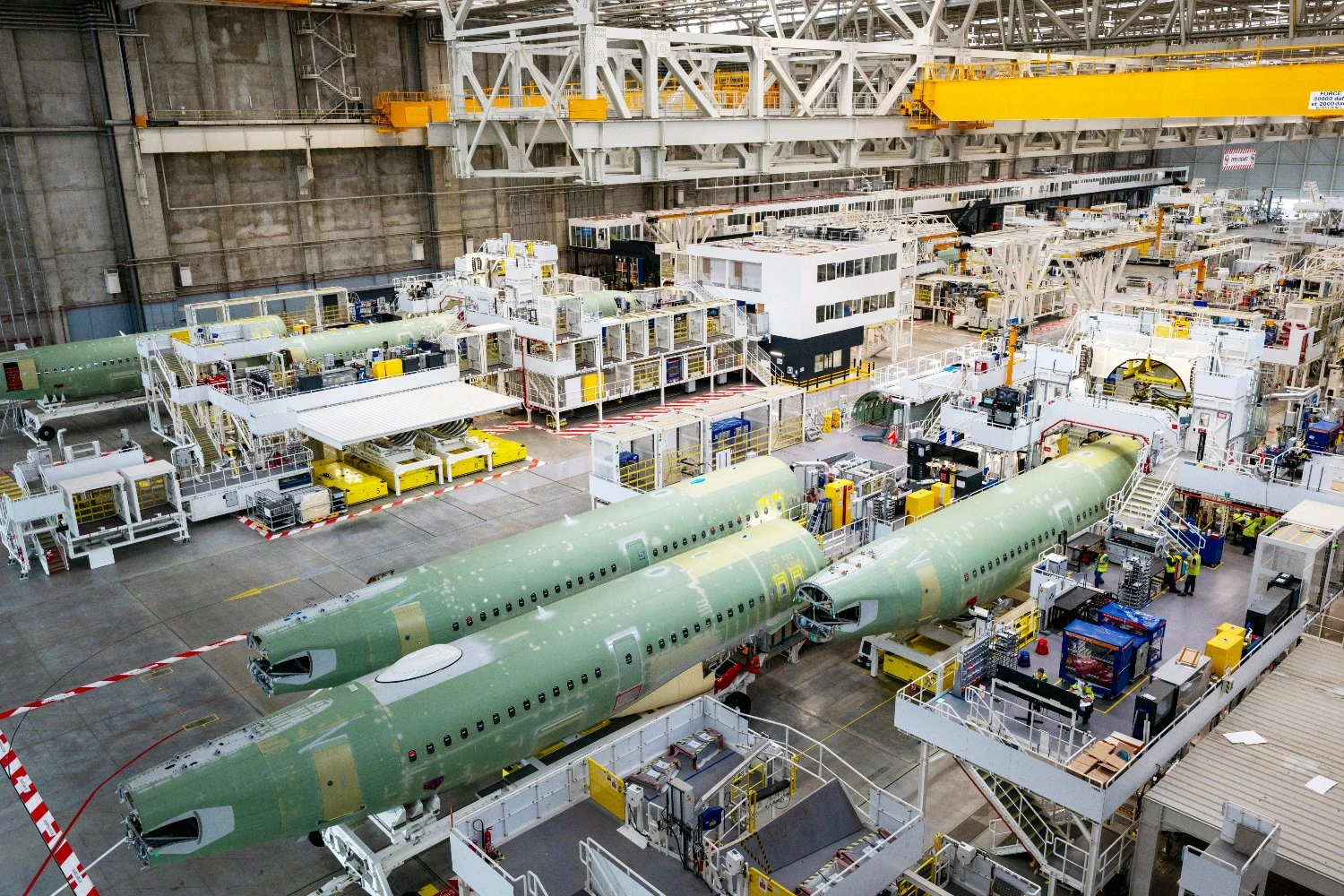
Embraer and Mahindra initially joined forces in 2024 to offer the C-390 for the Indian Air Force's Medium Transport Aircraft program. Their cooperation was expanded in 2025 to cover potential local manufacturing, supply-chain development and support for the aircraft in India if it is selected.
Airbus is competing for the same requirement with the larger A400M, while Lockheed Martin is proposing the C-130J Super Hercules.
A similar overlap exists with Tata Advanced Systems. The Indian company is Airbus' partner for local C295 production but has a longstanding relationship with Lockheed Martin. Their joint venture in Hyderabad manufactures C-130J empennages and the companies are cooperating on the US manufacturer's proposal for the Indian Medium Transport Aircraft requirement.
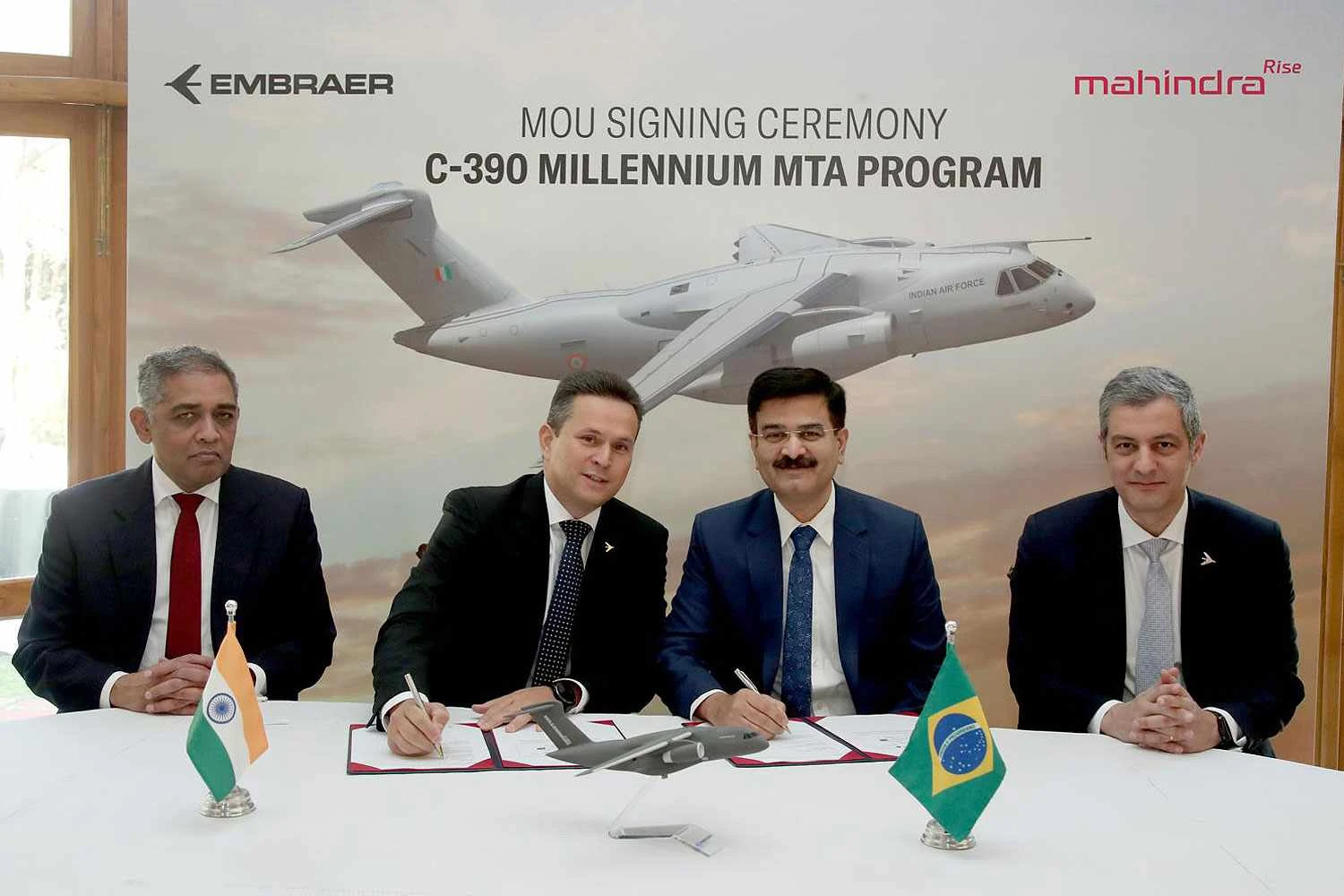
Such relationships have become increasingly important as India seeks to combine major military and civil aircraft purchases with domestic production and technology development.
For Airbus, the strategy extends beyond manufacturing. The company has invested in engineering and digital activities in India and is expanding pilot training infrastructure, including two training centers in the Delhi region with capacity for 14 full-flight simulators.