Airbus delivered 72 commercial aircraft in September 2026, an increase of 26% over August, but its order backlog declined by 58 aircraft during the month. The manufacturer recorded just 17 new orders, while adjustments to existing contracts included three net cancellations and several changes in the customers associated with previously booked aircraft.
The September deliveries went to 37 customers, compared with 57 aircraft delivered to 31 customers in August. The latest figures brought Airbus's deliveries for the first nine months of 2026 to 547 aircraft, an 8% increase over the same period last year.
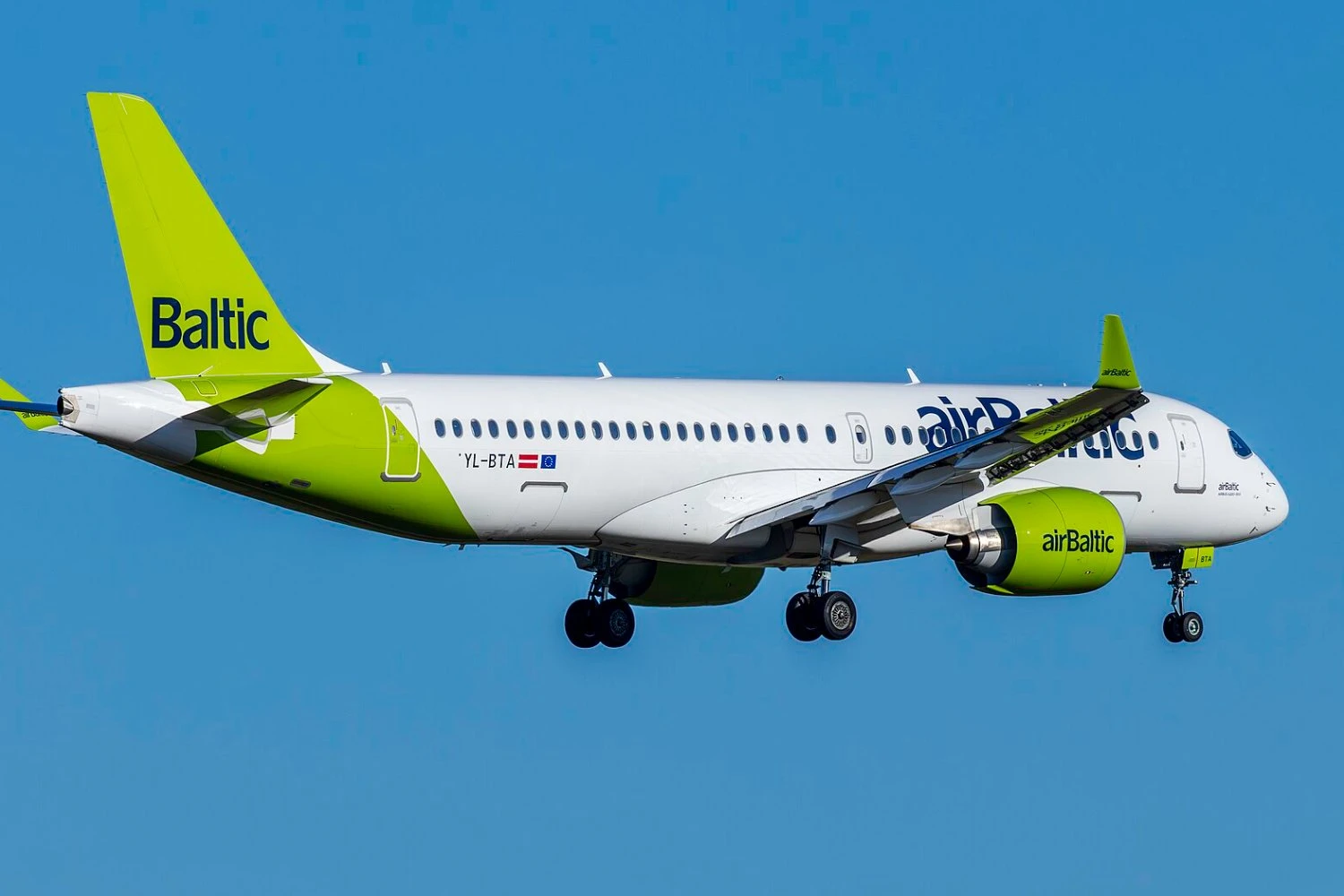
The A321neo accounted for more than half of September's deliveries, with 37 aircraft handed over, compared with 26 in August. Airbus also delivered 21 A320neos, eight A220-300s, three A350-900s, two A330-900s and one A319neo.
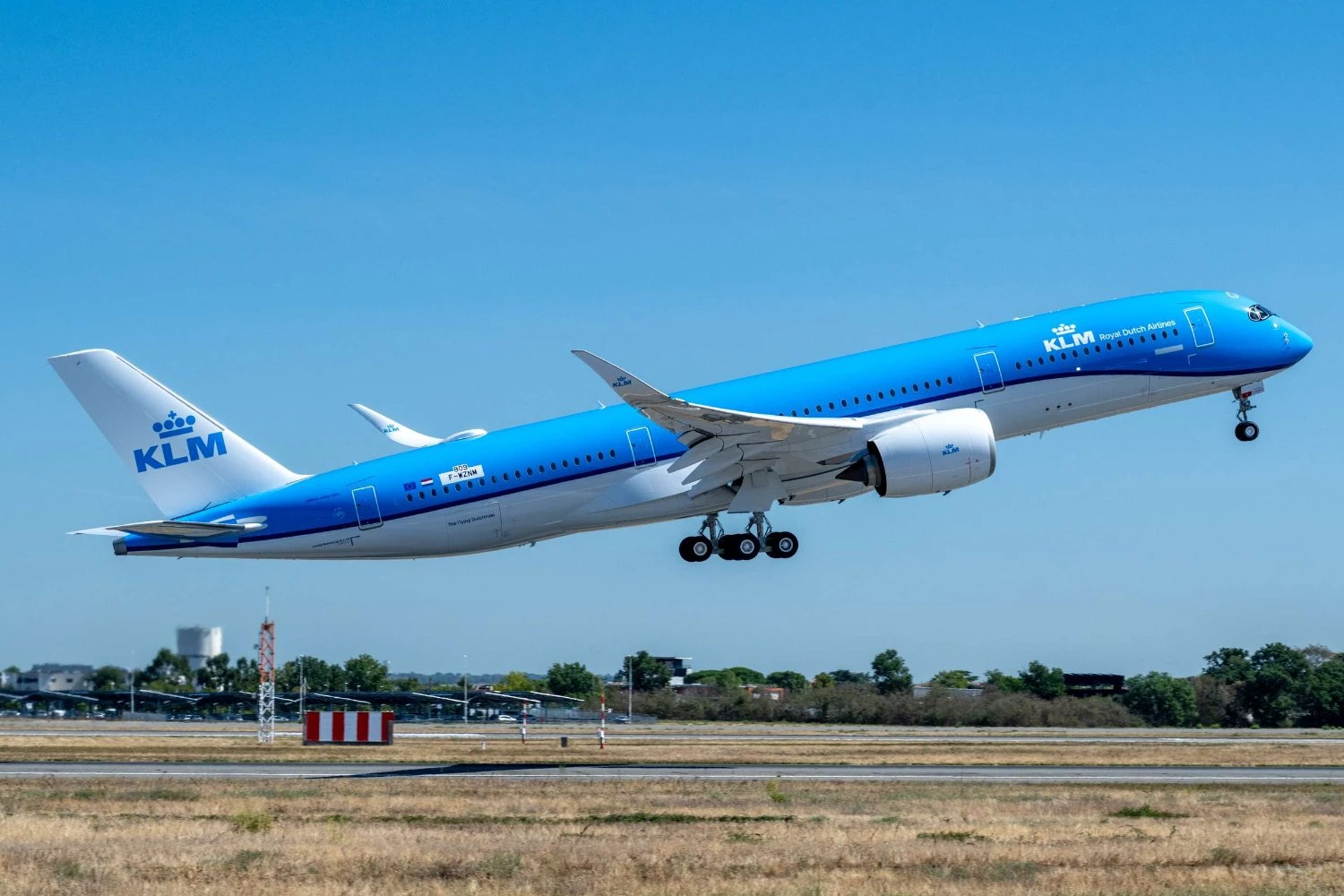
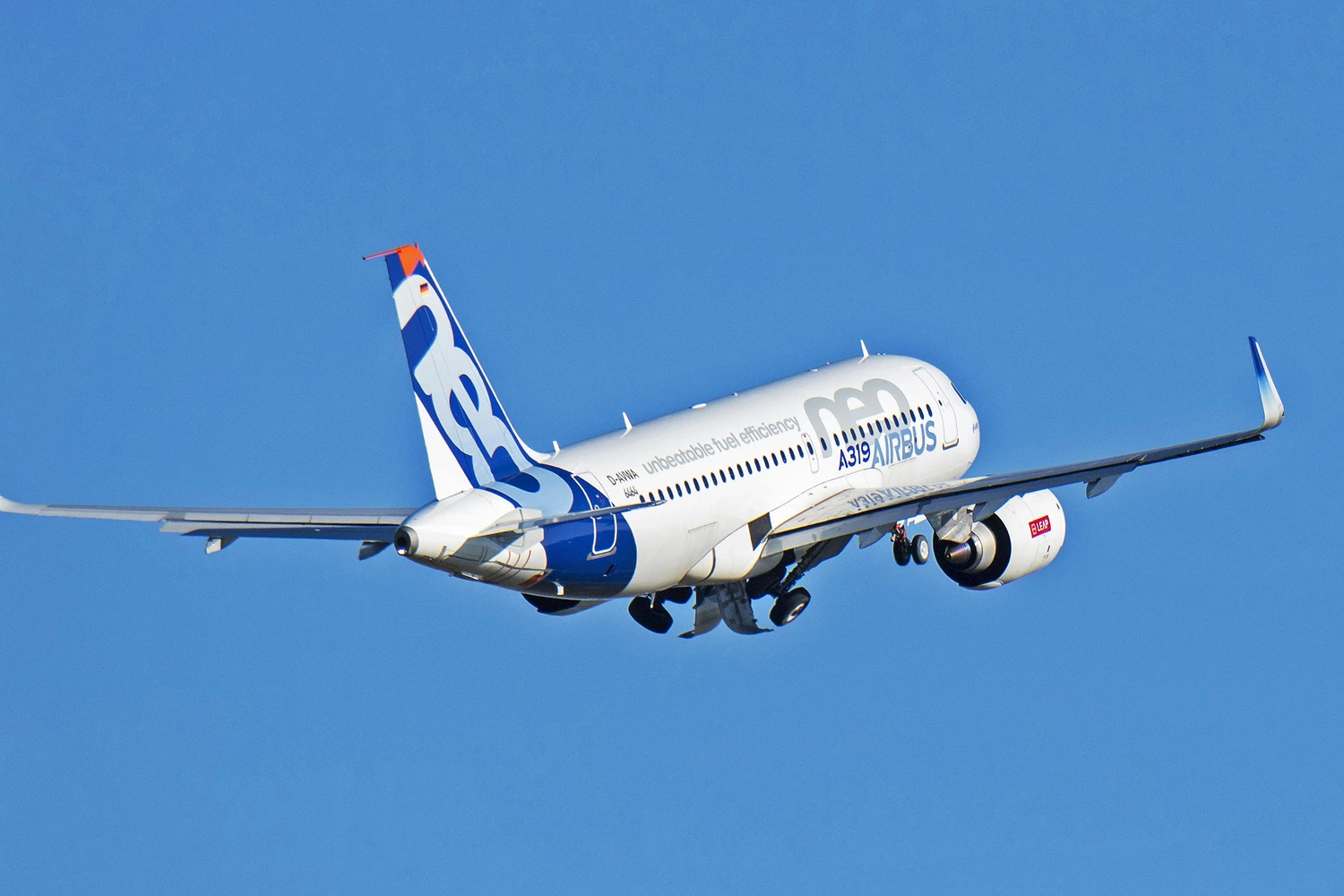
The combined A320neo and A321neo total reached 58 aircraft, up from 42 in August. Including the A319neo, the A320neo family accounted for 59 deliveries.
Follow Air Data News: WhatsApp | Instagram | LinkedIn | Twitter | Facebook
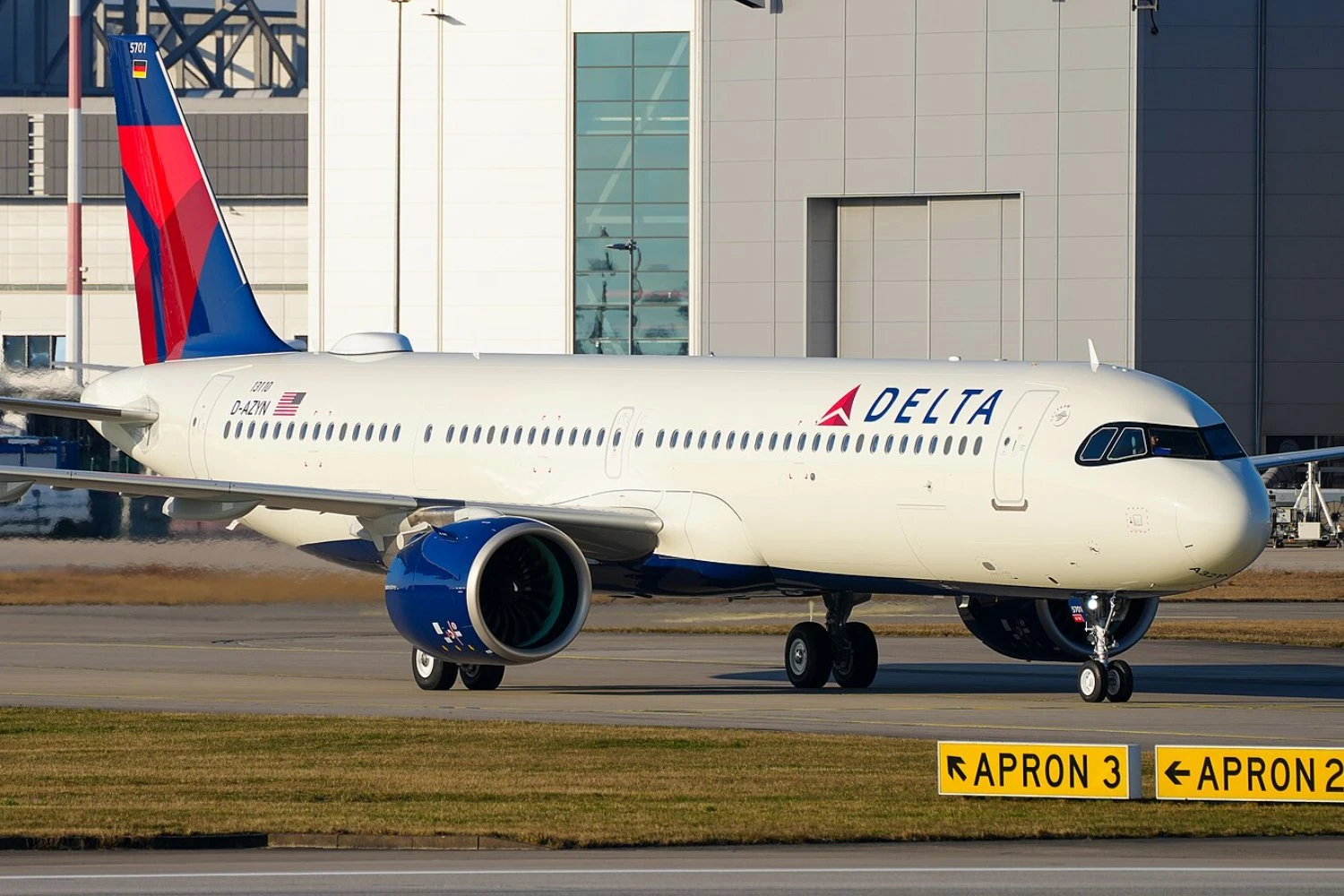
IndiGo was the largest individual recipient, taking seven A321neos and three A320neos. Delta Air Lines received four A321neos, one A220-300 and one A350-900, while American Airlines took three A321neos.
Other notable deliveries included two A220-300s each to Air Canada and Breeze Airways, two A220-300s operated by Croatia Airlines through GGAM Borrower, and two A321neos for Aegean Airlines through CMB Financial Leasing.
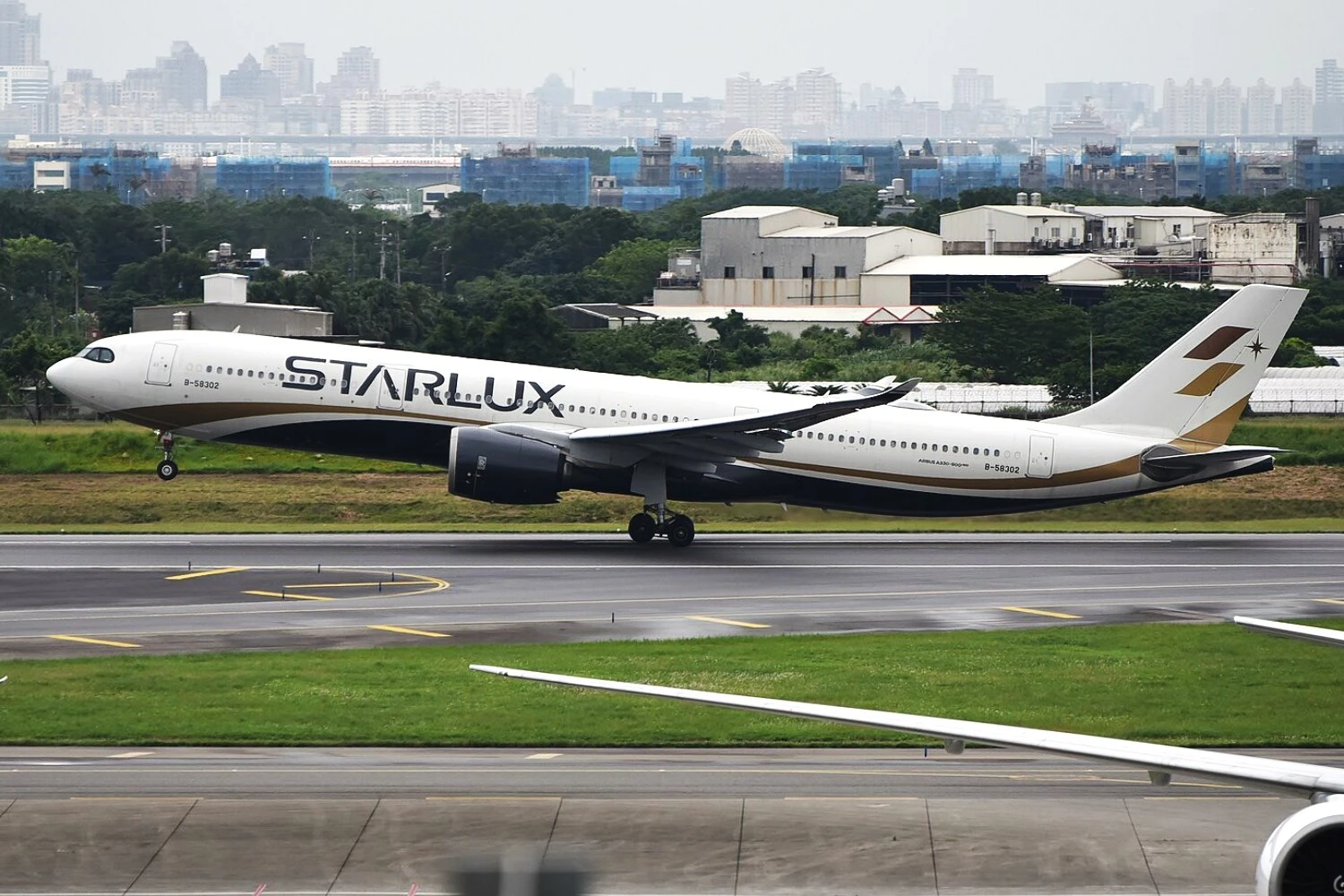
Airbus also handed over A350-900s to Emirates and Lufthansa, while Kuwait Airways and Starlux Airlines each received an A330-900.
The September result was Airbus's third-highest monthly delivery total of 2026, behind June's 89 aircraft and May's 81.
Airbus needs 323 deliveries in the final quarter
Despite the improvement in September, Airbus faces a demanding final three months to meet its annual delivery target of approximately 870 commercial aircraft.
With 547 aircraft delivered through September, the manufacturer must hand over another 323 jets between October and December. That would require an average of nearly 108 aircraft per month, considerably above the 61-aircraft monthly average achieved during the first nine months.
Airbus delivered 793 commercial aircraft in 2025. Reaching 870 this year would represent an increase of almost 10%.
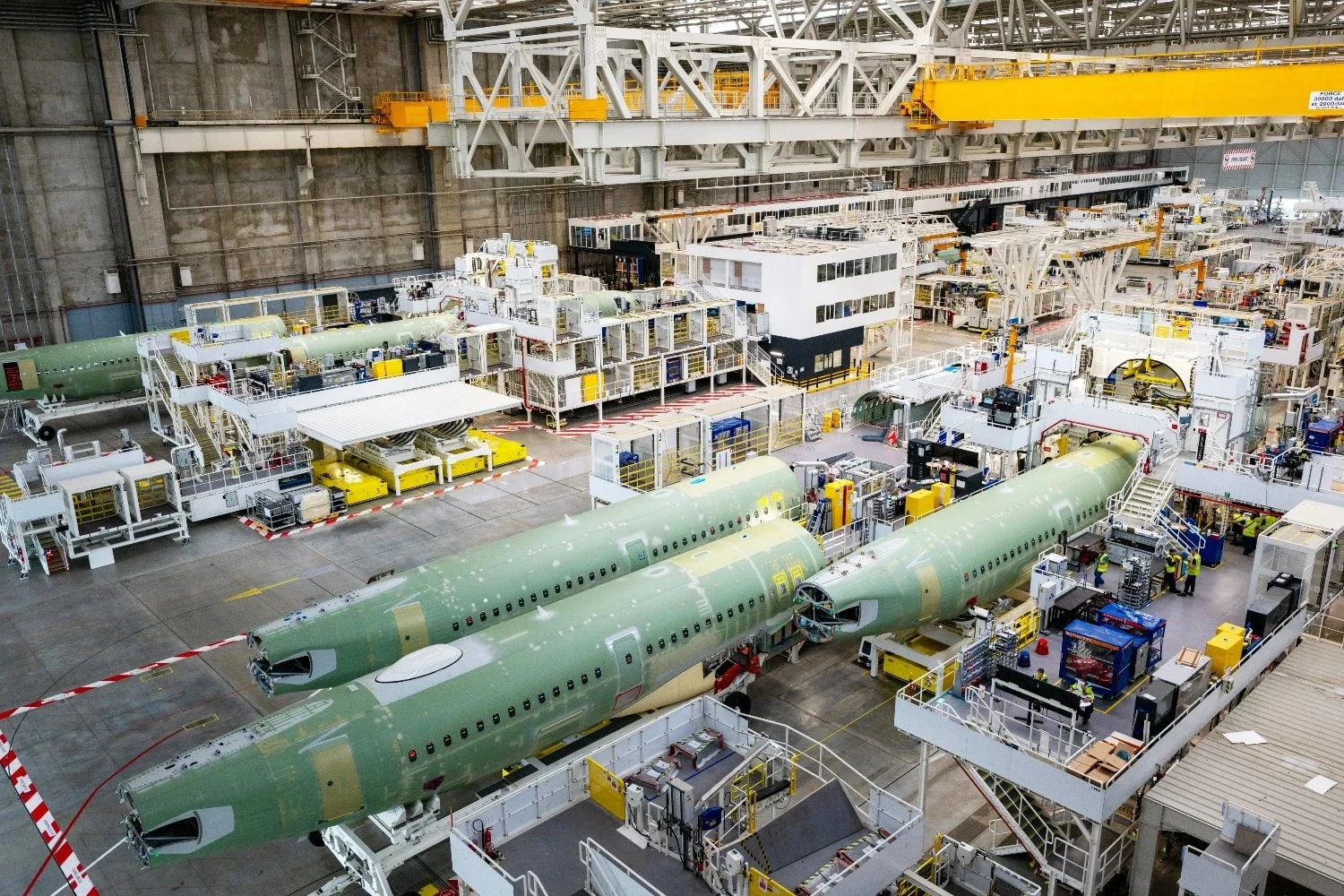
The company has faced persistent supply chain constraints, including engine availability and manufacturing quality issues affecting the A321neo.
Airbus commercial aircraft chief executive Lars Wagner nevertheless expressed confidence in the annual target in late September.
The A321neo remains the company's most important aircraft by volume. Airbus delivered 267 examples between January and September, compared with 157 A320neos and 67 A220-300s.
The manufacturer also delivered 38 A350 passenger aircraft during the period, comprising 27 A350-900s and 11 A350-1000s. Deliveries of the A330-900 totaled 12 aircraft.
September orders fall to just 17 aircraft
New business was considerably weaker than in August, when Airbus booked 67 gross orders.
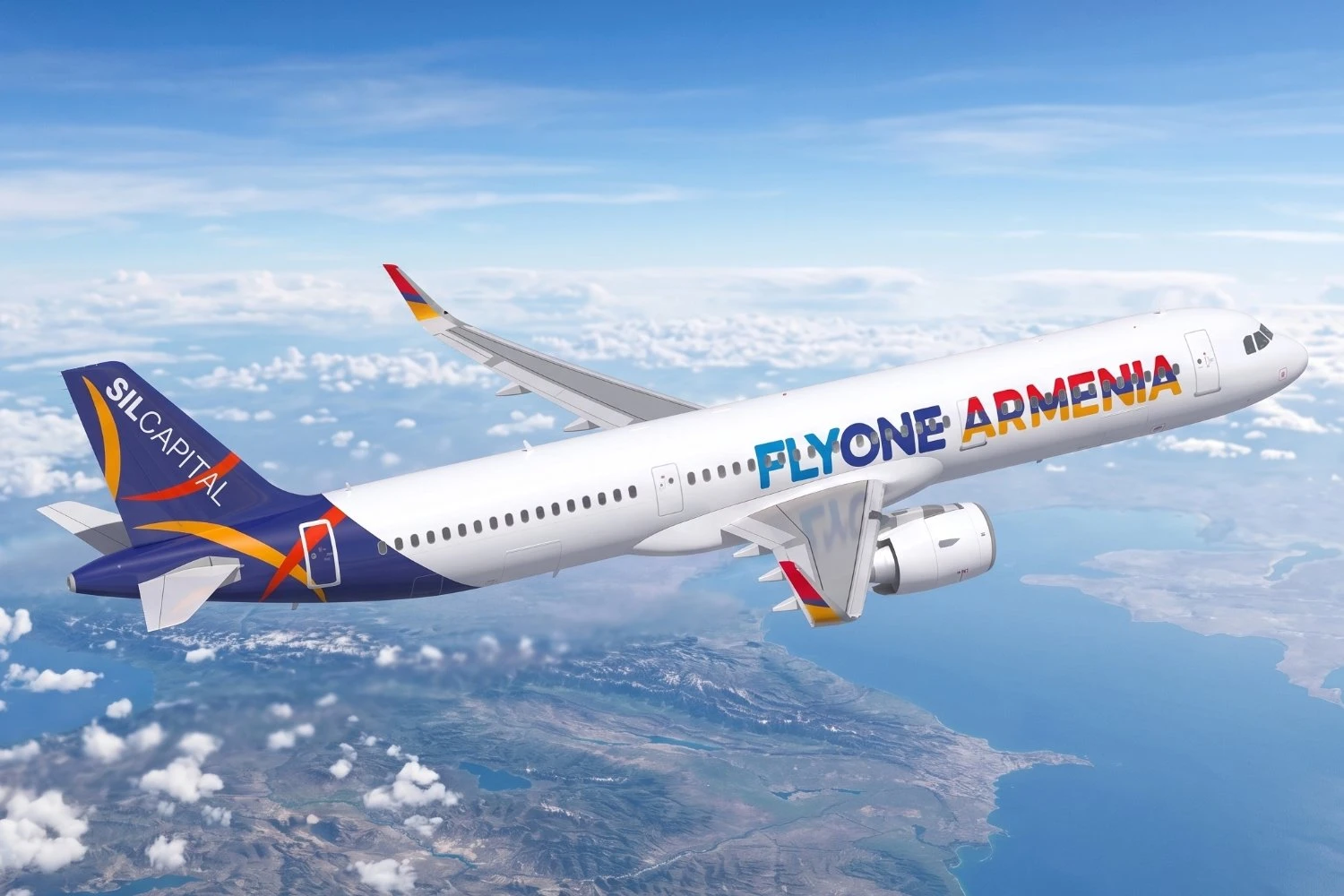
September's 17 orders came from only two customers. Egypt's Air Cairo ordered 15 A320neos on September 14, while FlyOne Armenia placed an order for two A321neos on September 29.
The Armenian airline's agreement followed a memorandum of understanding announced in May during French President Emmanuel Macron's visit to Yerevan. The aircraft will have 239 seats and CFM LEAP engines.
Airbus recorded no new A220, A330 or A350 orders in September.
The monthly result contrasted with several strong periods earlier in the year. Airbus booked 379 gross orders in May, 331 in March and 204 in July.
For the first nine months, gross orders reached 1,174 aircraft, including 591 A321neos, 238 A320neos and 182 A220-300s.
Widebody orders included 66 A330-900s, 55 A350-900s, 34 A350 freighters and six A350-1000s.
After cancellations, Airbus reported 1,105 net orders for the January-September period.
Backlog changes reveal cancellations and customer transfers
A comparison of Airbus's August and September order records shows that the manufacturer's total backlog declined from 9,368 to 9,310 aircraft.
The reduction reflects 72 deliveries and a net increase of only 14 aircraft in cumulative orders, despite the 17 new orders recorded during September.
The difference came from three net cancellations involving the A220-300.
The changes were concentrated in the records of two aircraft leasing companies.
Macquarie Financial Holdings' cumulative A220-300 orders fell from 22 to 14 aircraft, a reduction of eight. Meanwhile, DAE Airfinance Holdings' figure increased by five, from a negative balance of five to zero.
The two movements produced a net reduction of three A220-300 orders. The records also show two previously recorded deliveries reassigned from DAE to Macquarie.
Although the figures establish the net cancellation, the published spreadsheets do not identify the contractual circumstances behind each adjustment.
The A220-300 backlog consequently fell from 535 to 524 aircraft, reflecting the three net cancellations and eight deliveries during September.
Other changes involved the attribution of existing orders rather than reductions in Airbus's overall orderbook.
American Airlines, for example, saw its cumulative A321neo orders increase from 228 to 246 aircraft, a gain of 18.
The increase was exactly matched by a reduction of 18 A321neo orders attributed to undisclosed customers, from 412 to 394.
The corresponding movements indicate that 18 previously unidentified orders were assigned to American Airlines in Airbus's records. They do not constitute 18 additional orders placed during September.
Another adjustment involved Volaris and CMB Financial Leasing.
Volaris's cumulative A321neo orders declined by two aircraft, from 124 to 122, while CMB's total increased from nine to 11.
26,615 commercial aircraft orders
The matching changes suggest a reassignment between the Mexican airline and the Chinese lessor. CMB also received two A321neos for Aegean Airlines during September, although the spreadsheets do not establish a direct connection between those deliveries and the Volaris adjustment.
A similar change occurred in the A319neo program. One order previously listed under an undisclosed customer was attributed to Xizang Airlines, which also received an A319neo during the month.
The A320neo orderbook showed a more extensive redistribution among customers.
BOC Aviation's cumulative orders increased by 12 aircraft, DAE Aviation Group gained nine, BOCOM Leasing gained two and ICBC Leasing gained one.
These increases were offset by reductions of 11 aircraft for Avianca, nine for Macquarie Financial Holdings, one for Avolon and three for undisclosed customers.
The 24 aircraft added to some customers' records were therefore matched by 24 removed from others, without changing Airbus's total A320neo orders.
The spreadsheets do not establish whether these adjustments resulted from leasing arrangements, changes in contractual ownership or other commercial decisions. They also do not identify the counterparties to individual transfers.
The only net addition to the A320neo orderbook during September was Air Cairo's 15-aircraft purchase.
After all adjustments and deliveries, the A320neo backlog stood at 1,860 aircraft, six fewer than at the end of August.
The A321neo backlog declined by 35 aircraft to 5,656, despite the two new orders from FlyOne Armenia. Airbus delivered 37 examples of the model during September.
The combined A320neo family backlog stood at 7,529 aircraft, including 5,656 A321neos, 1,860 A320neos and 13 A319neos.
The A330-900 backlog declined by two aircraft to 320, while the A350-900 backlog fell by three to 519. Neither model received new orders during September, and both reductions corresponded to deliveries.
At the end of September, Airbus had recorded 26,615 commercial aircraft orders and 17,305 deliveries since the beginning of its commercial aircraft programs, leaving 9,310 aircraft awaiting delivery.