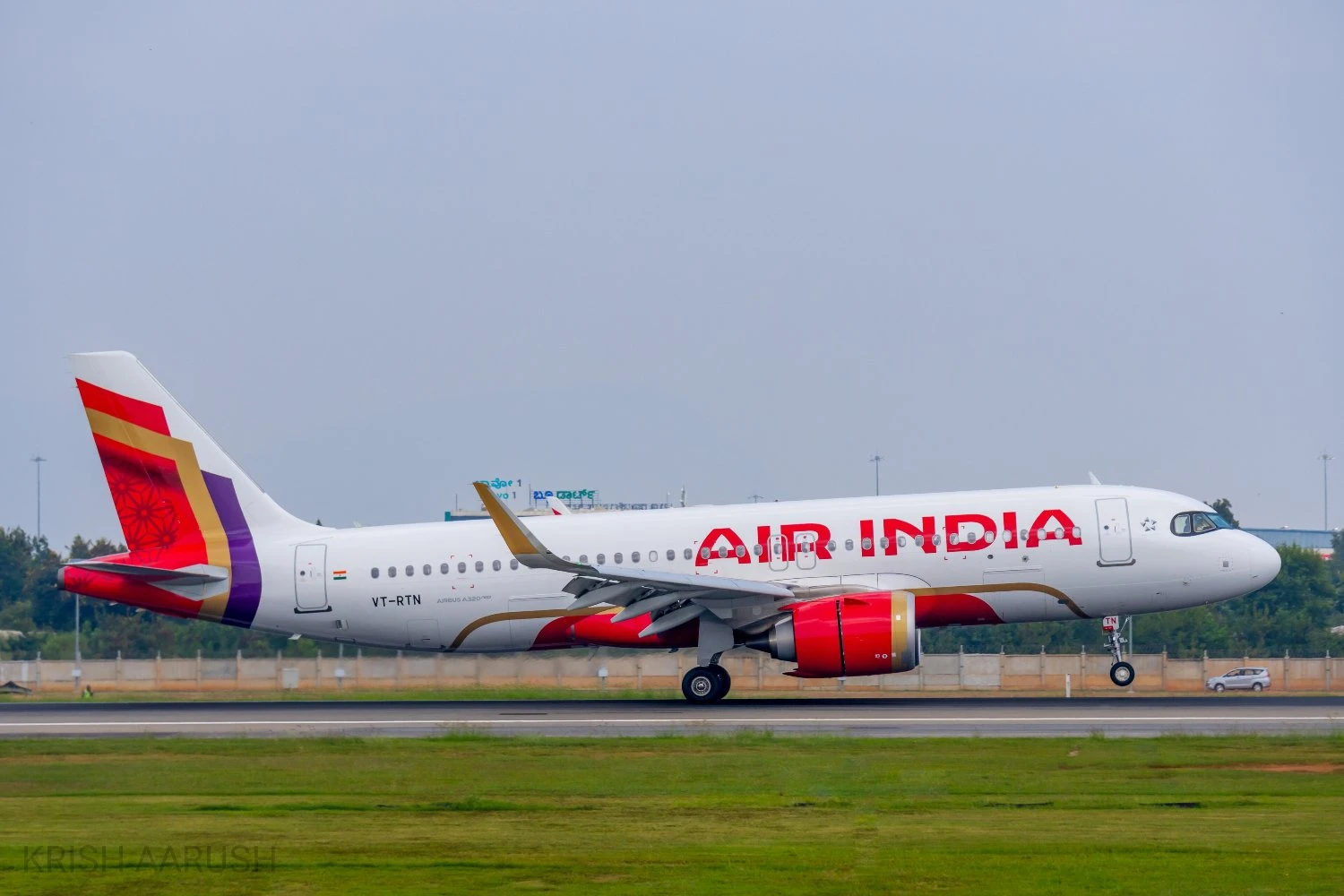
An Air India Airbus A320 temporarily lost the use of its elevators and ailerons after all three hydraulic systems registered pressure losses during an incident earlier this month, according to a preliminary Airbus analysis.
The unusual sequence occurred on August 4 aboard flight AI2379 from Phuket, Thailand, to Delhi. The aircraft suddenly lost about 300 feet (91 meters) of altitude and 24 people were injured. It later landed safely in Delhi.
Related news
September 17, 2026
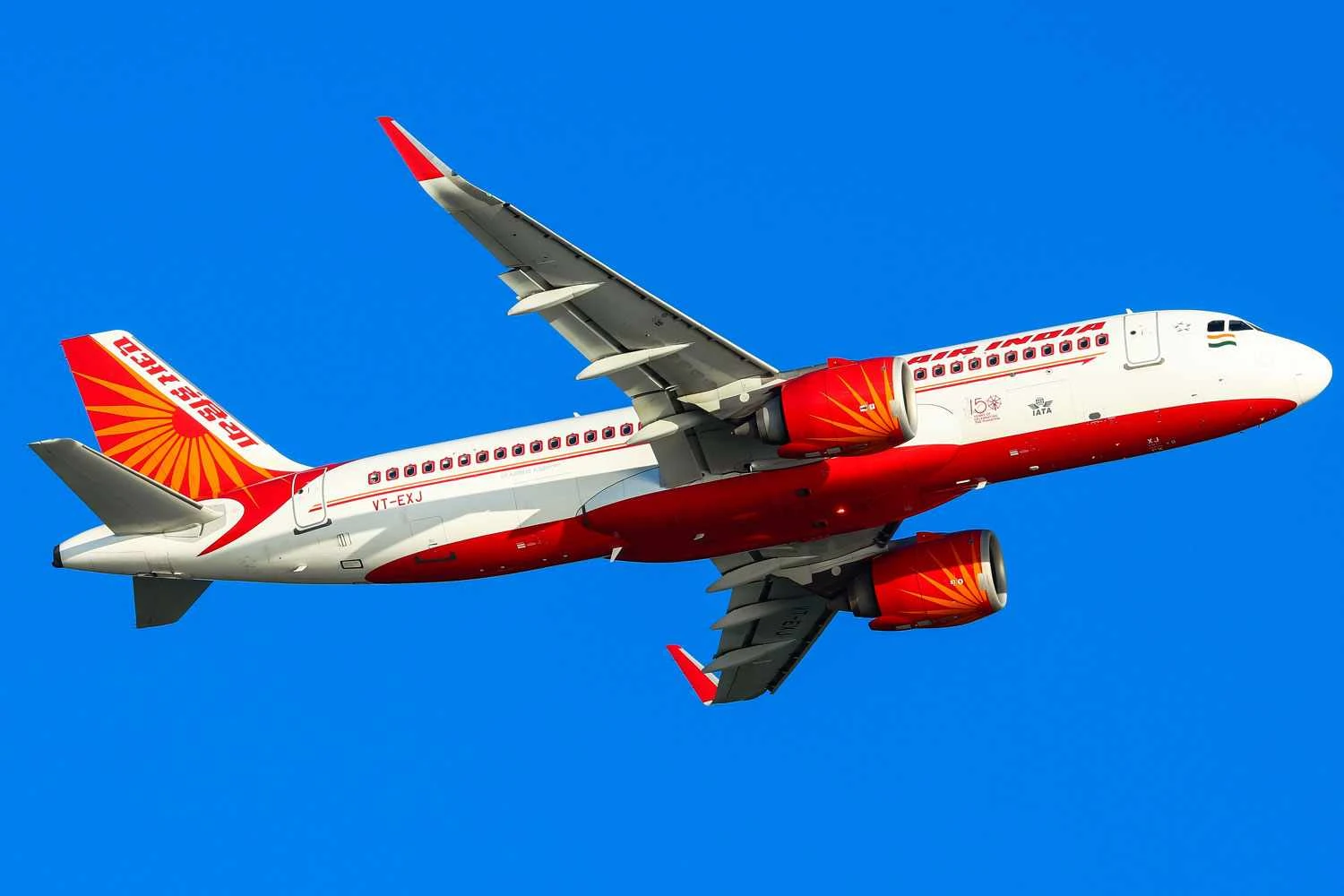
The aircraft involved was VT-EXO, an Airbus A320-251N powered by two CFM International LEAP-1A26 engines. The jet, manufacturer serial number 8470, made its first flight on October 31, 2018, and entered service with Air India the following month. It is 7.8 years old and currently has 140 seats, with eight in business class and 132 in economy.
Air India initially attributed the event to turbulence. Indian authorities have since classified it as a serious incident, and information extracted from the flight data recorder points to a more complex technical event.
According to the Airbus assessment, reviewed by Reuters, the A320 registered losses of pressure in its Green, Blue and Yellow hydraulic systems in quick succession. These three independent systems provide hydraulic power to the aircraft's flight controls and several other systems.
For approximately four seconds, the pilots were unable to command the elevators and ailerons, which control pitch and roll. The aircraft pitched upward during this period.
The first officer applied full nose-down input, but Airbus found "no direct response" from the corresponding flight-control surfaces. Hydraulic pressure returned within seconds and the pilots regained normal control.
Follow Air Data News: WhatsApp | Instagram | LinkedIn | Twitter | Facebook
Separate information reported by Indian media indicates that the three hydraulic failures occurred within about two seconds and that pressure was restored within seven seconds.
The cause of the pressure losses remains unknown. Airbus has asked Air India to test the hydraulic systems as well as pressure sensors and switches. Some sensors are expected to be removed for examination, and inspections of associated wiring may also be required.
The manufacturer also requested records of hydraulic maintenance performed during the month before the incident and more detailed accounts from the pilots.
Another concern involves the loads imposed on the A320 during the altitude excursion. Airbus determined that the aircraft experienced forces above specified limits and recommended structural inspections to determine whether the event caused damage. VT-EXO has remained parked since the August 4 incident.
Three independent hydraulic systems
The loss of all three hydraulic systems within such a short period makes the occurrence particularly unusual.
The A320 uses three independent hydraulic circuits identified by color: Green, Blue and Yellow. Each normally operates at approximately 3,000 psi and supplies different aircraft systems, with redundancy provided for essential flight controls.
The architecture is designed so that the loss of one hydraulic circuit does not deprive the pilots of primary flight control. A simultaneous or near-simultaneous loss of pressure across all three therefore raises questions beyond the failure of an individual hydraulic component.
The preliminary information does not establish whether all three systems actually suffered physical pressure losses or whether another fault affected their monitoring or operation. Airbus has not identified a common cause and its request to examine sensors, pressure switches and wiring indicates that several possibilities remain under investigation.
No problem has so far been identified in the aircraft's primary flight-control computers.
Investigation continues
India's Aircraft Accident Investigation Bureau (AAIB) is responsible for the investigation, with technical assistance from Airbus and France's Bureau of Enquiry and Analysis for Civil Aviation Safety (BEA).
The Airbus document is an initial technical assessment provided in response to a request from Air India and is not an official conclusion from the investigation.
The investigation also has a separate crew-related element. The captain tested positive for marijuana in a confirmatory drug test, according to Reuters. There is currently no evidence that the result had any connection with the hydraulic event or the loss of altitude.
Air India subsequently introduced mandatory substance testing for its pilots. Both issues remain under investigation, but the technical evidence available so far centers on the temporary hydraulic pressure losses and the resulting interruption of primary flight-control authority.