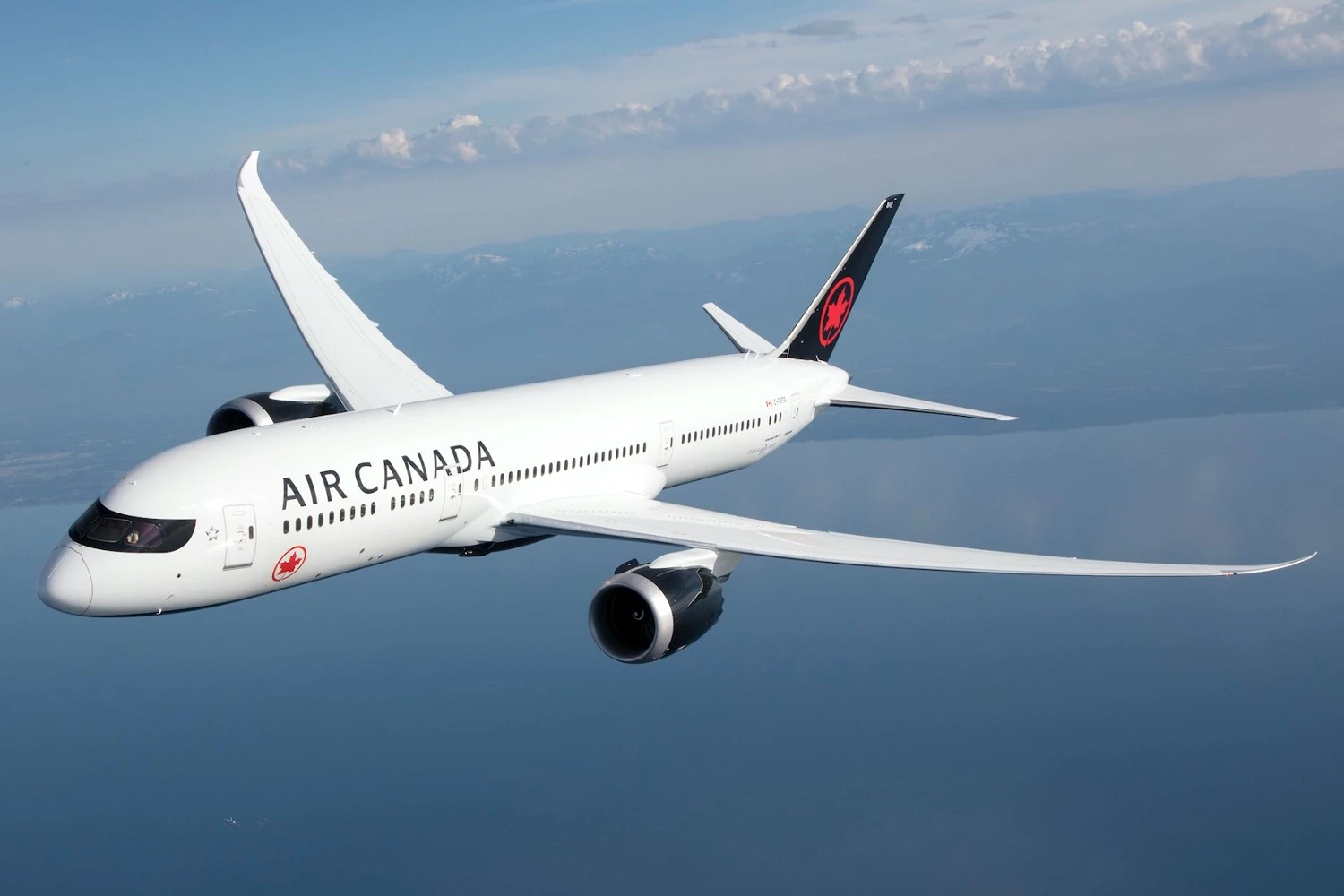
An airline has the aircraft, passengers willing to buy tickets and airports ready to handle its flights. Yet it may still be legally unable to operate a route.
Unlike many other businesses, an airline cannot simply identify demand between two countries and start selling tickets. International commercial aviation is built around traffic rights granted by governments, mostly through bilateral or multilateral agreements.
These rights are commonly known as the "freedoms of the air," a system whose origins date to the Chicago Conference of 1944, which established the framework for modern international civil aviation.
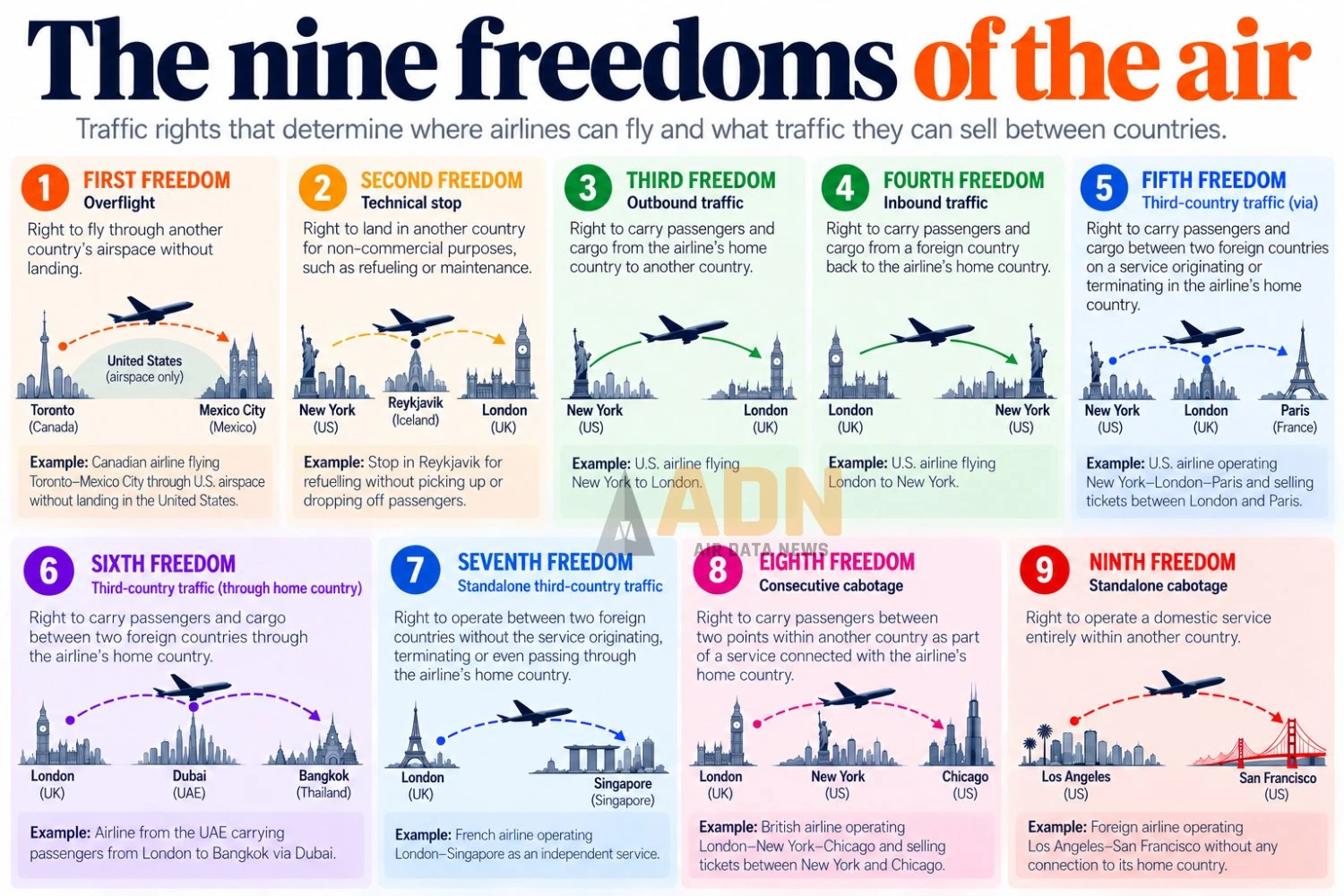
Today, nine freedoms are commonly used to describe what an airline can do, ranging from crossing another country's airspace without landing to operating domestic flights entirely within a foreign country.
Follow Air Data News: WhatsApp | Instagram | LinkedIn | Twitter | Facebook
But they are not nine progressively granted rights that every airline automatically receives. The first five have their origins in agreements negotiated at Chicago, while the sixth through ninth developed as convenient definitions for other forms of traffic rights. The International Civil Aviation Organization (ICAO) itself refers to the latter as "so-called" freedoms.

The first two do not involve commercial traffic
The First Freedom is the simplest: the right for an aircraft from one country to fly through the airspace of another without landing.
A Argentine airline flying to Europe, for example, may need overflight rights from countries crossed along the route even though it has no intention of landing there.
The Second Freedom allows an aircraft to land in another country for non-commercial purposes, such as refueling or maintenance, without picking up or dropping off revenue passengers or cargo.
This was particularly important when early long-range aircraft could not fly many international routes nonstop. Technological stops have become less common as aircraft range increased, although the right remains relevant.
The two freedoms were incorporated into the International Air Services Transit Agreement signed in Chicago in 1944. They are distinct from the commercial rights that allow airlines to actually sell transportation in another country.
Where international airline service really begins
The Third and Fourth Freedoms form the foundation of conventional international airline networks.
The Third Freedom allows an airline to carry passengers and cargo from its home country to another country. A Brazilian airline flying passengers from Sao Paulo to Lisbon would be exercising this right.
The Fourth Freedom allows it to bring passengers in the opposite direction, from the foreign country back to its home country.
These rights are normally negotiated together and explain why opening an international route involves more than obtaining airport slots and regulatory approval for the aircraft operation itself.
Governments determine which traffic rights are exchanged, and air service agreements can also regulate designated airlines, routes, capacity and other conditions.

When an airline sells tickets between two foreign countries
The Fifth Freedom is where the system becomes more interesting. It allows an airline to transport passengers between two foreign countries when that sector forms part of a service originating or terminating in the airline's home country.
Imagine a US airline operating New York-London-Paris. Third Freedom rights would allow it to carry passengers from the United States to UK. With the necessary Fifth Freedom rights, it could also sell tickets between London and Paris.
This explains some seemingly unusual flights found around the world, where an airline competes on a route that does not touch its home country.
The crucial distinction is the right to carry local traffic. An airline can be authorized to land at an intermediate airport and continue to another country without necessarily being allowed to sell tickets between those two points.
ICAO defines the Fifth Freedom precisely around this ability to take on and discharge traffic in another country on a service connected to a third state.
The freedom behind global airline hubs
The Sixth Freedom reverses the logic. Instead of carrying passengers between two foreign countries on a flight extending beyond its home country, an airline transports them between those countries through its home market.
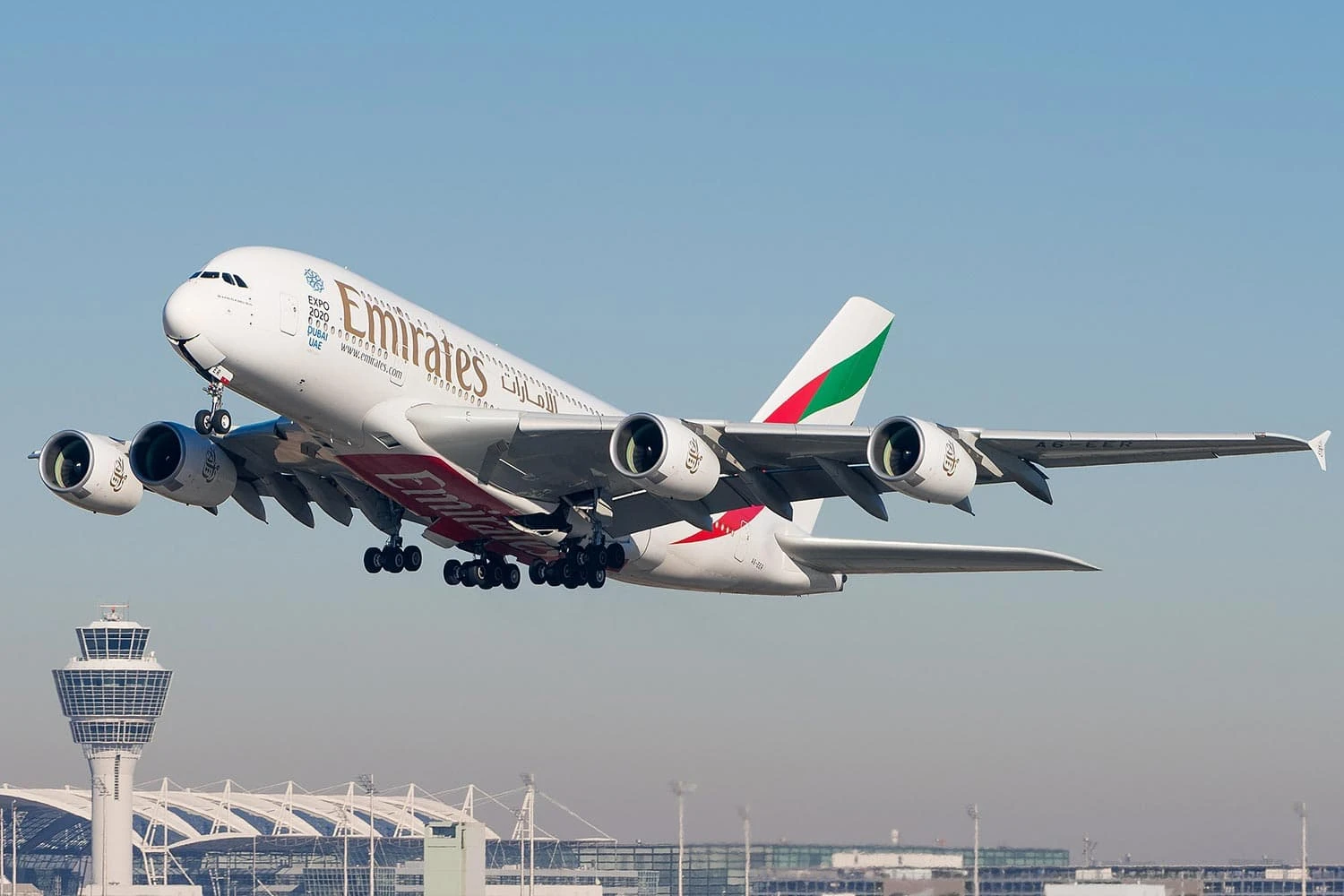
A passenger traveling from London to Bangkok through Dubai on Emirates, for example, is carried from the United Kingdom to the United Arab Emirates and then from the UAE to Thailand.
This model is fundamental to the global hub-and-spoke networks built by airlines such as Emirates, Qatar Airways, Turkish Airlines and Singapore Airlines.
Yet the Sixth Freedom is not normally a separate traffic right granted by an agreement. ICAO describes it as a combination of Third and Fourth Freedom rights: one permits the airline to bring the passenger into its home country and another allows it to carry the passenger onward.
An airline operating entirely away from home
The Seventh Freedom goes further. It allows an airline to operate between two foreign countries without the service originating, terminating or even passing through its own country.
Under such an arrangement, a Brazilian airline could theoretically operate Lisbon-Paris as an independent service, without the aircraft continuing to São Paulo.
That distinction separates it from Fifth Freedom operations. The aircraft does not need any operational connection with the airline's home country.
Seventh Freedom rights are substantially less widespread for passenger services, although liberalized aviation markets and some agreements provide them under particular circumstances.
The controversial final step: cabotage
The Eighth and Ninth Freedoms concern something governments have traditionally guarded much more closely: allowing a foreign airline to transport passengers domestically.
The Eighth Freedom, also called consecutive cabotage, allows a foreign airline to carry passengers between two points within another country as part of a service connected with its home country.
Imagine a British airline operating London-New York-Chicago and being permitted to sell New York-Chicago tickets. The domestic sector remains connected to an international service originating in the United Kingdom.
The Ninth Freedom removes even that connection. It allows the foreign airline to operate a domestic service entirely within another country. A British carrier could, for example, base an aircraft in the United States and sell New York-Chicago tickets without the flight having any connection with Britain.
That is known as stand-alone cabotage.
Europe shows what happens when the restrictions disappear
The European Union provides one of the clearest examples of how different aviation can look when these traditional barriers are removed.
Creation of the EU single aviation market during the 1990s eliminated commercial restrictions on routes operated by EU airlines within the bloc. An airline licensed in one member state can operate routes between other EU countries and domestic services inside another member state.
That is why an Irish airline such as Ryanair can base aircraft in Italy and operate domestic Italian routes without those flights having to originate in Ireland.
The arrangement effectively provides freedoms that would be extraordinary under the traditional bilateral system but have become routine inside the EU aviation market.
Outside such liberalized markets, cabotage remains much more restricted and frequently becomes a subject of political and economic debate.
A freedom does not mean an airline can simply start flying
Even possessing the relevant traffic right does not automatically produce a new route.
Air service agreements can determine which airlines are eligible to operate, what points can be served and under what conditions. Airlines may still need operating permits, airport slots and approvals from aviation authorities, among other requirements.
Codeshares also do not create traffic rights for the airline whose code appears on the ticket. The rights governing the physical operation belong to the carrier operating the flight.
Related news
October 09, 2026


This is why two apparently identical routes can face very different regulatory circumstances depending on the nationality of the airline and the agreements between the countries involved.
More than 80 years after the Chicago Conference, the freedoms devised as international aviation was taking shape still help determine whether an airline can fly over a country, land there, carry its passengers home, continue beyond it — or sell a simple domestic ticket between two cities within its borders.