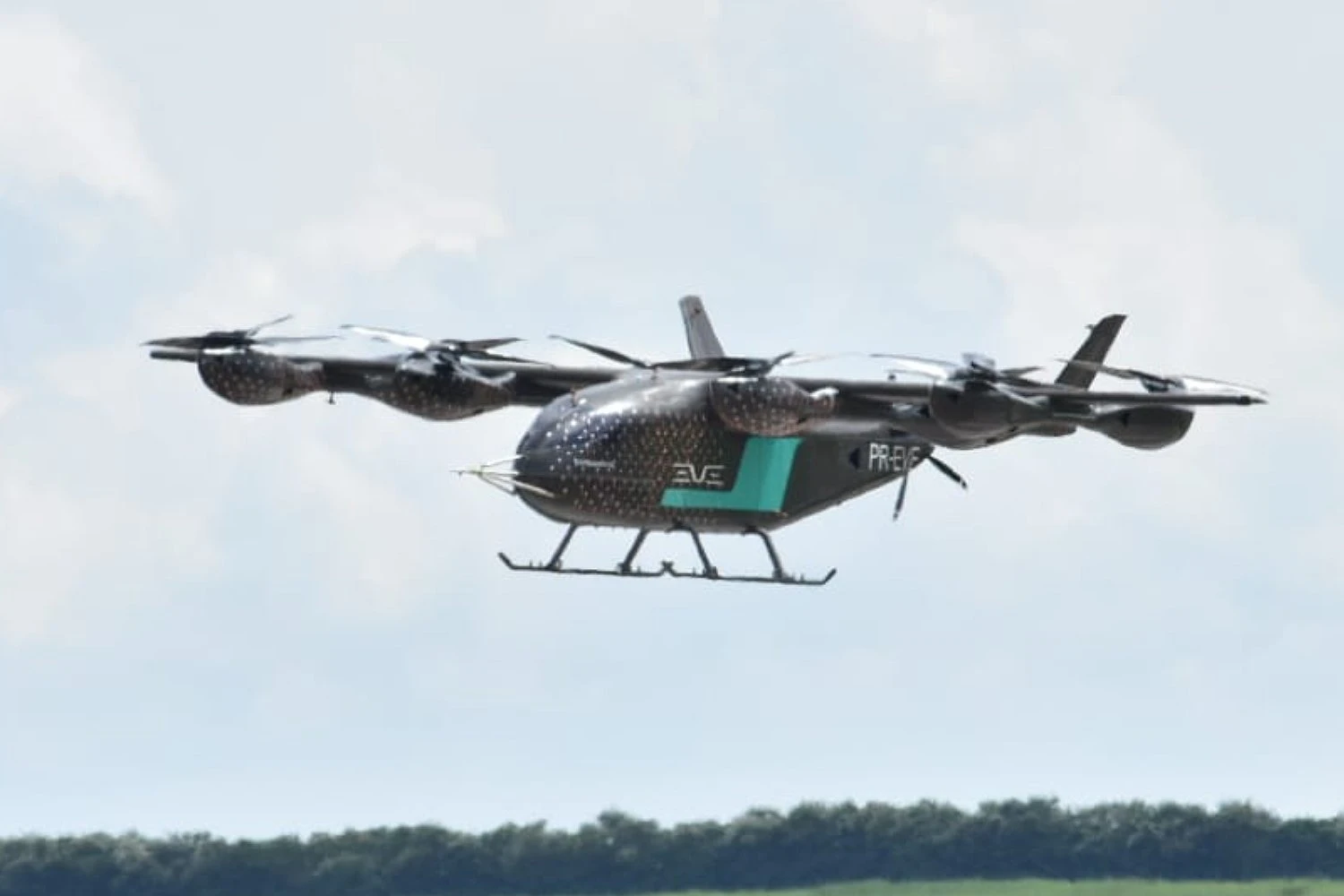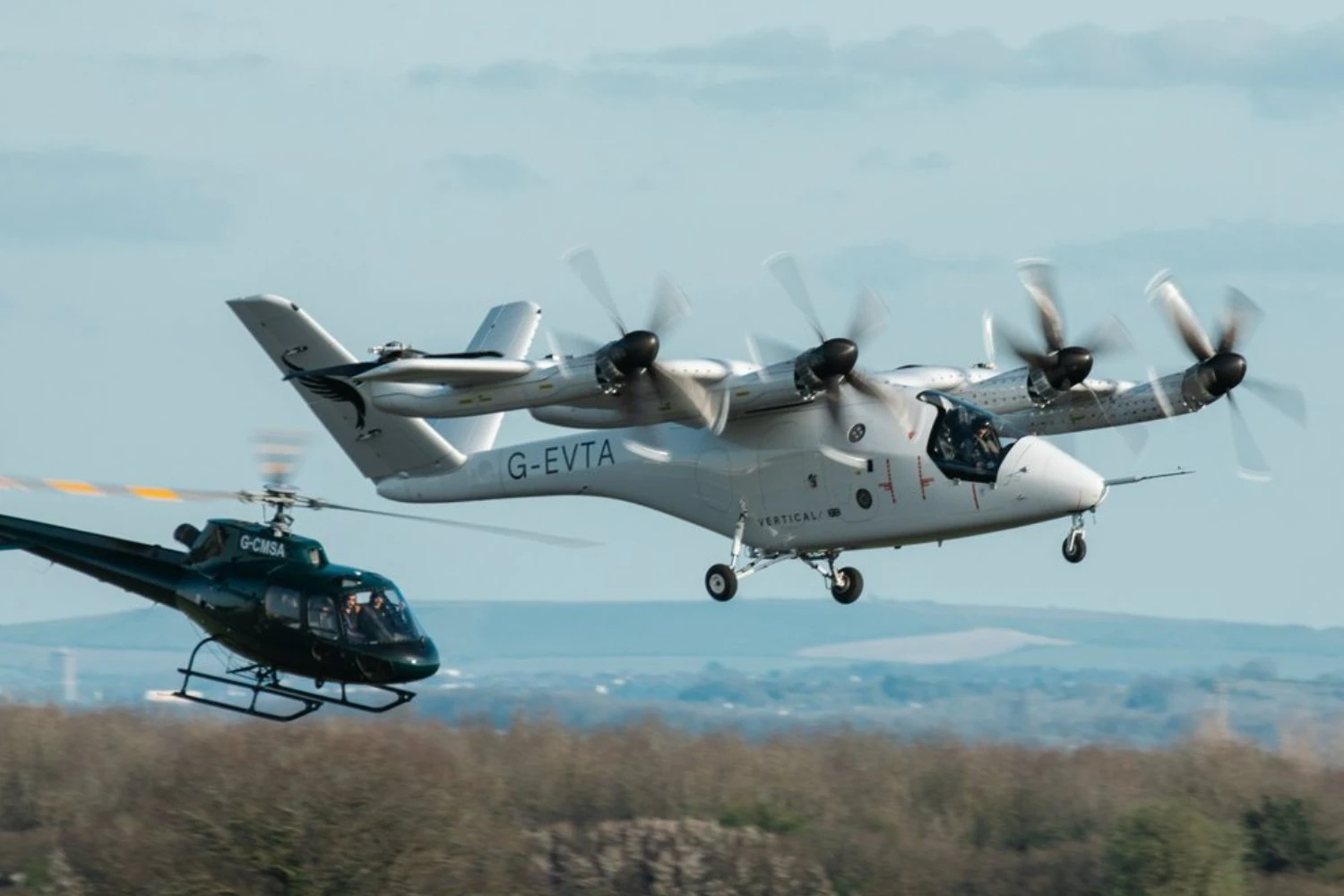
Vertical Aerospace has completed a piloted thrustborne transition with a full-scale eVTOL aircraft, a test that demonstrates the shift from vertical lift to wingborne flight under real operating conditions.
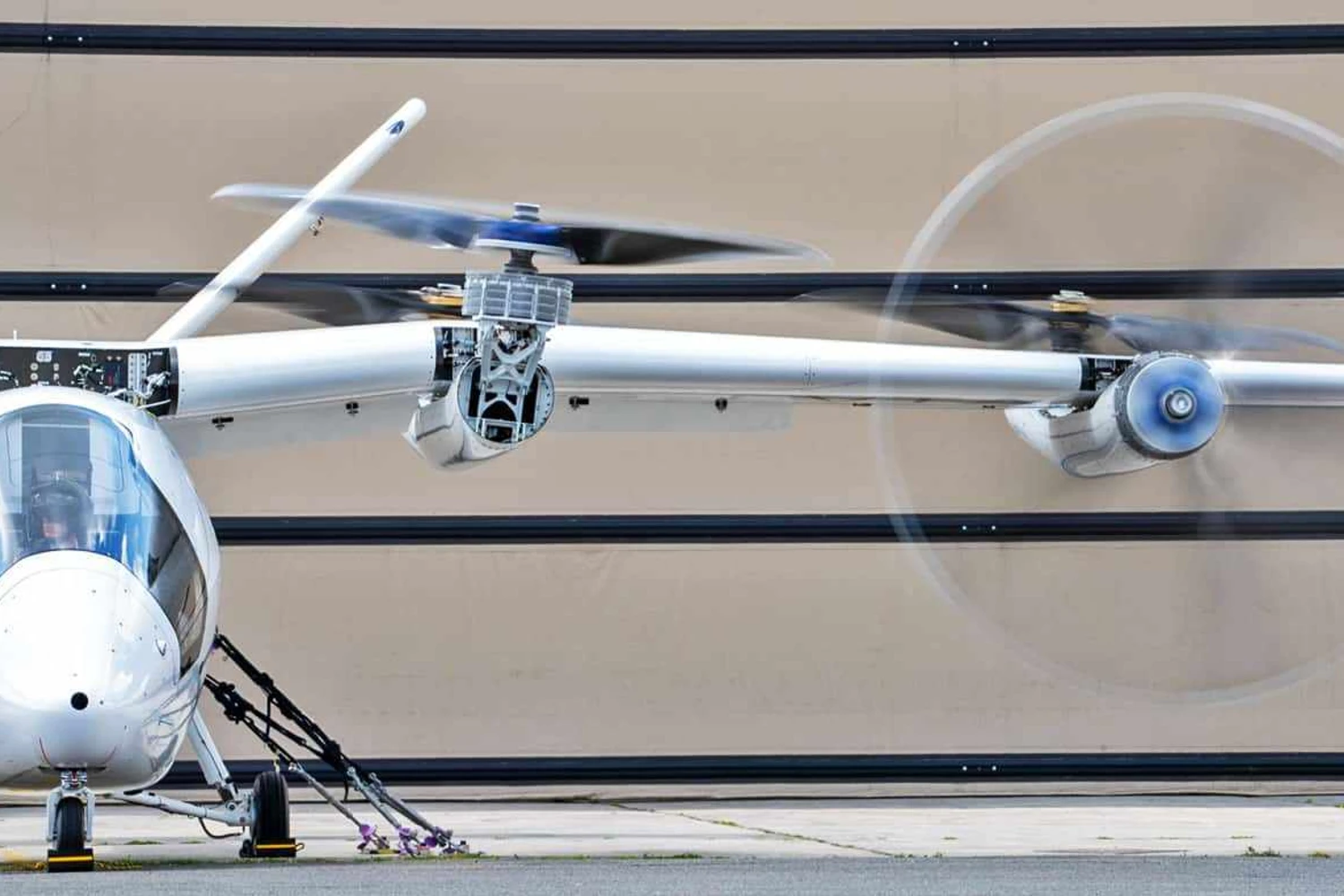
The flight took place on April 2 at the company’s test center at Cotswold Airport in the UK, with test pilot Paul Stone at the controls. The aircraft lifted off vertically, then tilted its front propellers forward to accelerate into forward flight while the rear propellers were stowed, followed by a conventional runway landing.
The maneuver represents the first half of a two-way transition sequence, in which the aircraft takes off vertically, cruises on the wing and later returns to vertical flight for landing without the need for a runway.
Related news
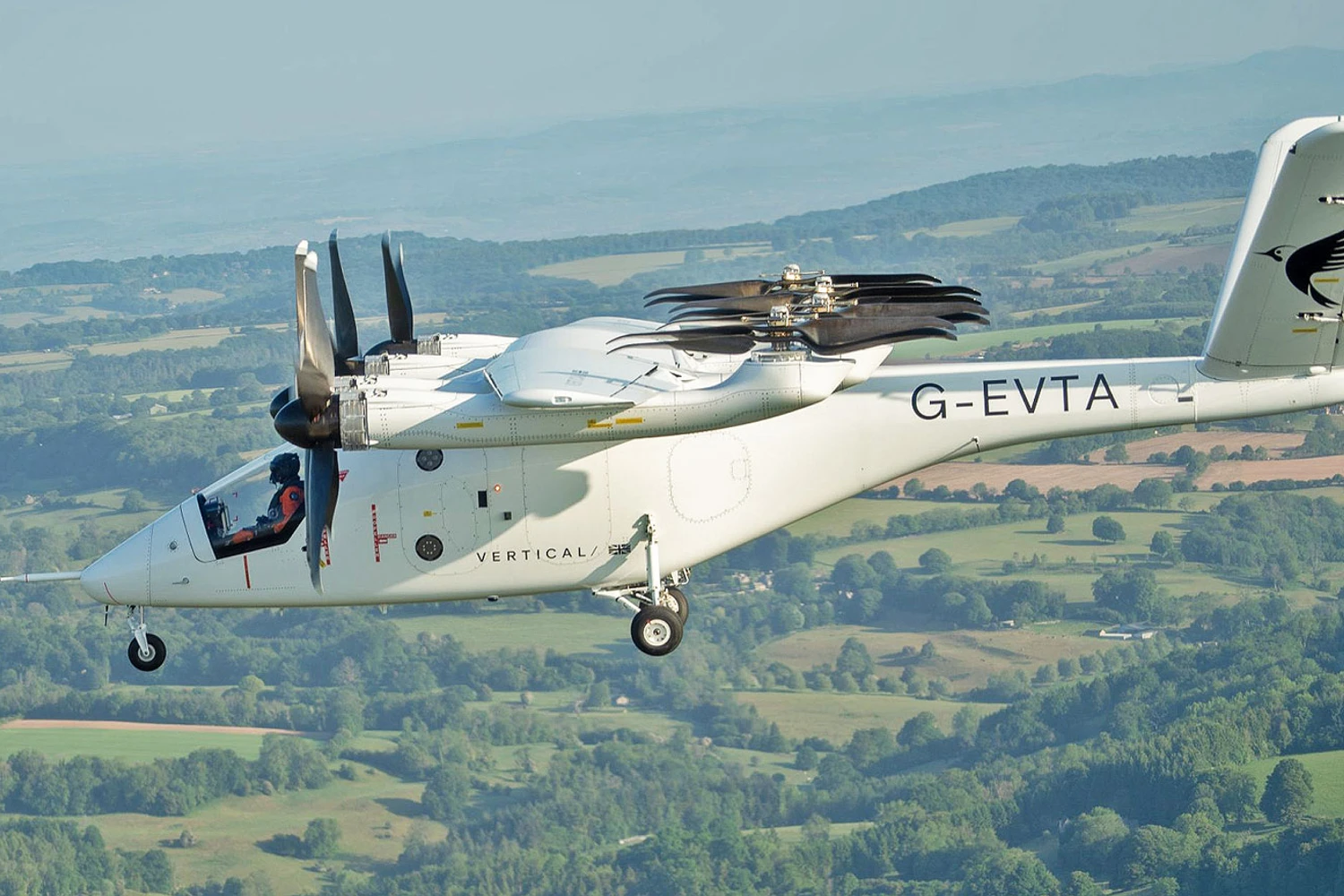
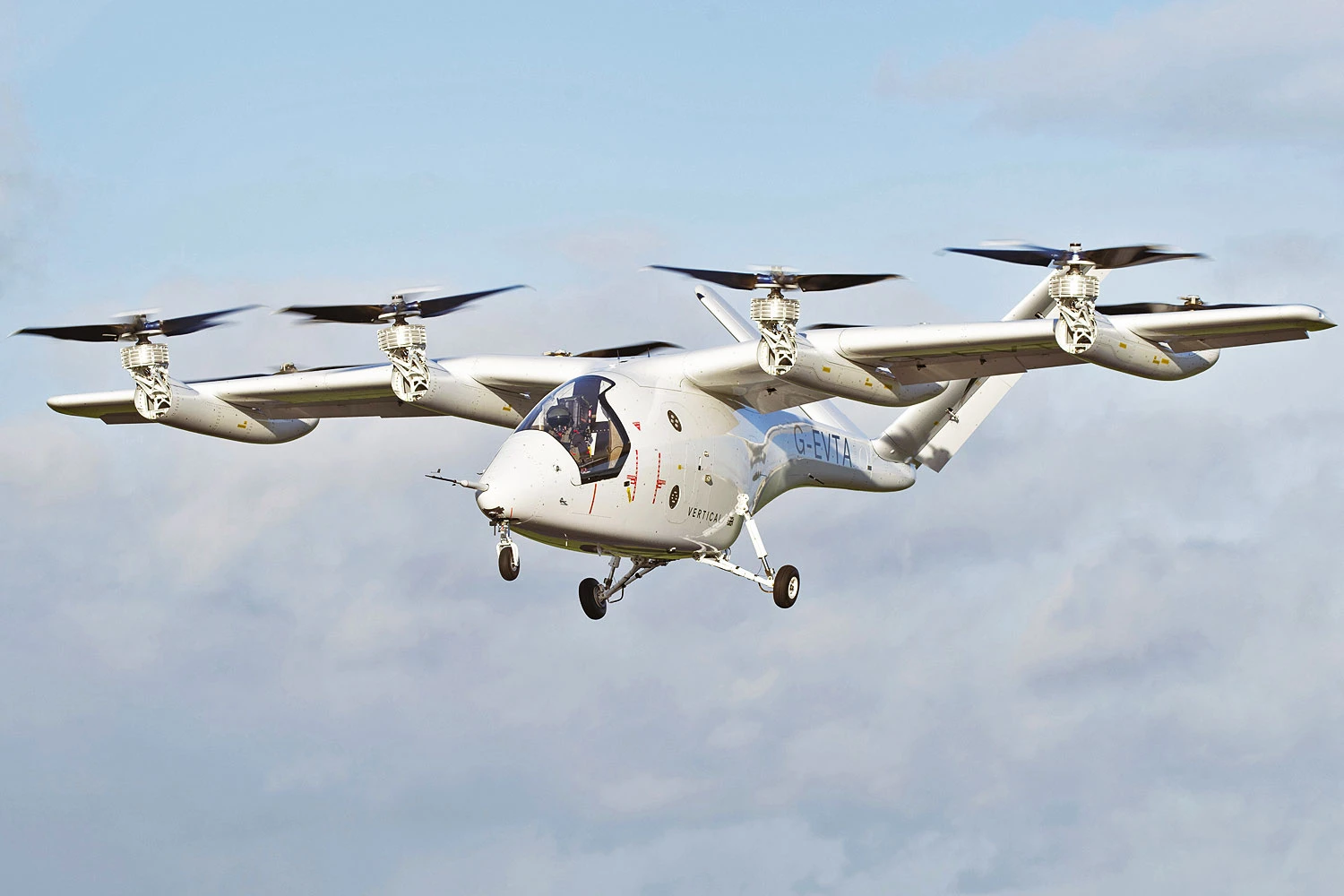
Vertical said the test was conducted under oversight from the UK Civil Aviation Authority (CAA), working in coordination with the European Union Aviation Safety Agency (EASA), as part of the certification process for its Valo eVTOL aircraft.

The Valo adopts a hybrid configuration in which part of the propellers tilt to provide forward thrust while separate vertical lift units remain dedicated to hover. This approach simplifies some aspects of control compared with fully tiltrotor designs, but still concentrates technical complexity in the transition between flight modes.
The transition from rotor-borne lift to wingborne flight is considered one of the most complex phases in eVTOL development, as it requires stable redistribution of aerodynamic forces while maintaining control of the aircraft.
The company said the milestone follows nearly two years of piloted flight testing, during which the aircraft has performed hover, vertical takeoff, wingborne flight and vertical landing, as well as flights in open European airspace and between airports.
Vertical is now expanding the flight envelope toward completing the full two-way transition, including the deceleration phase back to vertical landing.
Recent news
April 07, 2026
Each test is conducted under a Permit to Fly regime and supported by structural testing, systems validation and simulator work, with data submitted to regulators as part of the certification process.
The milestone comes days after Vertical announced an agreement in principle for a financing package of up to $850 million, disclosed on March 30, aimed at supporting certification and entry into service.
“This marks a turning point not just for Vertical Aerospace, but for the entire advanced air mobility industry,” Chief Executive Stuart Simpson said. “Achieving piloted thrustborne transition under active regulatory oversight demonstrates that we have solved the hardest engineering challenges and have the foundation to move toward certification and commercial service.”